Let’s go to Lymm

“…Shall we hang around at Anderton or shall we nip up to Lymm for a few days?” Bit of a no brainer really. The canal is relatively quiet, probably due to the Bridgewater Breach blocking navigation so unless you’re happy to wind and retrace your steps, what’s the point of travelling this way…. because in spring it’s alive with new growth and full of potential.
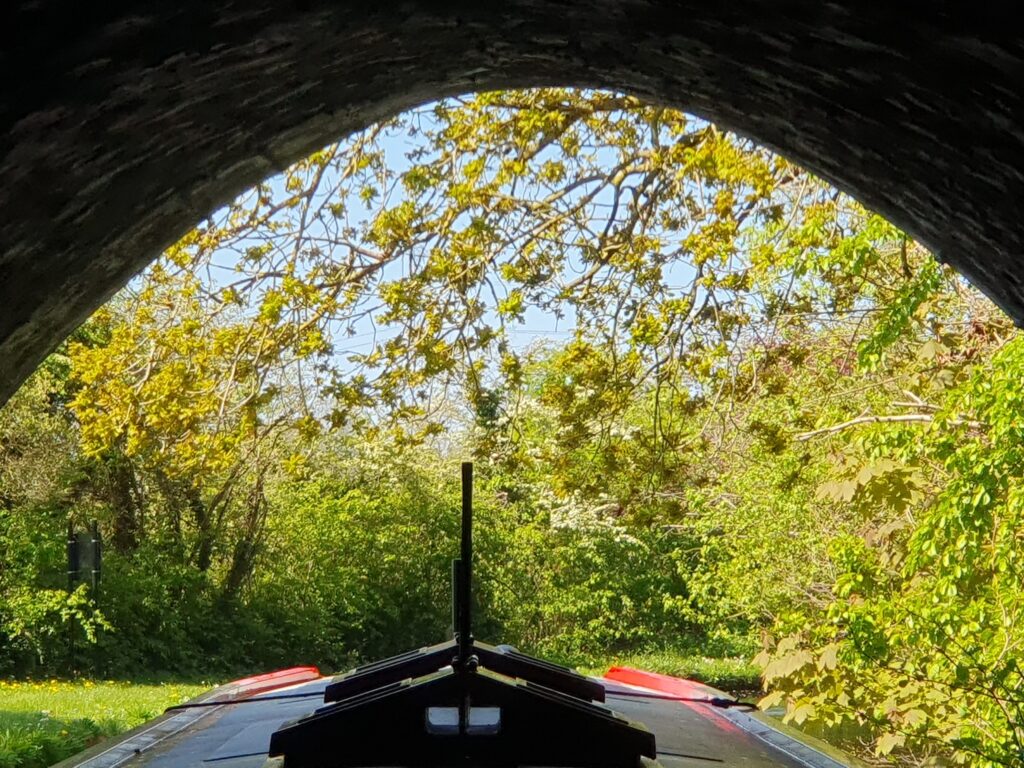
Especially in the sunshine
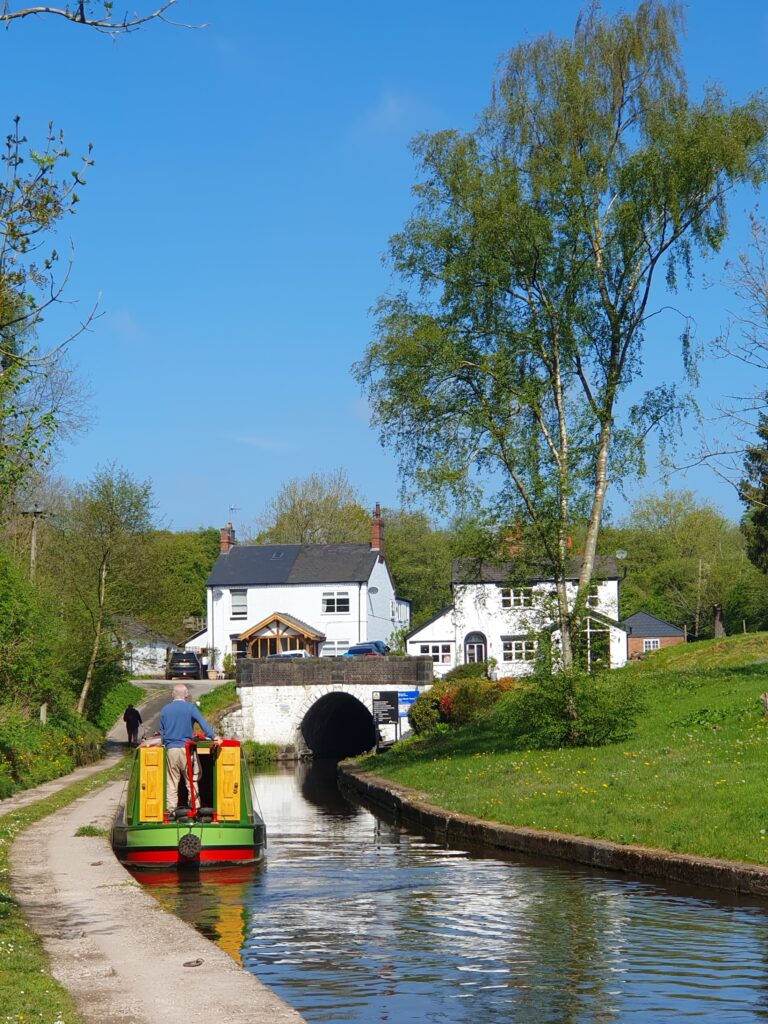
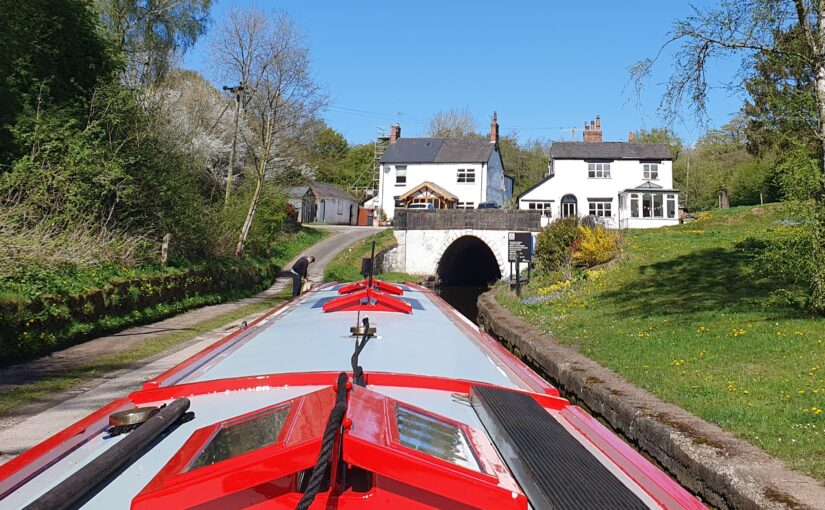
Entering Preston Brook tunnel

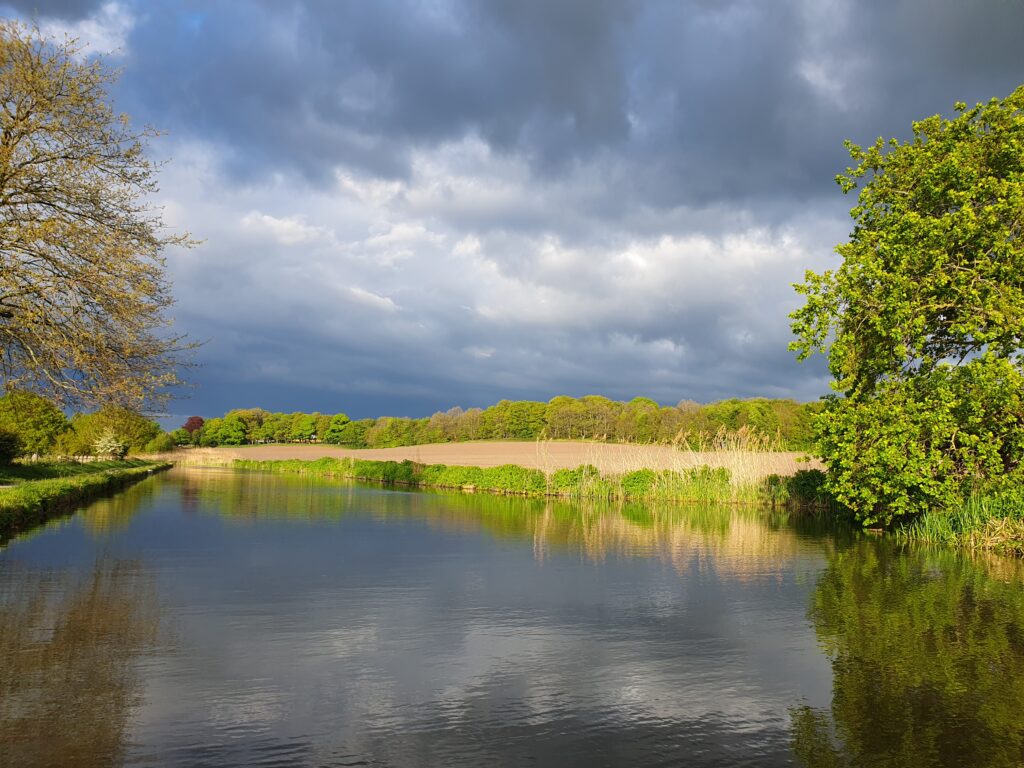
Even the storm clouds lend sense of anticipation
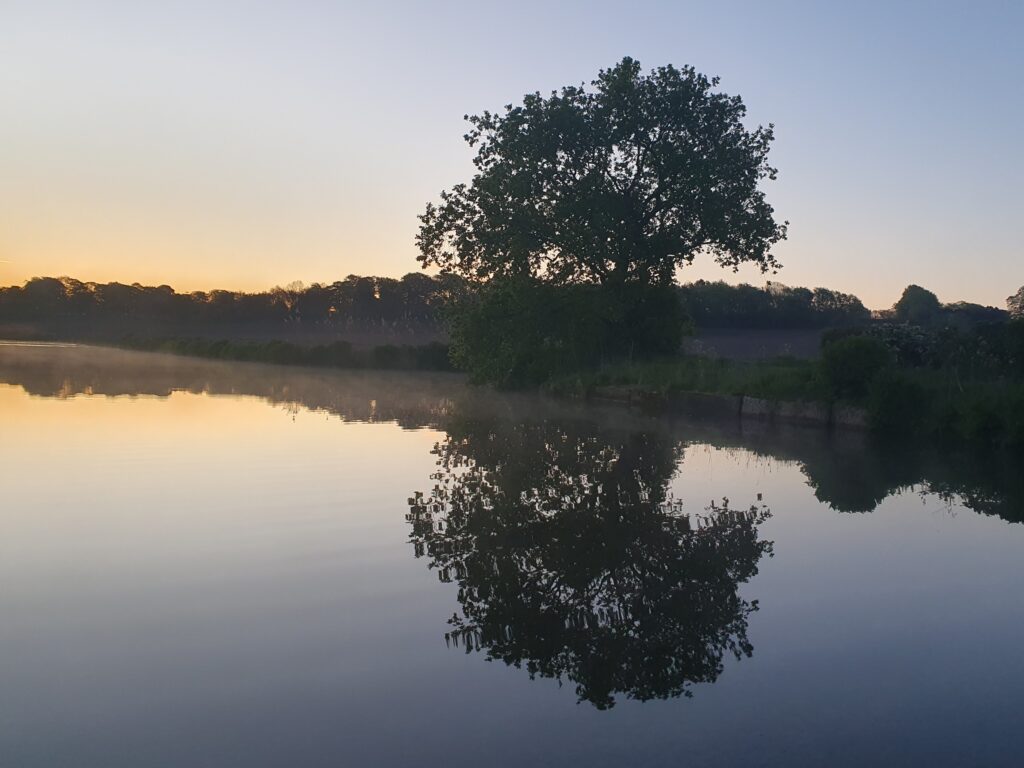
Although I wont deny I wasn’t relieved to see a clear sunrise
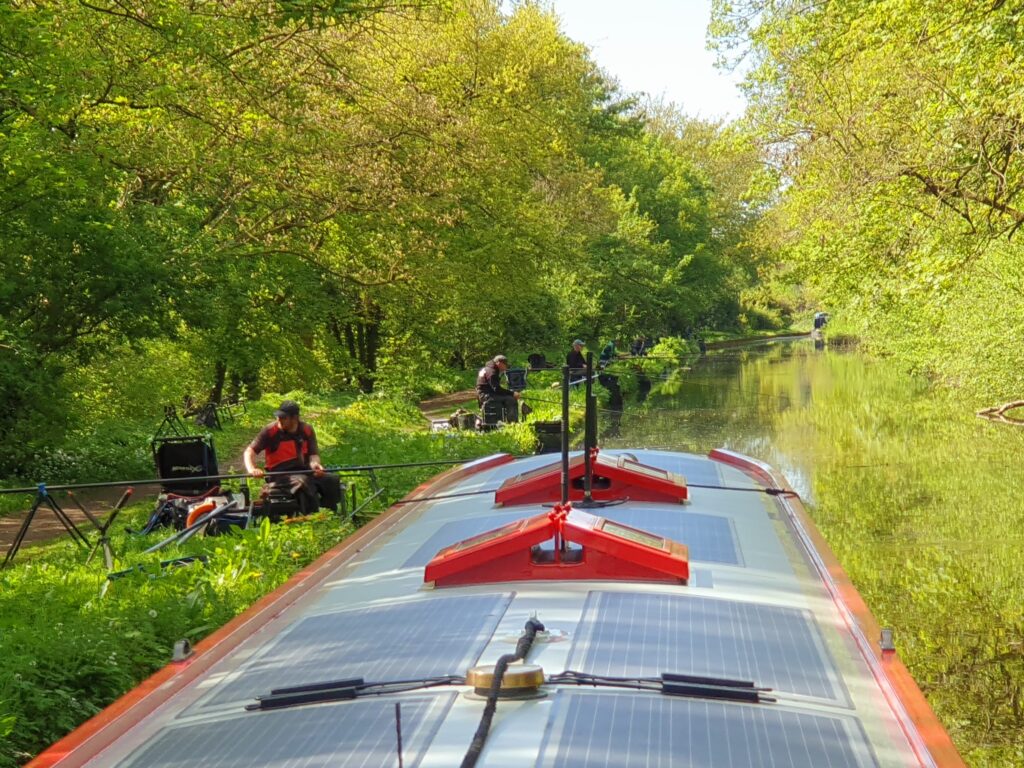
We ran the gauntlet of a fishing competition. Sorry guys
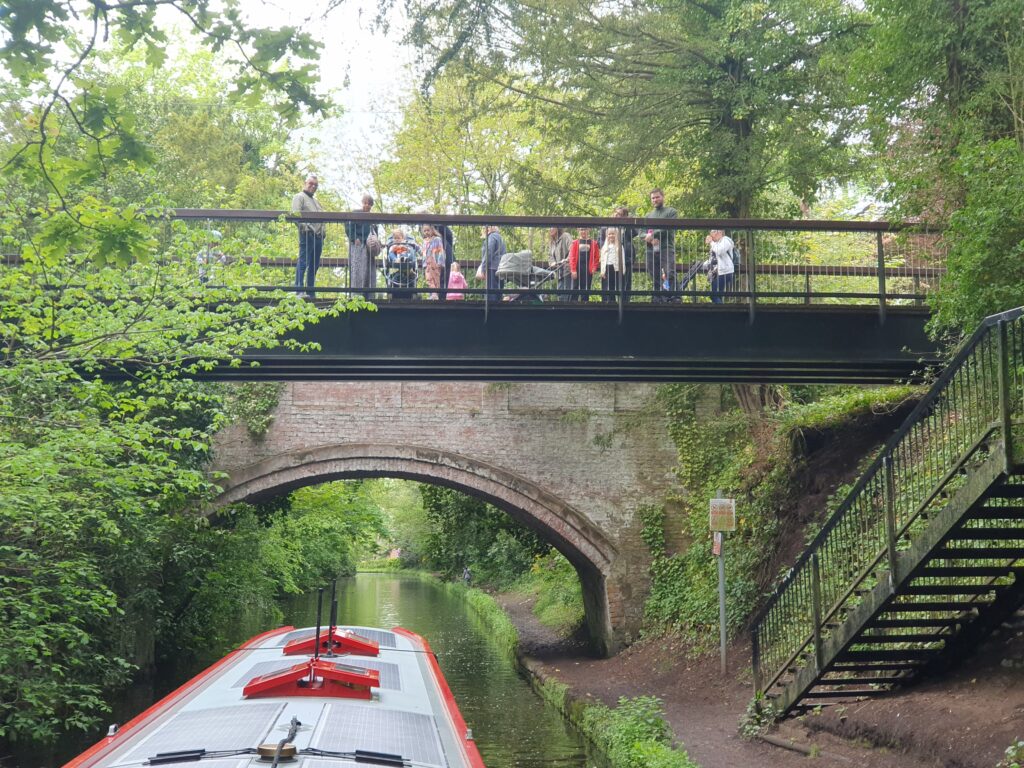
We waved and tooted our horn for the kiddies crossing the bridge
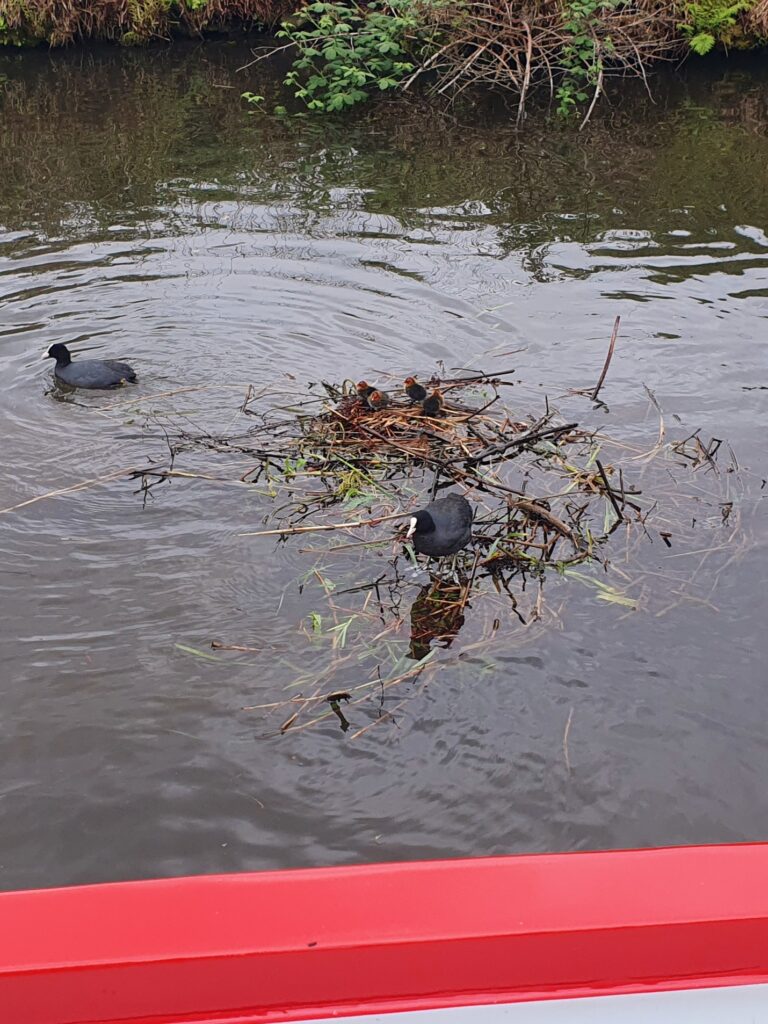
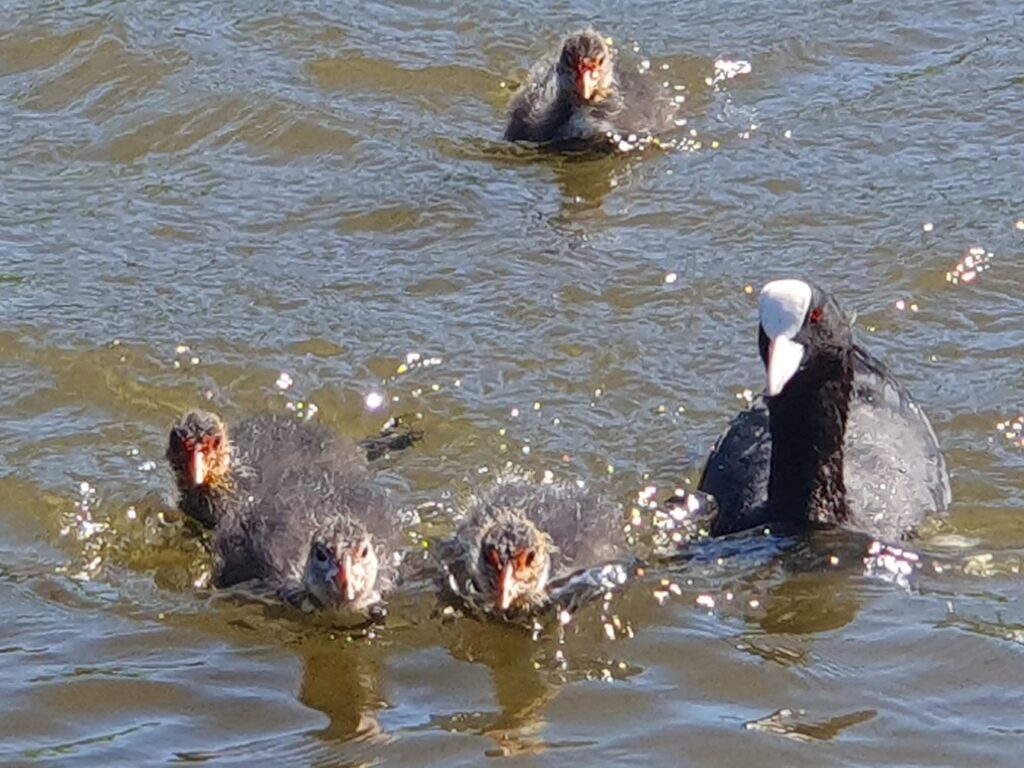
And we discovered narrowboats arent the only floating home, although im not sure a floating nest is the safest abode for your chicks
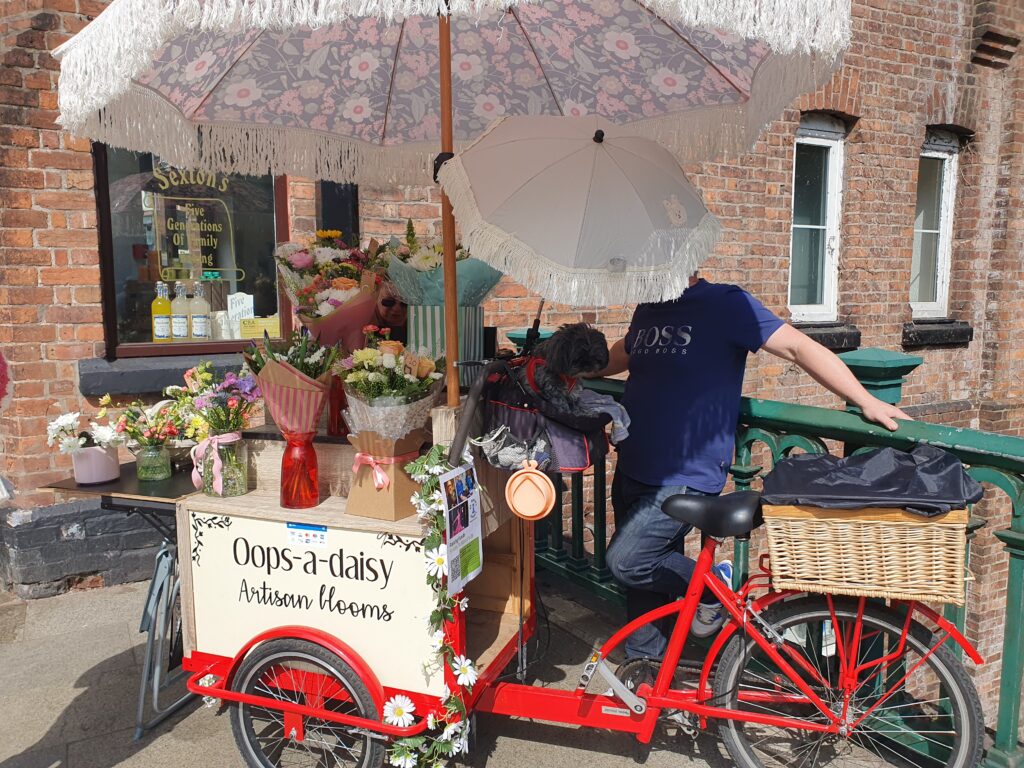
And when it comes to transporting your animals and your business, this mobile florist had set up her stall in Lymm, her pet pooch even had its own sunshade
Lymm ticks all the boxes for us to declare it a holiday destination
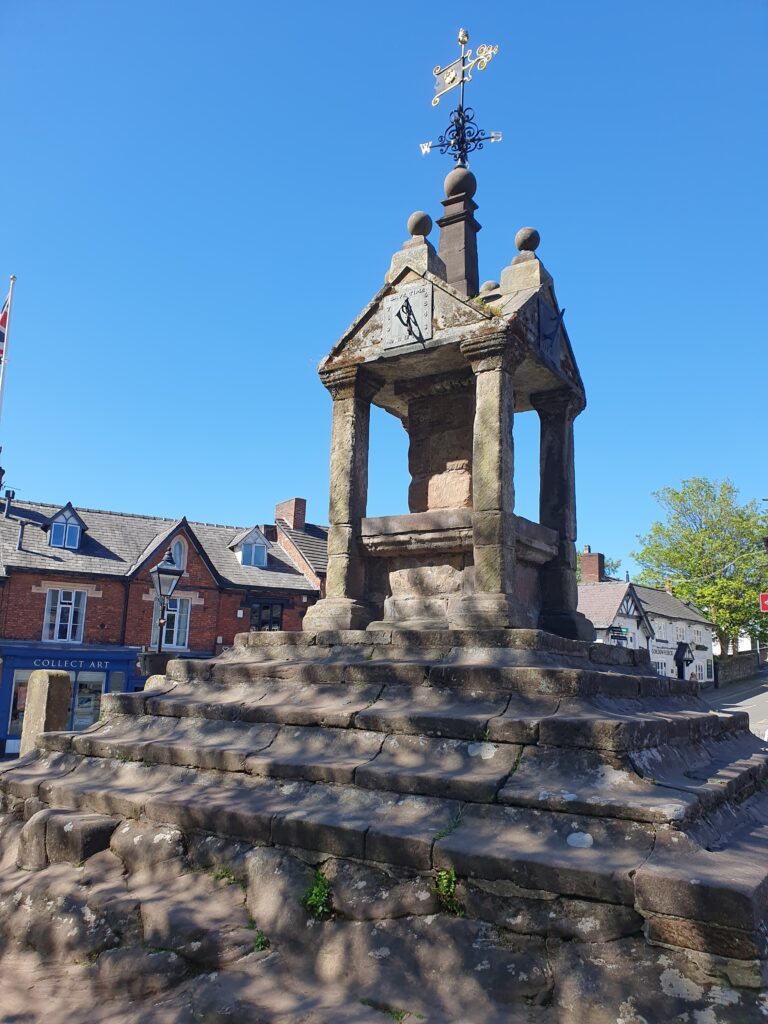
Centred around the 17th century stone cross, the village itself was a hive of activity. Originally agriculture was the predominant occupation, but a Slitting Mill also produced iron nails for the wider community. The arrival of the canal in the 1750’s again increased the prosperity of the growing town. And during the industrial revolution trade became focused on cloth, with the production of fustian, a fabric similar to corduroy. I’ve written about Lymm in several previous posts if you want to know more.
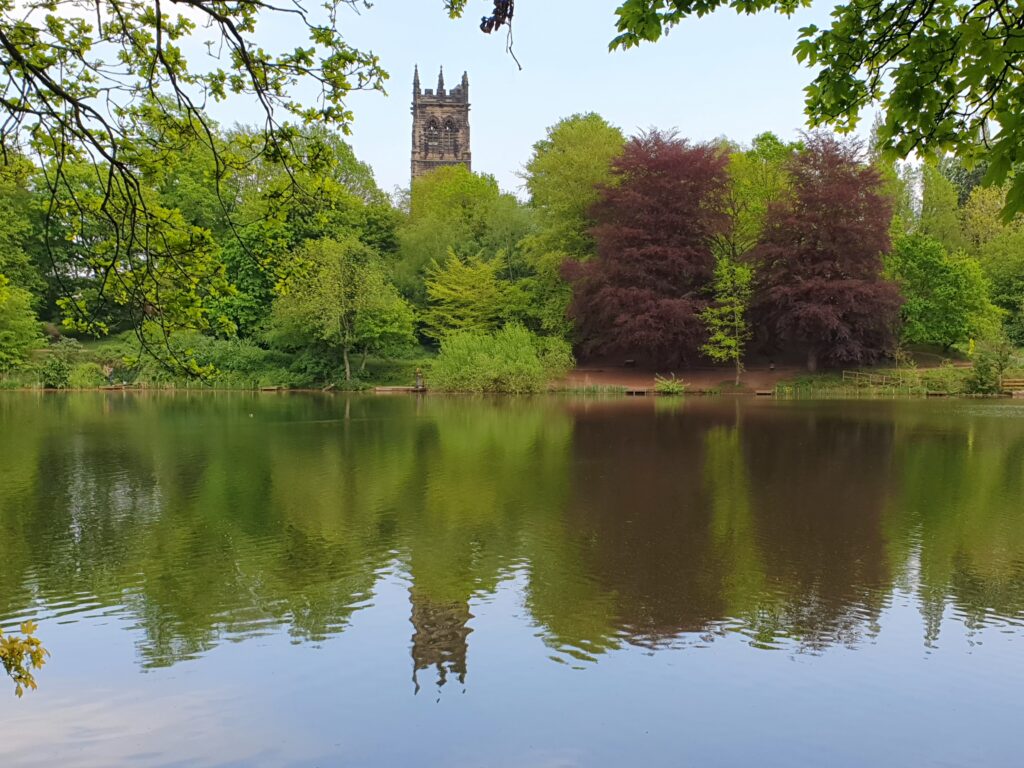
But like us the Victorians recognised its charms and escaped here to stroll through the leafy woodland around the dam
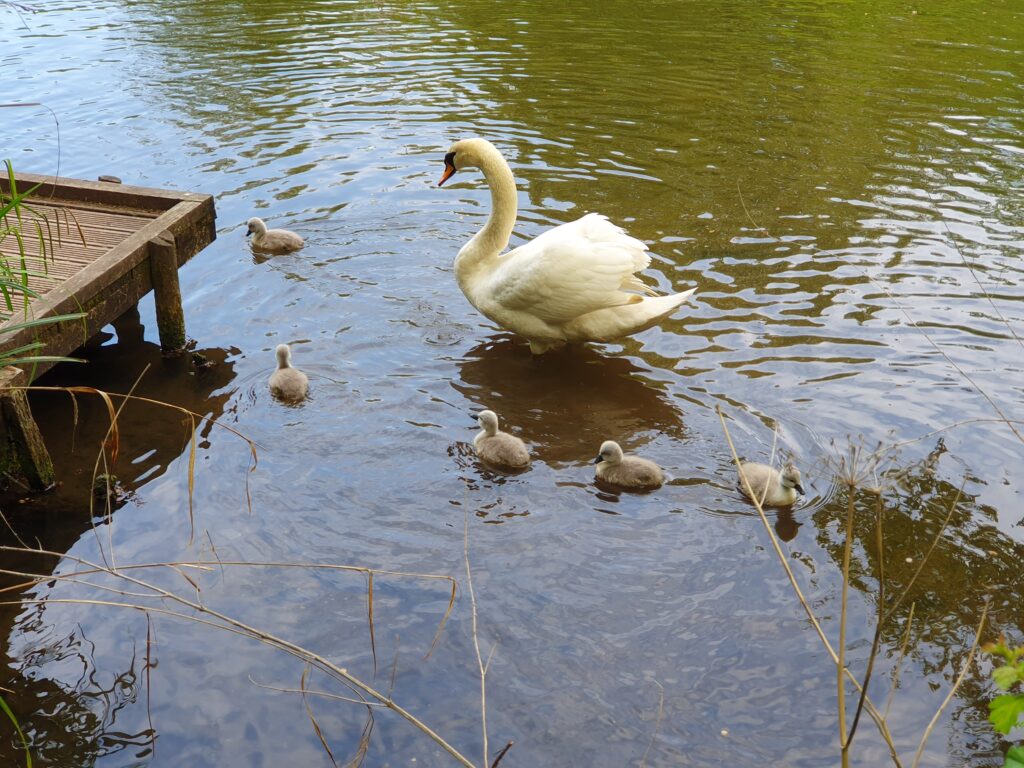
While we were walking around Lymm dam, we saw our first cygnets of the year.
And coots on the canal
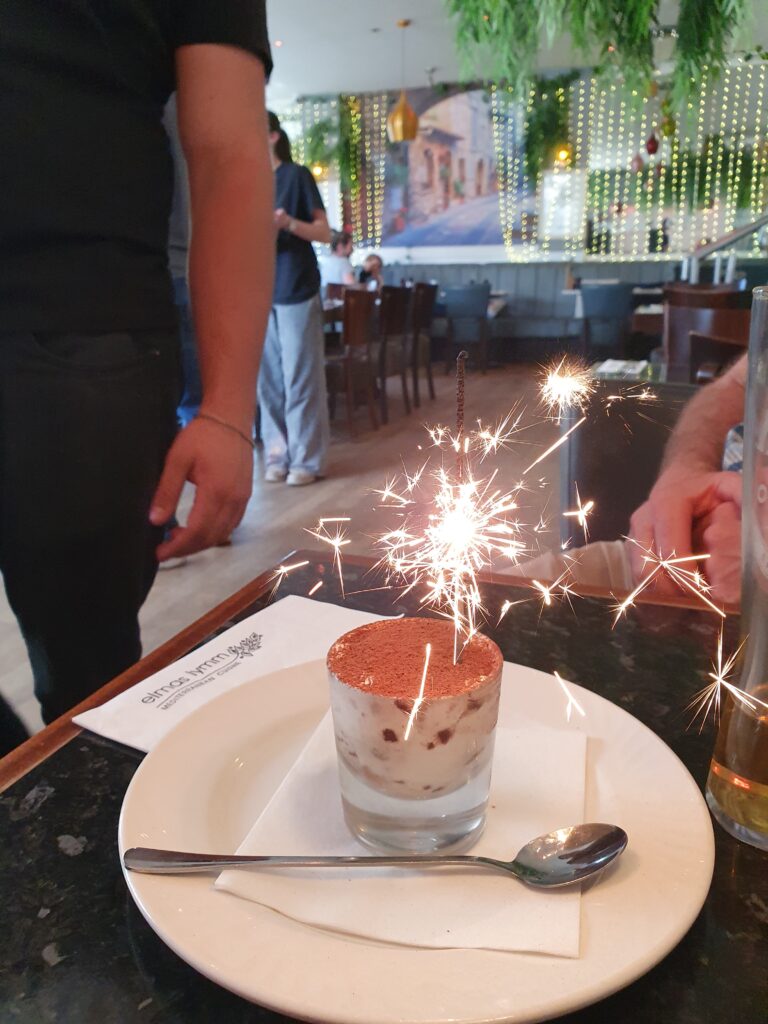
And of course as we were in holiday mood, we got to dine out. Someone was celebrating her birthday and the waiter got to hear about it, so my dessert arrived in style. There are several nice restaurants in Lymm, this time we chose Elmas, who make the nicest Tiramisu I’ve had in a while
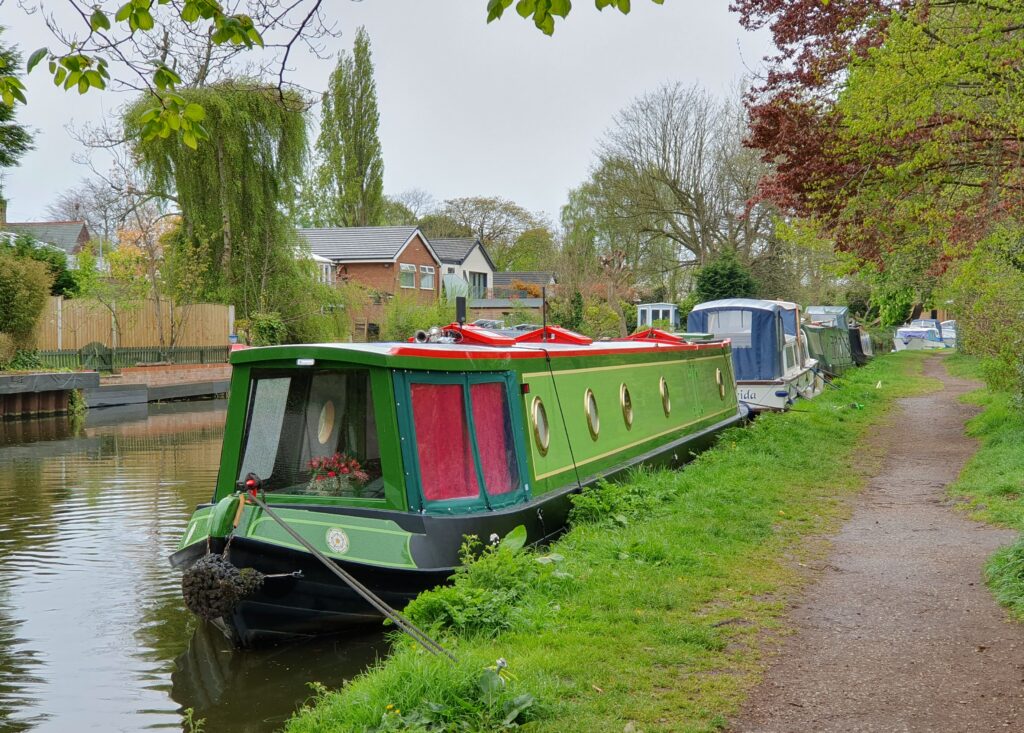
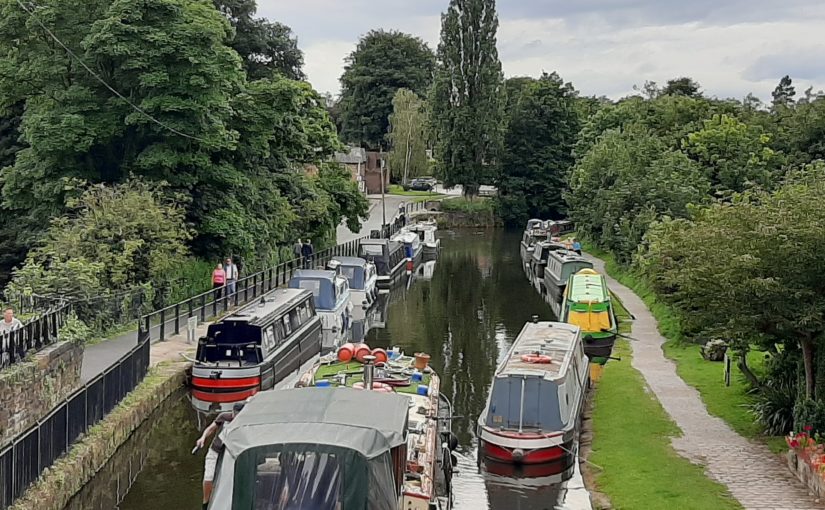
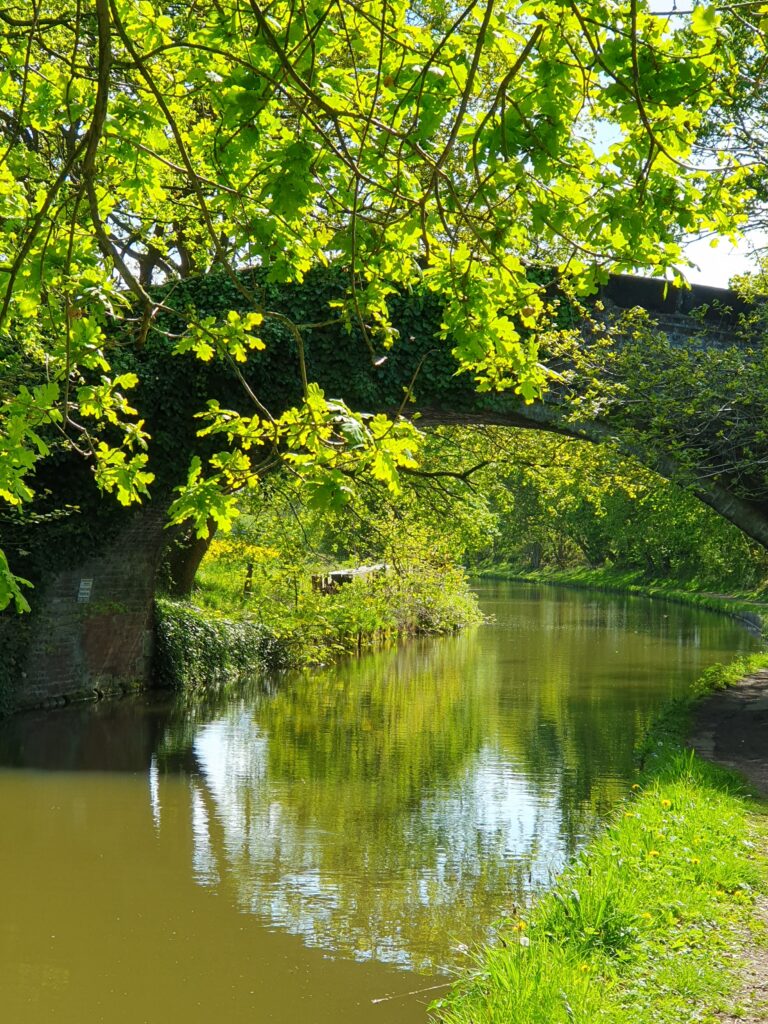
But alas, we had to get back to the Paintshed so we couldnt linger longer at Lymm, back through more lovely leafy bridges
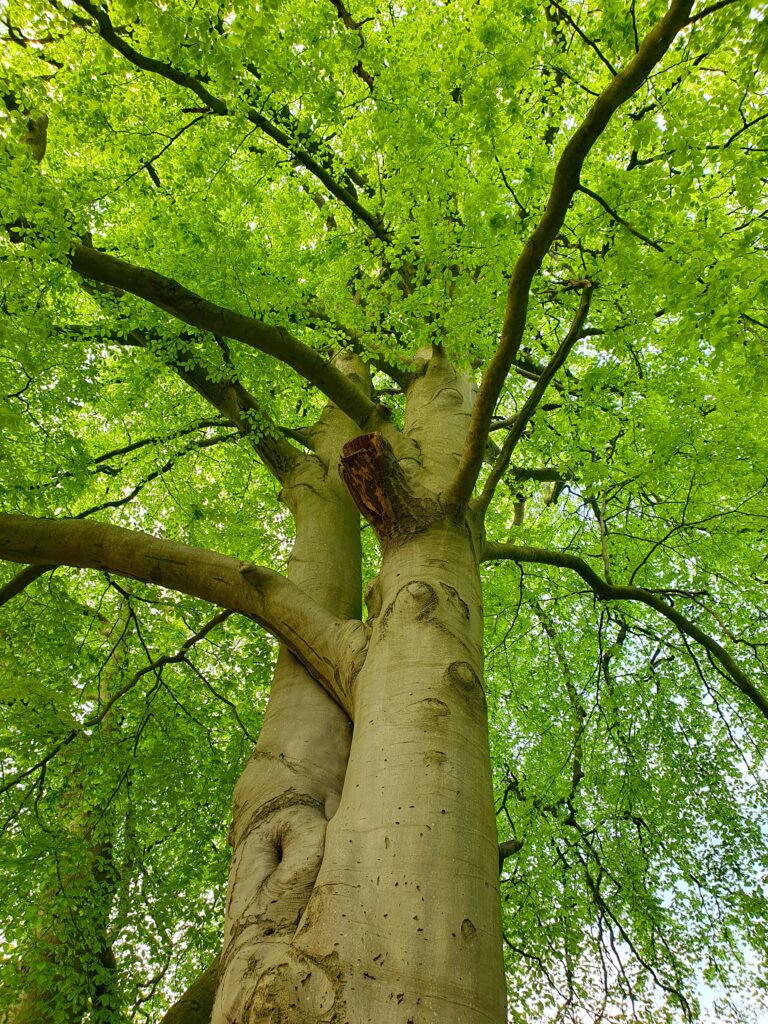
Under magnificent trees,
And past curious cows
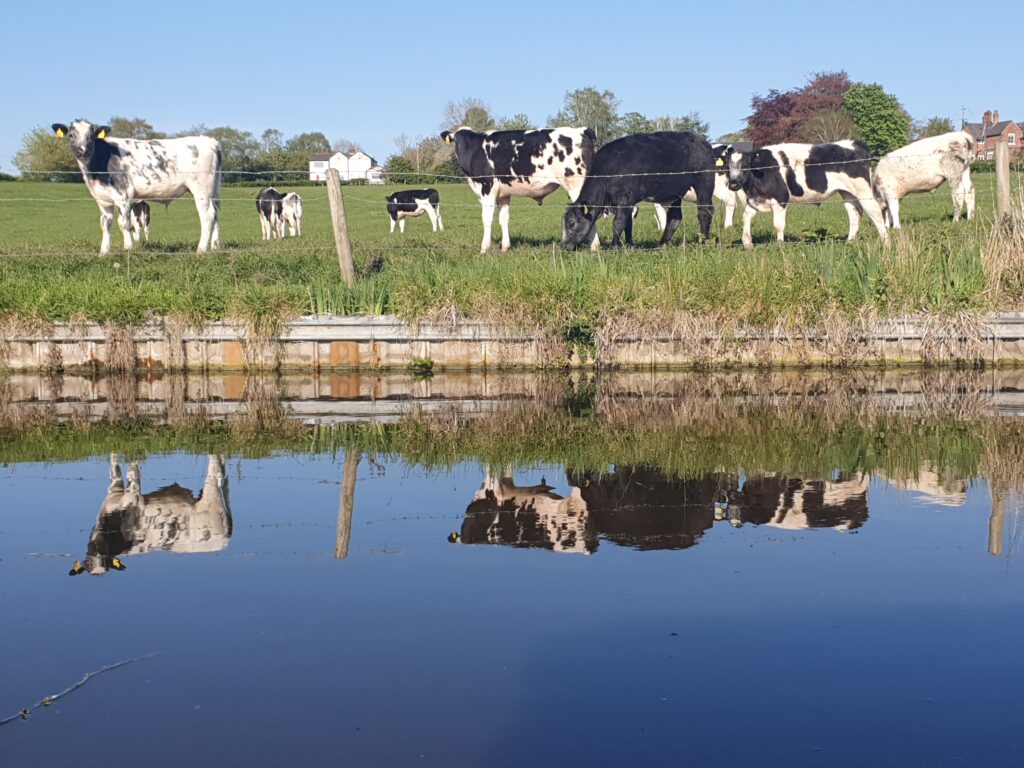
back for one last mooring on this particularly pretty stretch of the Trent and Mersey Canal, before we get our necessary jobs done.

This week’s cruising has been a real pleasure.
A few days on the Bridgewater

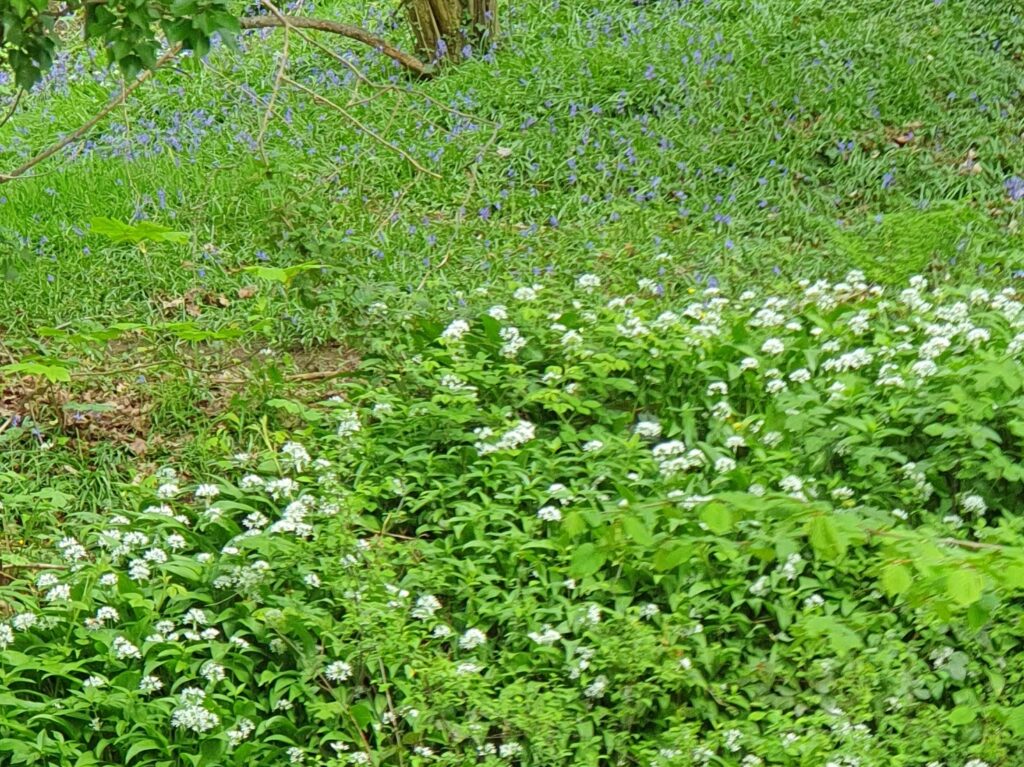
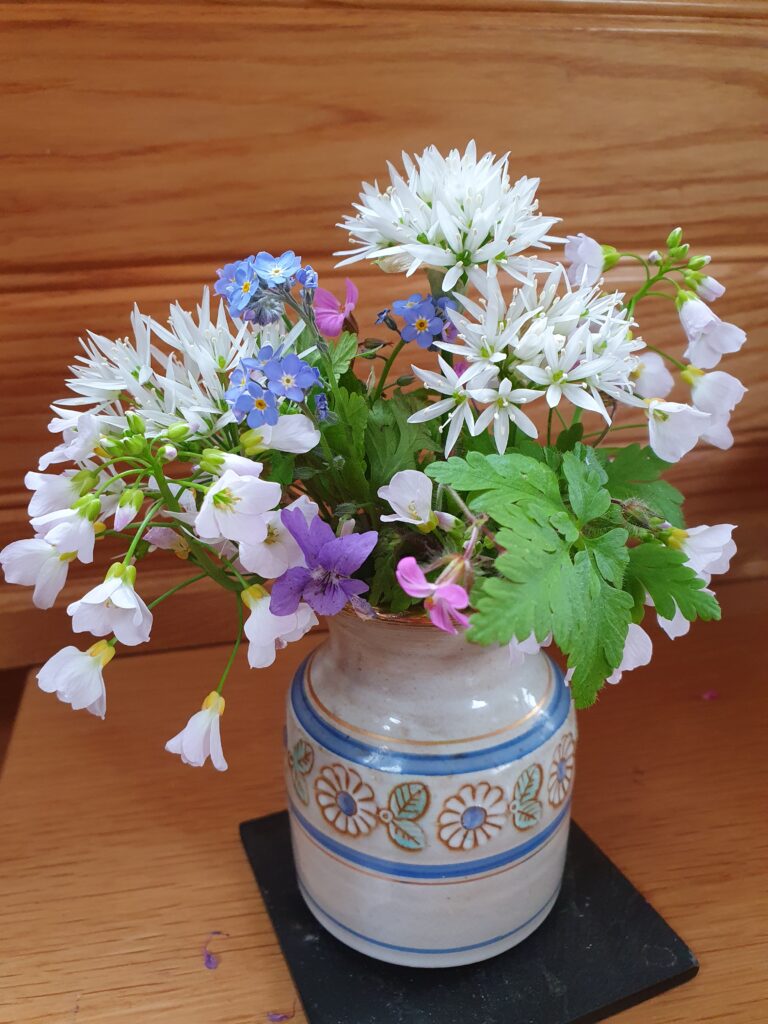
We’ve still got a fair bit of sorting out to do on board Firecrest after the repaint, so we decided to take a short lock free cruise onto the Bridgewater canal whilst we got on with the chores. (Except for the stop lock) We’d be able to do 12 of the 39 miles before we had to wind due to the breach. While we waited for the time slot that allowed us through the Preston Brook tunnel, I couldn’t resist the opportunity to pick a bunch of wild garlic that’s growing in abundance in the woodland along side the brooks right now. The leaves make a tasty addition to most savoury dishes, but the flowers look great too.

I love a little vase of wild flowers, but only ever pick when they are growing in abundance

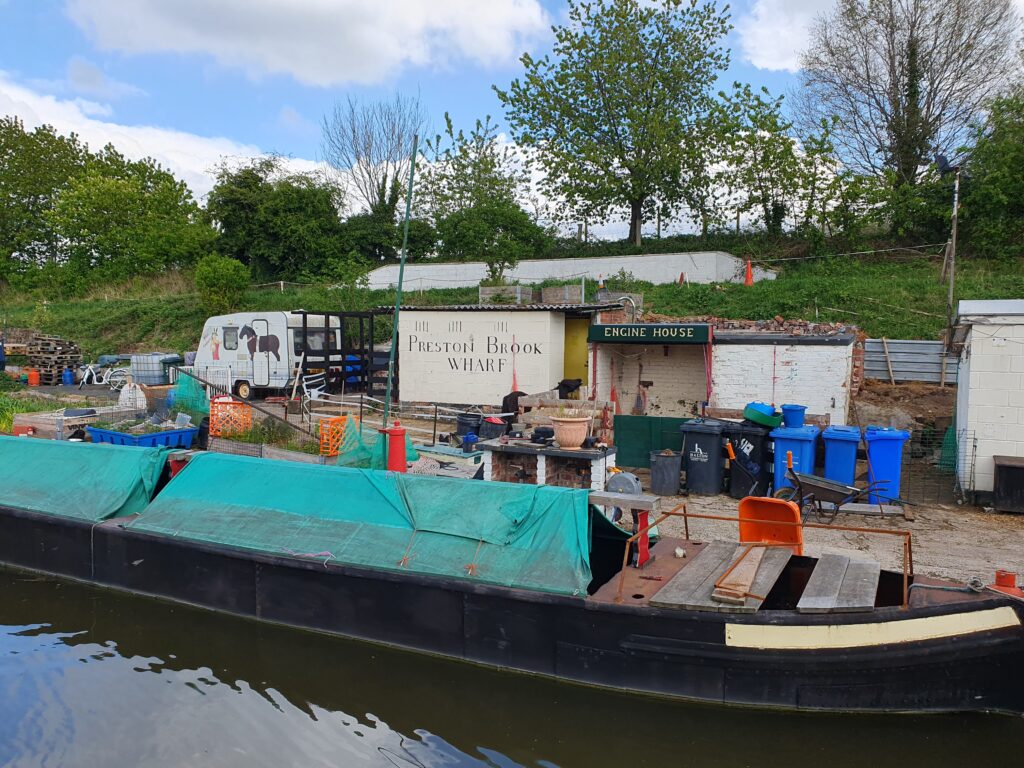
Just after the tunnel is Preston Brook Wharf, where we believe Eric’s great grandfather, Willie Jones, worked as a porter.
We suspect it’s changed quite a bit since his day.

Still a hive of activity it seems

It was a fabulous day for cruising, but we had removed some of the old solar panels before the so feeling a bit frustrated that we couldn’t generate any of our own. But in true bank holiday style the sunshine decided to take a holiday too. We had a night in Stockton Heath pottering.

A very convenient mooring, with an easy stroll into the town centre

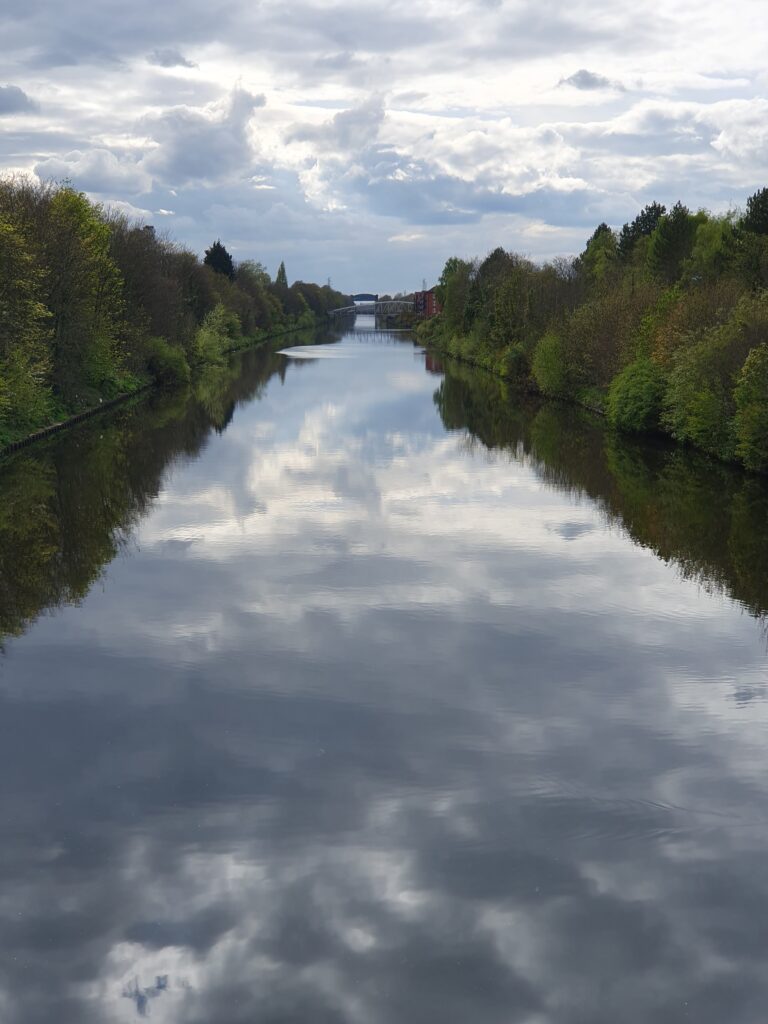
Eric’s mum worked here as a switch board operator during the war years. She had to walk over the swing bridge that spans the Manchester Ship Canal, if she got her timing wrong and it was open, it meant she was late for work. An unforgivable offence in those days- using the bridge as an excuse just didn’t wash. The bridge is still in operation today so we went for a walk over it. But we dwardled to look at the view.

Looking west, you can see more swing bridges over the big canal

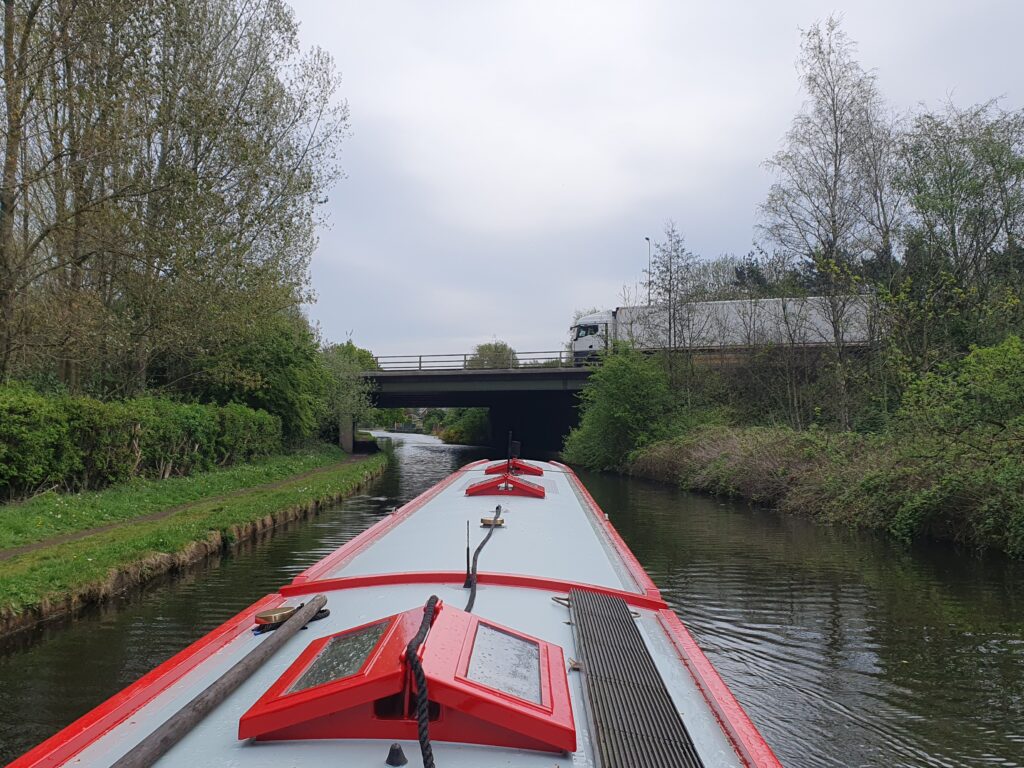
Continuing our journey our nice little canal took us under the M6,

It doesn’t look that impressive from our side, but the noise from the motorway certainly was.

To the honey pot village of Lymm

Think we got the last of the nicest mooring

We treated ourselves to a pint at Lymms microbrewery and sat chatting to an old guy who was a boater and had the misfortune to be moored close to the breach when it happened. Oh boy did it sound scary. Again so lucky it happened overnight, and no one was cruising. He told us we wouldn’t be able to get close enough to see the breach now as it was all cordoned off. Amazingly he was also on the canal when the previous breach happened 50 years ago, in almost exactly the same spot. Then he remembers how all the local boaters became part of the volunteer team that helped provide the manpower to fix it. He was given a commemorative brass plaque to mark the event. This time Peel holdings (who own the Bridgewater) will be managing to repairs, and in their latest statement, they are estimating the canal will reopen for navigation in December 2026

https://bridgewatercanal.co.uk/latest-news/bridgewater-canal-breach-update-april-2025

Bluebells and garlic

Lovely Lymm

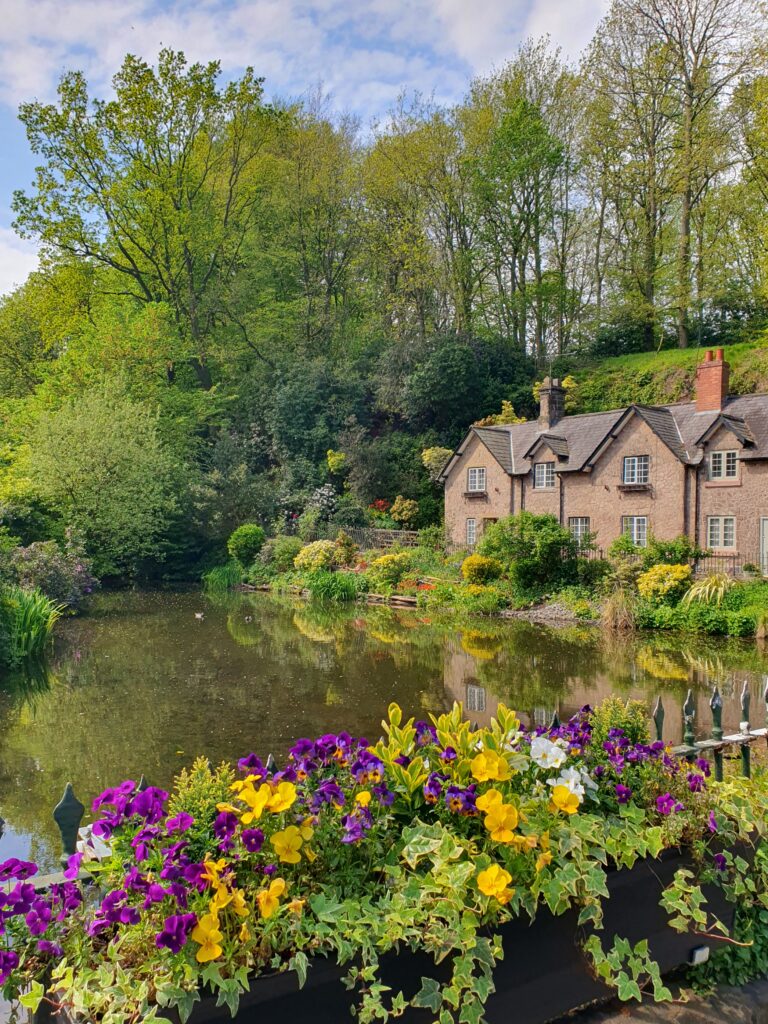
We had been told that the Bridgewater was a pretty canal, but nothing quite prepared us for lovely Lymm. It seems to be a thing on this canal that you turn a corner or go under a bridge and wham a stunning house on the bank. Lymm didn’t disappoint.

A very des res

It’s a chocolate box village and I hate to think how busy it would be in the “old normal”. We’d picked up Eric’s cousin Jane and her husband Kevin who live in this area for a short cruise and they acted as our tour guides.

Jane, Eric and Kevin

Lymm’s history is fascinating, yet small enough for the local heritage centre to be well worth a visit.
The central gathering point is a mediaeval cross built on a sandstone mound. It’s very similar to the red sandstone used to build Liverpool cathedral. Although I don’t recall seeing stocks outside the cathedral.

Lymm cross


Lymm was here long before the canal, it’s mentioned in the doomsday book. The turnpike road from Warrington to Stockport passed this way, but the industrial revolution and the canal brought many changes to this mainly agricultural community.

Not sure the working canal was quite this tranquil

In the early 1800s the women had a cottage industry as Fustian cutters. For those of you, like me, Fustian is a thick woven cotton/linen cloth that has a cut pile. Generally used for coarse working garments but also includes fine fabrics such as silk velvet. The woven fabric is brought from the mill to the cutters, it is dressed with a stiffener to enable the cutters to work their magic. It’s laid onto a long table where the cutters use special rods and knives to delicately cut the fibres.
The rise of the cotton mill industry demanded a huge workforce and many relocated to the towns to secure a steady, if meagre income, however Lymm being slightly further afield but on the canal route was able to transport cloth to and from Manchester and the cottage industry became the mainstay of Lymms victorian economy. Three story terrace cottages were built where the entire top floor was one long cutting room. Whole families worked as cutters including the men not just the women. The children were given laudanum and alcohol, sold for teething, to keep them passive until the were old enough to learn the trade, around 8 years old. Despite the work being intricate yet very poorly paid many of these families knew of nothing else, it was simply their way of life and was accepted.
However Lymm has other claims to fame, the Fustian industry had largely died out by the early 20th century as the process became mechanicalised. Wright’s of Lymm Ltd became a prominent employer making gold leaf until the 1980s. Wright’s gold leaf is what was used to decorate the gates to Buckingham palace. Not all of Lymm’s trade sparkled so. £30000 a year was made transporting nightsoil to be used as agricultural fertiliser.

Getting rid of rubbish must be one of Lymm’s current day assets as well. If you recall that big black binliner full of cardboard from our solar panel installation that had been sitting in the shower for the past week. Lymm has a dedicated boaters recycling bin. Oh the things that make me happy.

A welcome sight

We enjoyed a whole day in Lymm, Eric went off to visit Kevin’s workshkop. Sponsored by the Methodist church, Kevin runs the Chapel in the Fields project, providing a safe space for creativity and spirituality for the community.


He made us a lovely oak plaque for Firecrest. If we lived locally I’m sure it’s something we would both be actively involved in.

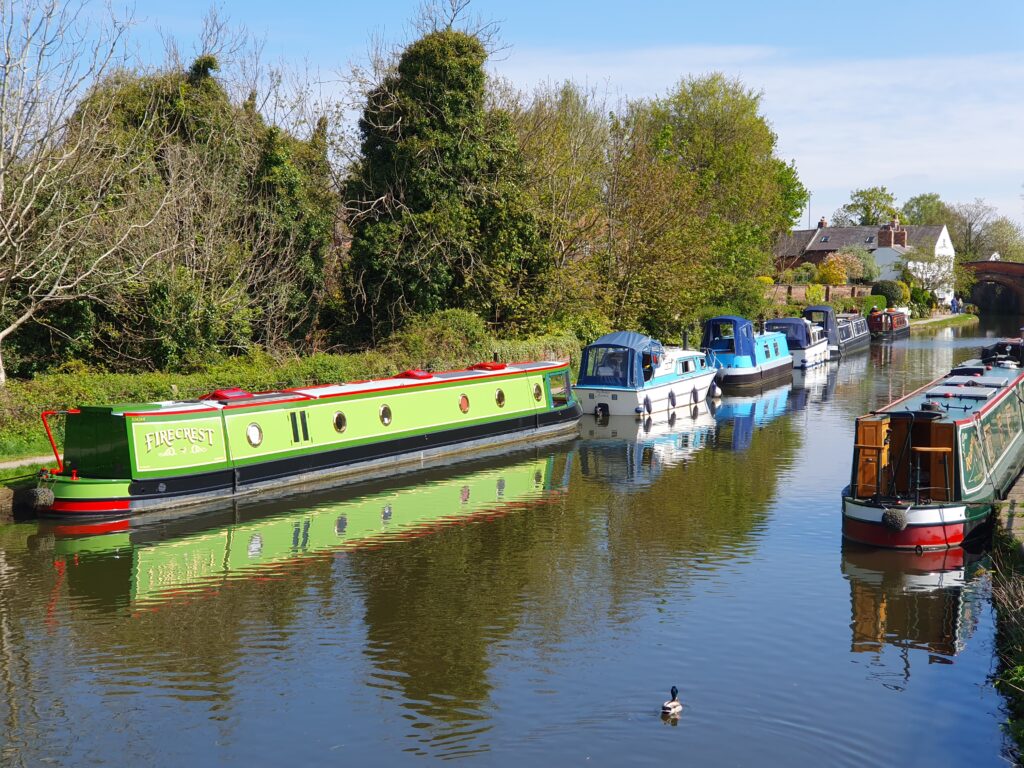
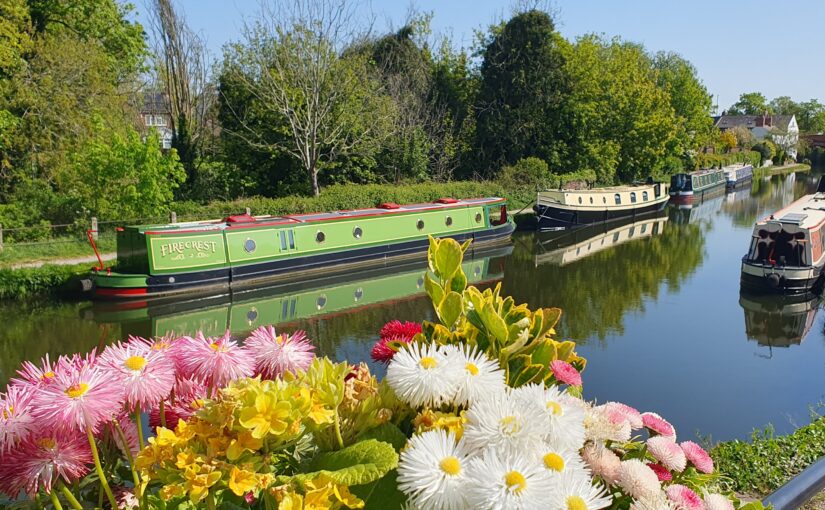
Firecrest

While Eric was being treated to the sights and smells of a woodworkshop I went off for a walk through the woods around Lymm Dam.

Lymm Dam, a pleasant 1.5 mile walk.

Since writing this post, we’ve discovered some more family history. Eric’s great grandfather, Thomas was born in Lymm, he was a labourer and moved to Warrington. Eric’s second great grandfather was Jabez Plinston(1826-1898), both he and his first wife were Fustian cutters. They were married in 1845, and had 2 children, sadly both died before their first birthday. Maria also died aged 26, Jabez remaried and a few generations later along came Eric.