Let’s go to Lymm

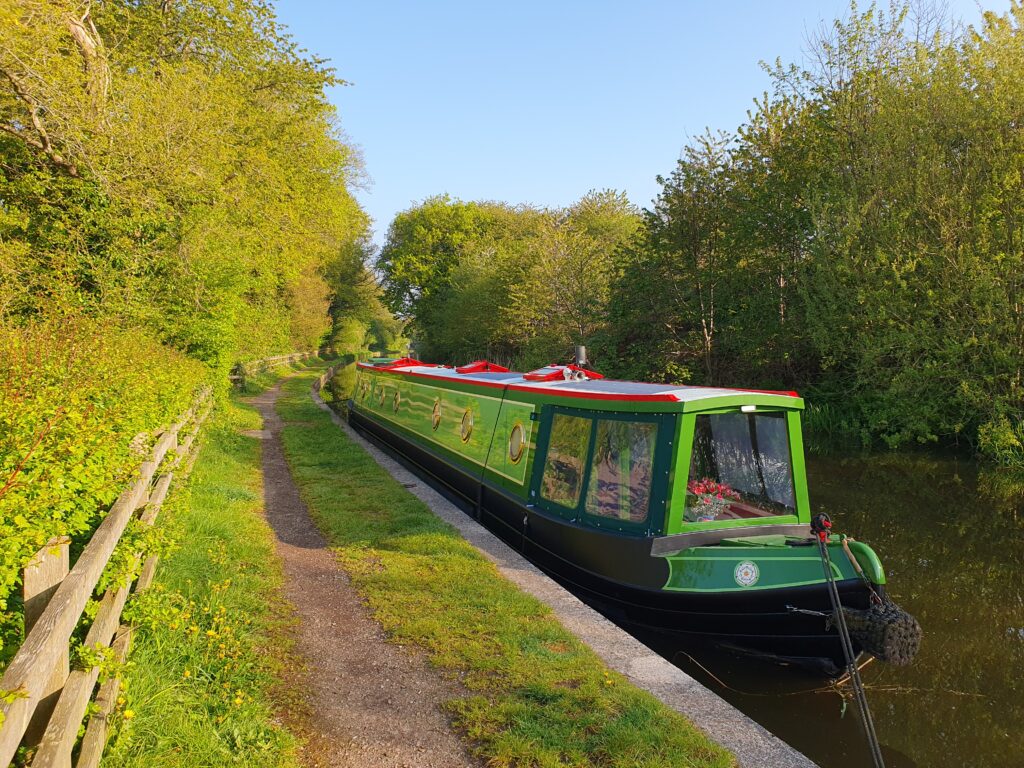
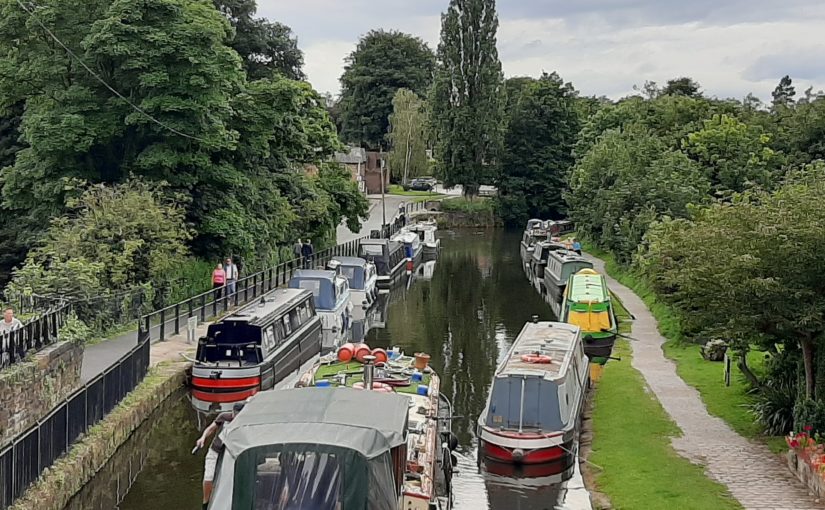
“…Shall we hang around at Anderton or shall we nip up to Lymm for a few days?” Bit of a no brainer really. The canal is relatively quiet, probably due to the Bridgewater Breach blocking navigation so unless you’re happy to wind and retrace your steps, what’s the point of travelling this way…. because in spring it’s alive with new growth and full of potential.
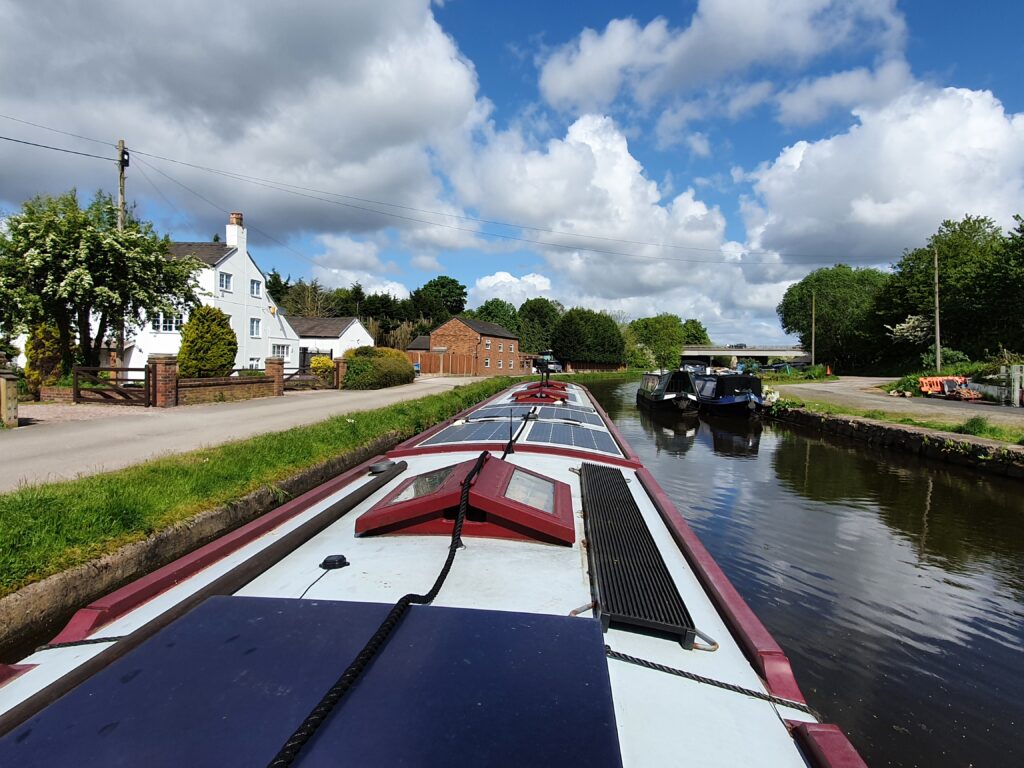
Especially in the sunshine
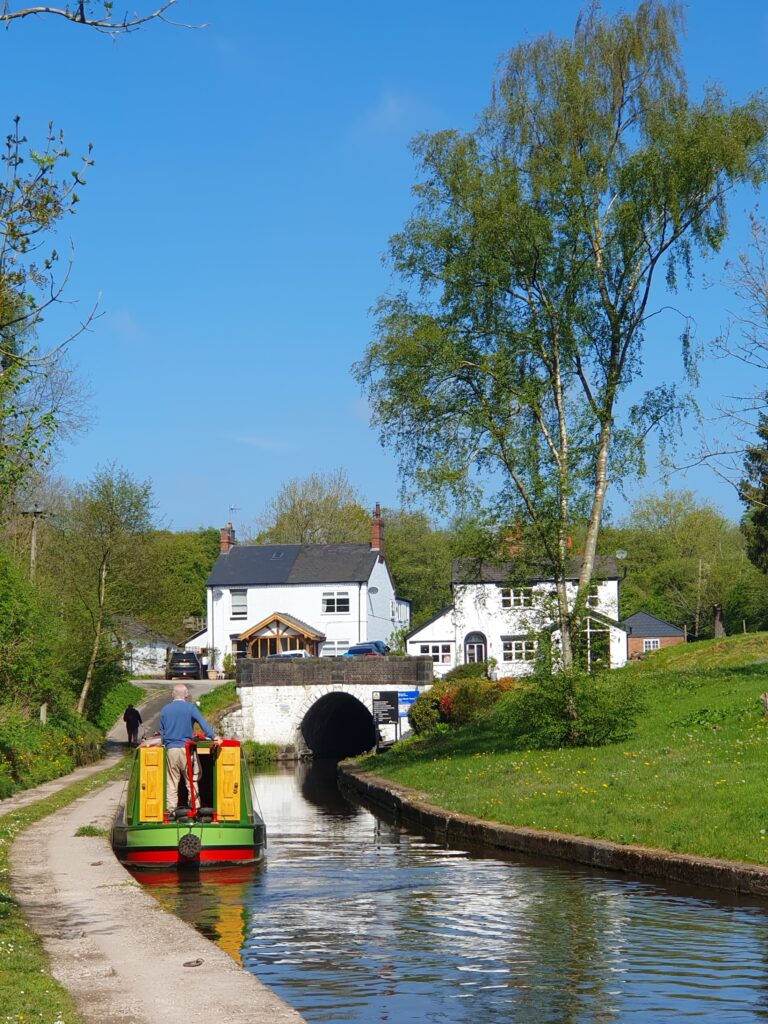
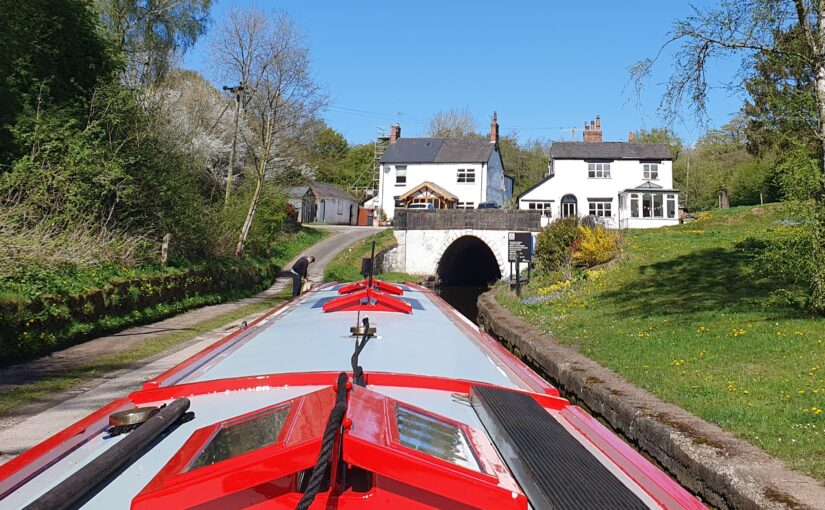
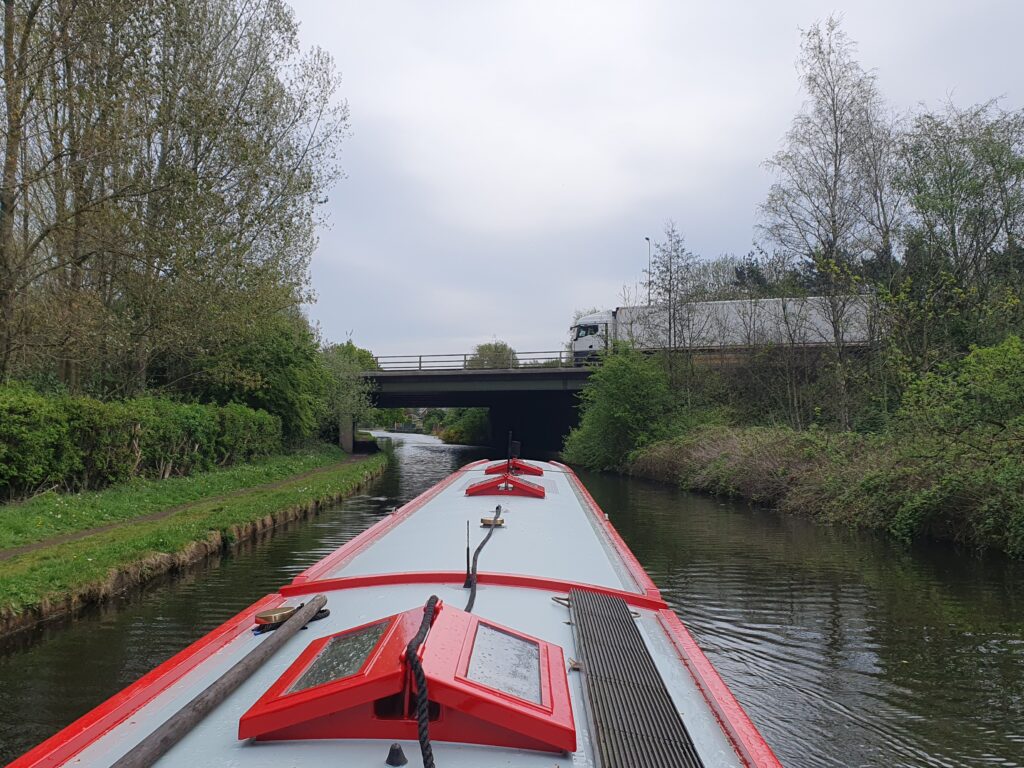
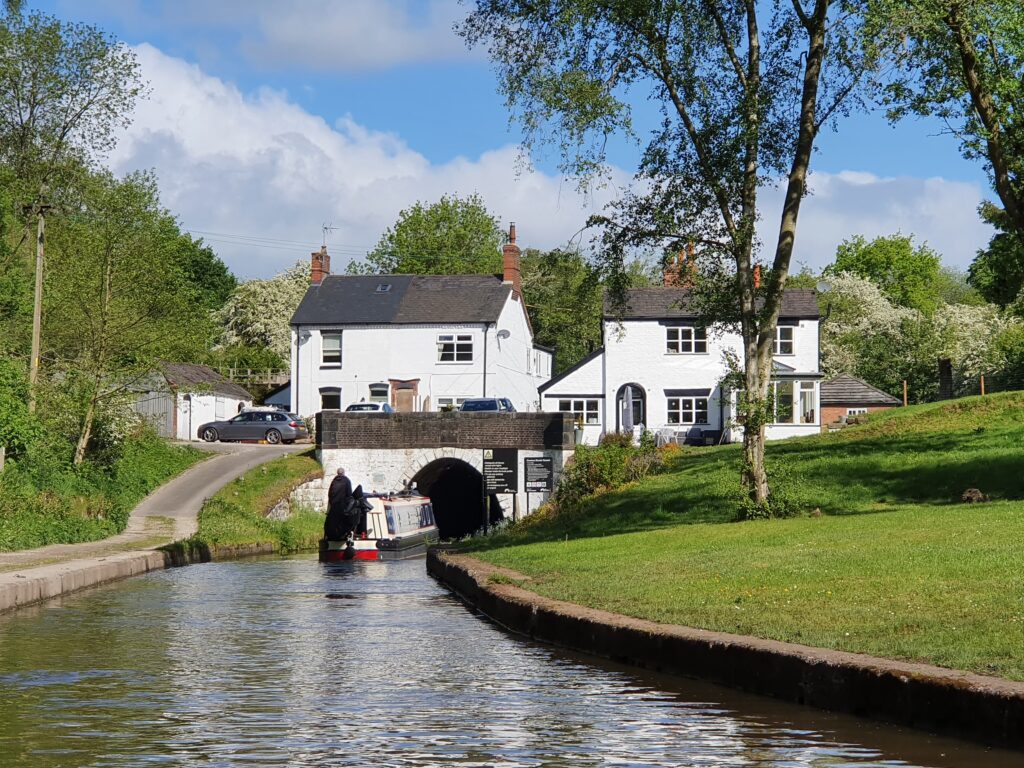
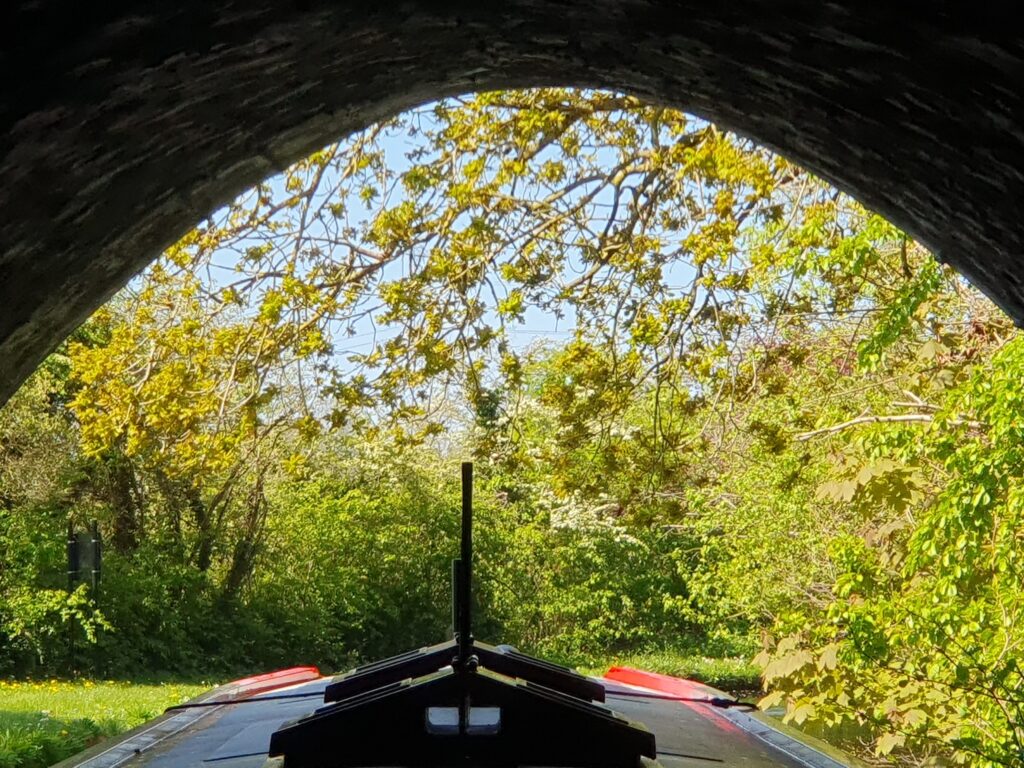
Entering Preston Brook tunnel

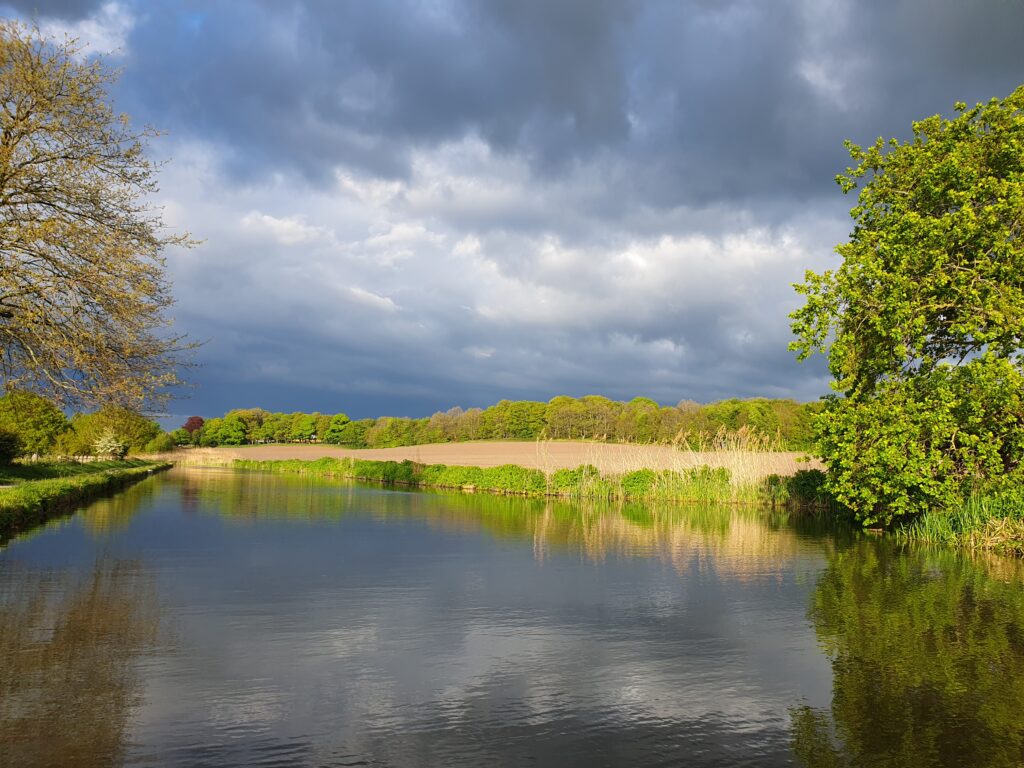
Even the storm clouds lend sense of anticipation
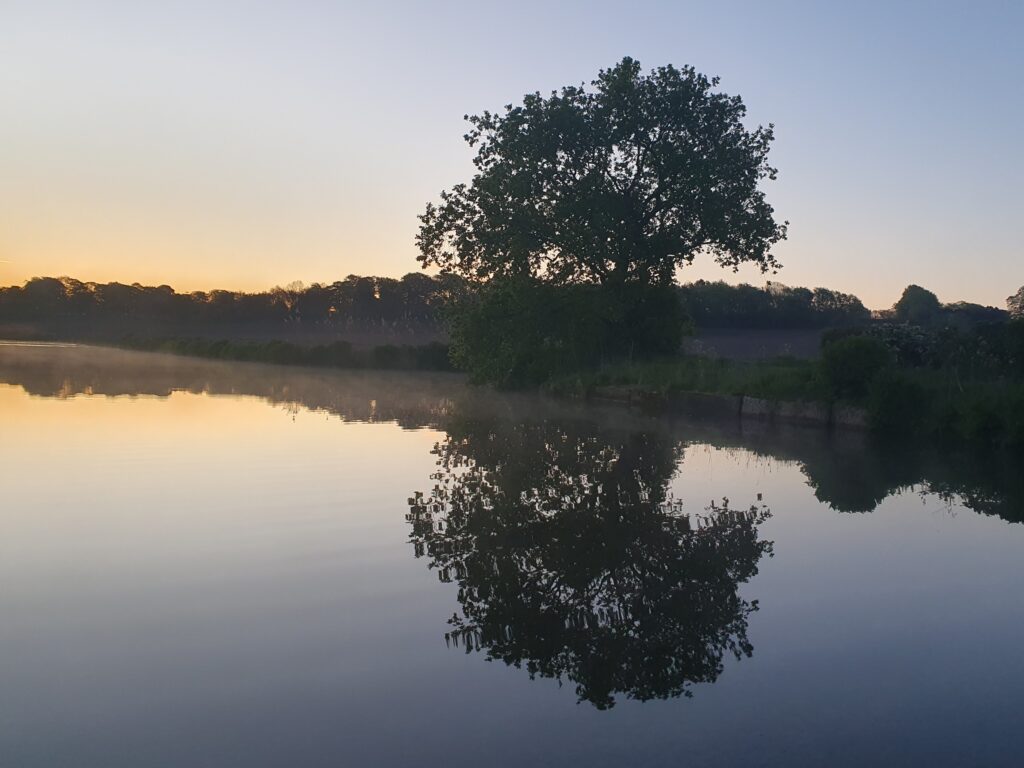
Although I wont deny I wasn’t relieved to see a clear sunrise
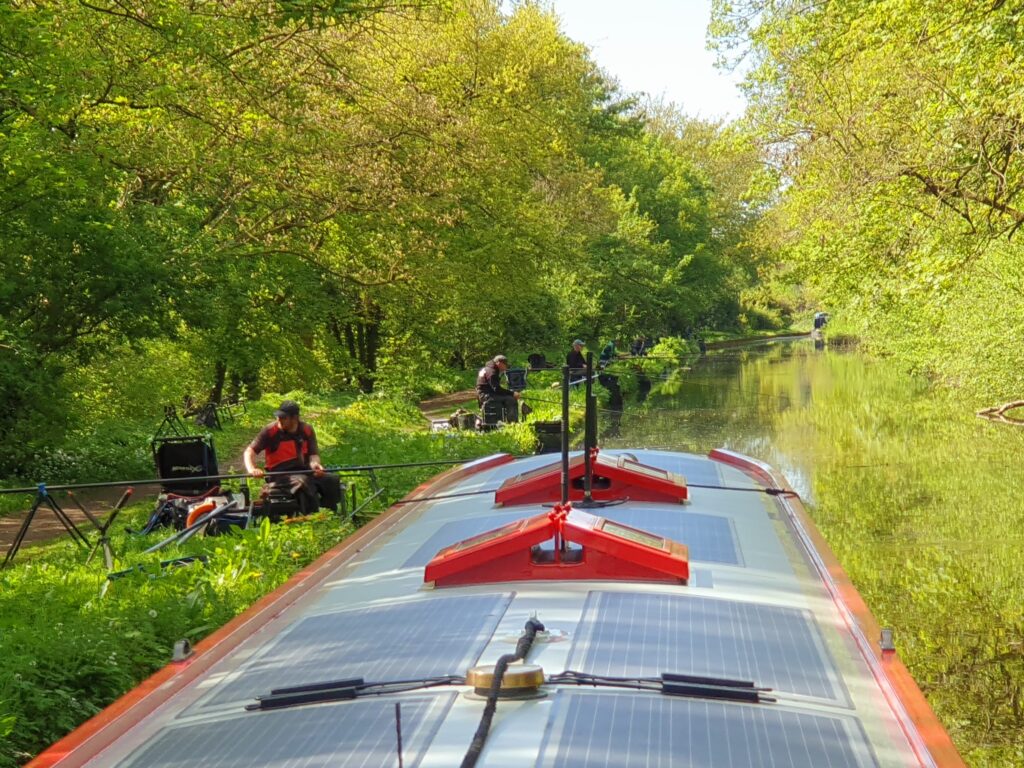
We ran the gauntlet of a fishing competition. Sorry guys
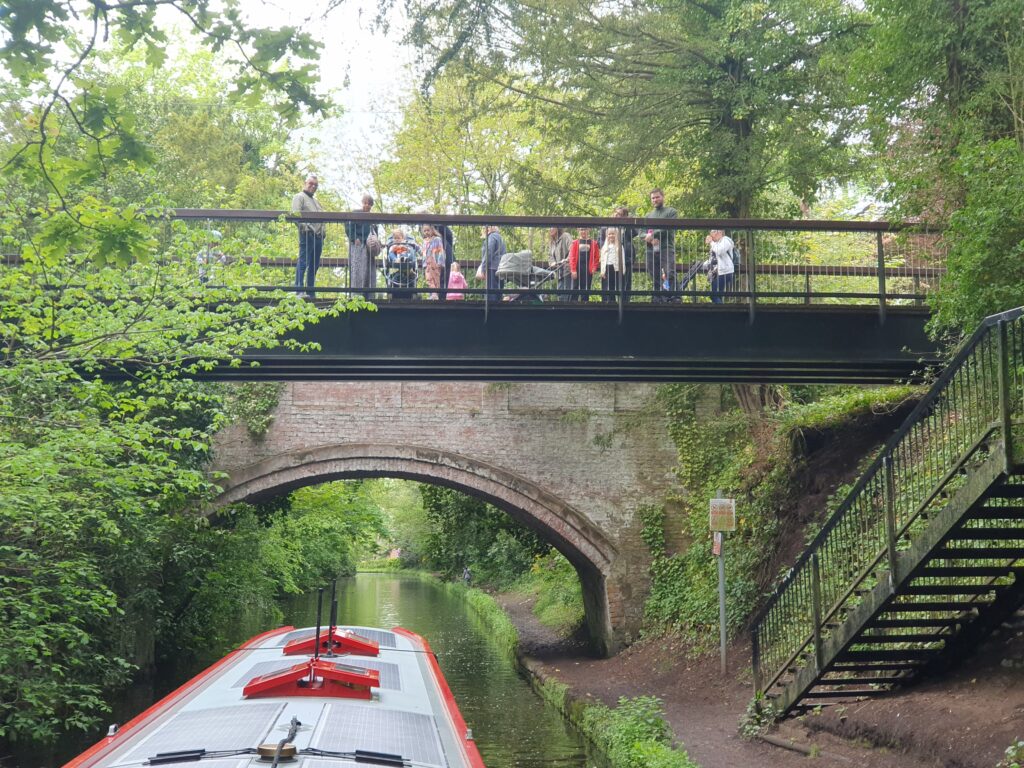
We waved and tooted our horn for the kiddies crossing the bridge
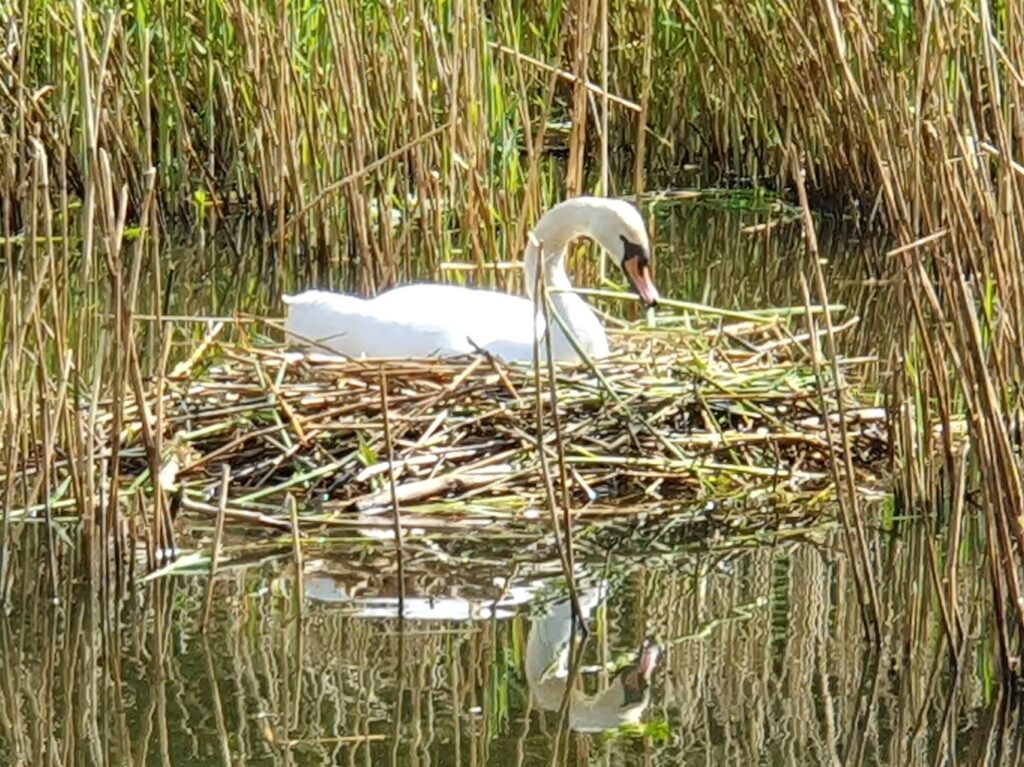
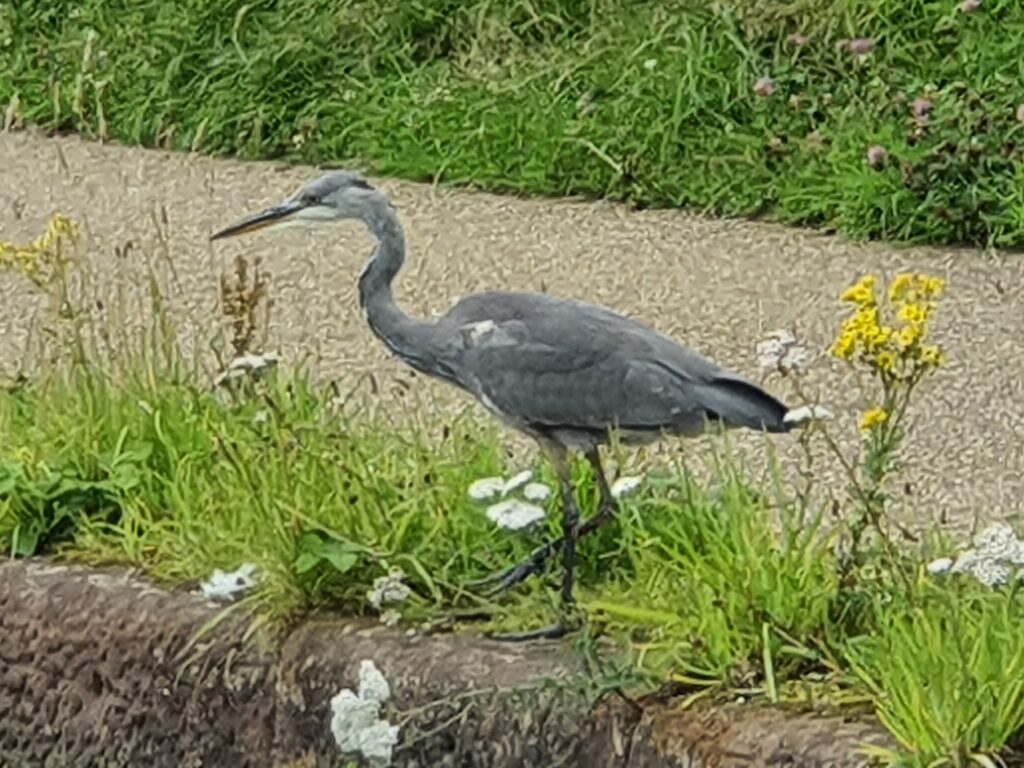
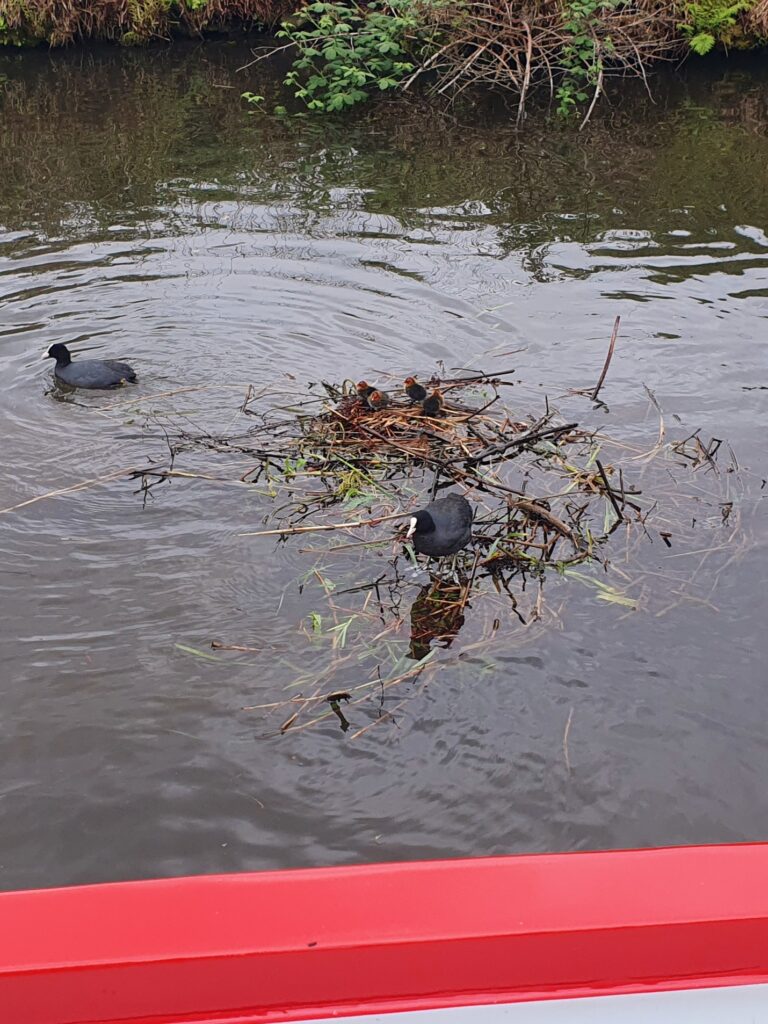
And we discovered narrowboats arent the only floating home, although im not sure a floating nest is the safest abode for your chicks
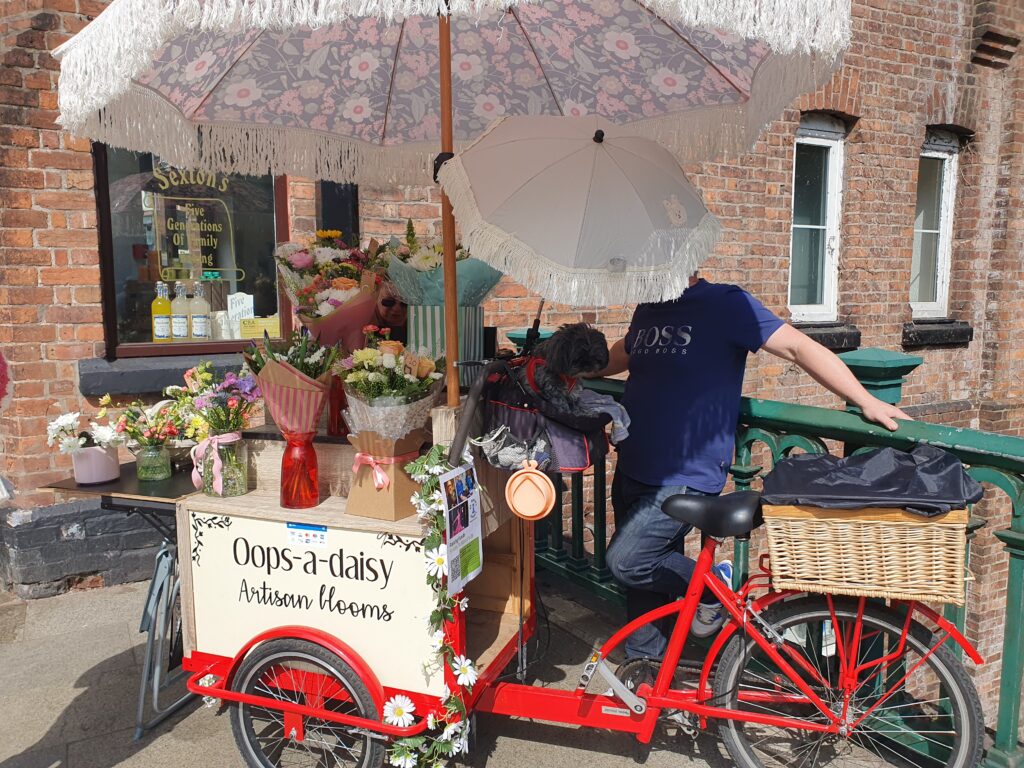
And when it comes to transporting your animals and your business, this mobile florist had set up her stall in Lymm, her pet pooch even had its own sunshade
Lymm ticks all the boxes for us to declare it a holiday destination
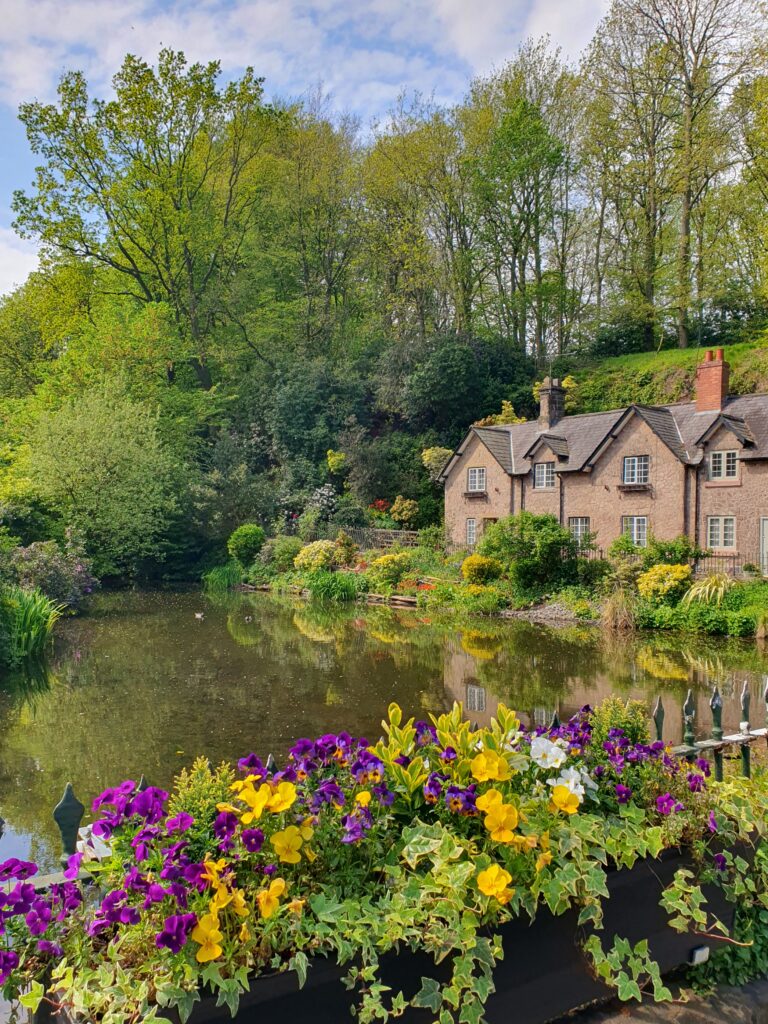
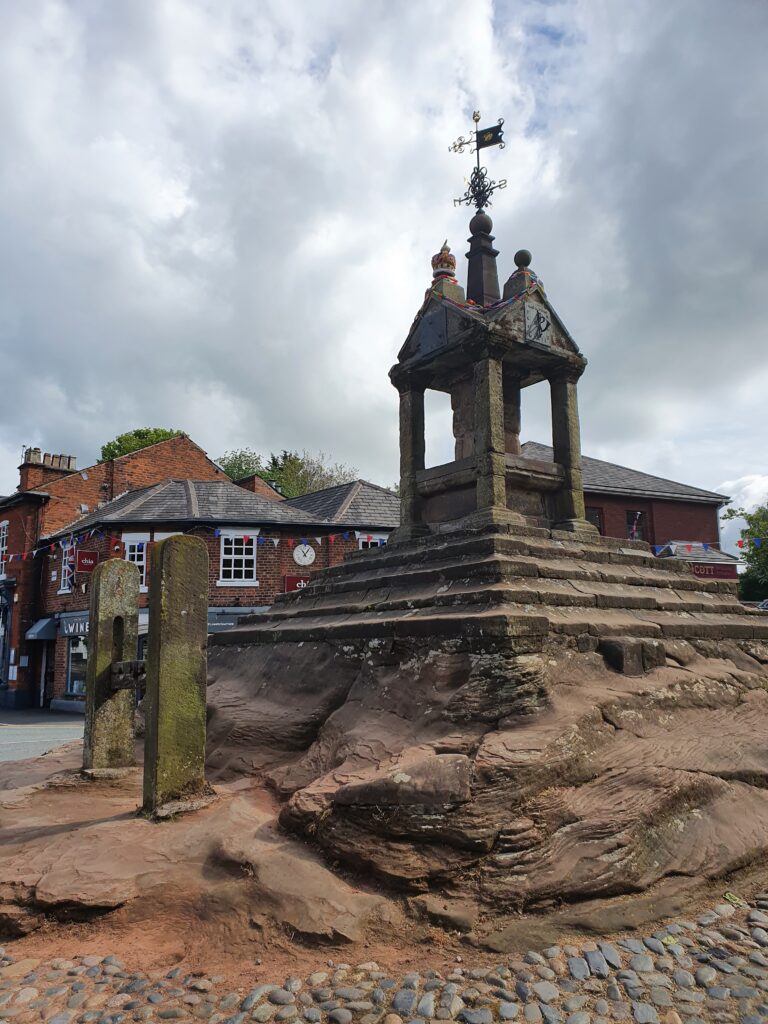
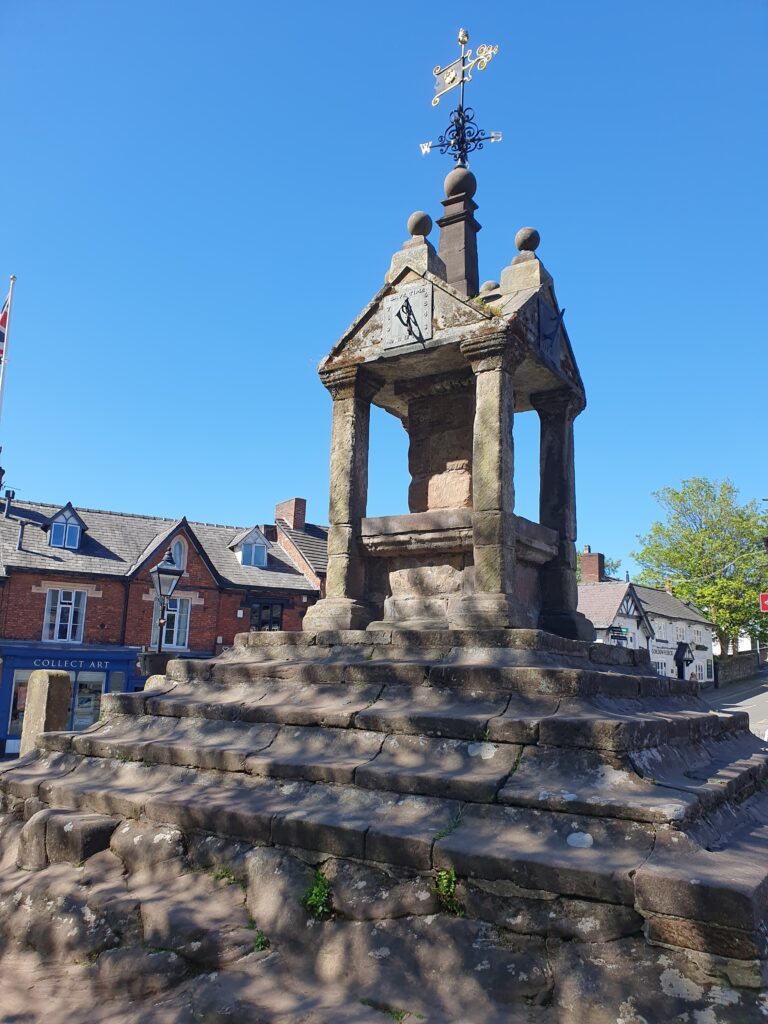
Centred around the 17th century stone cross, the village itself was a hive of activity. Originally agriculture was the predominant occupation, but a Slitting Mill also produced iron nails for the wider community. The arrival of the canal in the 1750’s again increased the prosperity of the growing town. And during the industrial revolution trade became focused on cloth, with the production of fustian, a fabric similar to corduroy. I’ve written about Lymm in several previous posts if you want to know more.
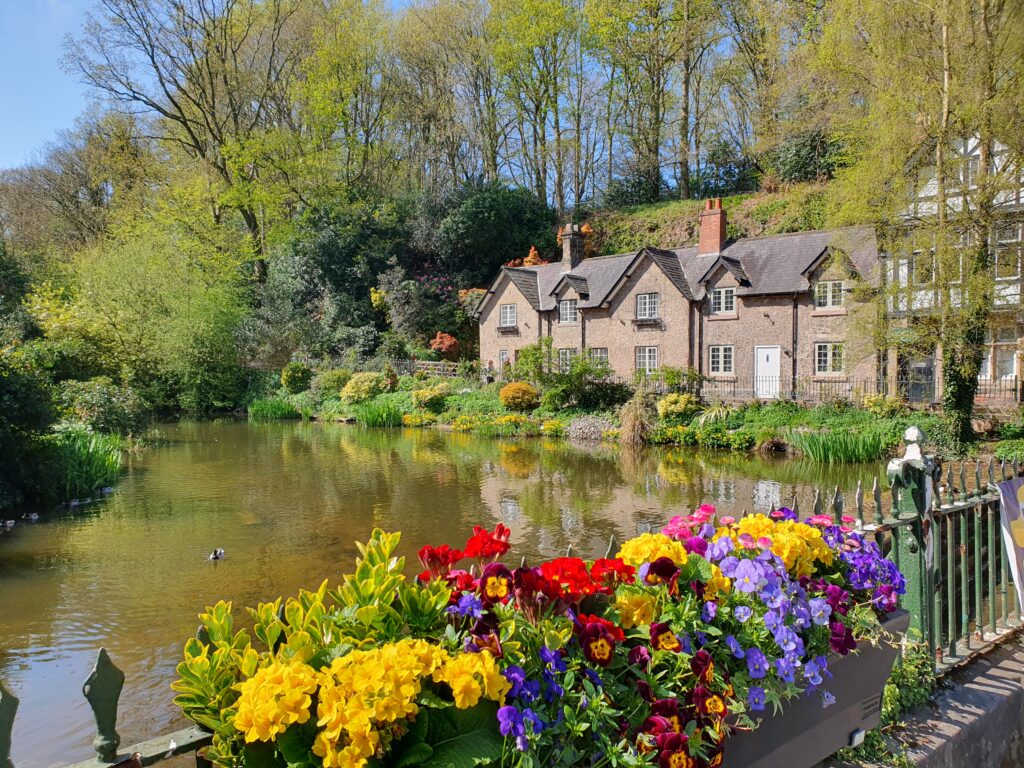
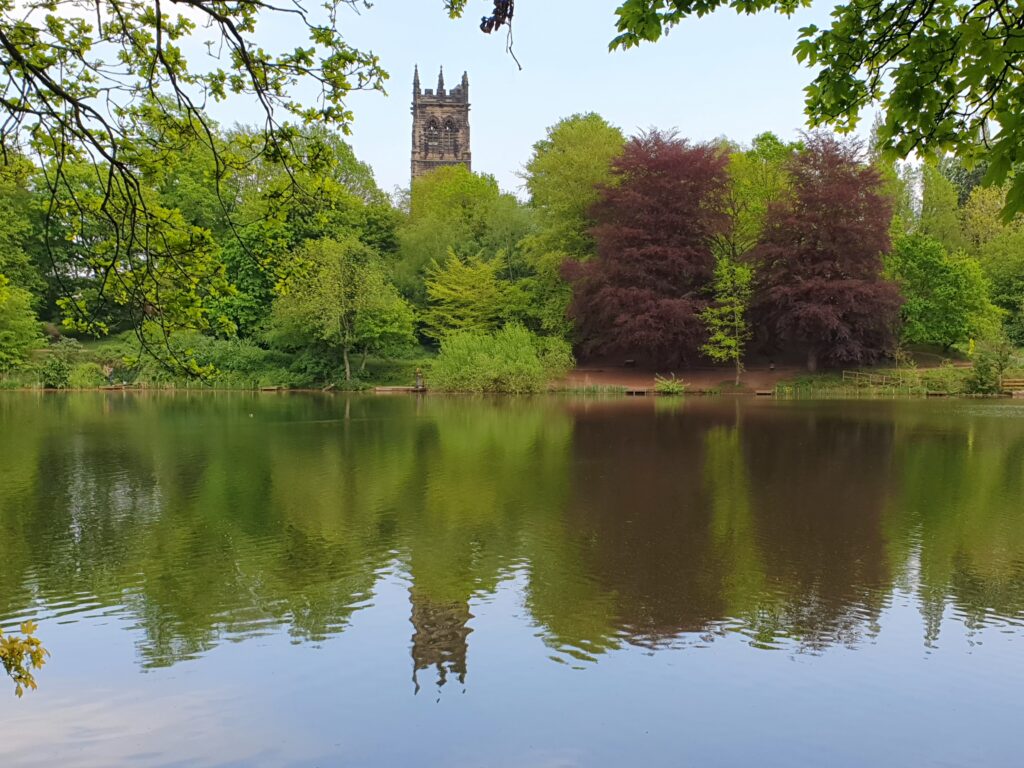
But like us the Victorians recognised its charms and escaped here to stroll through the leafy woodland around the dam
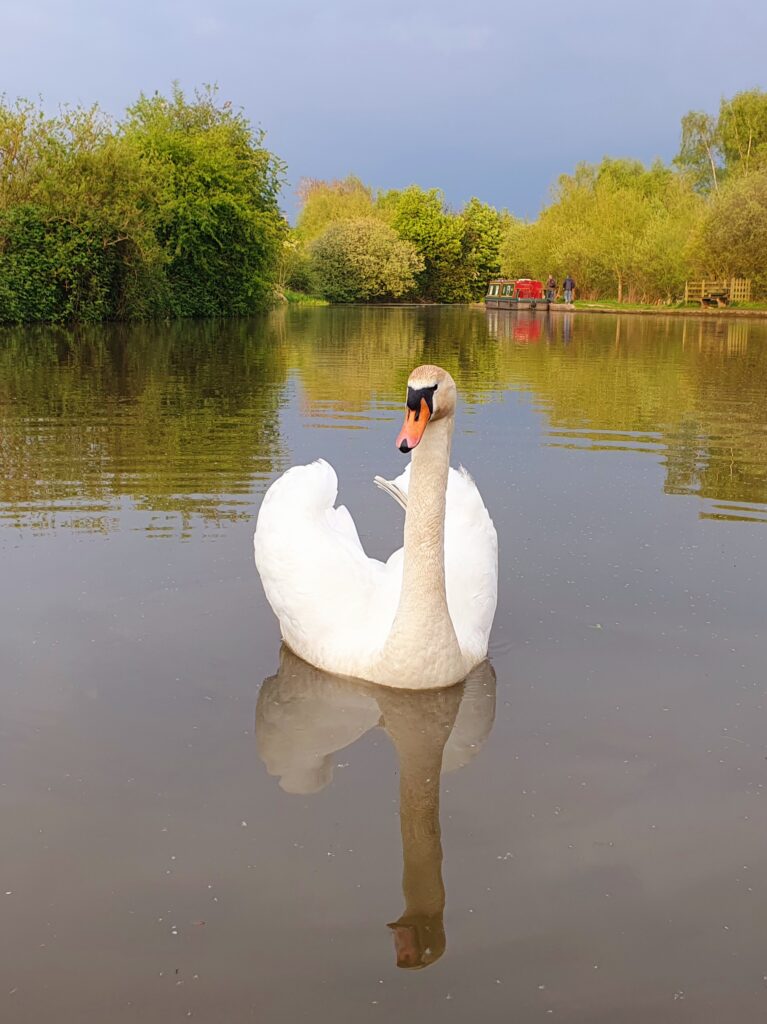
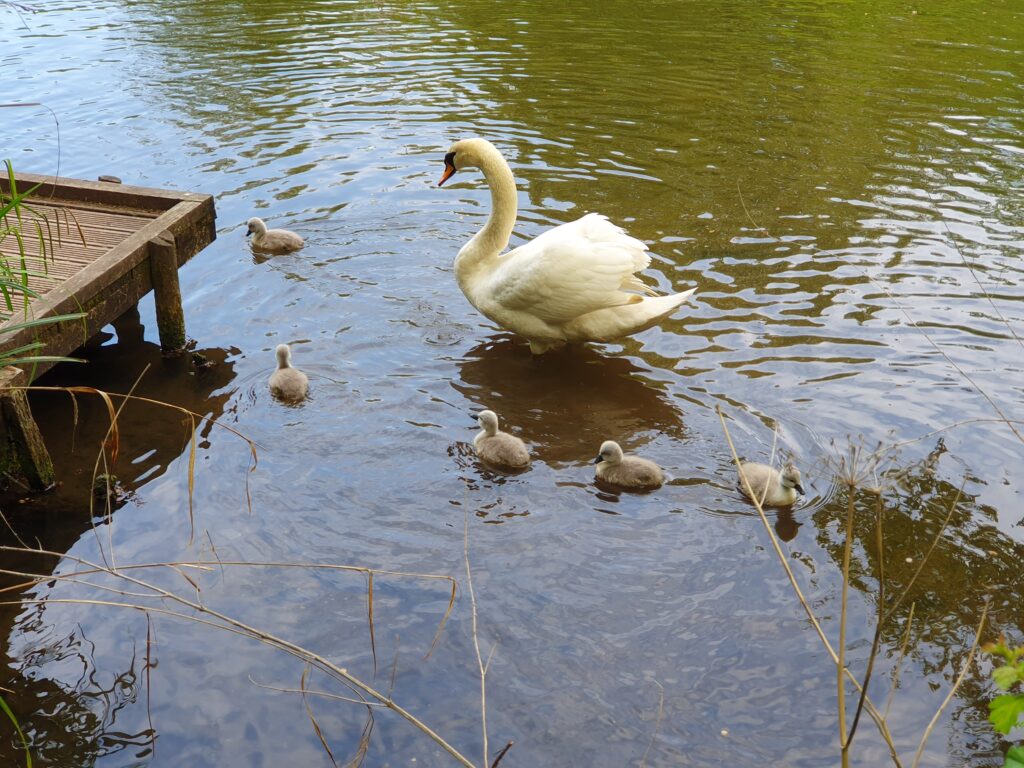
While we were walking around Lymm dam, we saw our first cygnets of the year.
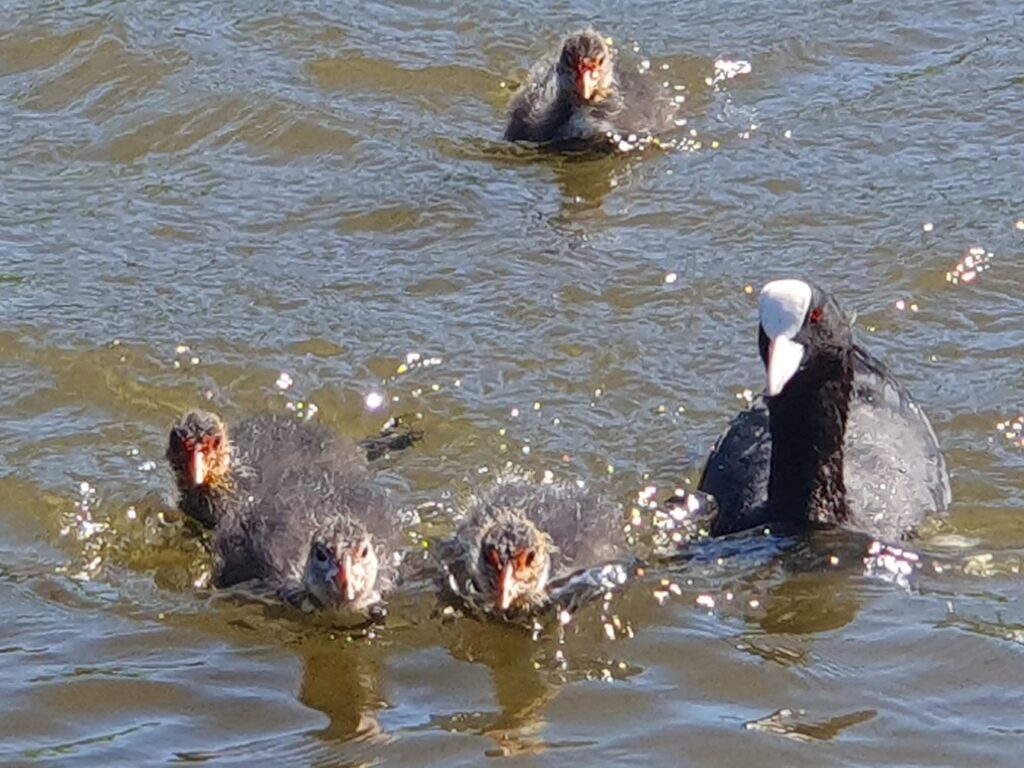
And coots on the canal
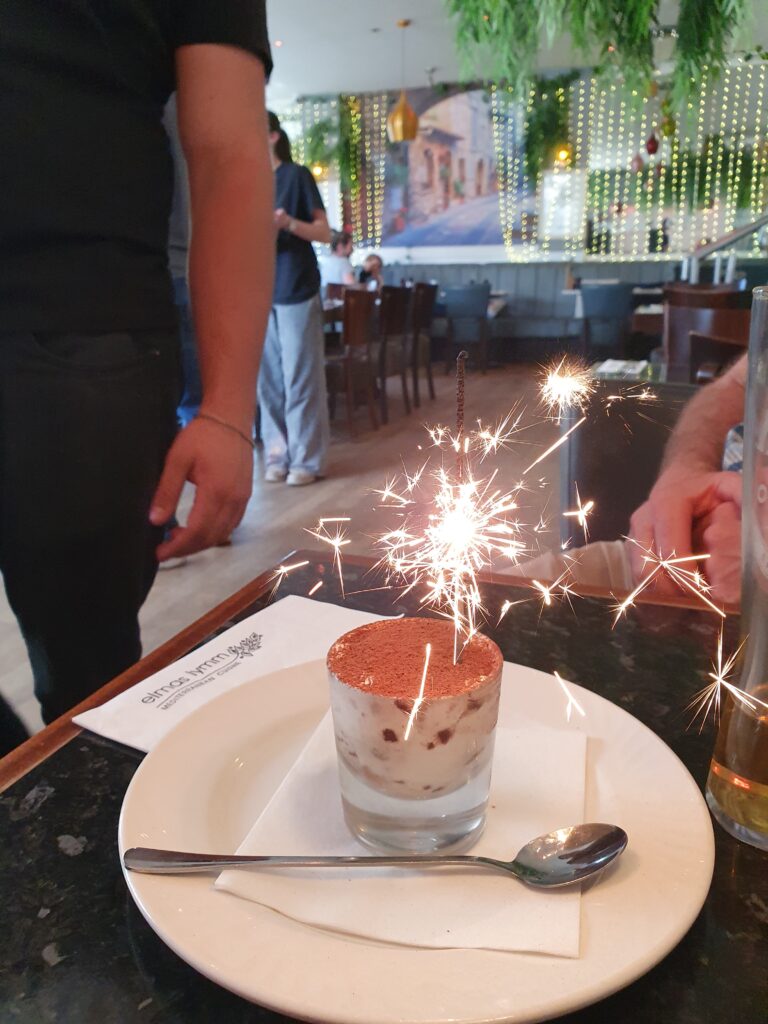
And of course as we were in holiday mood, we got to dine out. Someone was celebrating her birthday and the waiter got to hear about it, so my dessert arrived in style. There are several nice restaurants in Lymm, this time we chose Elmas, who make the nicest Tiramisu I’ve had in a while
But alas, we had to get back to the Paintshed so we couldnt linger longer at Lymm, back through more lovely leafy bridges
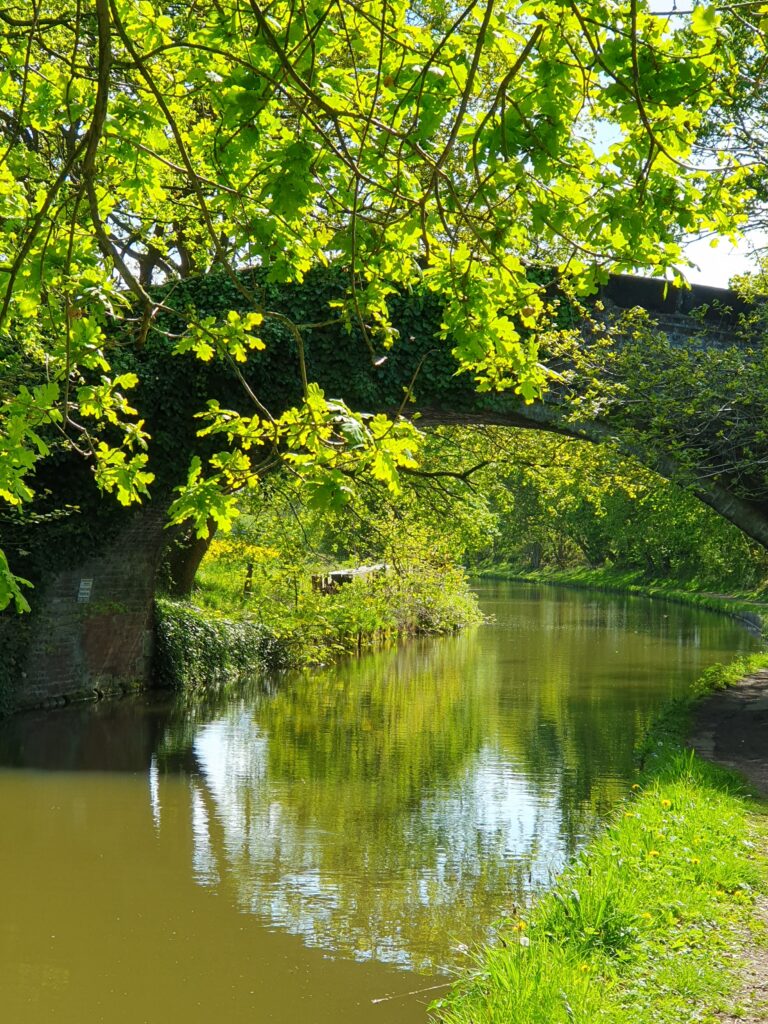
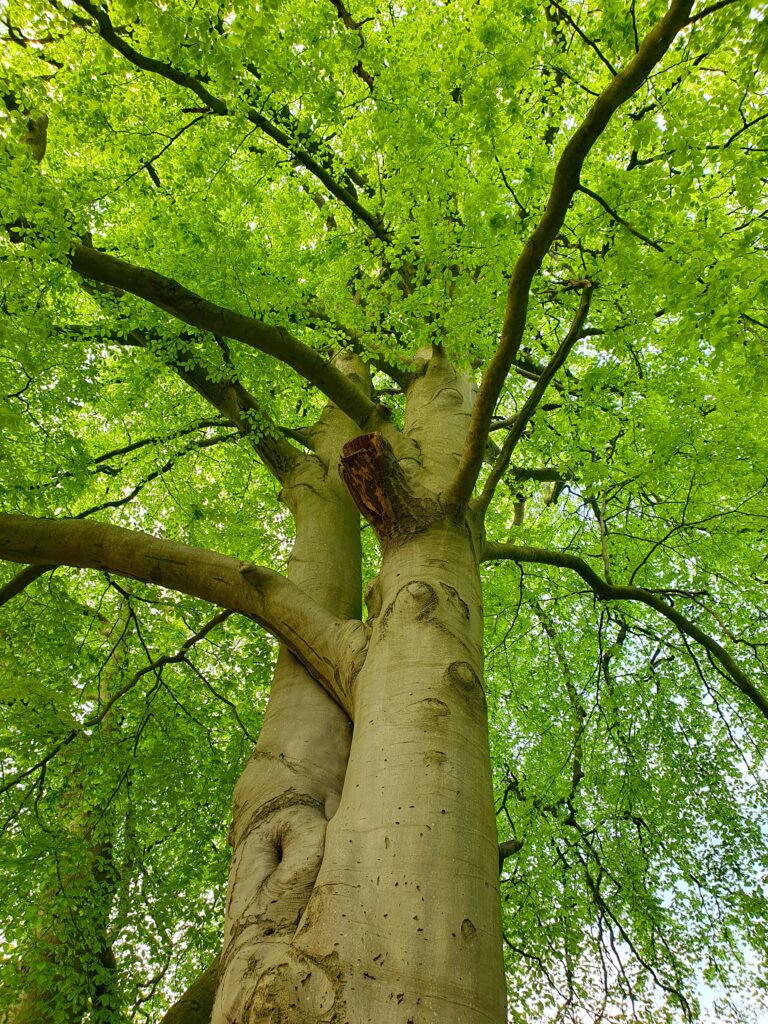
Under magnificent trees,
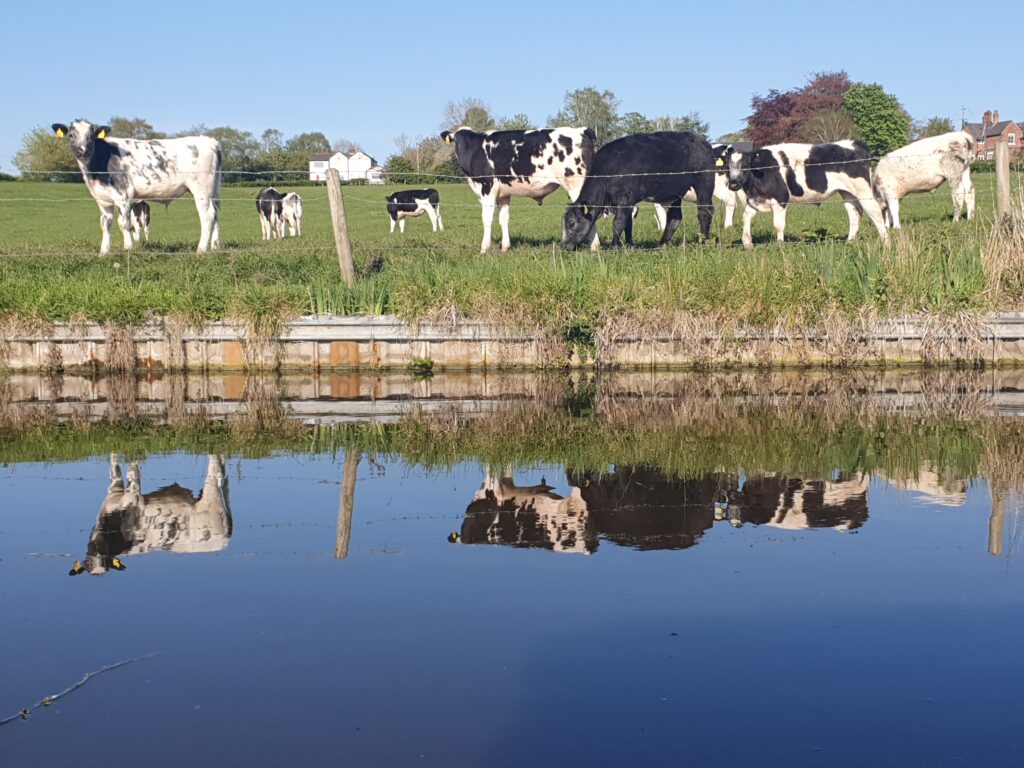
And past curious cows
back for one last mooring on this particularly pretty stretch of the Trent and Mersey Canal, before we get our necessary jobs done.

This week’s cruising has been a real pleasure.
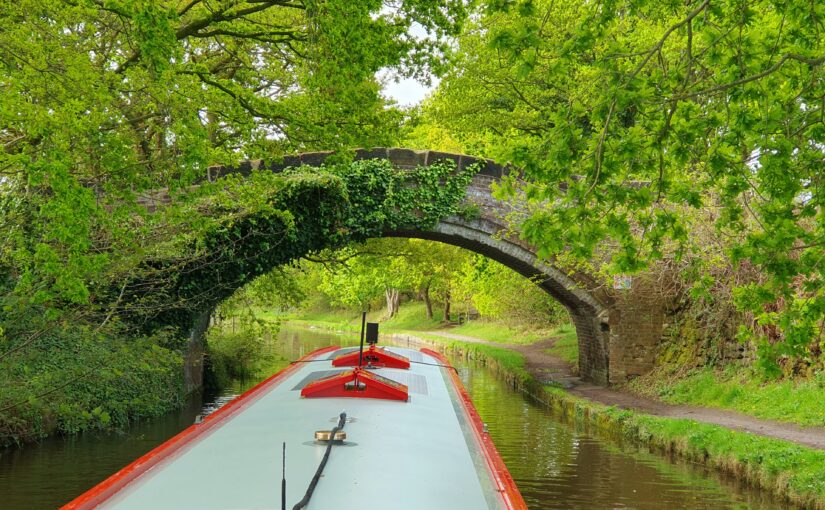
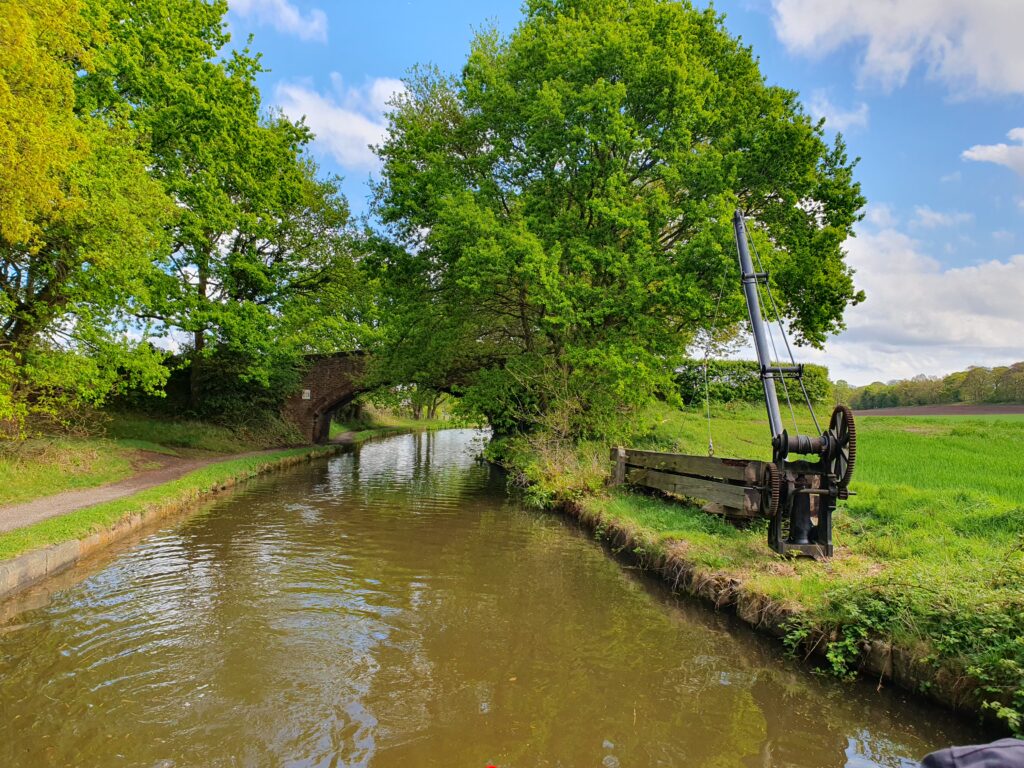
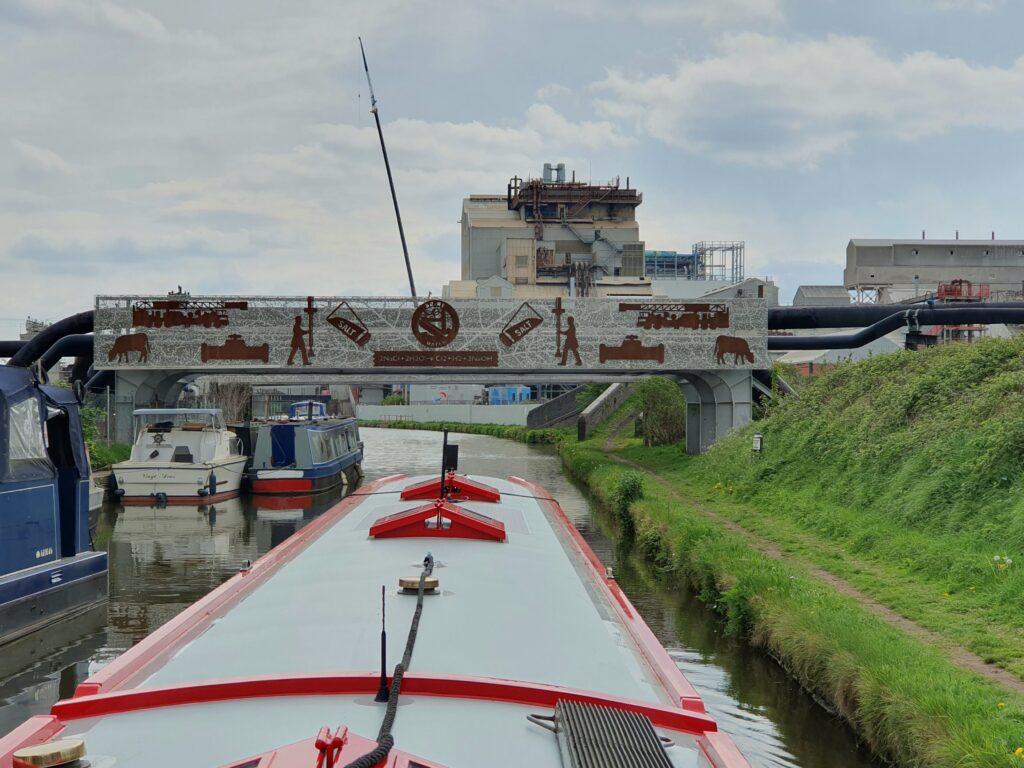
Spring Greens with a sprinkling of salt

Plan C is to travel south, aiming towards Rugby by mid summer. We might take a detour through some of the Birmingham canals that we’ve not yet cruised but we’re taking full advantage of our new found freedom to decide later.

First we were going to call in to Uplands Marina for an overnight stop. We had completely forgotten to include the side hatch window inserts in the repaint contract, and honestly who would want blue curtains on a green boat. ¯\_(ツ)_/¯ As soon as we realised, Nick offered to do them whilst we cruised up to Lymm.

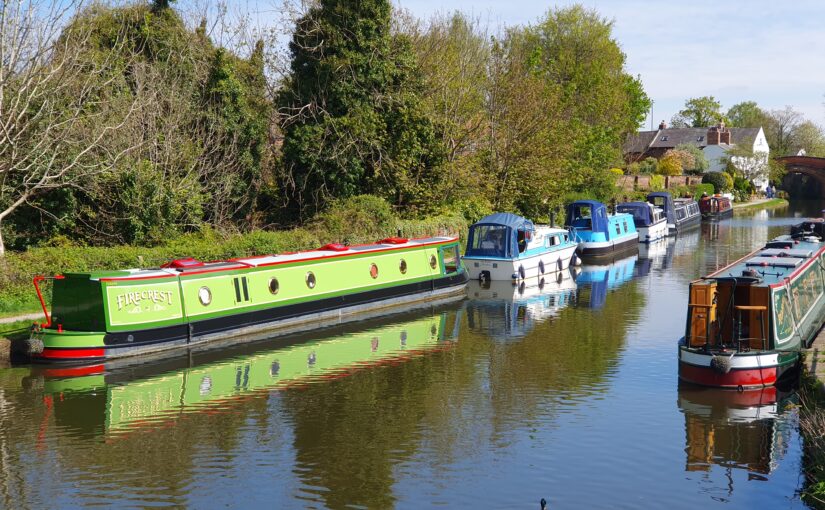
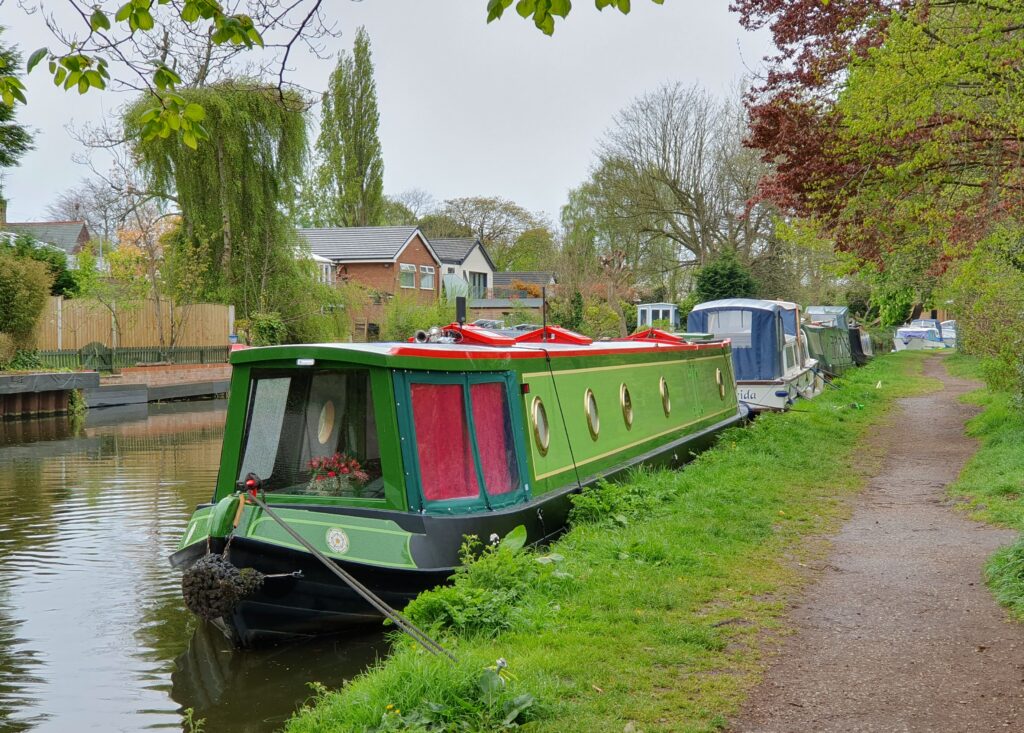
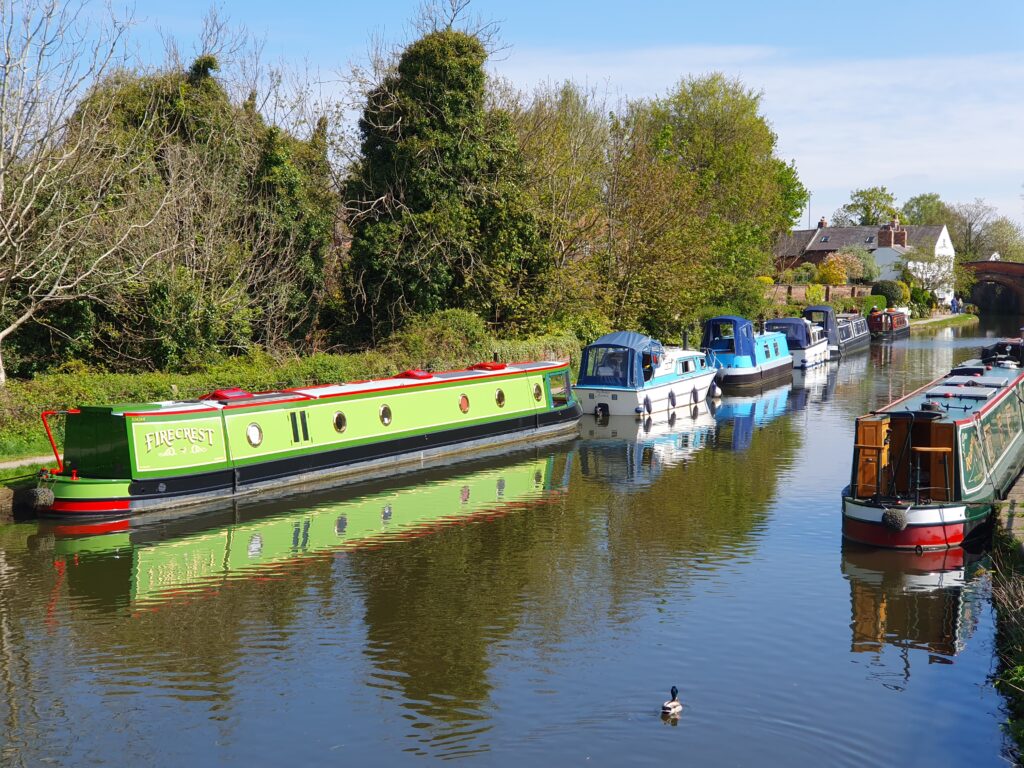
Sometimes blue and green make the perfect combo

Plus we still had some electricity left on the meter so we might as well charge up the batteries, especially as we still haven’t replaced the solar panels that were removed before our repaint. Not having our full solar capacity was most frustrating when we were enjoying a mini heatwave.

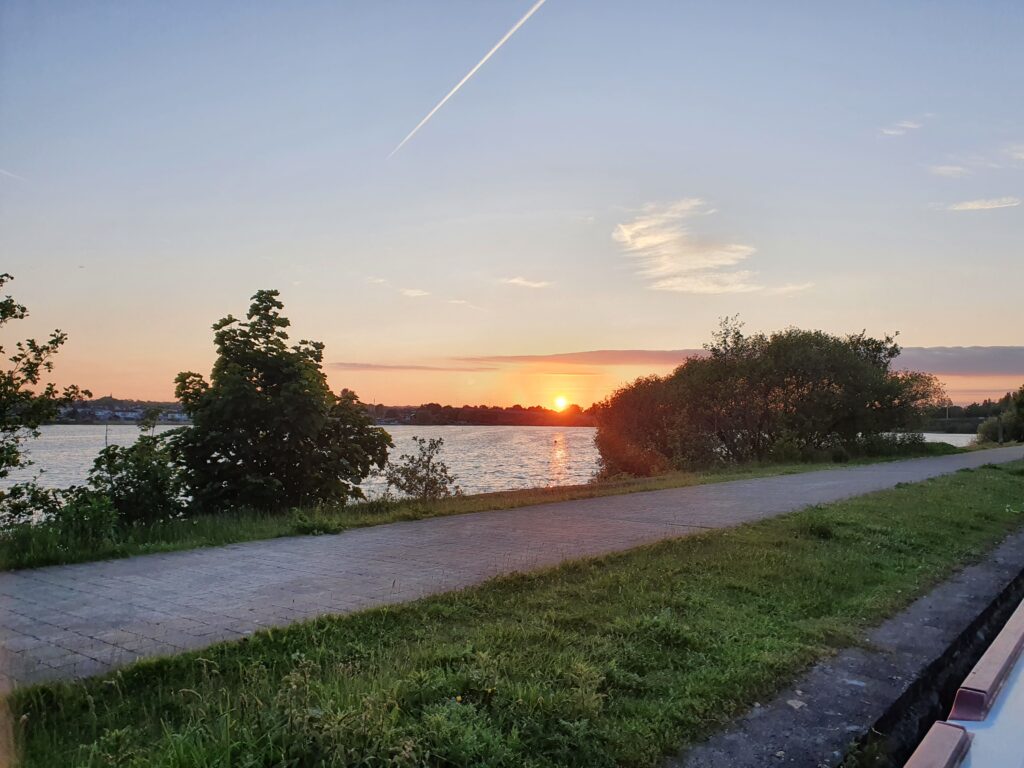
Enjoying the evening sun at Dutton

Leaving the lovely spring greens behind

Marbury woods, Northwich

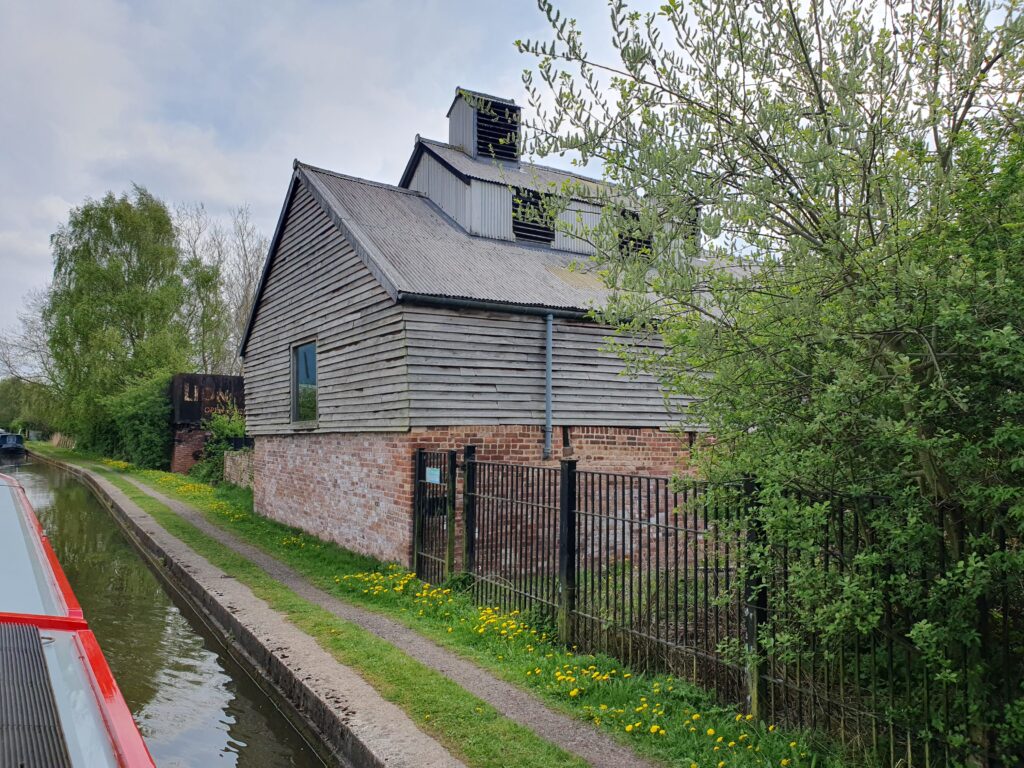
we travelled through the 2000 year old salt mines and brine pits of Eastern Northwich, past the Victorian Lion Salt works, which is now a fascinating museum and well worth a visit.

The Lion Salt works museum

Through the modern day chemical processing plant currently run by Tata

From the ancient salt mines to the modern chemical works.

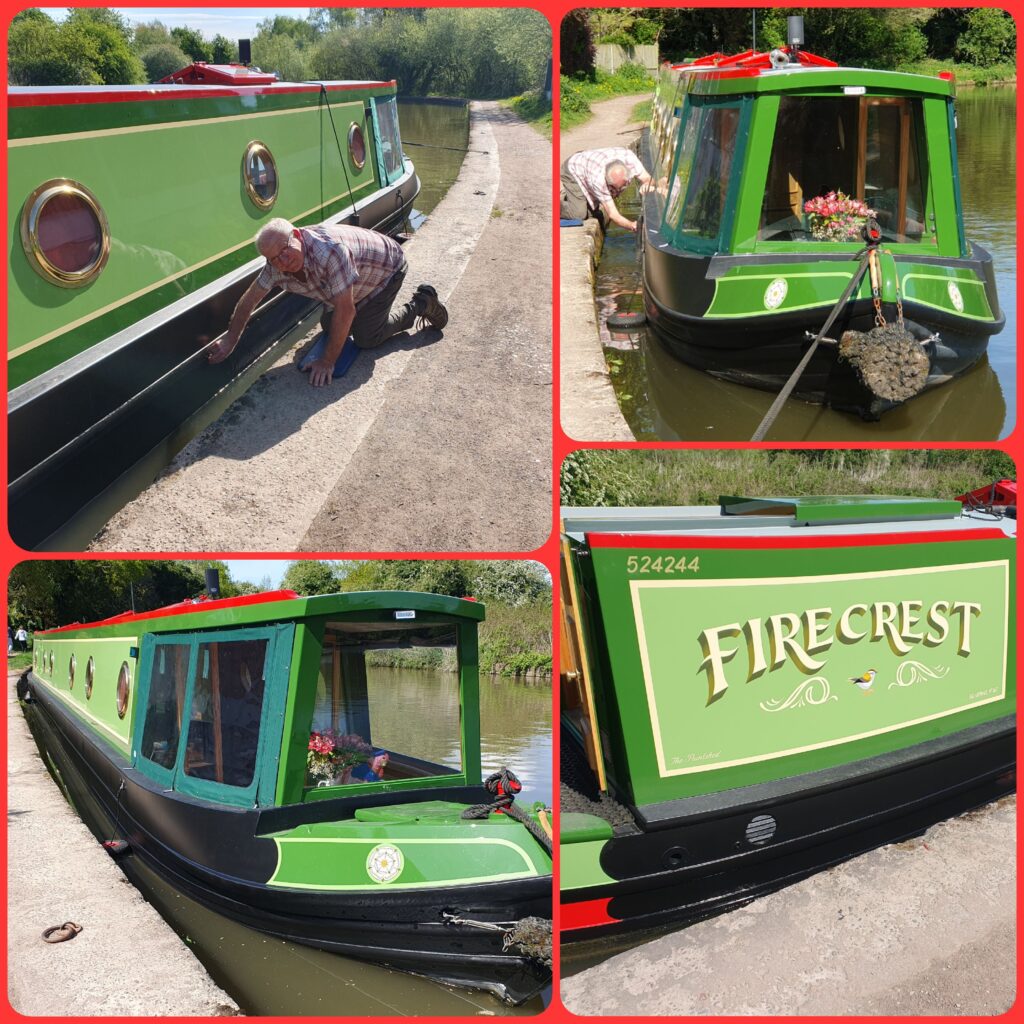
Onto Middlewich, where we moored against a perfect painting edge for Eric to touch up the blacking

Another opportunity not to be missed

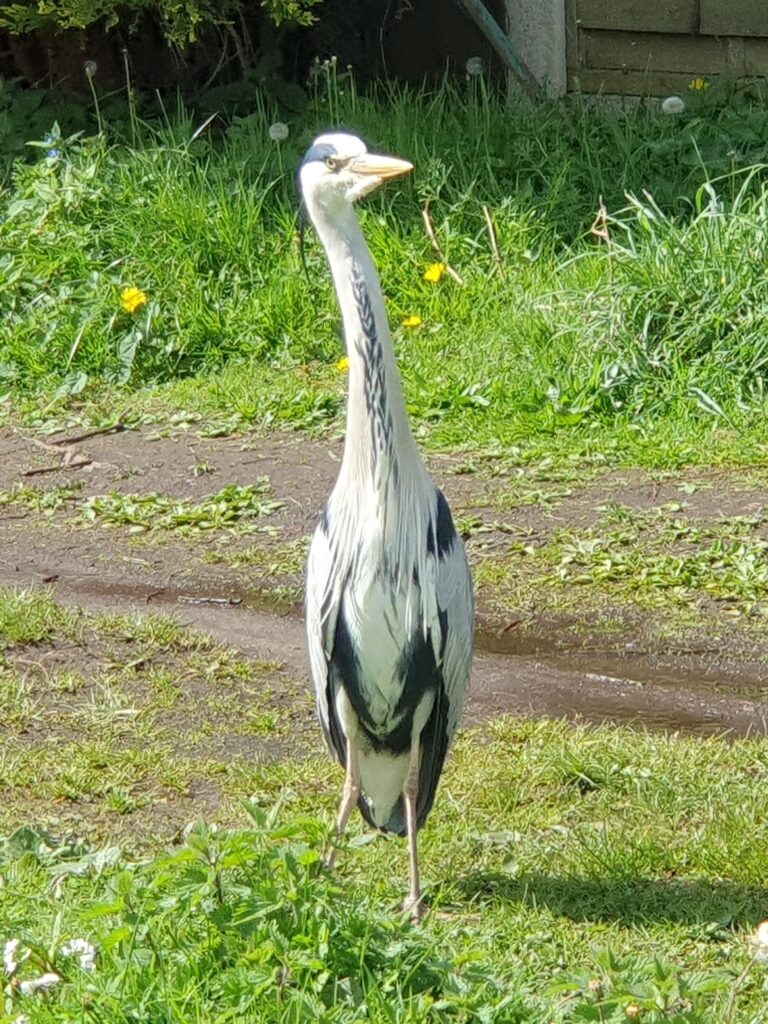
Whist I kept a  eye on the wildlife

Or were they keeping an eye on me?

One of CRT’s new volunteers for checking boat licences
Wont be long now

Bank Holiday weekend in Lymm

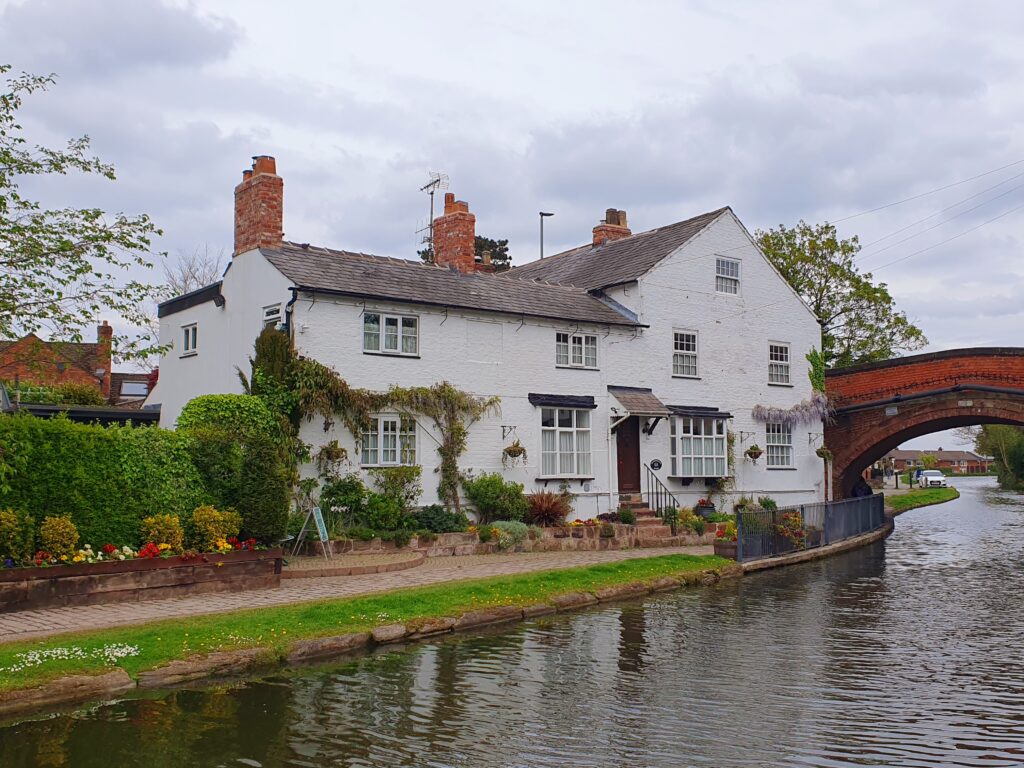
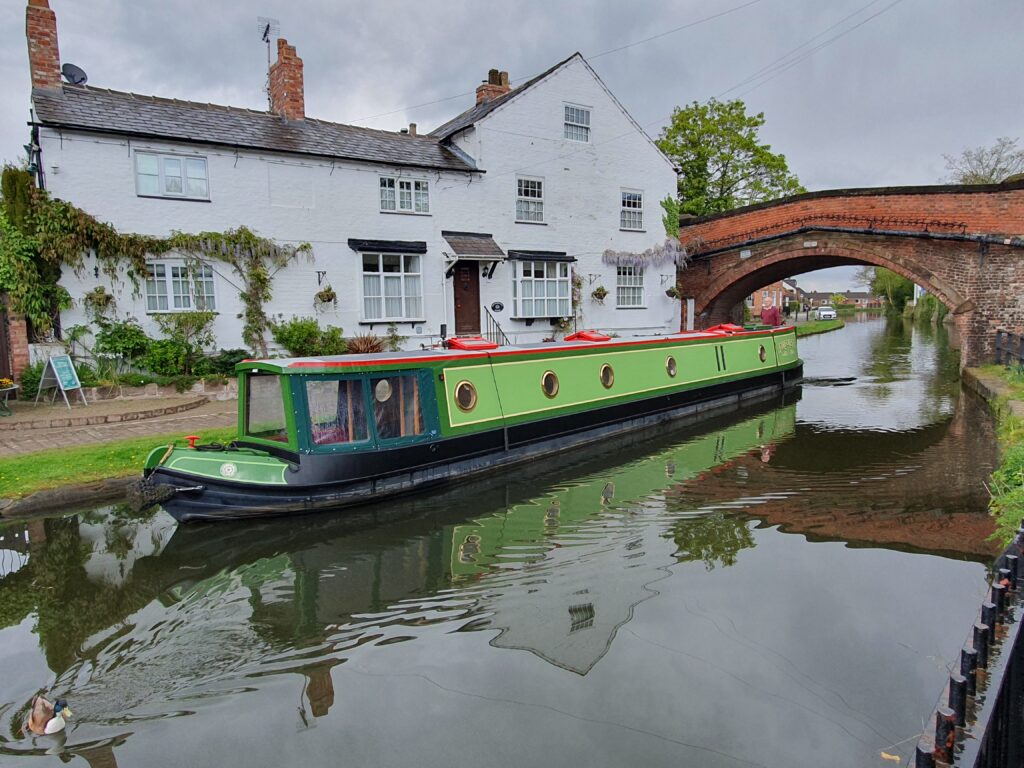
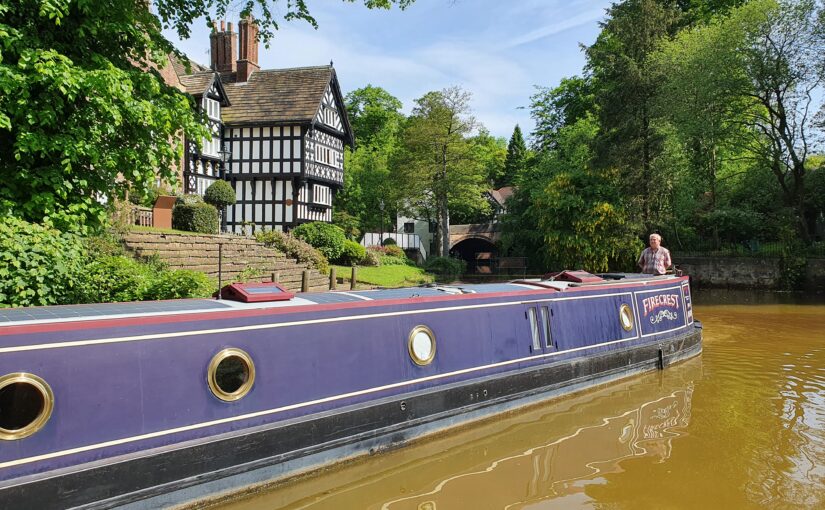
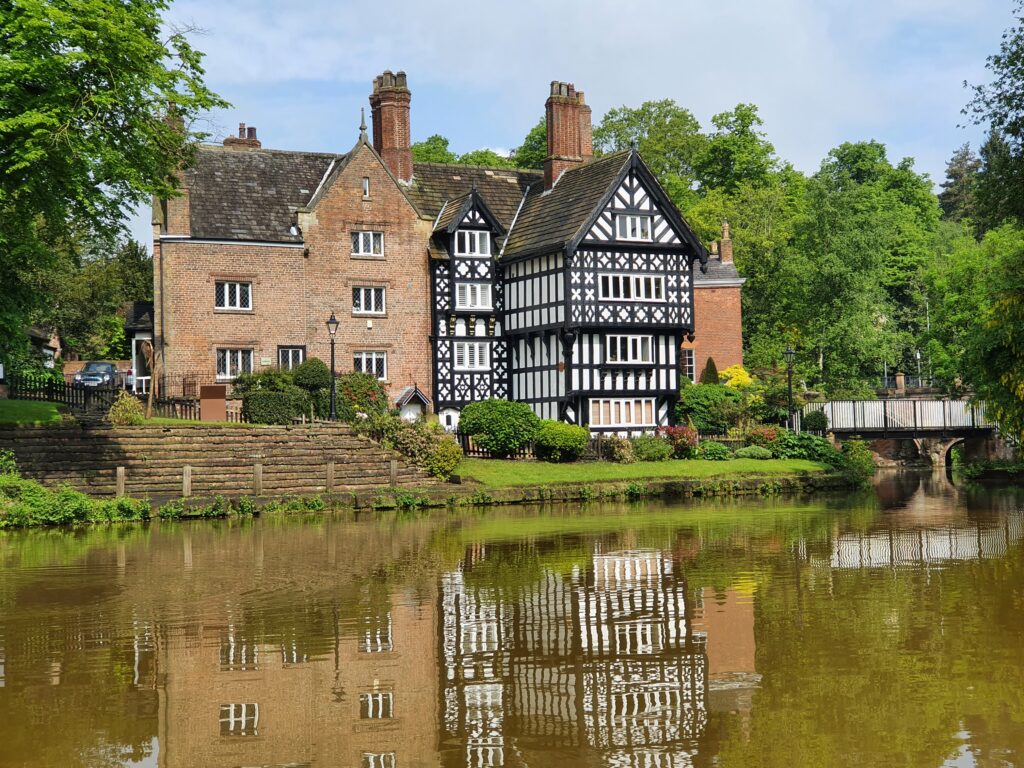
One of the prettiest canal villages is Lymm on the Bridgewater canal. I’m sure this house must have been photographed more times than the narrowboats that cruise past it. We were lucky to get moored in over the bank holiday weekend.

It looks good even when the sun’s not shining

The village is easy to stroll around and very picturesque, is it any wonder it regularly wins best village in bloom prizes

Lymm lower dam,

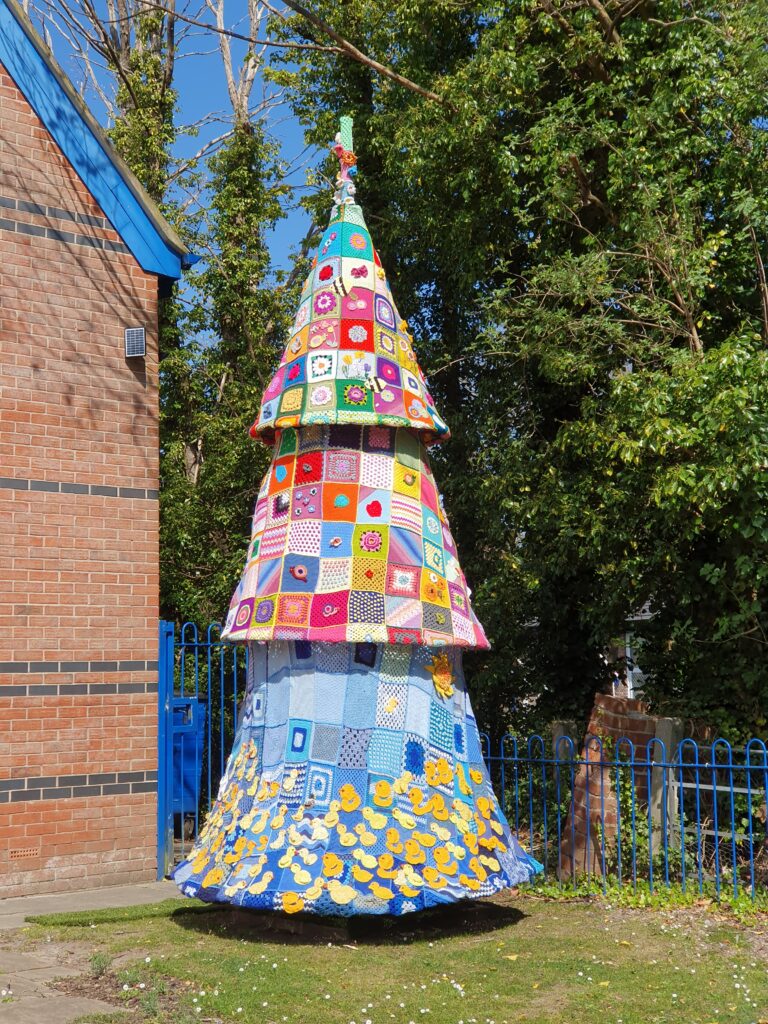
And I’d give them a prize for the best dressed Christmas tree as well. Not surprised it’s an all year round tree

Im not a great fan of yarn bombing, but this is first class installation art

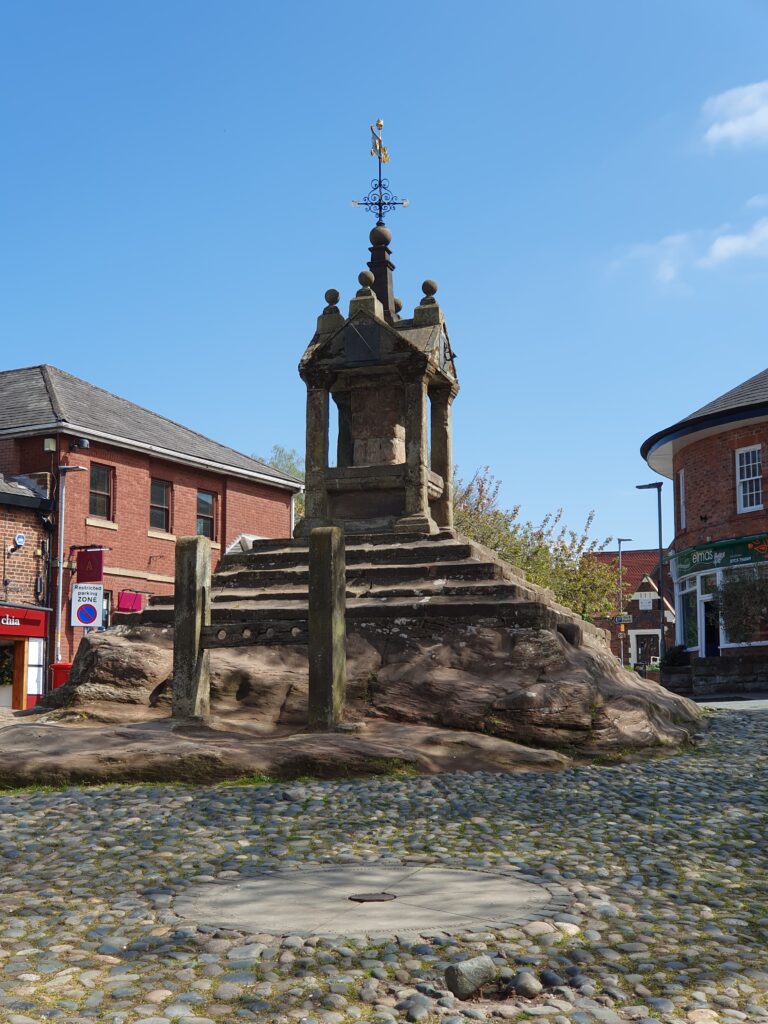
As usual we debated which one of us deserved to be put into the stocks, but I reminded Eric that there’s a good butchers in Lymm and I’d bought steak for tea

The Lymm Cross and it’s stocks

We decided to walk a little further out of Lymm on this visit, heading north towards the Manchester Ship Canal. Our route took us past the Slitting Mill. This is where iron bars were cut into sheets for use making nails, one of Lymms many varied industries during the industrial revolution.

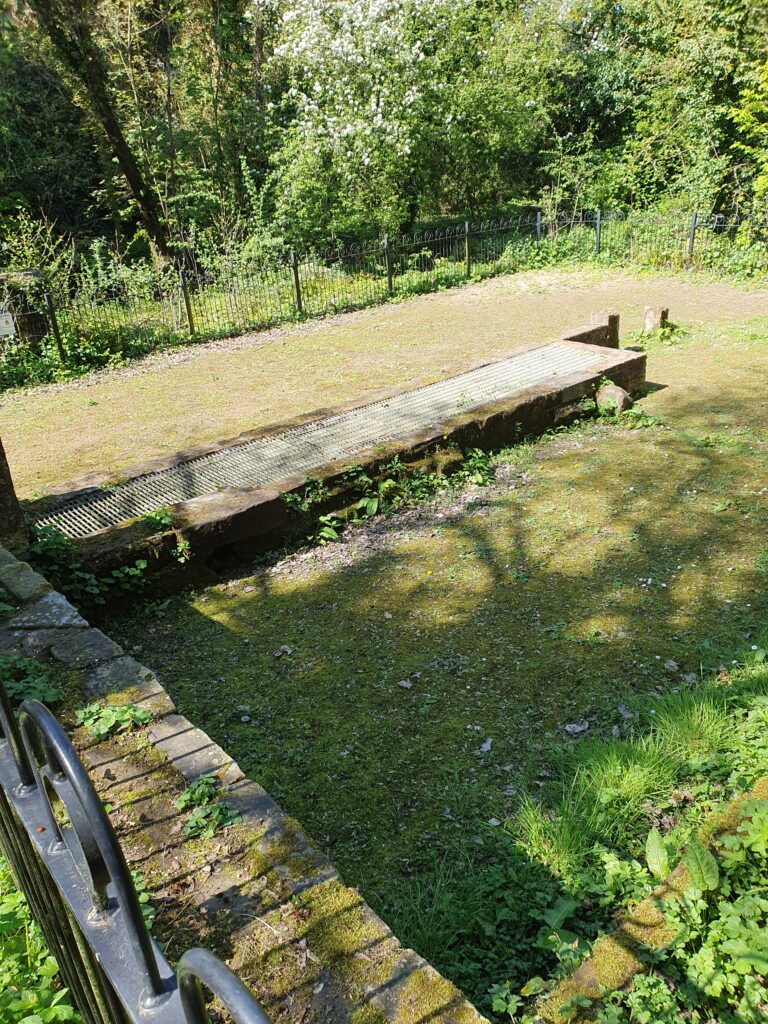
The Slitting Mill

It’s not really very interesting to look at from the footpath, but the Lymm heritage site has some interesting photos of its excavation

https://thelymmarchive.co.uk/archive/trades-and-industry/slitting-mill?

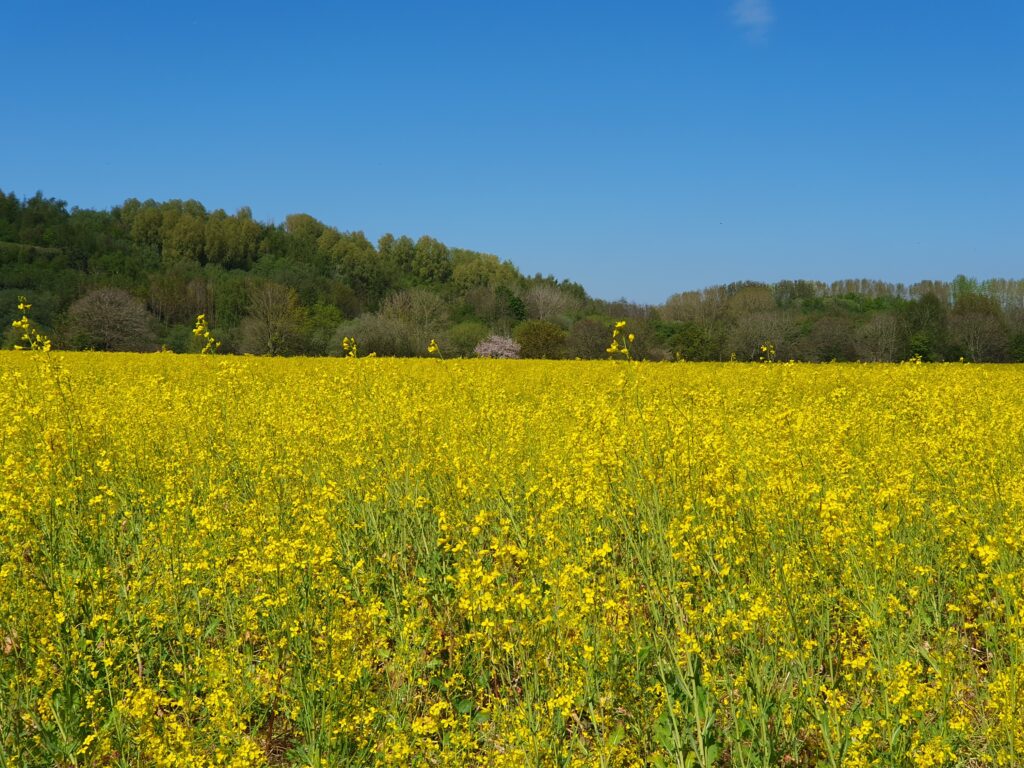
As we carried on along the footpath, sniffing and sneezing as the hay-fever took hold

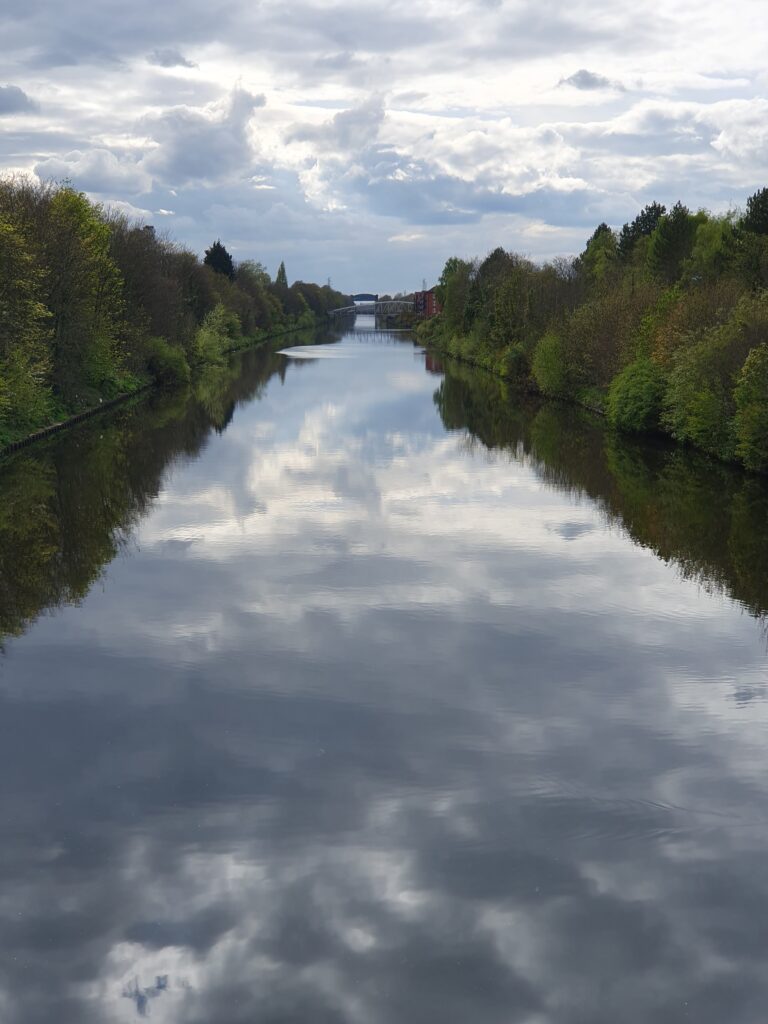
Until we came to the big canal. Looking west we could just about see the Thelwall Viaduct carrying the M6 over the MSC and the river Mersey

Looking to the left you can just about see the Thelwall viaduct

The Ship canal was opened in 1895 making Manchester the third busiest port in Britain, despite being 40 miles inland. In its heyday,  the canal carried up to 18million long tons of commercial cargo, but with the increasing size of container vessels the ecconomic viability of it dropped that to less than 7 million long tons by 2009. Peel Holdings who own it have plans to reinstate its use as an atlantic gateway in a major effort to reduce road congestion. The plan is to increase the number of containers shipped from 8000 in 2010 to 100,000 in 2030. Narrowboats and leisure craft are not encouraged but can use the ship canal for a hefty fee and some stringent regulations which include a strict no mooring policy Maximum length 600′ x beam 65′. Perhaps we could hitch a ride inside one of the containers, or perhaps we should just stick to the “proper” canals

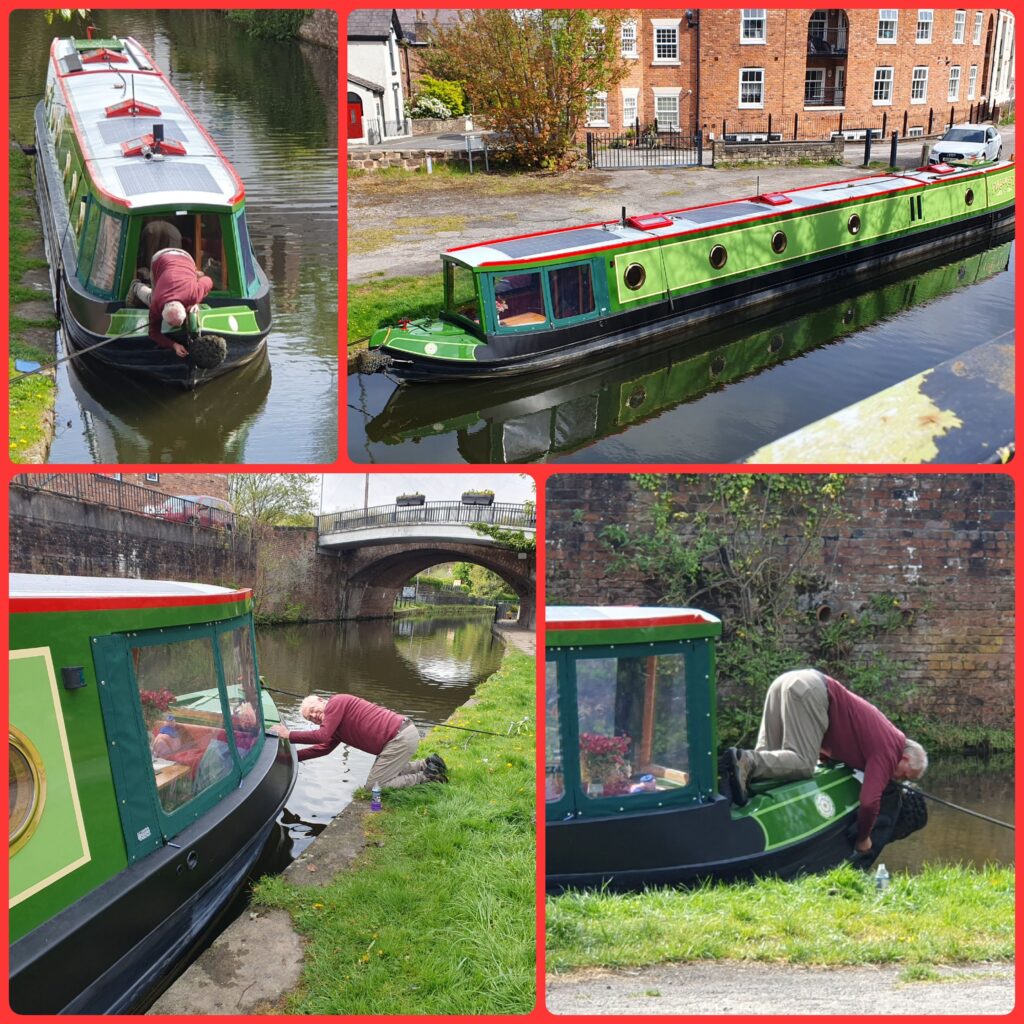
Peel holdings also own the Bridgewater canal, and are responsible for repairing the breach just beyond Lymm. We had hoped to see the temporary coffer dam and see the progress being made, but it was quite a hike and last winding hole was  just beyond Lymm, so we winded and re-moored on the 14 day mooring where Eric took advantage of the hard edge to touch up the gunwale paint. (Which hadn’t been part of the PaintShed’s remit)

Before we set off back the way we’d come

Beautiful house and beautiful boat

A few days on the Bridgewater

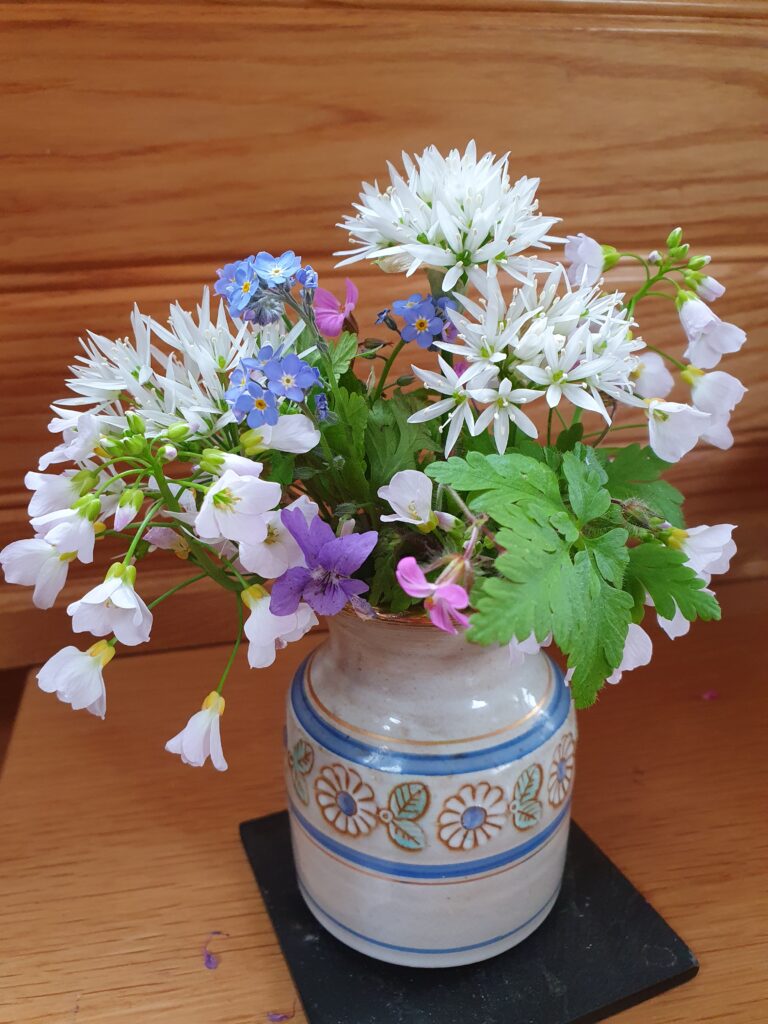
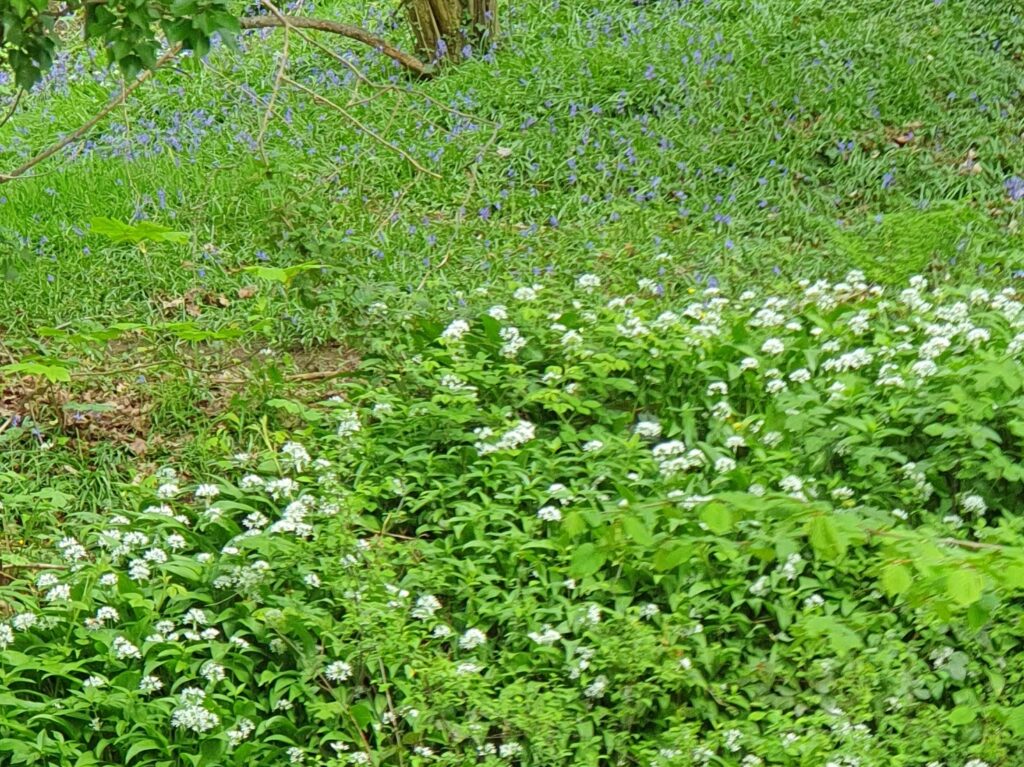
We’ve still got a fair bit of sorting out to do on board Firecrest after the repaint, so we decided to take a short lock free cruise onto the Bridgewater canal whilst we got on with the chores. (Except for the stop lock) We’d be able to do 12 of the 39 miles before we had to wind due to the breach. While we waited for the time slot that allowed us through the Preston Brook tunnel, I couldn’t resist the opportunity to pick a bunch of wild garlic that’s growing in abundance in the woodland along side the brooks right now. The leaves make a tasty addition to most savoury dishes, but the flowers look great too.

I love a little vase of wild flowers, but only ever pick when they are growing in abundance

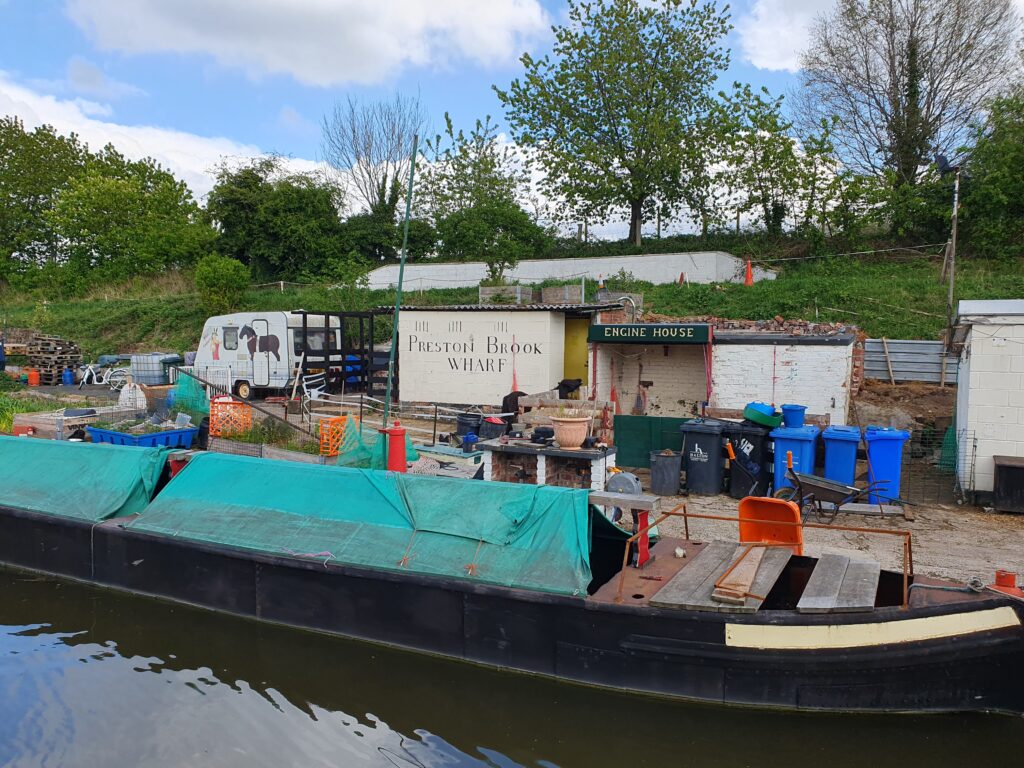
Just after the tunnel is Preston Brook Wharf, where we believe Eric’s great grandfather, Willie Jones, worked as a porter.
We suspect it’s changed quite a bit since his day.

Still a hive of activity it seems

It was a fabulous day for cruising, but we had removed some of the old solar panels before the so feeling a bit frustrated that we couldn’t generate any of our own. But in true bank holiday style the sunshine decided to take a holiday too. We had a night in Stockton Heath pottering.

A very convenient mooring, with an easy stroll into the town centre

Eric’s mum worked here as a switch board operator during the war years. She had to walk over the swing bridge that spans the Manchester Ship Canal, if she got her timing wrong and it was open, it meant she was late for work. An unforgivable offence in those days- using the bridge as an excuse just didn’t wash. The bridge is still in operation today so we went for a walk over it. But we dwardled to look at the view.

Looking west, you can see more swing bridges over the big canal

Continuing our journey our nice little canal took us under the M6,

It doesn’t look that impressive from our side, but the noise from the motorway certainly was.

To the honey pot village of Lymm

Think we got the last of the nicest mooring

We treated ourselves to a pint at Lymms microbrewery and sat chatting to an old guy who was a boater and had the misfortune to be moored close to the breach when it happened. Oh boy did it sound scary. Again so lucky it happened overnight, and no one was cruising. He told us we wouldn’t be able to get close enough to see the breach now as it was all cordoned off. Amazingly he was also on the canal when the previous breach happened 50 years ago, in almost exactly the same spot. Then he remembers how all the local boaters became part of the volunteer team that helped provide the manpower to fix it. He was given a commemorative brass plaque to mark the event. This time Peel holdings (who own the Bridgewater) will be managing to repairs, and in their latest statement, they are estimating the canal will reopen for navigation in December 2026

https://bridgewatercanal.co.uk/latest-news/bridgewater-canal-breach-update-april-2025

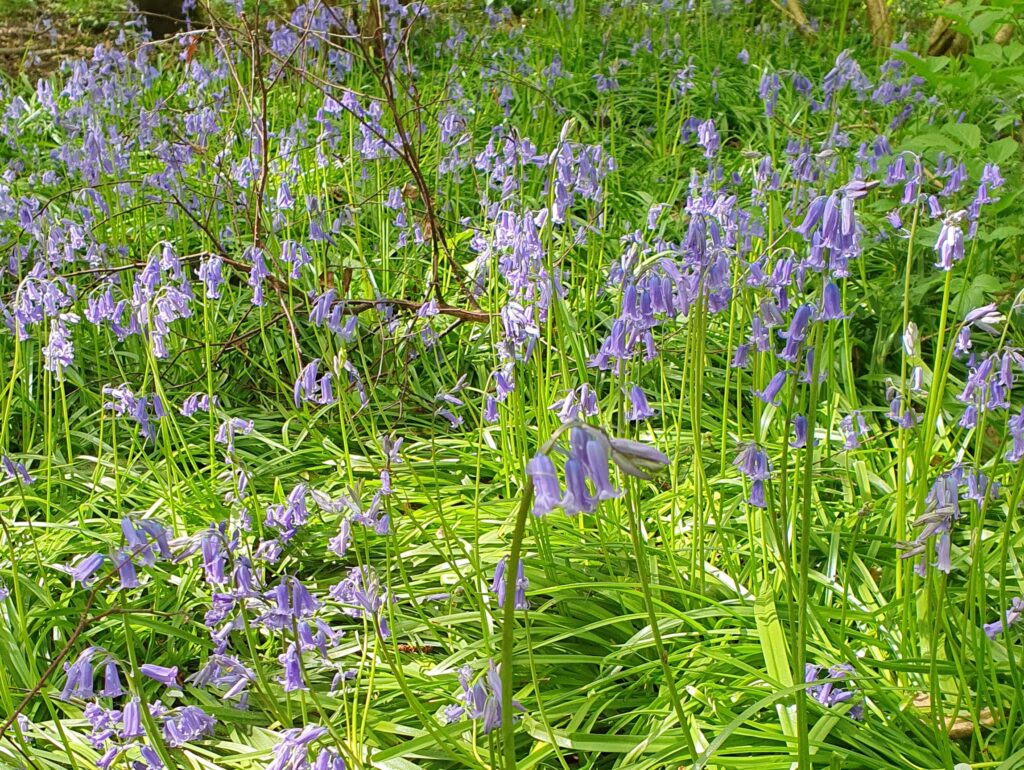
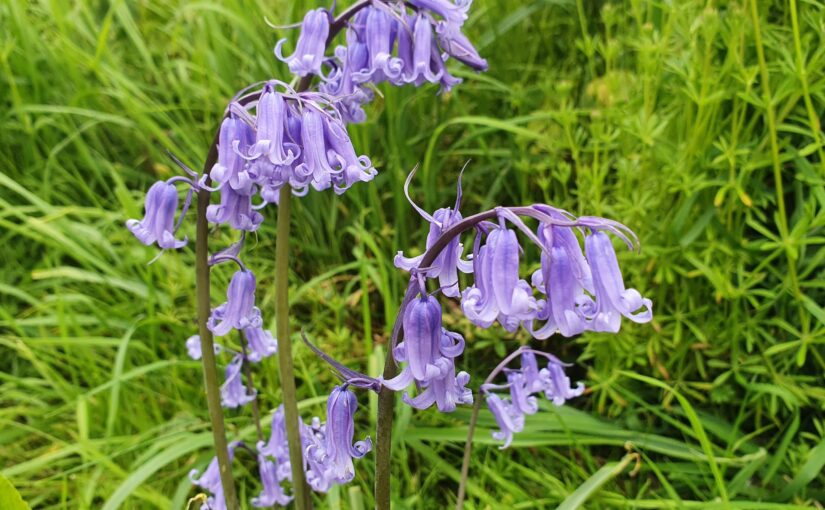
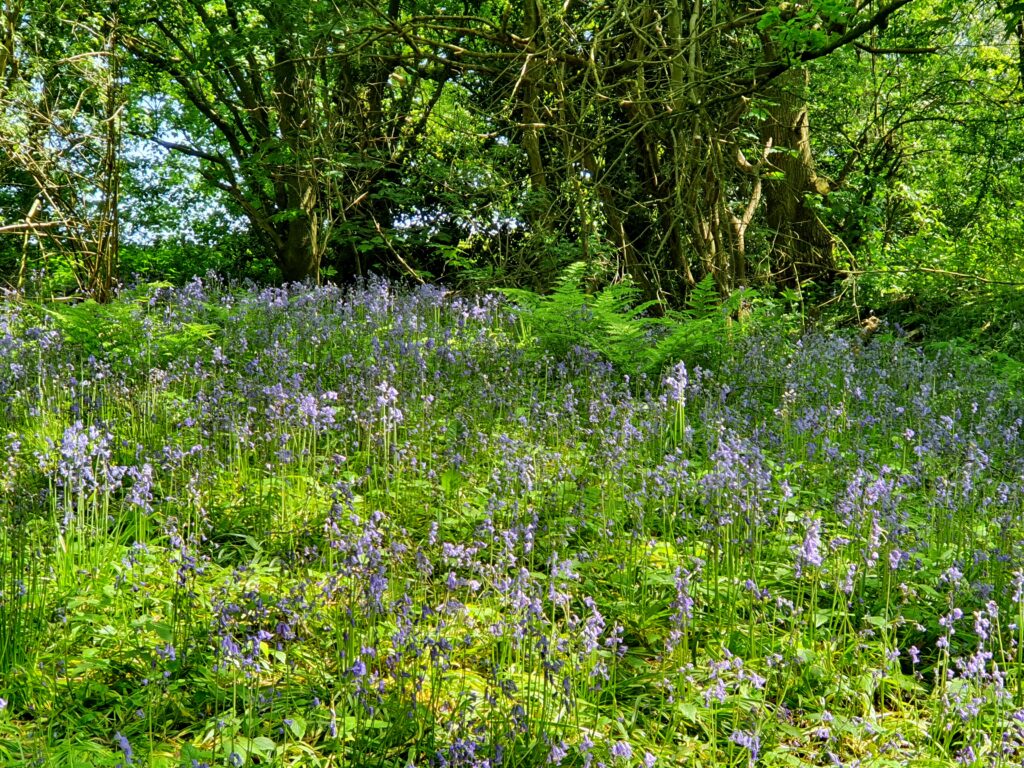
Bluebells and garlic

Back onto the Bridgewater

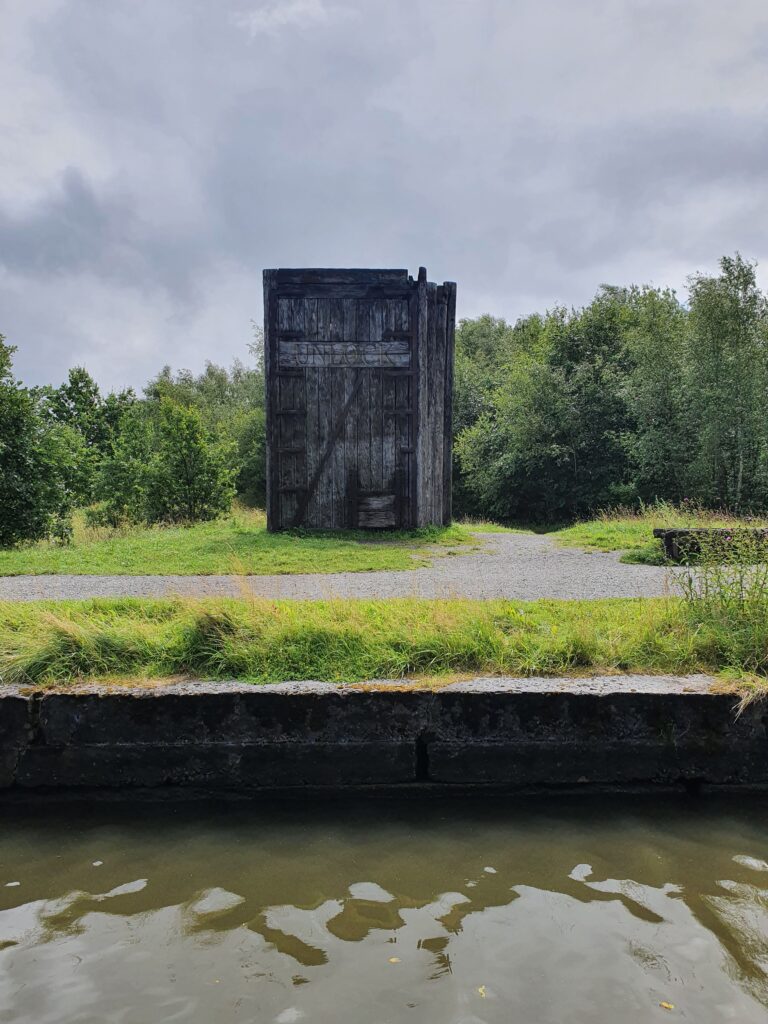
As we couldn’t trust being able to cruise the full length of Leeds and Liverpool, we’ve opted to meander towards Chester. We’re going to stay in the northwest with the hope that we can cruise east next spring. But watch this space things could change. So for now we’ve booked ourselves 7 nights on the Bridgewater, to unlock the rest of our summer

Its scary seeing the size of lock gates out of the canal

Our RHS tickets were valid until the end of the month so we stopped off for the night outside RHS Bridgewater Garden

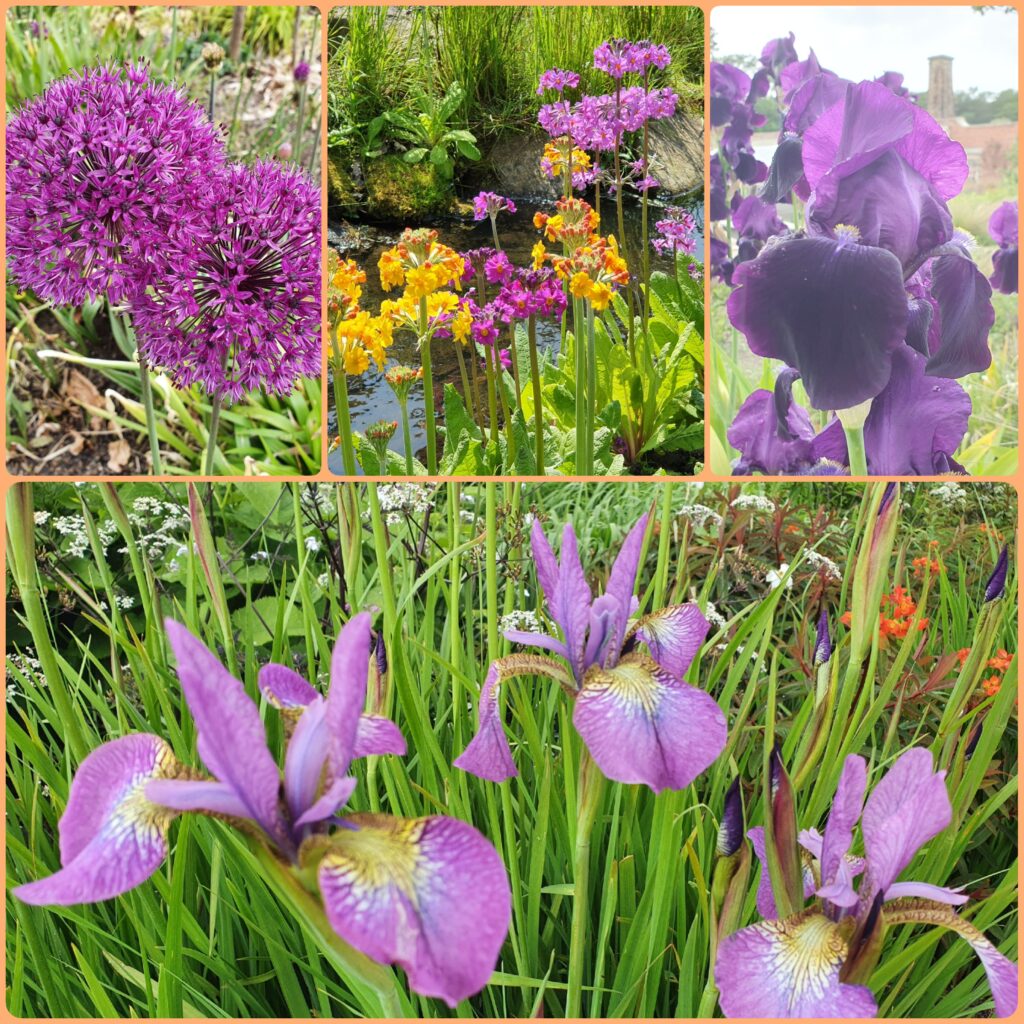
Its just over two months since we were last here, and the plants had magically transformed from a mass of purple iris and alliums into a hot bed of oranges and yellows. Hard to say which season I prefer. RHS Bridgewater is very much a 21st century garden where nature has been embraced and encouraged. Several potentially formal herbaceous borders  were scattered with wild flowers seeds and the rewards were worthy of Monnet’s painting skills, or perhaps Jackson Pollock could splatter some colour like this.

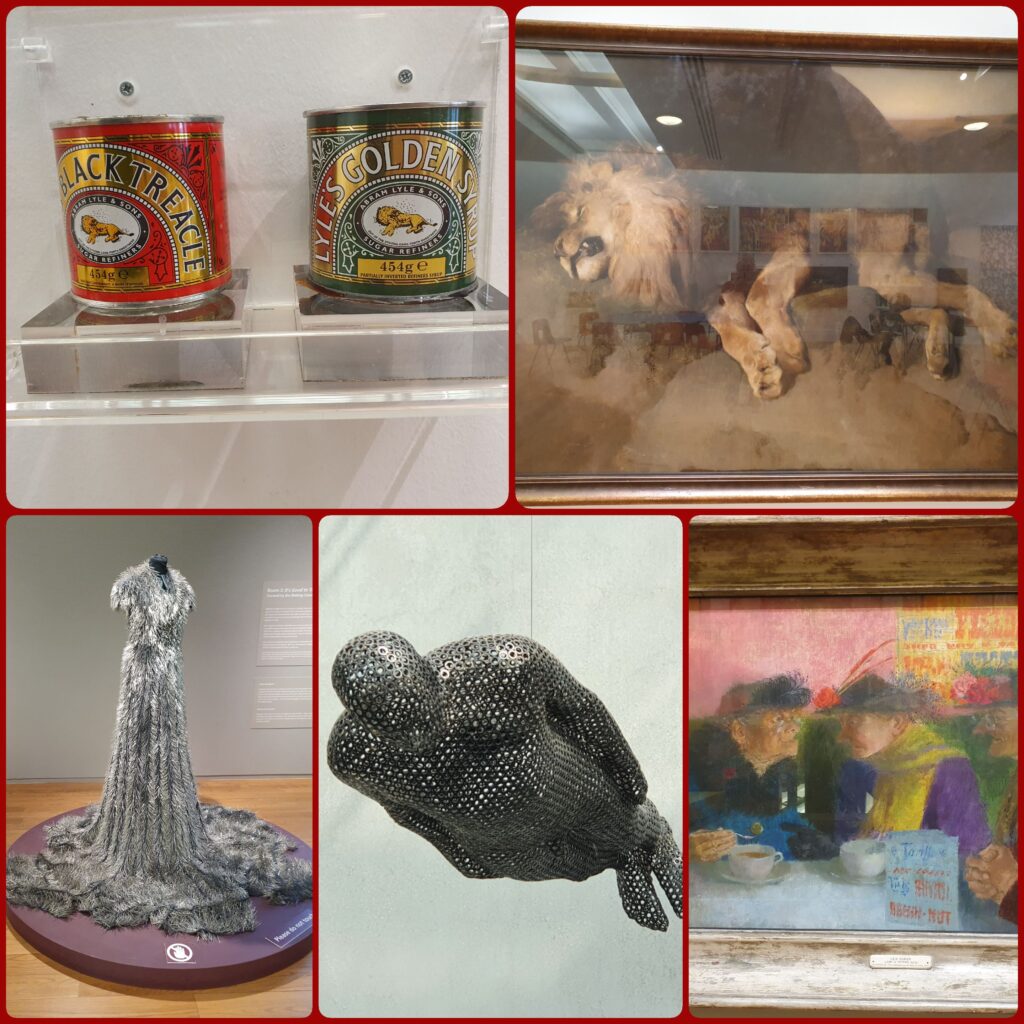
Our meanderings into the art world took us into the heart of Manchester, as we took a detour and turned left at Stretford for a night moored in Castlefields. We were lucky to be able to meet up with Rito and overwhelmed by the choice of what to do in the city, we opted for the Manchester Art Gallery

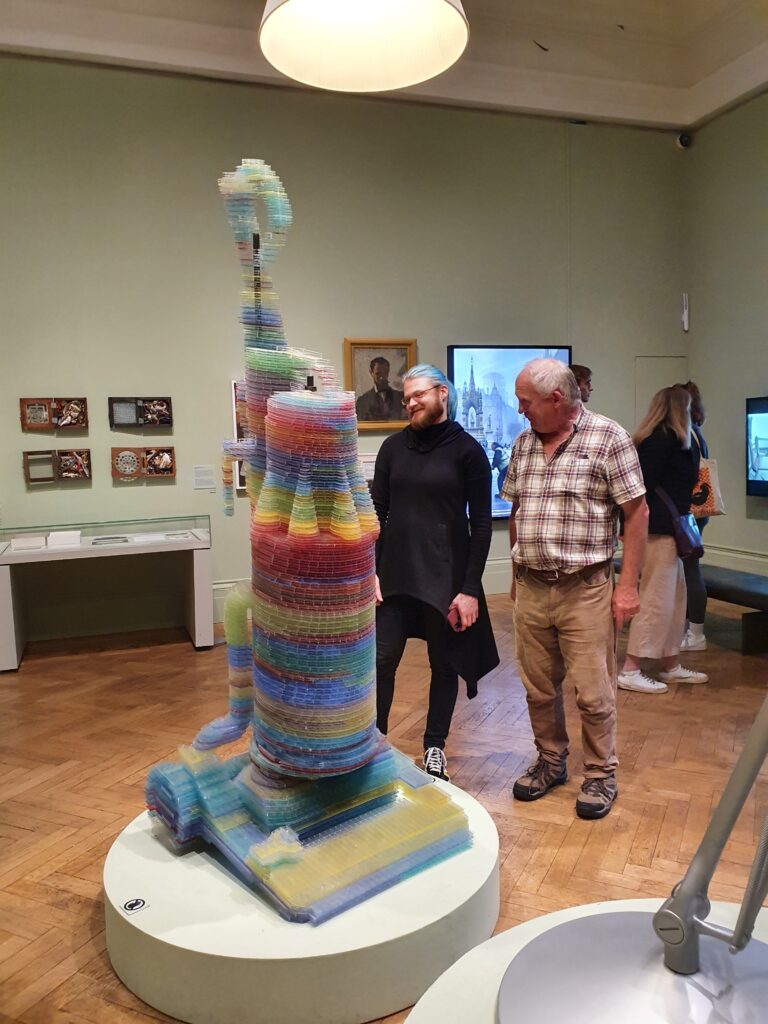
You can never quite tell what impact an art gallery is going to make.  Some are stuffed with halls and halls of old masters which beyond appreciating the detail and talent of the artist, leave me a bit bored. Manchester hit the nail on the head by mixing up the periods, giving them context, and celebrating local art in all shapes and forms, and really made us stop and wonder

what is this strange object ?


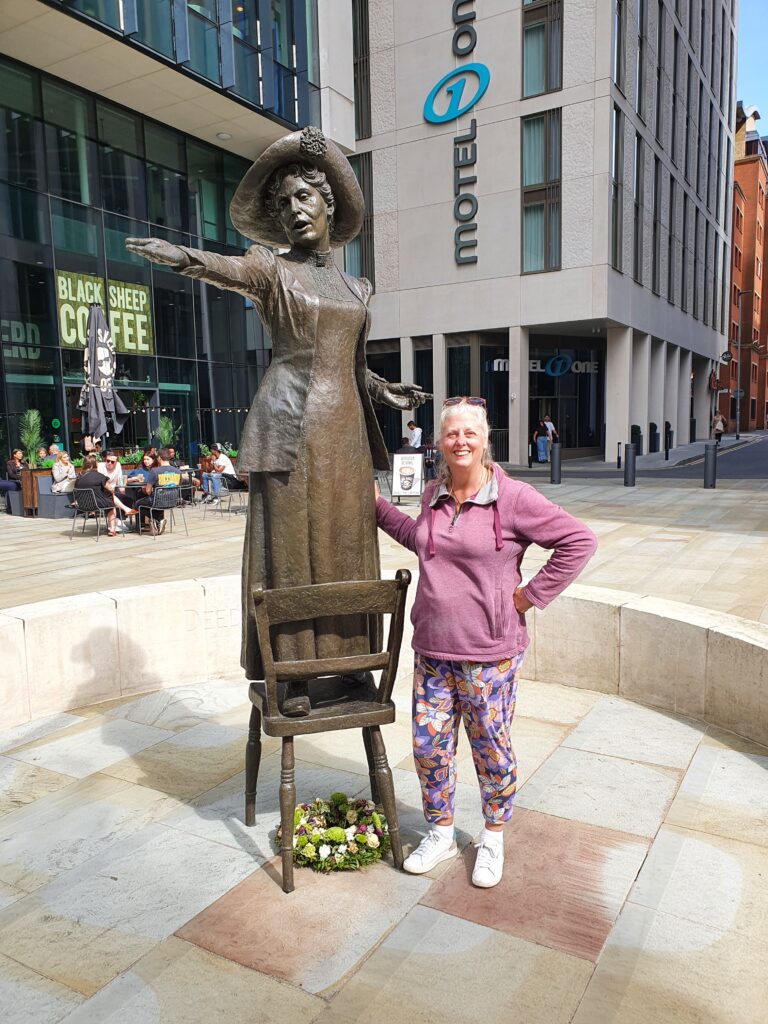
We saw a fair few Lowry’s, but outside I had to pay homage to a hero of mine, Emmeline Pankhurst who came from Manchester, thankyou.

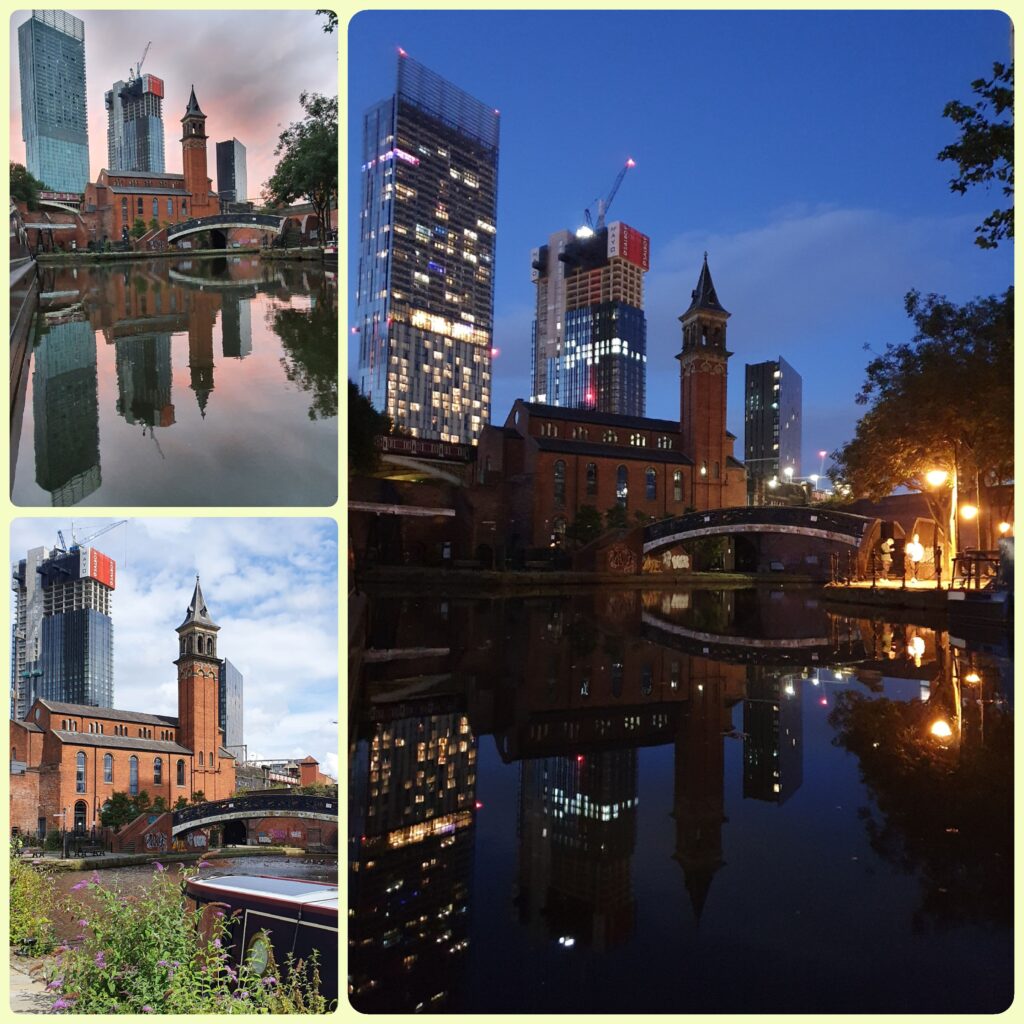
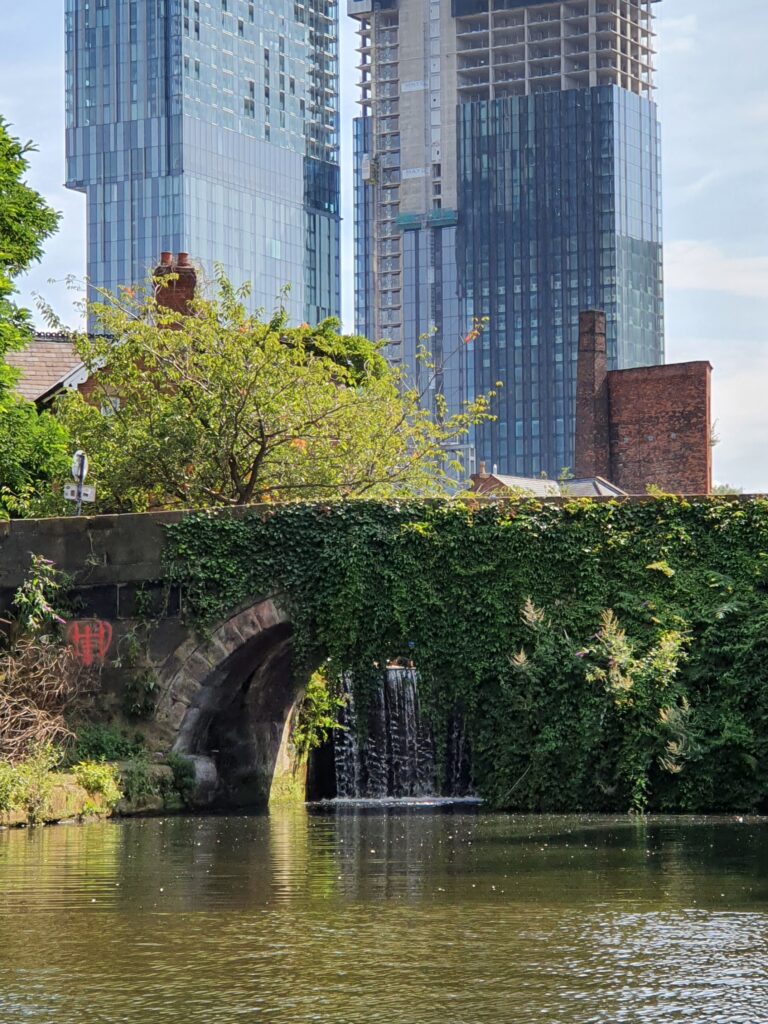
Cruising through Manchester has a bit of a reputation, and it wasn’t certain that we would be able to get a mooring in Castlefields but we were lucky, we found a space and it felt safe enough. Interesting being surrounded by the old and modern buildings, ( although I think the planning board need to consider the aesthetic impact of the high rises)

Castlefields by day evening and early morning

Rito went home to sleep in his own bed overnight, but joined us again as we cruised back out of central Manchester. Past the start (or end) of the Rochdale canal,

Im not sure I fancy going through that lock

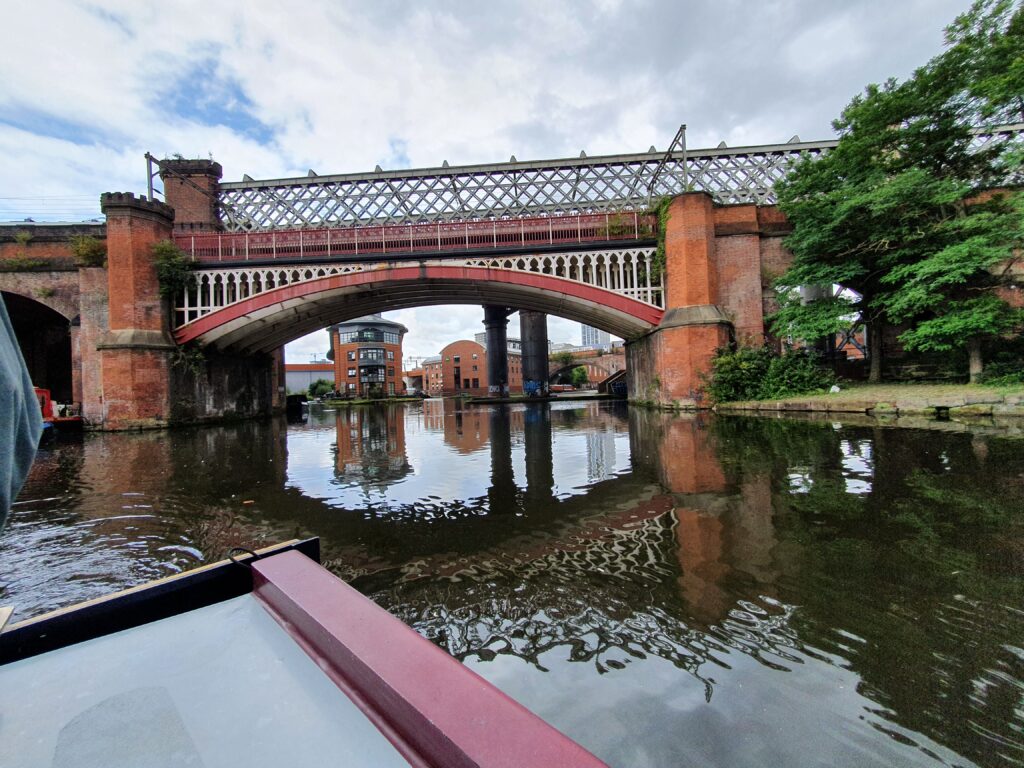
And some very impressive arches carrying the transport infrastructure that helped make Manchester the thriving city it is.

Past some impressive street art, and some bad graffiti,

the city of Manchester adopted the image of of the worker bee over 150 years ago because it encompasses the ethic of hard work and a hive of activity

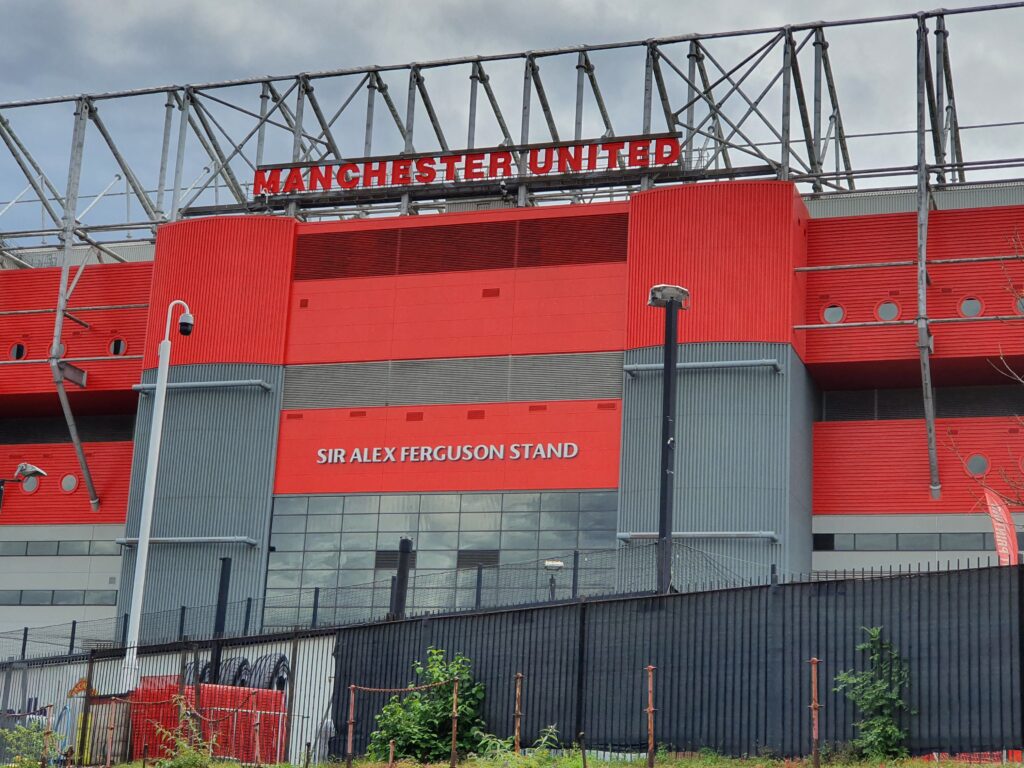
Past the famous football ground,

Work hard and play hard

And back into the “country side”

but that can’t be real countryside, just look at the towpath quality

A good 2 days enjoyed.

what’s the rush

What’s the rush,

I’ve been somewhat distracted over the past month or so. Now we were on the Bridgewater it felt like Firecrest was within touching distance of its final destination, Liverpool. So close to the Mersey, yet from Preston Brook to Salthouse Dock, it is 74 miles and another 14 locks and we had a whole month to complete our journey.
We have cruised the Bridgewater before so we knew roughly where we wanted to stop. We enjoyed a day in Lymm but behaved ourselves so we didn’t get locked in the stocks,

Lyme market Cross and Stocks

We explored the house

Inside Dunham Massey

and grounds of NT Dunham Massey

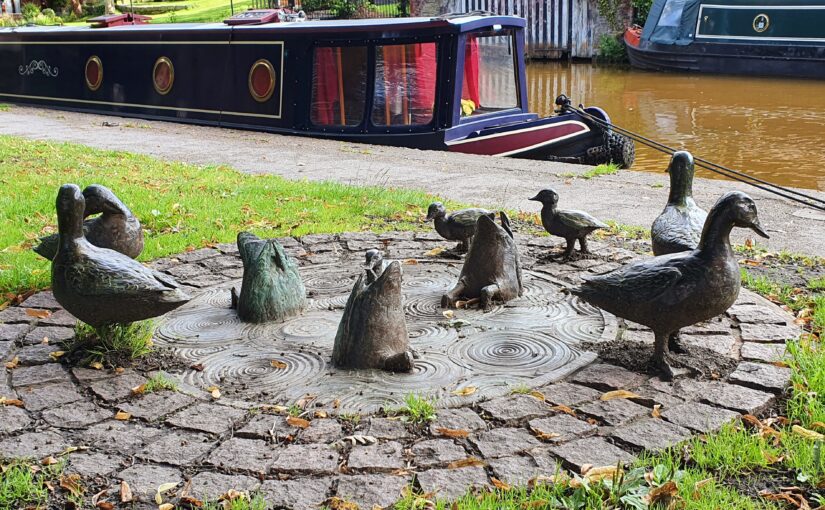
And the garden residents

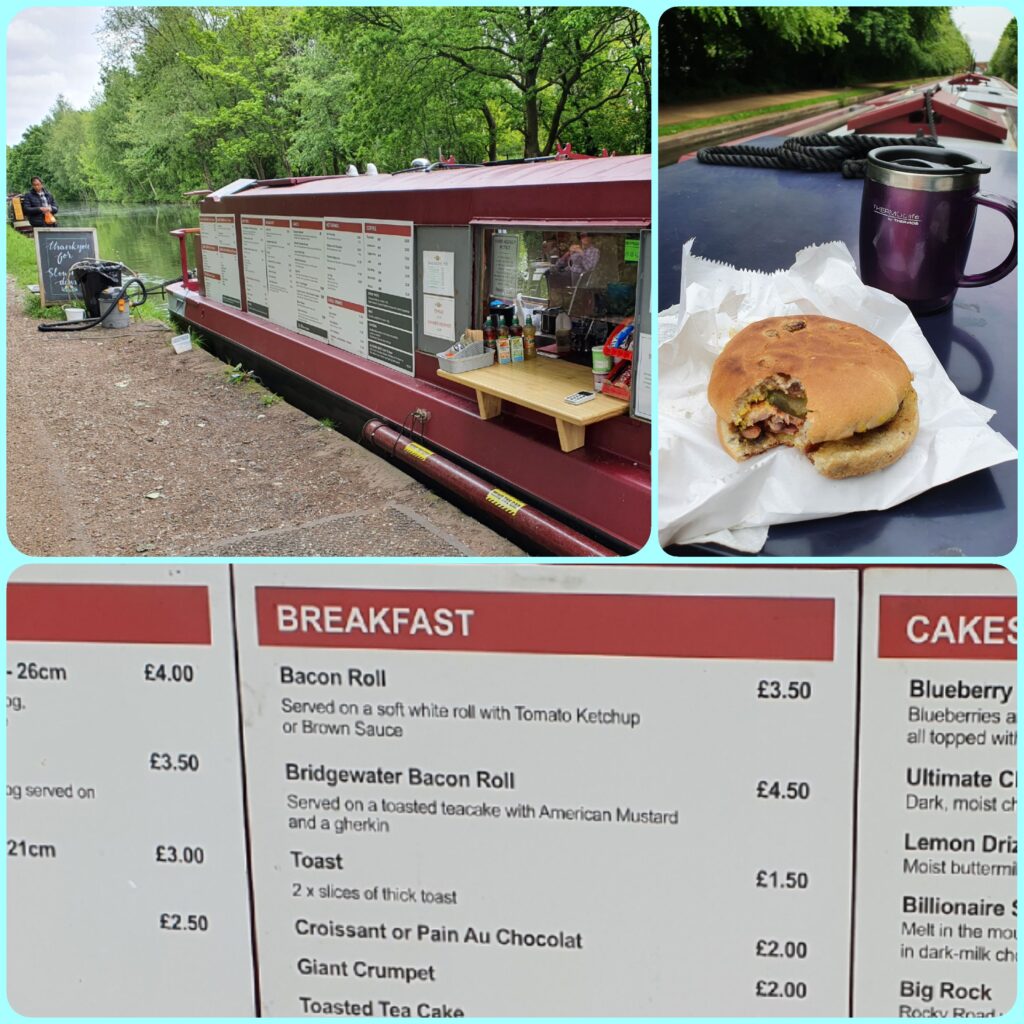
We stopped for breakfast at the  fabulous https://www.waltonperk.co.uk/ Walton Perk NB cafe and enjoyed a Bridgewater special,  basically a bacon butty but in a toasted teacake with gherkin and mustard.

https://www.waltonperk.co.uk/

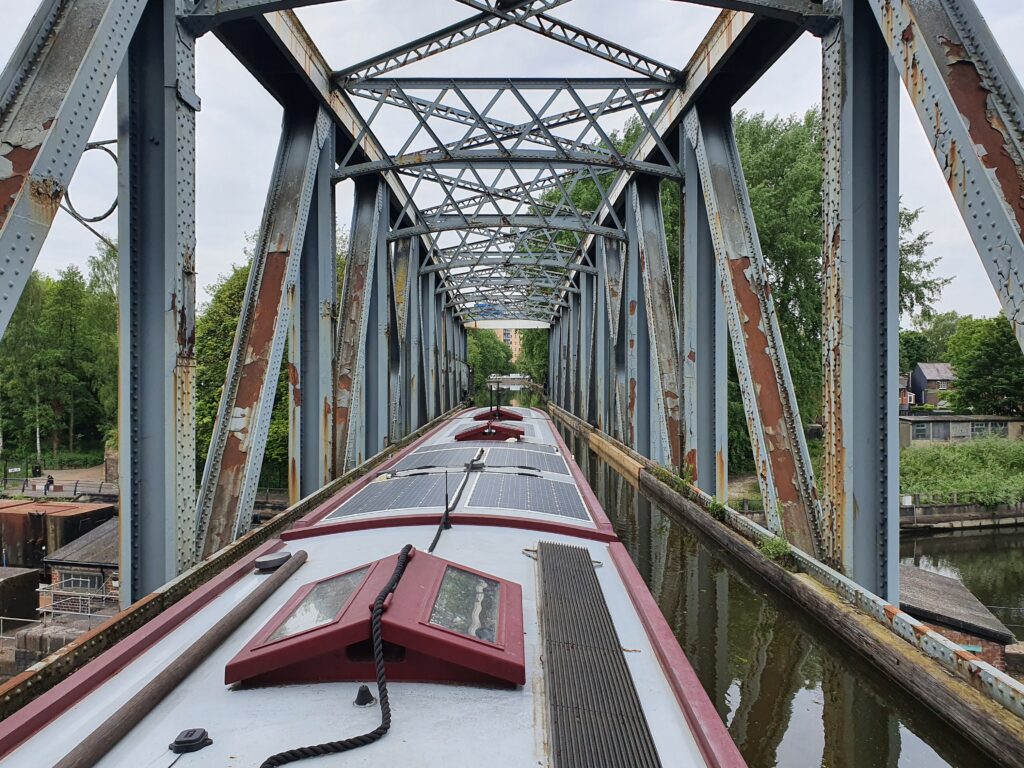
Before we crossed the incredible feat of engineering, the Barton Swing Bridge

And we were lucky enough to snag the prime mooring spot with an uninterrupted view of the Packet House in Worsely. And whilst it might be a stunning 18th Century building, it’s effectively was just the ticket office and station platform for those wanting to travel along the Bridgewater into Manchester

Ive always fancied a house with a garden mooring

Whilst we were moored in Worsley we took the opportunity to walk to the newly opened RHS gardens, making the most of our years membership that we purchased last year whilst we were on the River Wey at Wisley. Being end of May, the gardens were dominated by Alliums and Iris. The gardens is obviously still being developed over its huge site, so it will be fun to return  in years to come and watch it grow. We added a comment to the suggestion box…. Where’s the visitor mooring! It might only be a mile from Worsley, but its practically a mile to circumnavigate the car park from the towpath.

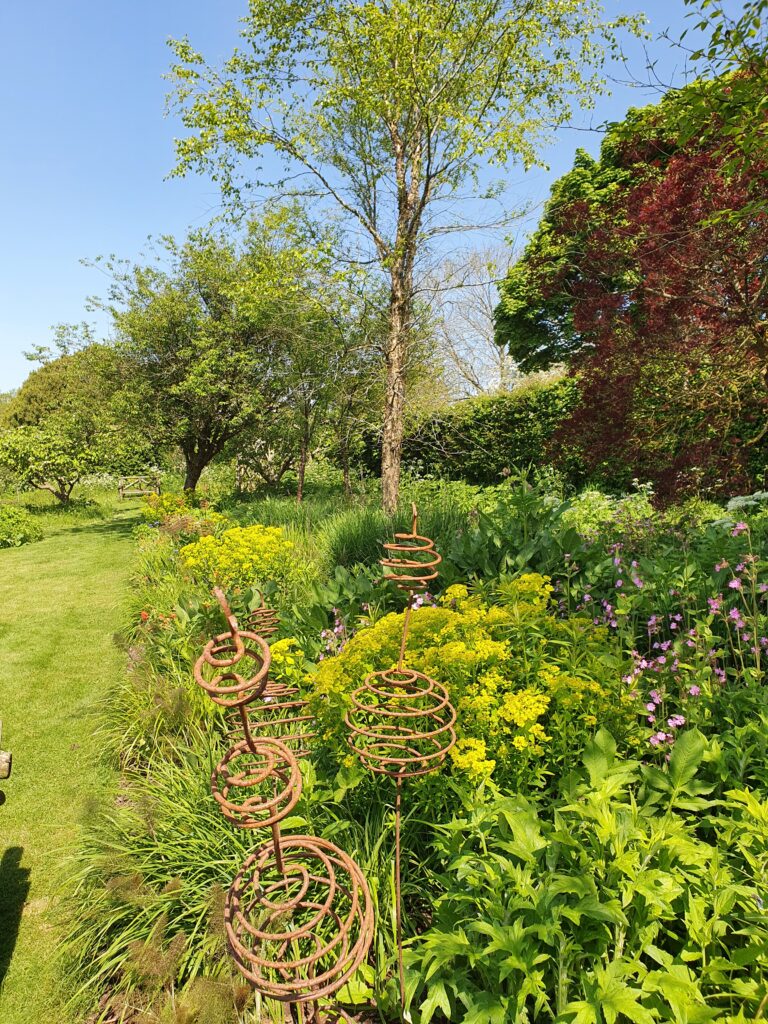
and I’d like a garden with flowers like these

With our 7 days of permitted time on the Bridgewater, it was off up to Scotsmans Flash on the Leigh branch for a few days

Scotsmans Flash

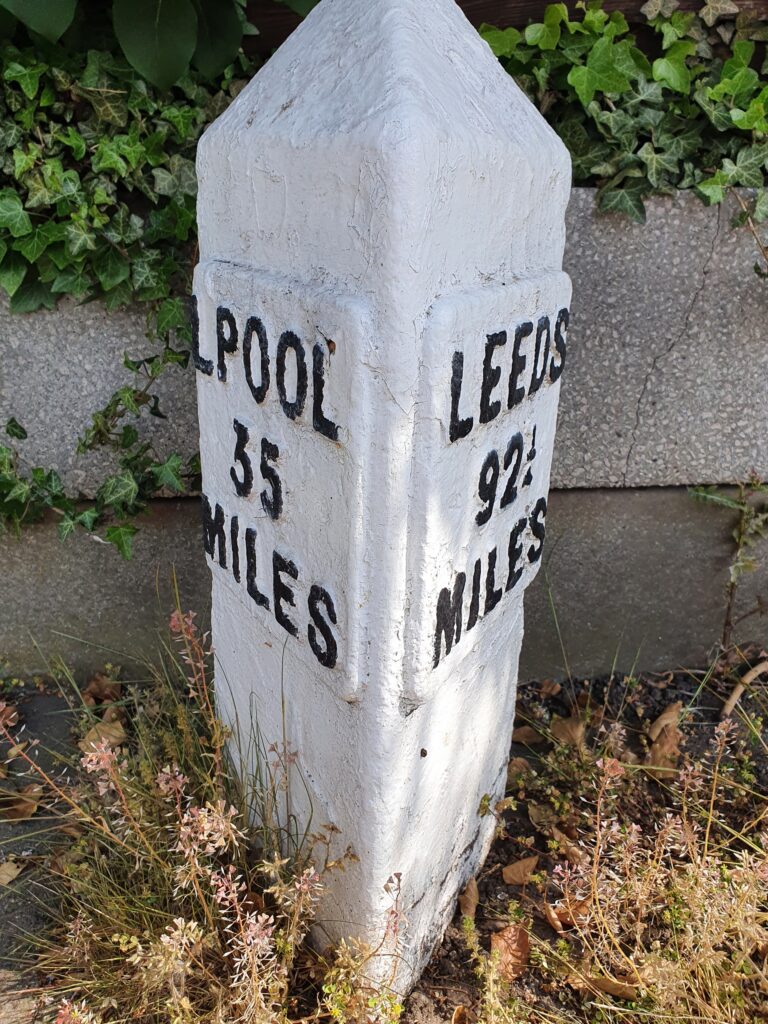
Although with the recurrent lack of water issues at Wigan we did fear we might get stuck there until monsoon season returned but another Pondstock Lock is invariably drained overnight, vandalism or leaky gates, who knows, we were able to get through and into Lancashire, only 35 Miles to go

Bluebells, Breaches and Bridgewater

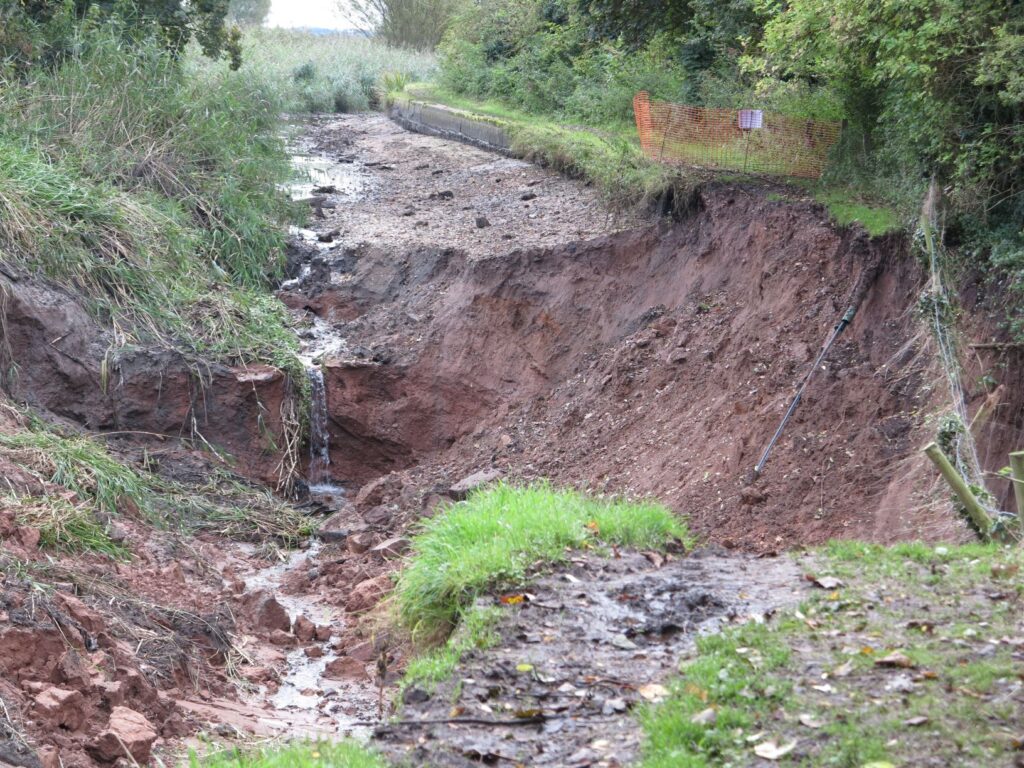
Back in 2012 the Trent and Mersey suffered a significant breach in its structure at Dutton,  the T&M society have a very interesting summary with some dramatic photos.

the Dutton Breach, photo taken from the T&M society website

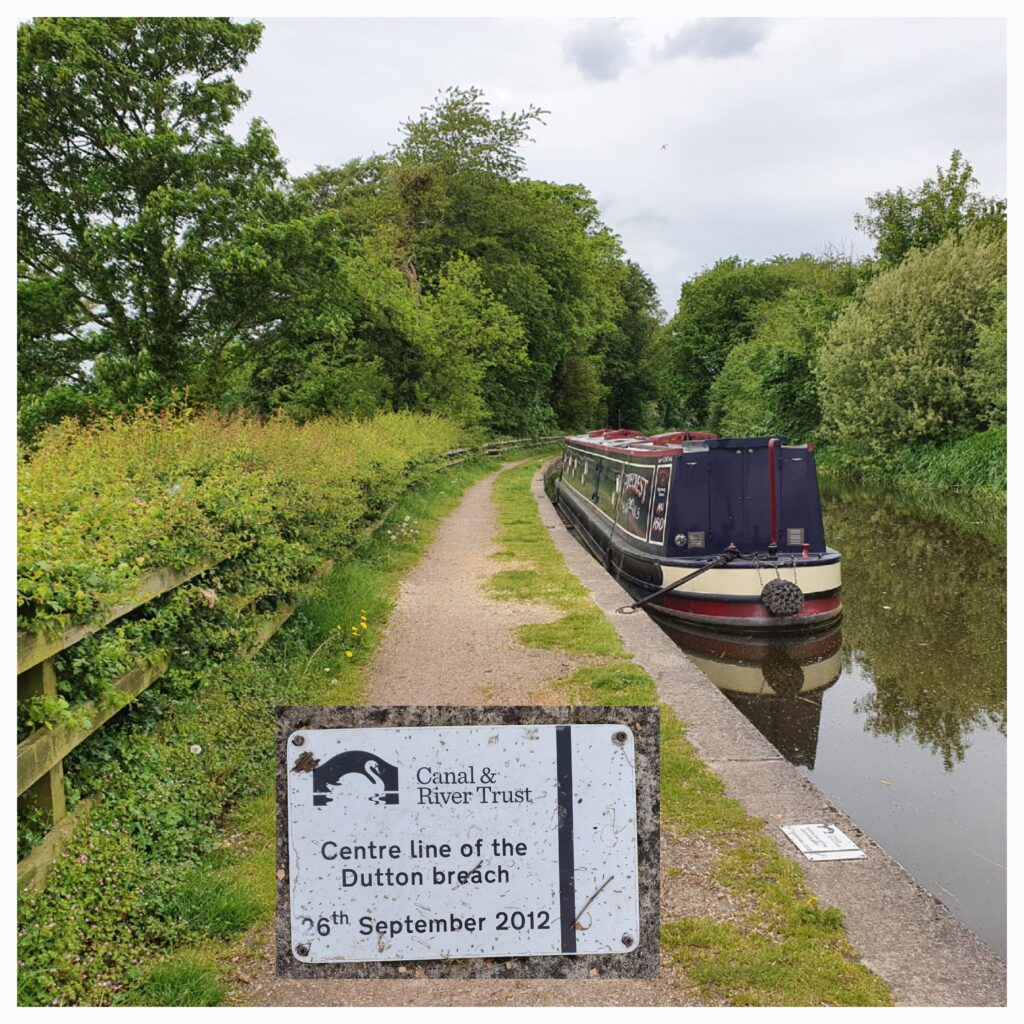
And whilst the plaque marking the spot is understated,

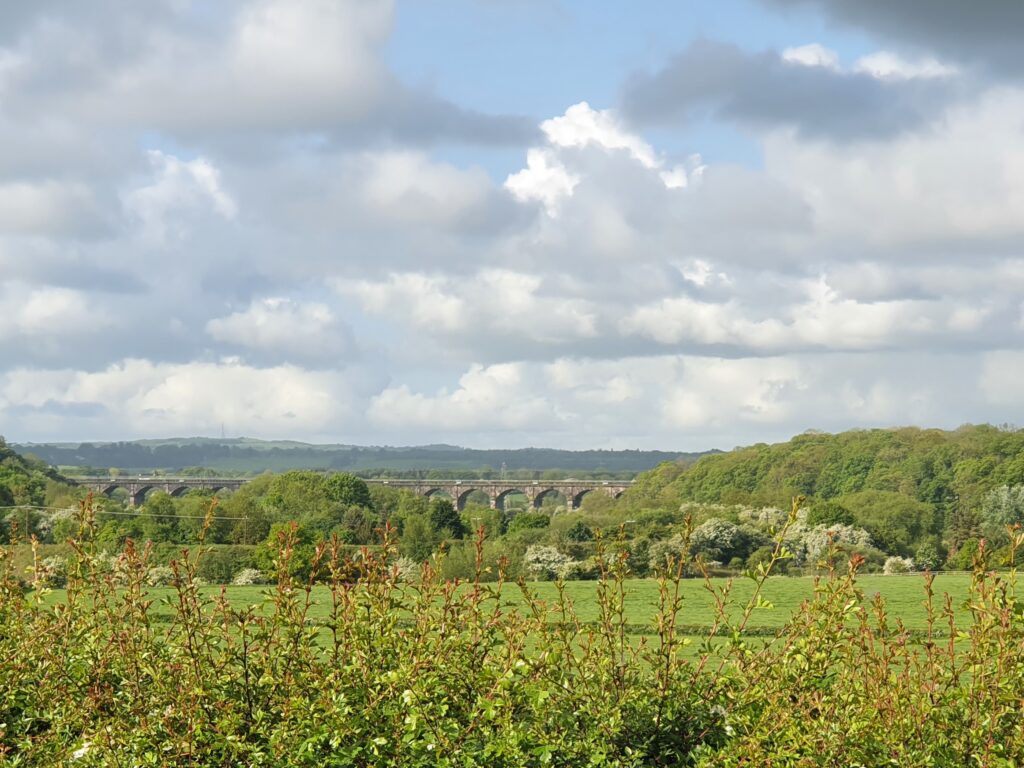
the consequences of the repair are some of the best moorings in the vicinity, with views over the Weaver valley and the impressive rail viaduct

Dutton Viaduct

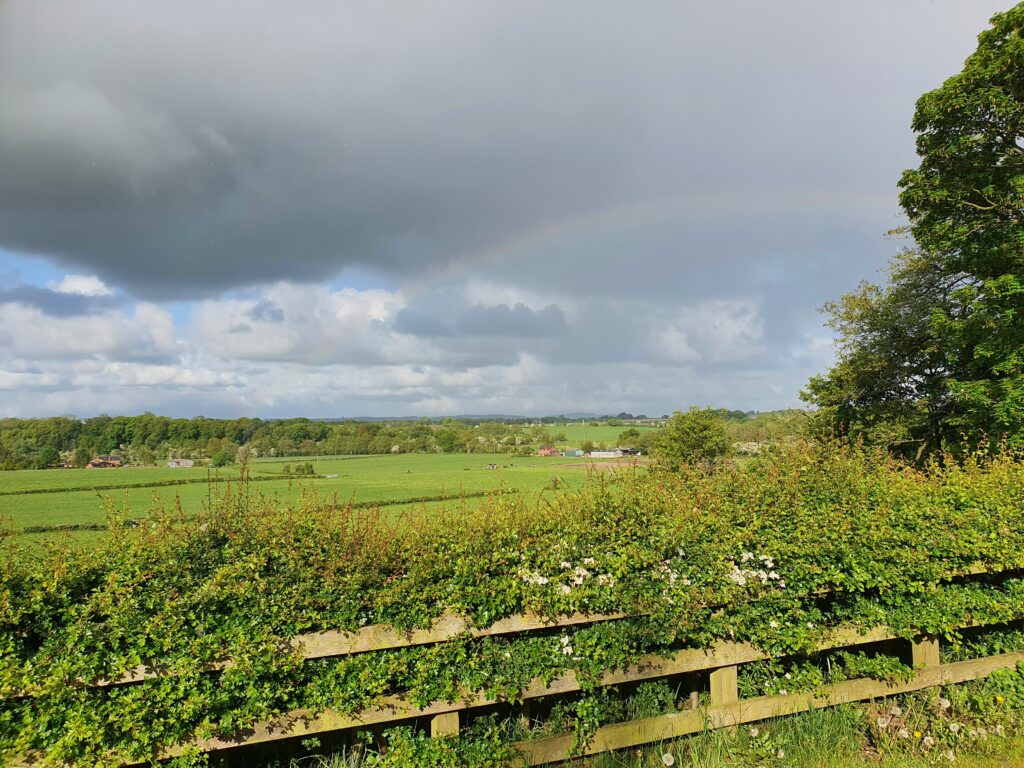
And if you’re lucky a rainbow as well

looking over towards the Welsh hills

A few hours earlier the sun had been cracking the flags and we took the opportunity to walk up to the Bluebell Cottage nursery, a small family business, that also opens up the garden on Wednesdays to Saturdays in the summer.

A beautiful garden


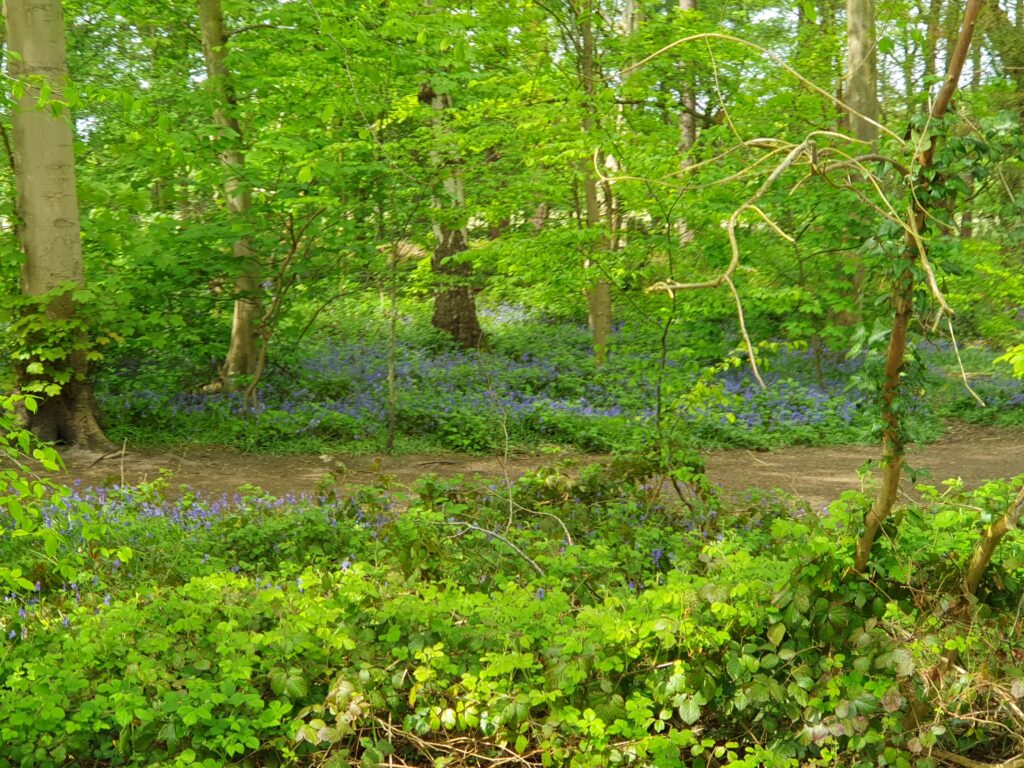
And yes there is a beautiful bluebell wood

We’d booked our passage onto the Bridgewater canal from Monday so on we went.

Preston Brook Tunnel

The Bridgewater canal is owned by Peel Holdings, rather than managed by Canal and River Trust, so we had to doff our caps and book a week’s passage before we were allowed transit through the tunnel.

Preston Brook wharf,

The Run to Runcorn


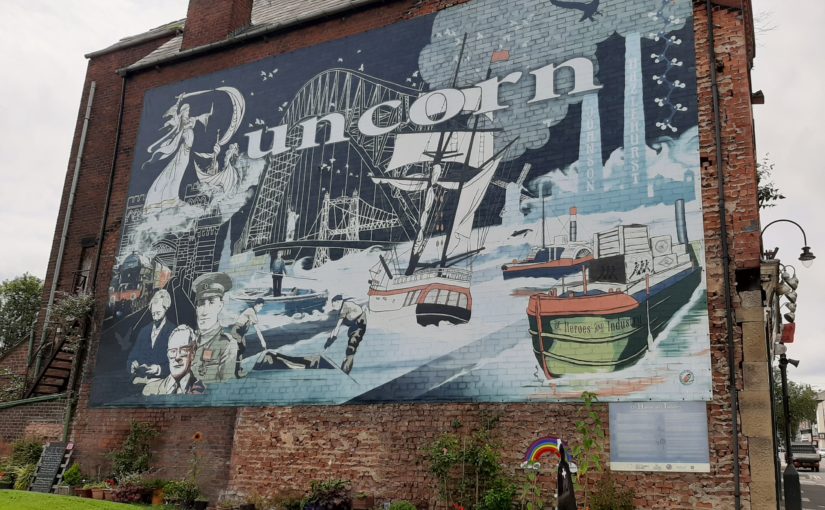
It was our last permitted day of 7 on the Bridgewater canal, and although we could have continued straight on, onto the Trent and Mersey, we decided to turn right, under a rather unassuming bridge and follow the 5 mile route to Runcorn.

Turning towards Runcorn

You could be forgiven for thinking this was a side arm, but in fact it is the proximity to the Mersey that made Runcorn the significant and profitable end destination to this canal. We suspect very few boaters bother to explore this section if they are traversing north to south, it was very quiet and predominantly rural. We didn’t meet a single boat moving in either direction it’s entire length and back.

Pleasant passage on the bridgewater

Although the quality of the Towpath and the occassional village school meant we didn’t feel cut off from the world.

Merry mural on the school

It took less than 2 hours to reach the official visitor moorings outside the Brindley Theatre, from where we set off to explore this industrial town. Although Ethelfleda established a settlement here in 915 AD, to guard against marauding Vikings, it wasn’t until the industrial revolution that Runcorn established itself as place of commercial value. And in 1964 it was designated a “new town” and it doubled in size. It’s not the prettiest of places by any means, but our focus was to see the Mersey crossings and the Manchester ship canal. We walked thought the concrete shopping centre and came across the beach.

Manchester Ship Canal

But this isn’t the sea, it’s actually the ship canal, with the Silver Jubilee bridge in the background. There’s an info board highlighting what can be seen from this view point.

You are here

So of course we wanted to get as close as possible to this awesome structure. For those of you that like facts and figures. Copied from wiki Construction began in 1956, The main arch is 361 yards (330 m) long and each side arch measures 83 yards (76 m). During its construction 720,000 rivets were used. Its height over the river bed is 285 feet (87 m) and the headroom over the ship canal is 80 feet (24 m). During its construction 5,900 tons of steel were used and 7,500 tons of concrete. The bridge requires constant repainting, with each coat using 6,000 imperial gallons (27,300 l) of paint. On the Runcorn side the approach viaducts are 359 yards (328 m) in length, and on the Widnes side 166 yards (152 m). The cost of constructing the bridge was £2,433,000.[18] At the time of its construction it had the third longest steel arch span in the world. It had the longest vehicular span in the country, but this record was held for only a few weeks until the Tamar Bridge was completed. By 2001 it was the 10th longest steel arch bridge, and at that time was just 8 inches (20 cm) short of having Europe’s largest span. It carries over 80000 vehicles a day, 10 times more than it was designed for.
Towering over Runcorn

and to our pleasure, (though not the locals) the bridge is currently closed to road traffic, whilst they upgrade it and add toll booths. We were still able to walk across.

Work in progress

We were only able to see clearly on the east side (towards Manchester) as we first crossed the ship canal, then the wide open mud flats of the Mersey at low tide, with the Fiddlers Ferry power station and industry of Merseyside on the north.

Views east from the silver Jubilee bridge

As we arrived into Widness in Merseyside, we saw the historic Mersey Pub, aka the Snig, where boatmen and women who had to brave rowing across the estuary, were served the local delicacy Snig pie…. made with locally caught eels

The Snig in Widness

When we were able to look West we saw the equally impressive railway bridge which runs parallel to the road bridge

The 19th century rail bridge

And in the distance, about 1.5km east, the Mersey Gateway bridge which opened in 2017

Looking towards the new Mersey Gateway

Having had our fill of bridges for the day we returned to Firecrest. I nipped into the convenient supermarket whilst Eric took Firecrest the remaining ¼ mile to the end of navigation and turning point.

Victoria arm, End or start of the Bridgewater canal

So we could return to Preston Brook and enter it’s tunnel through to the Trent and Mersey.

Preston Brook tunnel

Again as with most of the places we have visited on the Bridgewater canal, I would happily have stayed longer to explore more. But the Anderton boat lift awaits us on the next stage of our adventure.
Bridging the family gap.
Although Eric was born in Yorkshire, his family roots are around this area of Cheshire and, what was formerly, Lancashire. And this week has been very much centred on family, after earlier visits from Tim, Jane and Kevin we were now looking back in time to places where Eric’s predecessors had roamed the streets, and as it turned out also the canals.
We moored up at Stockton Heath which is nestled between the Bridgewater and the Manchester ship canal, with Warrington being on the north side of the MSC.

Lumb Brook aqueduct

We deferred to brother David, who has taken a lot of effort to collate the information about the family. Mum was born in Warrington, sadly her father, died in an industrial accident while she was still at school, but Gran kept the family together by taking a job in the Stockton Heath telephone exchange. Mum was never able to follow her own dream of training to become a teacher as she also took work in the telephone exchange. She used to tell us stories about scurrying to get to work before the swing bridge was opened to let the first boats of the day along the ship canal. She’d be half an hour late and in serious trouble if she got her timing wrong. Eric and I took the opportunity to walk across the bridge and remember her.

Stockon Heath bridge, designed by Edward Leader Williams, same man that designed the Barton Swing Aqueduct, crossed by mum and Gran in the 1930s and ’40s

Eric’s father was also born in Warrington, and he did get chance to complete his education, eventually gaining a doctorate in theology

The Rev Dr Harry, Dad


Although he knew he had a calling to become a Methodist minister, he followed his mentors advice and worked elsewhere before he trained for the ministry. Mum and Dad met and married at (now demolished and rebuilt) Bold street Methodist church in Warrington. I don’t know what it was like then but now Stockton Heath seems quite a trendy place and had the Bridgewater time restrictions allowed we would happily have explored further, we did see a blue plaque, but alas not commemorating Eric’s great achievement’s, it’s where George Formby lived.

We continued cruising through leafy Cheshire, through Daresbury which is where Dads grandparents Willie and Martha Jones had lived on a farm at Newton Bank around 1865 to 1890

Martha and Willie Jones, great grandparents

The weather was against us with strong winds, rain and poor mooring so we weren’t able to explore on foot. But we did go on to Preston Brook because that is where Willie had worked as a canal porter. Now the home of a rather uninspiring Midland chandlers

Midland Chandlers on the site of Dandys wharf with the M60 behind


The info board shows there were several wharfs here, where the Bridgewater shortly joins with the Trent and Mersey Canal or takes a sharp bend under a bridge and continues 5 miles to Runcorn.

From David’s investigations we suspect Willie worked at Norton Wharf just beyond the bend,

Approaching Norton Wharf heading towards Runcorn

which is now a canoe manufacturer and housing development.

I wonder what Willie would have made of this

When Eric and I first decided to move onto the water we had no idea of his great grandfathers past. Around 1890 Willie left the canals and moved to Warrington to become a white lead worker. I think that says something about the hardship of life on the canals that white lead was preferable to coal and cotton. It’s been a strangely surreal time walking the same footpaths and bridges that our family was 150 years ago.

Preston Brook Bridge and the cottages on Willies walk to work

I hope someone will read this in 150 years and feel the same sense of family pride that I do.

(Since my previous post David has sent more information about relatives working in Lymm, which I have added onto that page.)

Lovely Lymm

We had been told that the Bridgewater was a pretty canal, but nothing quite prepared us for lovely Lymm. It seems to be a thing on this canal that you turn a corner or go under a bridge and wham a stunning house on the bank. Lymm didn’t disappoint.

A very des res

It’s a chocolate box village and I hate to think how busy it would be in the “old normal”. We’d picked up Eric’s cousin Jane and her husband Kevin who live in this area for a short cruise and they acted as our tour guides.

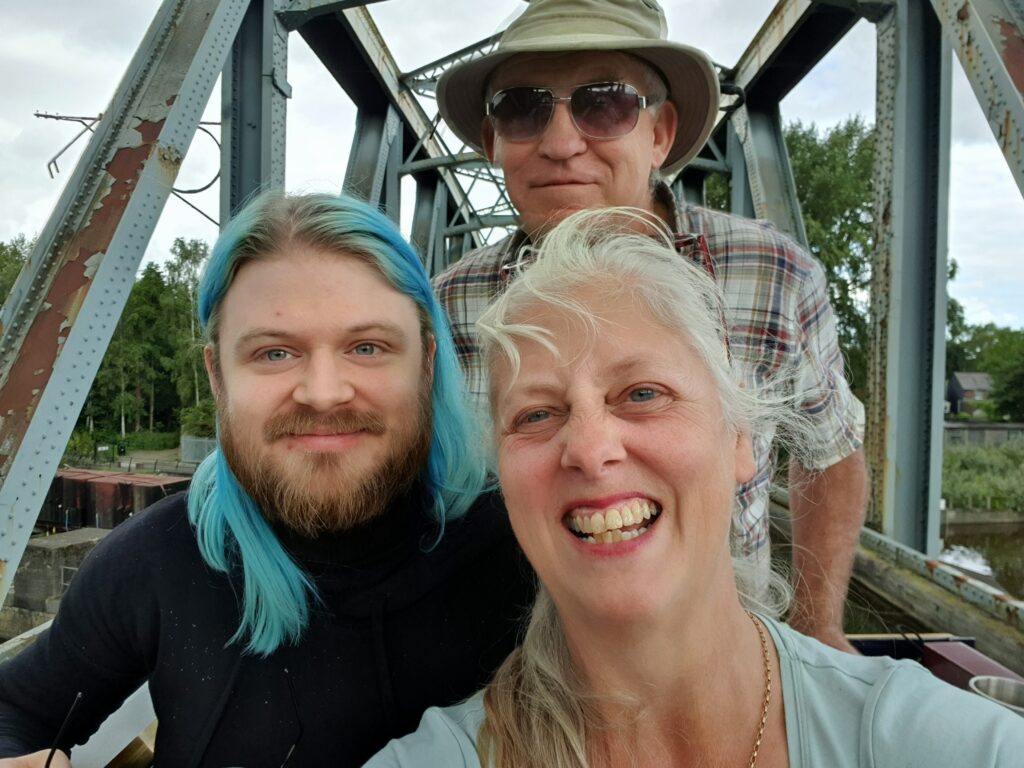
Jane, Eric and Kevin

Lymm’s history is fascinating, yet small enough for the local heritage centre to be well worth a visit.
The central gathering point is a mediaeval cross built on a sandstone mound. It’s very similar to the red sandstone used to build Liverpool cathedral. Although I don’t recall seeing stocks outside the cathedral.

Lymm cross


Lymm was here long before the canal, it’s mentioned in the doomsday book. The turnpike road from Warrington to Stockport passed this way, but the industrial revolution and the canal brought many changes to this mainly agricultural community.

Not sure the working canal was quite this tranquil

In the early 1800s the women had a cottage industry as Fustian cutters. For those of you, like me, Fustian is a thick woven cotton/linen cloth that has a cut pile. Generally used for coarse working garments but also includes fine fabrics such as silk velvet. The woven fabric is brought from the mill to the cutters, it is dressed with a stiffener to enable the cutters to work their magic. It’s laid onto a long table where the cutters use special rods and knives to delicately cut the fibres.
The rise of the cotton mill industry demanded a huge workforce and many relocated to the towns to secure a steady, if meagre income, however Lymm being slightly further afield but on the canal route was able to transport cloth to and from Manchester and the cottage industry became the mainstay of Lymms victorian economy. Three story terrace cottages were built where the entire top floor was one long cutting room. Whole families worked as cutters including the men not just the women. The children were given laudanum and alcohol, sold for teething, to keep them passive until the were old enough to learn the trade, around 8 years old. Despite the work being intricate yet very poorly paid many of these families knew of nothing else, it was simply their way of life and was accepted.
However Lymm has other claims to fame, the Fustian industry had largely died out by the early 20th century as the process became mechanicalised. Wright’s of Lymm Ltd became a prominent employer making gold leaf until the 1980s. Wright’s gold leaf is what was used to decorate the gates to Buckingham palace. Not all of Lymm’s trade sparkled so. £30000 a year was made transporting nightsoil to be used as agricultural fertiliser.

Getting rid of rubbish must be one of Lymm’s current day assets as well. If you recall that big black binliner full of cardboard from our solar panel installation that had been sitting in the shower for the past week. Lymm has a dedicated boaters recycling bin. Oh the things that make me happy.

A welcome sight

We enjoyed a whole day in Lymm, Eric went off to visit Kevin’s workshkop. Sponsored by the Methodist church, Kevin runs the Chapel in the Fields project, providing a safe space for creativity and spirituality for the community.


He made us a lovely oak plaque for Firecrest. If we lived locally I’m sure it’s something we would both be actively involved in.

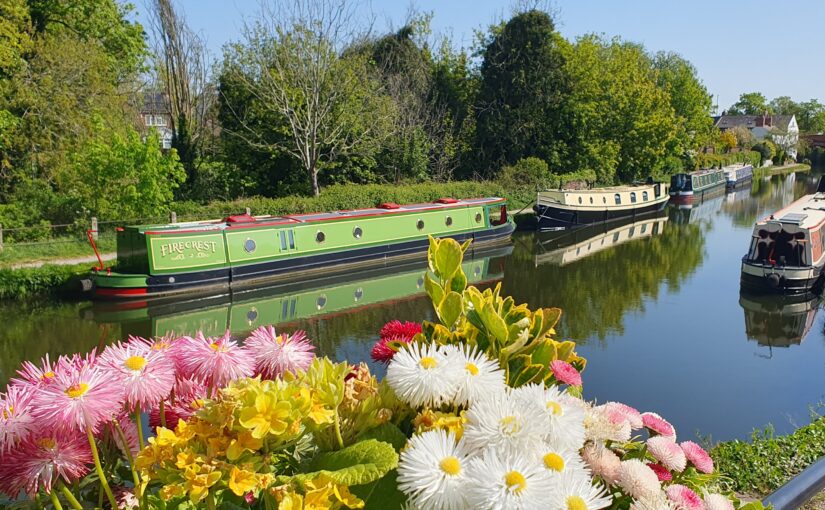
Firecrest

While Eric was being treated to the sights and smells of a woodworkshop I went off for a walk through the woods around Lymm Dam.

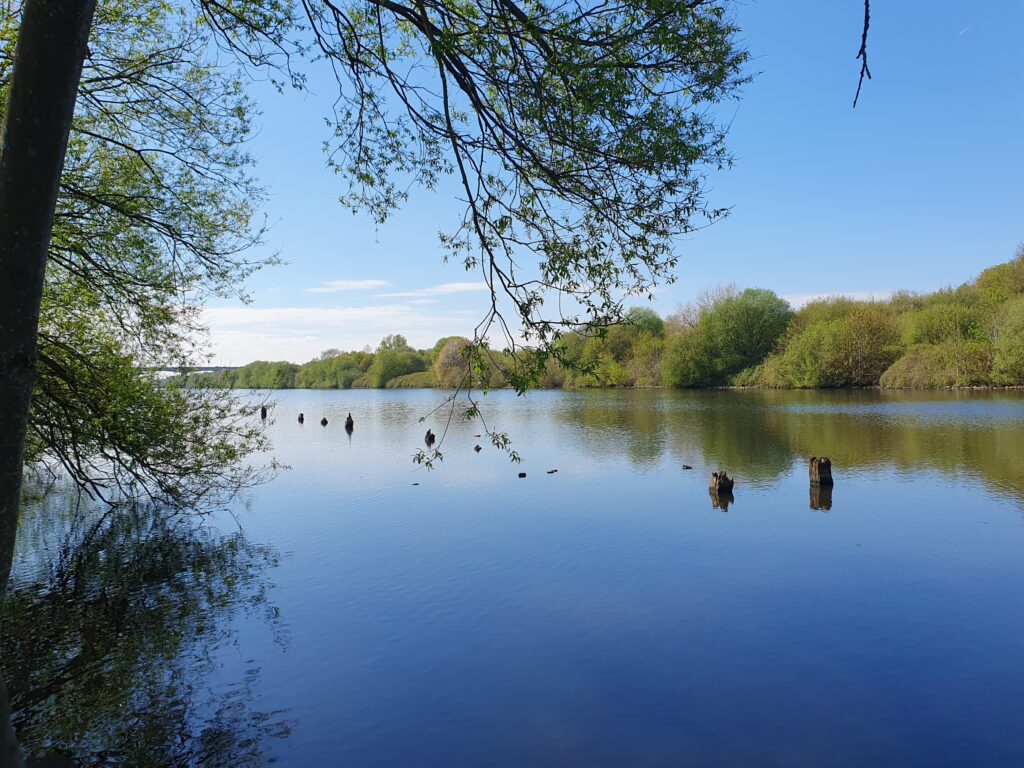
Lymm Dam, a pleasant 1.5 mile walk.

Since writing this post, we’ve discovered some more family history. Eric’s great grandfather, Thomas was born in Lymm, he was a labourer and moved to Warrington. Eric’s second great grandfather was Jabez Plinston(1826-1898), both he and his first wife were Fustian cutters. They were married in 1845, and had 2 children, sadly both died before their first birthday. Maria also died aged 26, Jabez remaried and a few generations later along came Eric.