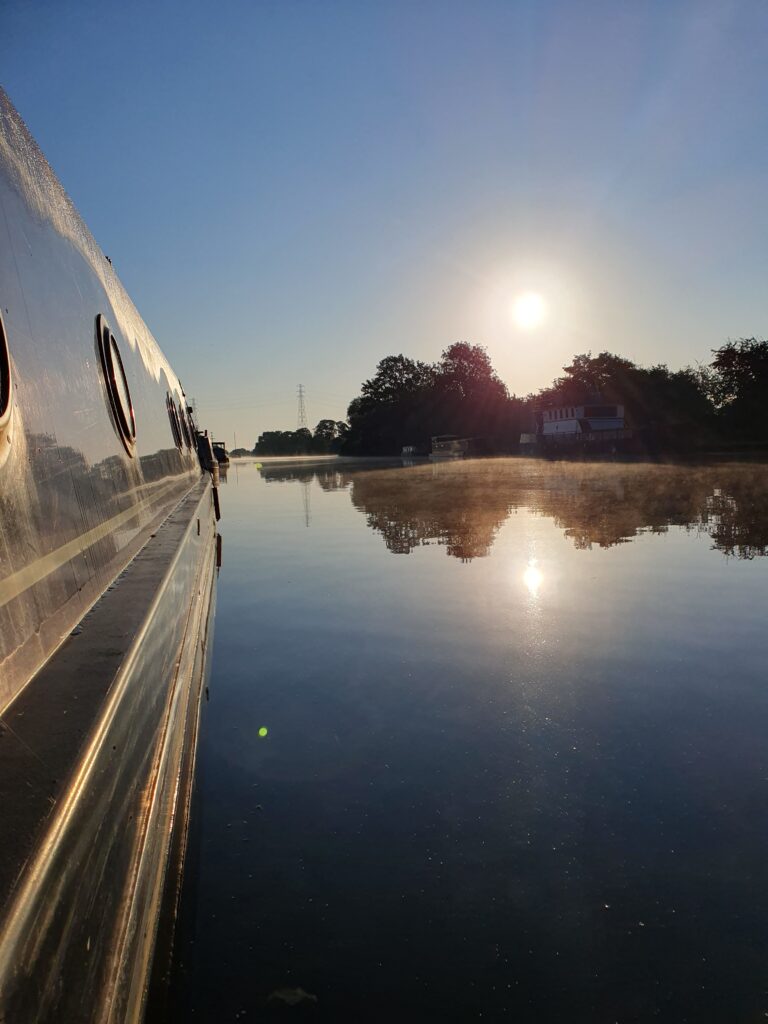
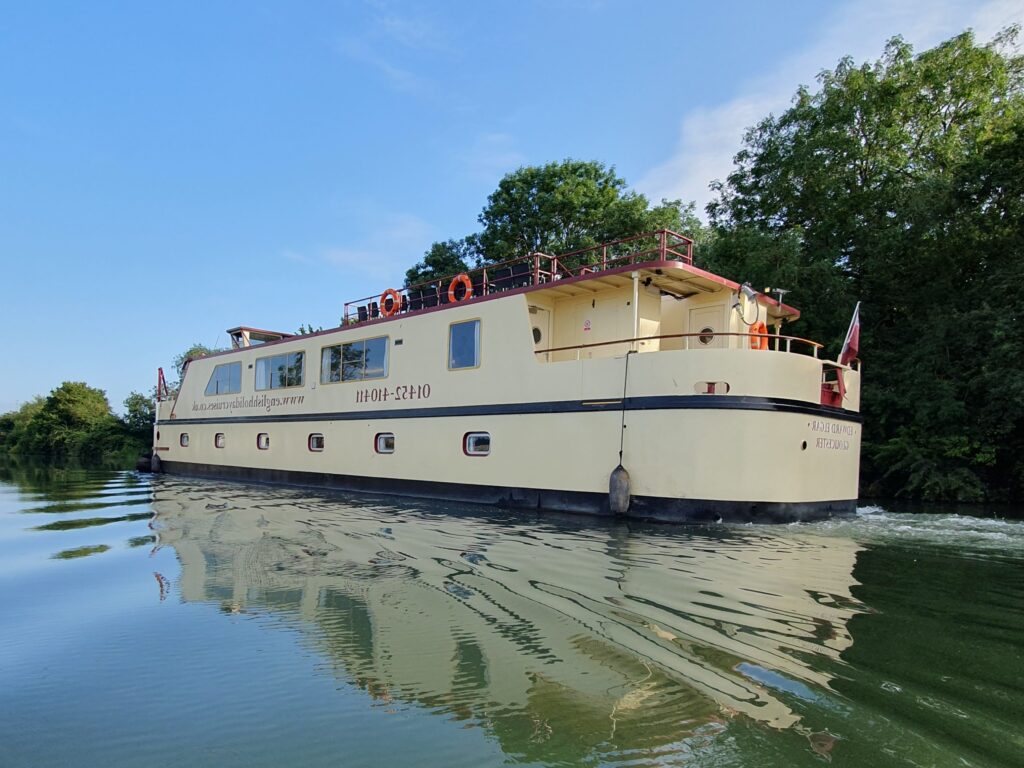
The Gloucester and Sharpness canal was completed in 1827 in order to provide a safer transit than the dangerous tidal Severn estuary. Although only 16.5 miles long it was once the deepest and broadest canal in the world. It was a major route for goods being brought in from overseas, there was an oil tanker delivering to Gloucester and in 1937 two submarines also made the journey inland. Commercial traffic more or less ceased by the mid 1980s but the largest inland hotel boat in UK, the Edward Elgar still uses it regularly.
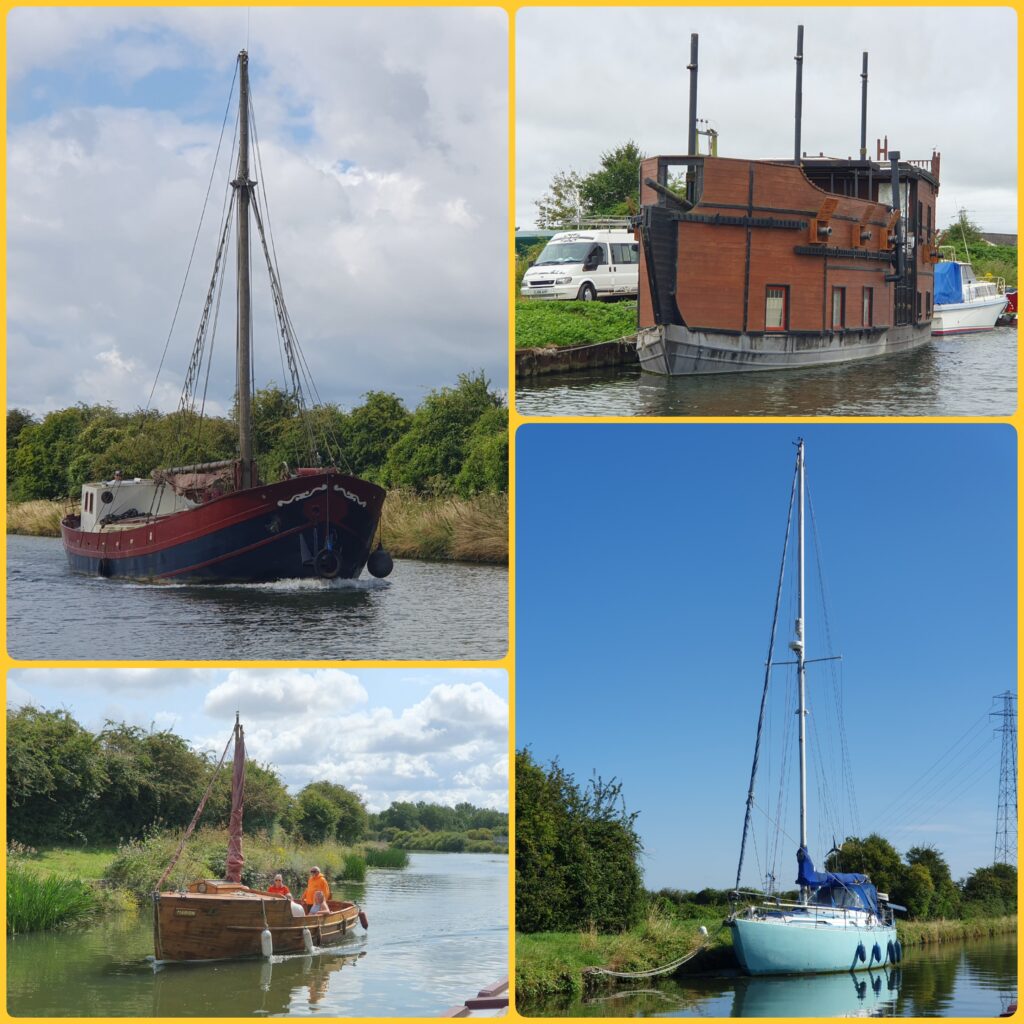
It’s a fascinating waterway for us with lots of unfamiliar boats making it home
lot of the journey south you can look to the west and see the river running close to the canal, and the Welsh hills in the distance.
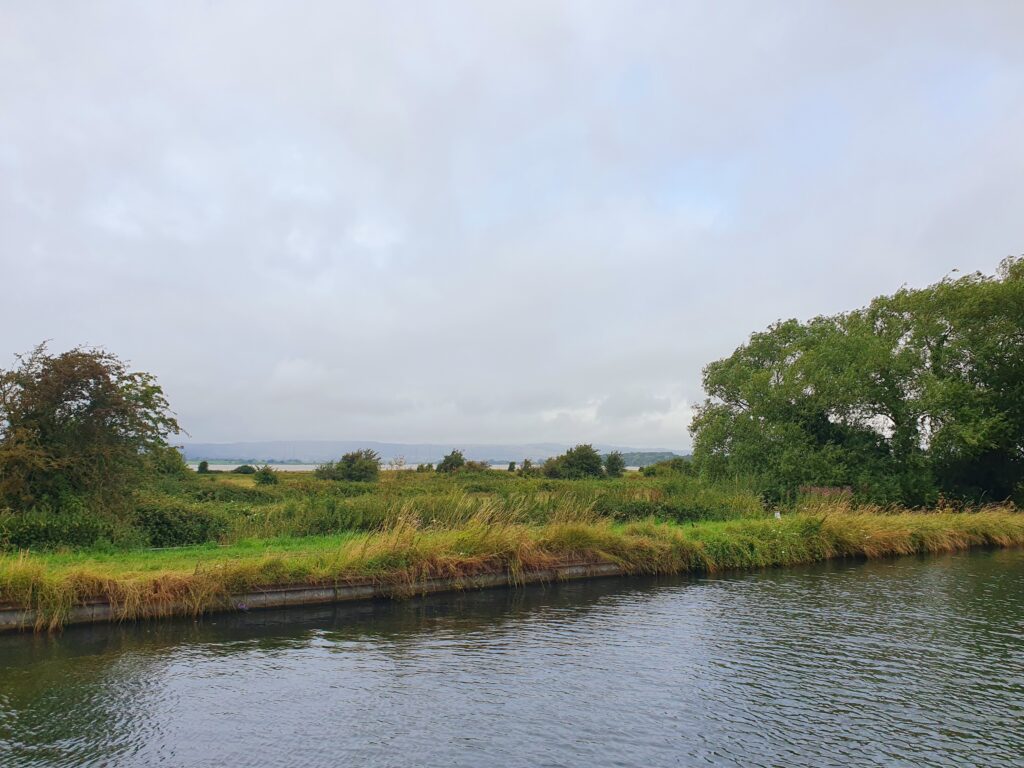
The proximity of the river and canal proved to be a constant source of worry, as any breach would have rendered the canal unusable. At Purton, there was little more than the width of the towpath between the two during a high spring tide. When the river bank collapsed in 1909 a plan was devised to create a tidal erosion barrier
Between 1909 and 1965, ships and boats that had reached their sell by date were “hulked” by towing them up to Sharpness then releasing them to be carried up the bank to Purton at high tide. They were then holed and left to fill up naturally with silt, much in the same way that stone groins protect coastal beaches.
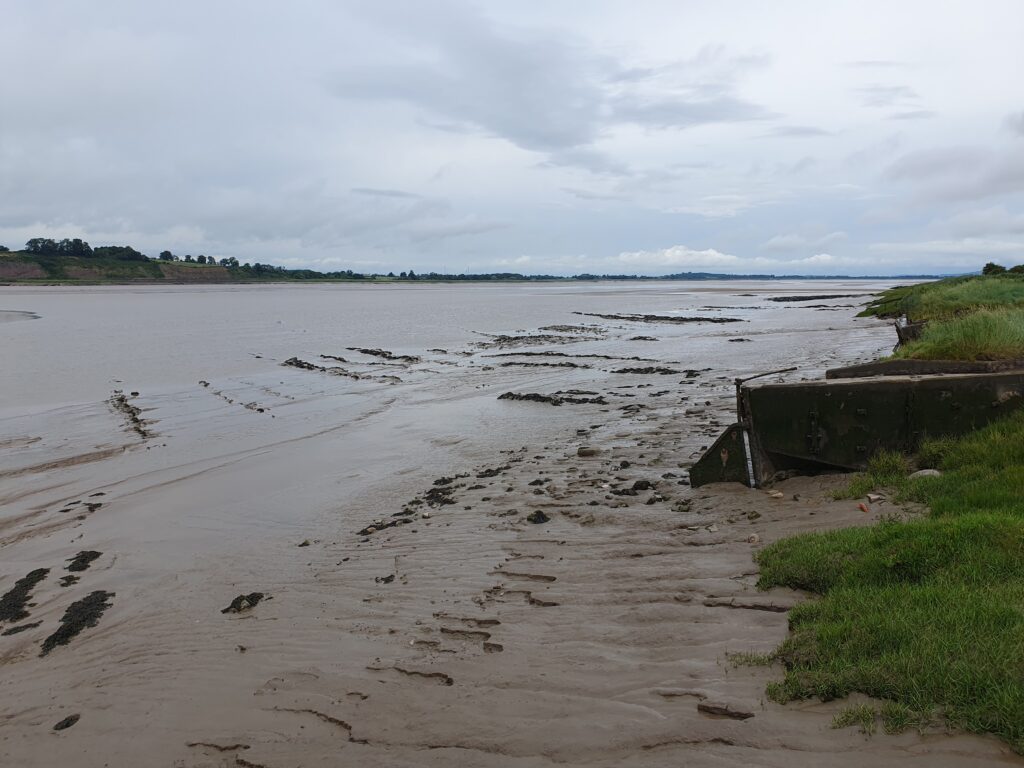
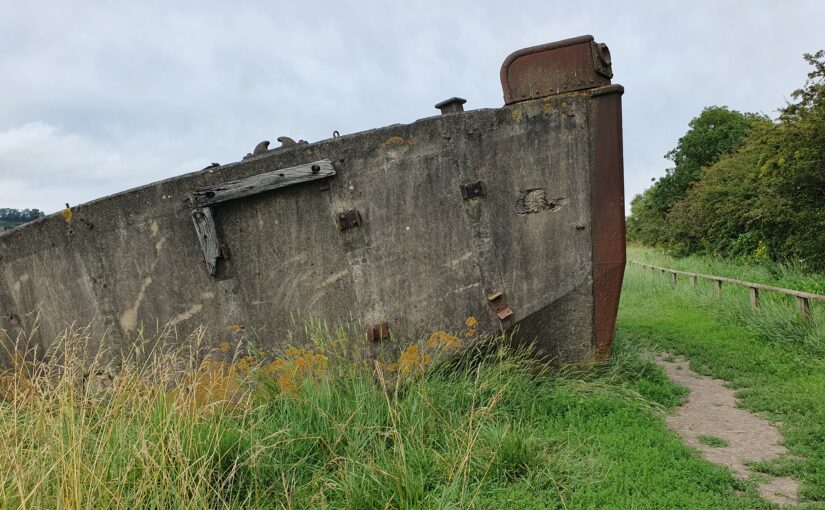
A total of 86 known vessels were hulked, including Severn Trows, Kennet Canal Barges, Schooners and some WWII ferrocement barges.
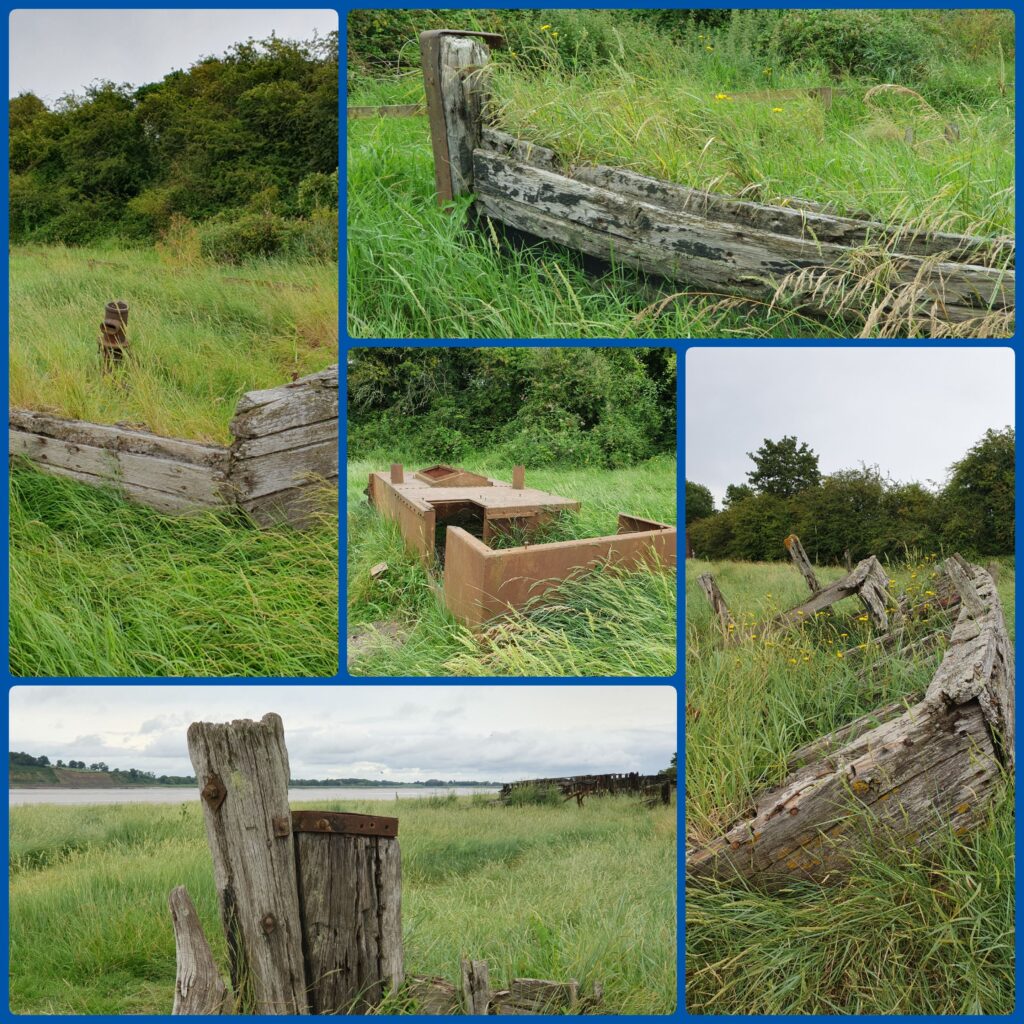
Nowadays, the “Purton Hulks” would be preserved as historic boats as there are so few of them left. Burocracy stands in the way of doing so now, as they are neither covered by the “Preservation of Wrecks” act because they aren’t on the sea bed and they aren’t classed as “Ancient Monuments” because they aren’t on land. Although since 1999 an enthusiastic team of Friends has been doing what they can to record what they can and the tales these ships can tell. Our favourite story, was the Katherine Ellen a schooner that was impounded for gun running to Ireland in the 1920s. But the most impressive to look at now are the ferrocement barges
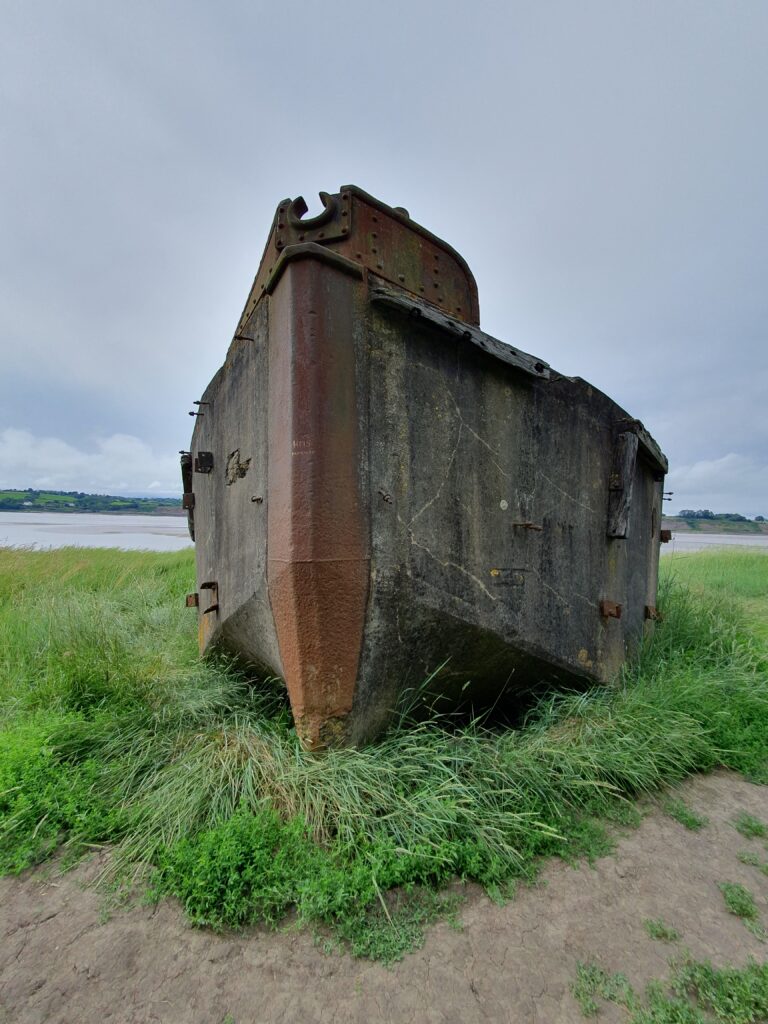
It really was a surreal and quite emotional sight seeing all these boats at what is the largest Ships Graveyard in Britain. It’s not the safest place to walk, around because there are metal ribs and sink holes camouflaged by the grass, but nothing that common sense and respect can’t handle.
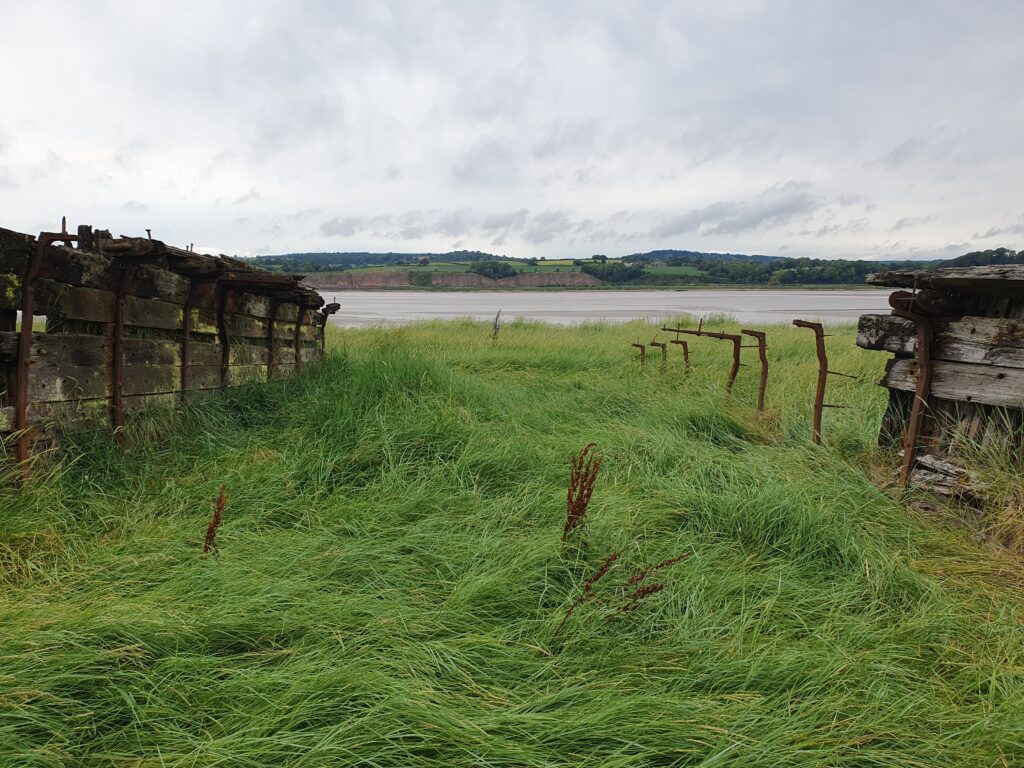
Sad though it is that most of them are now lost, they have served their purpose and the canal is safe. For most narrowboaters, Sharpness is the end of the line. You can walk along to the disused lock and stand in awe as the tide swirls around.
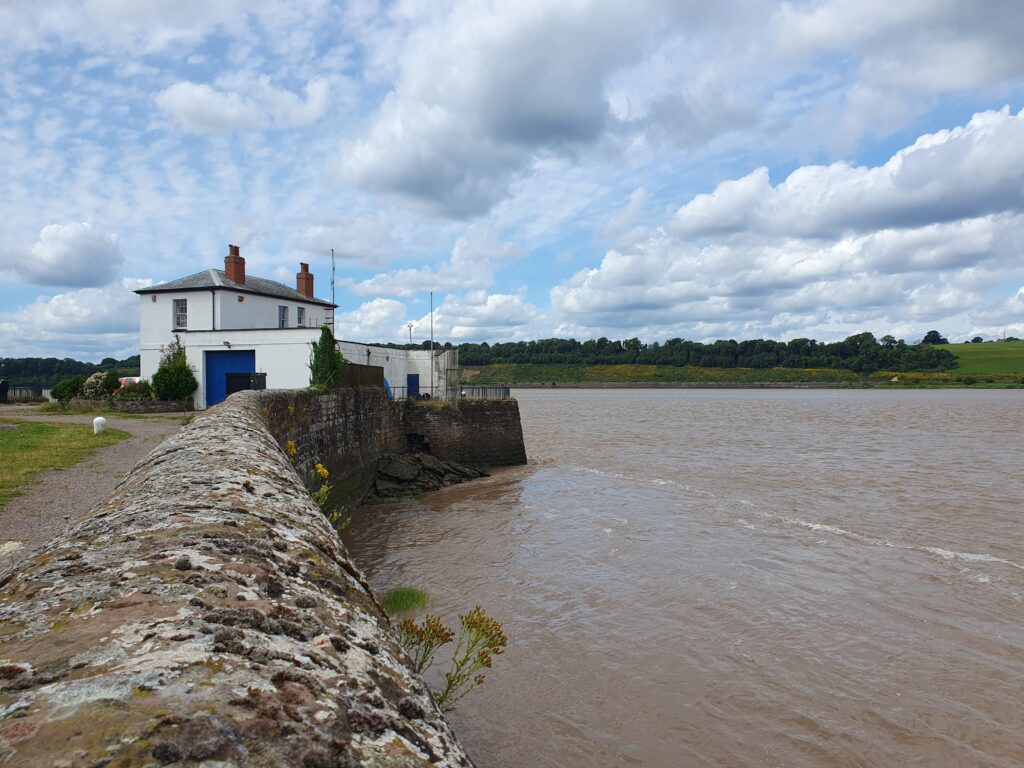
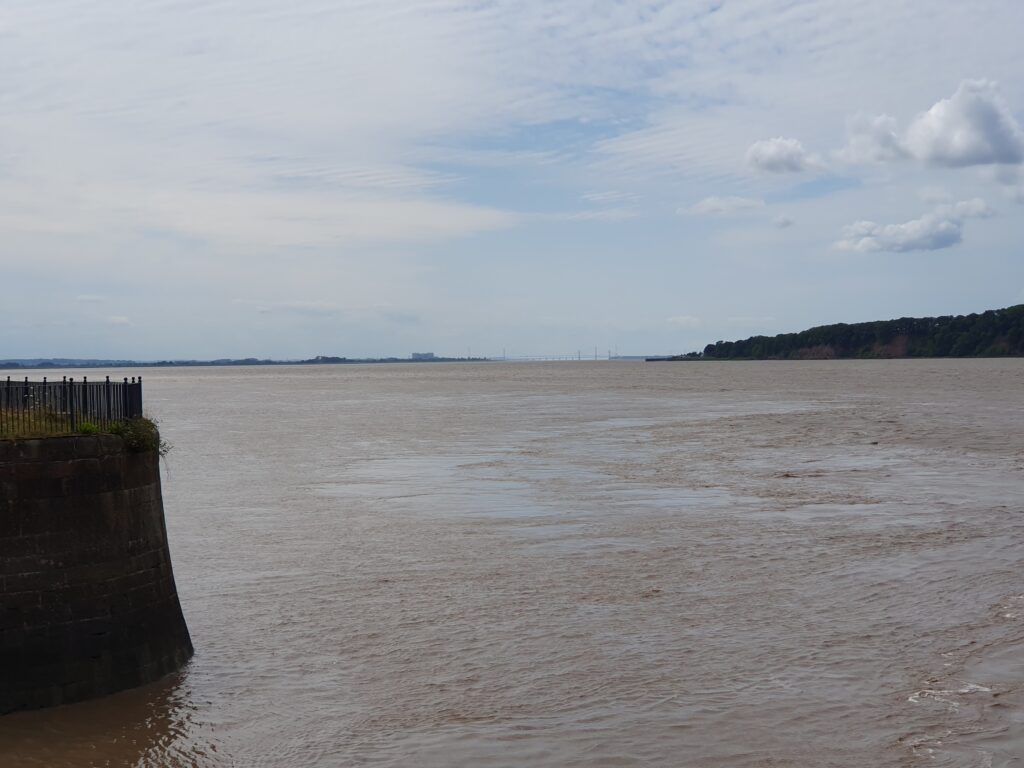
And there is a tidal basin and dock yard which provides access onto the river. Some intrepid travellers, engage a pilot to take their narrowboat out onto the estuary and down to Bristol, like our friend Jo did this summer, but not for us. The currents and tides can be legendary at certain times of the year when surfers ride the Severn Bore. We were quite disappointed not to have arrived when the tide was more dramatic. But even so the size of the estuary is awesome, you can just about see the severn bridges in the distance.
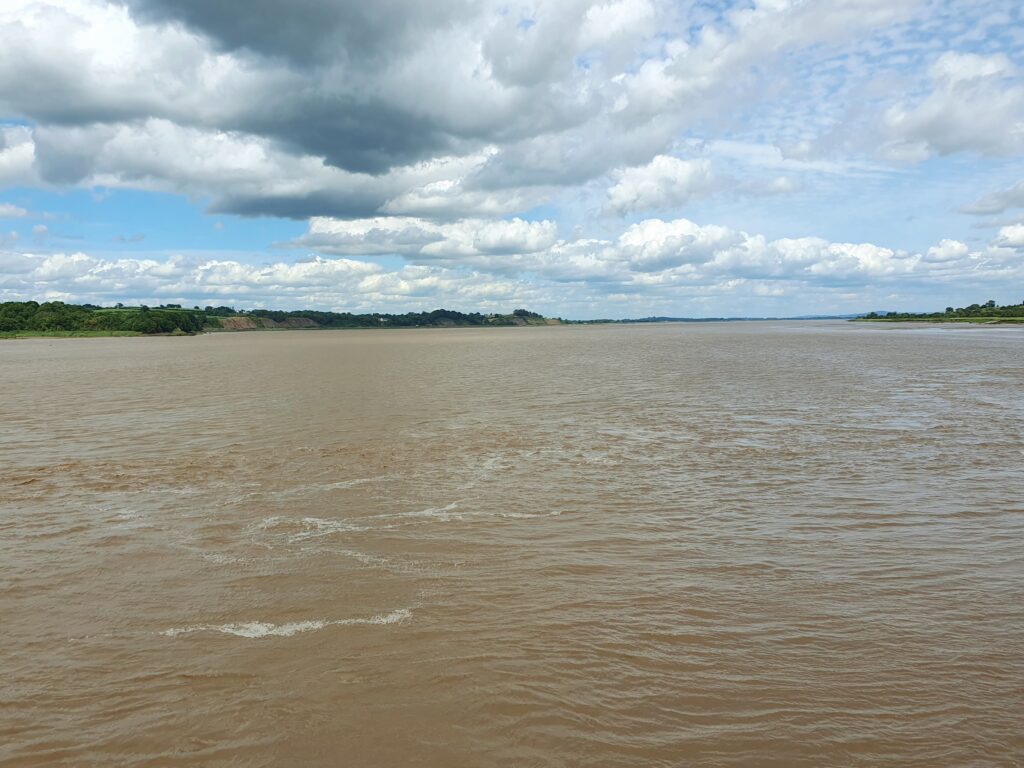
We spent a week, there and back on the Gloucester and Sharpness canal. It was a novel change, the channel is deep and wide so highly efficient on fuel, the variety of boats is interesting and the mooring is rural and peaceful. There’s no locks to pass through and all the swing bridges are operated for you. It’s not somewhere we will rush back to because it’s so far off the main system, but we’d strongly recommend it as a short trip.
Just stick to the canal if you want calm water