Paying our respects

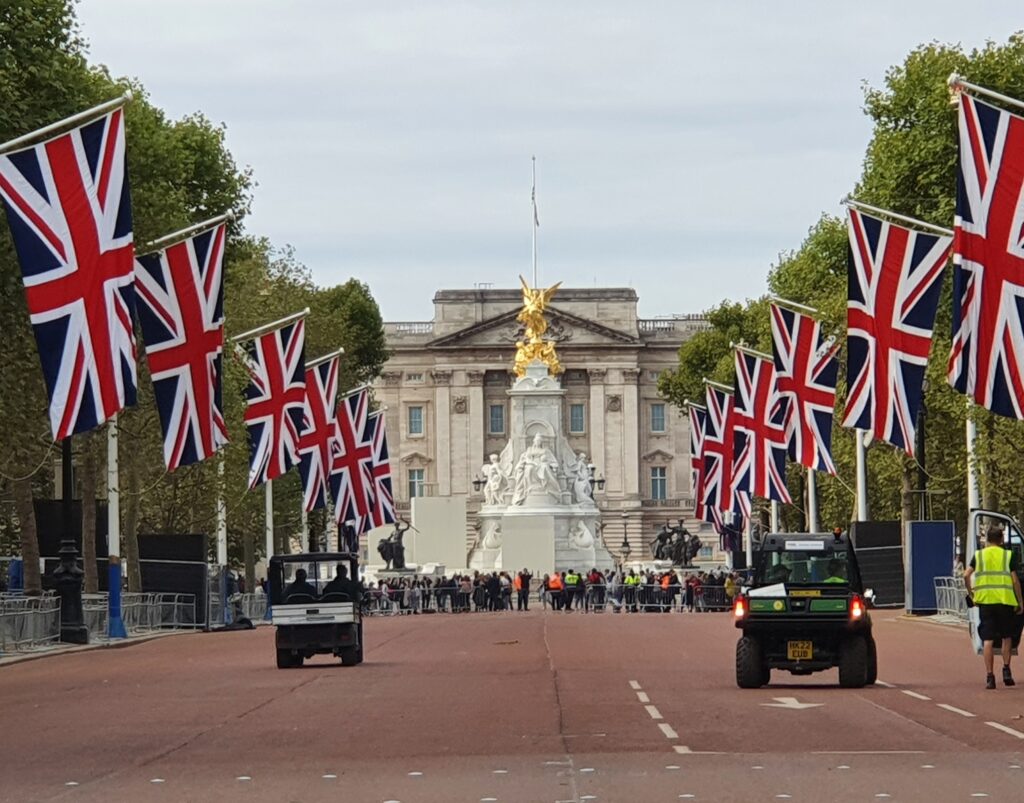
Hoping for a smaller crowd, we took the opportunity to go into central London yesterday, even though its the day after Her Majesty’s funeral. We wanted to pay our respects and experience the atmosphere, before the ceremonial paraphernalia was put back into storage.
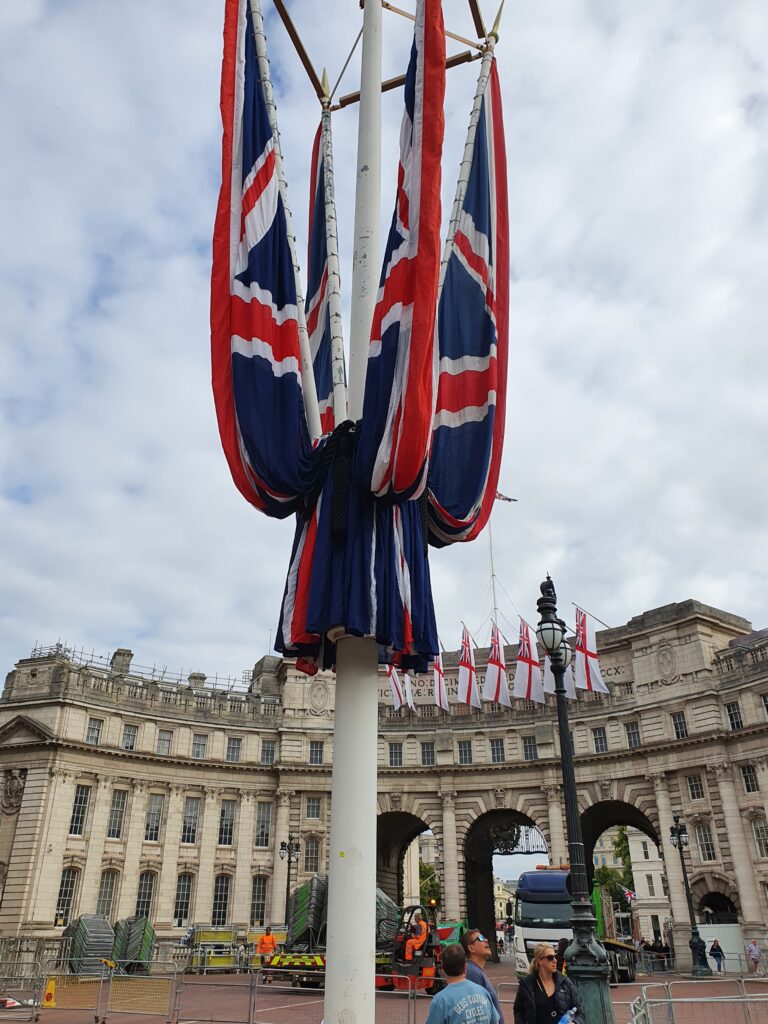
We started our homage at Admiralty Arch

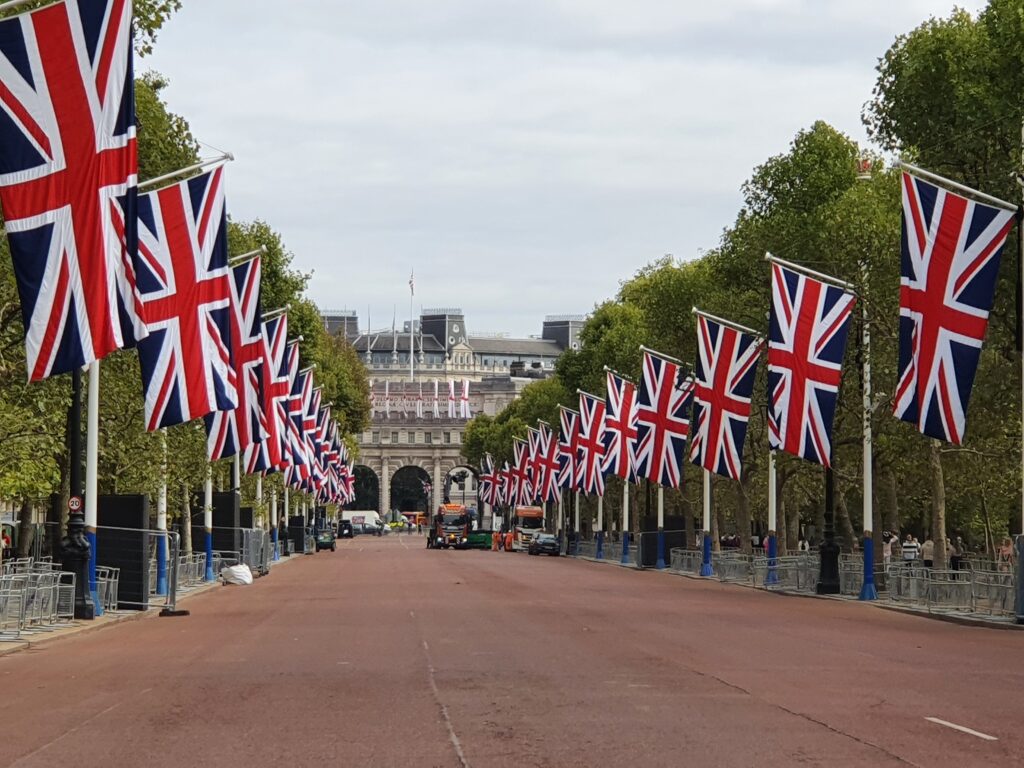
The Union flag, with its black mourning bands in front of Admiralty Arch

We walked down the Mall with flags as far as the eye could see.

It is an impressive sight

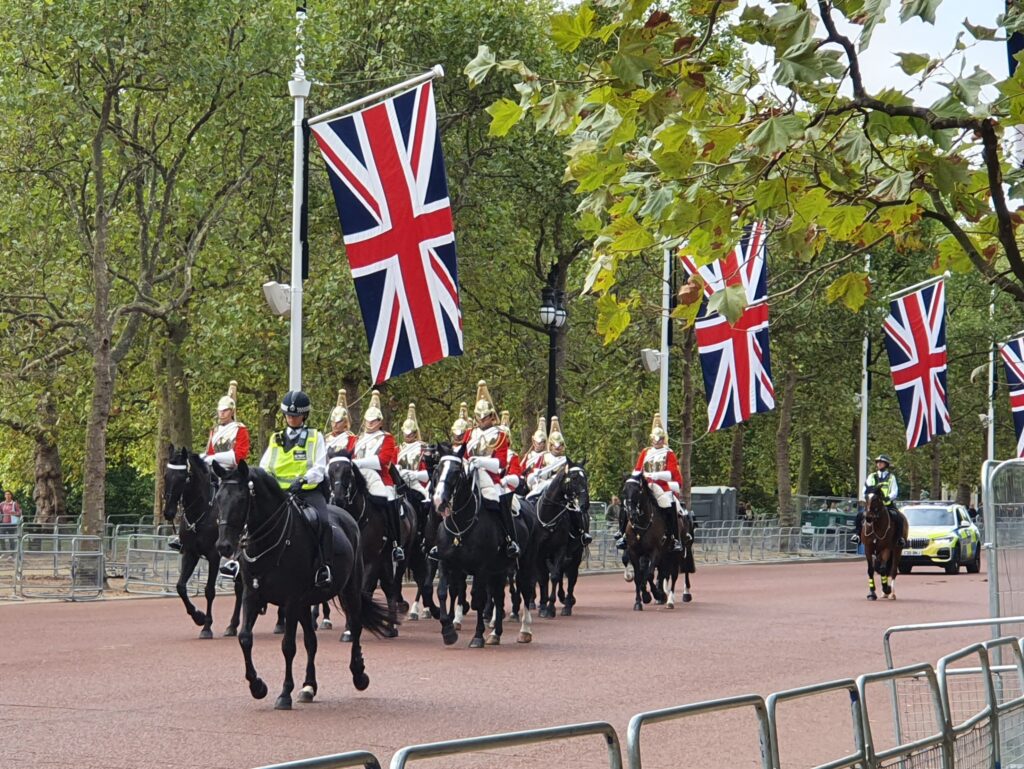
whilst the guard rode on horseback

These guards were actually part of the “changing of the guards ceremony”

Heading back towards Admiralty Arch

Looking back to Admiralty Arch

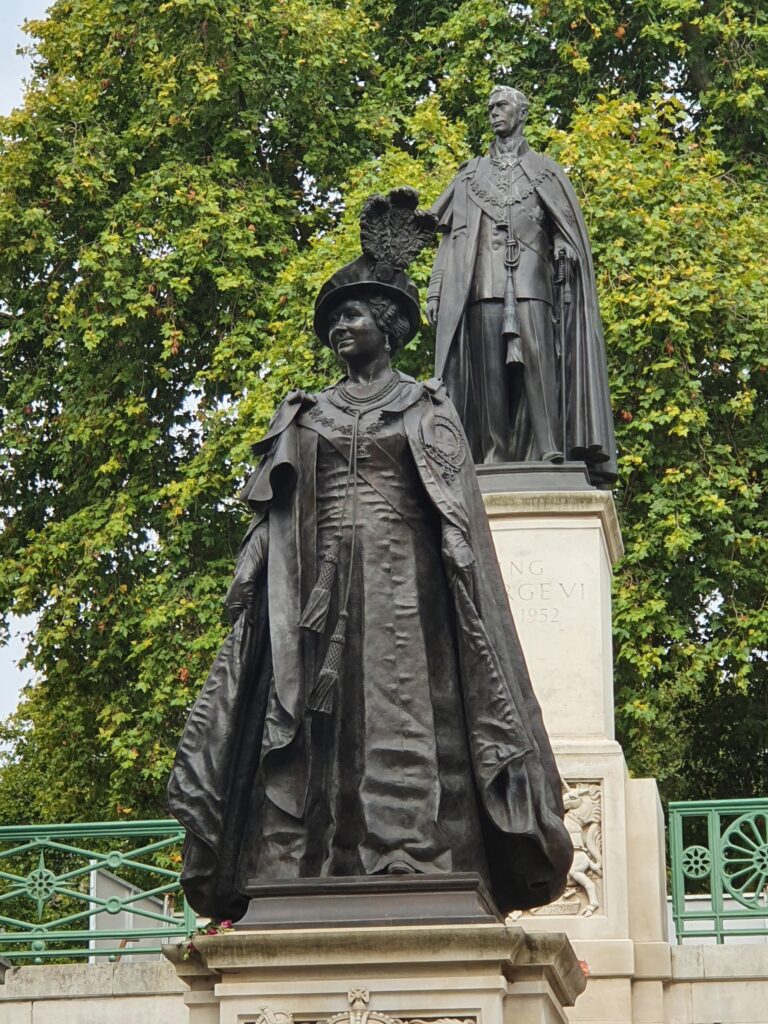
Half way down the Mall we stopped to see the statues of the Queen’s parents, king George VI and the queen Mother.

Queen Elizabeth, the Queen Mother and King George VI, the late Queen’s parents

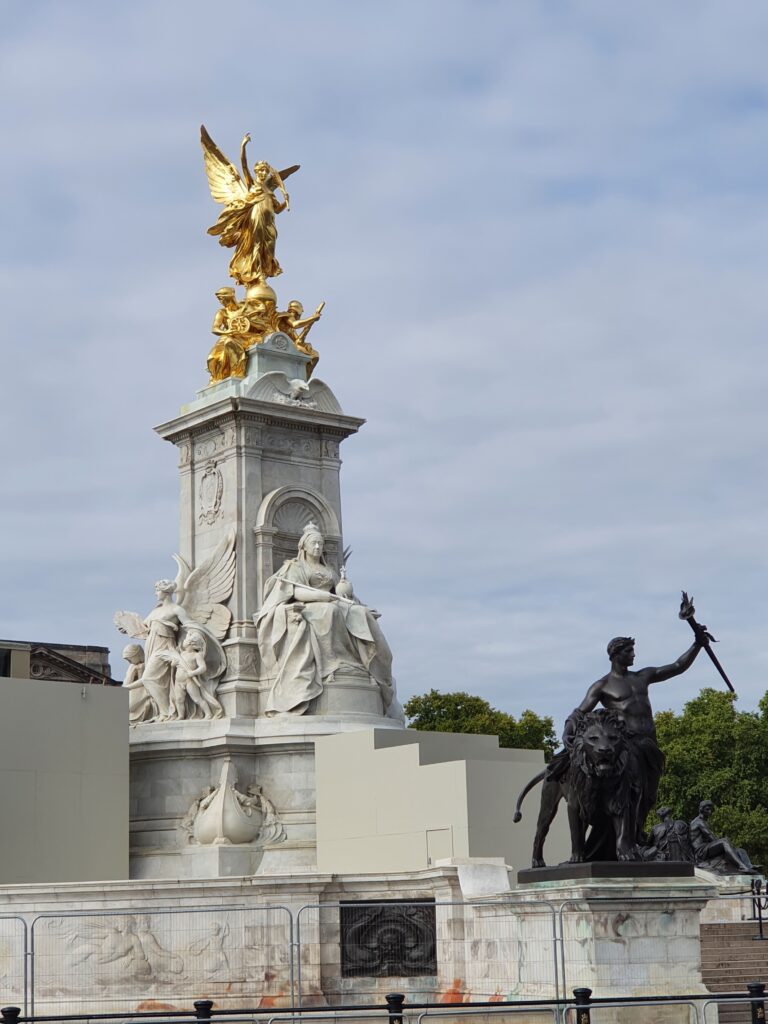
Queen Victoria was ready to greet us outside Buckingham Palace on her monument,

Another formidable figure

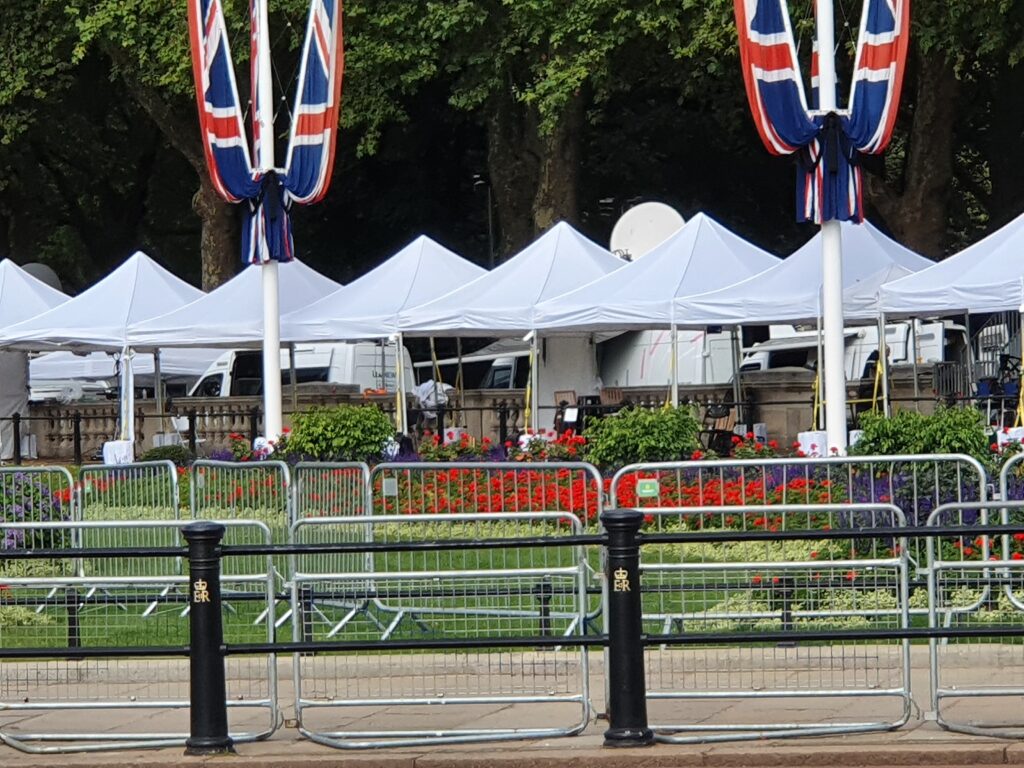
As were the world’s press had called home for the past 10 days

The media’s tented village

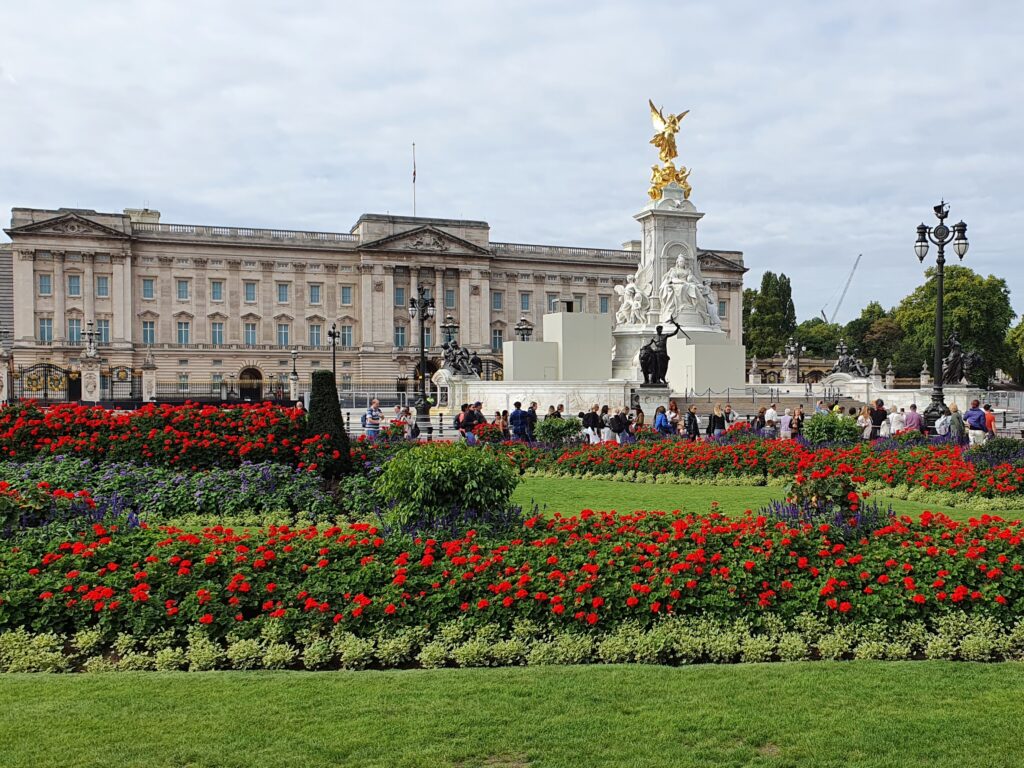
Although most of them had gone home and it looks like King Charles wasn’t at home as the royal standard wasnt flying above the palace.

Buckingham Palace

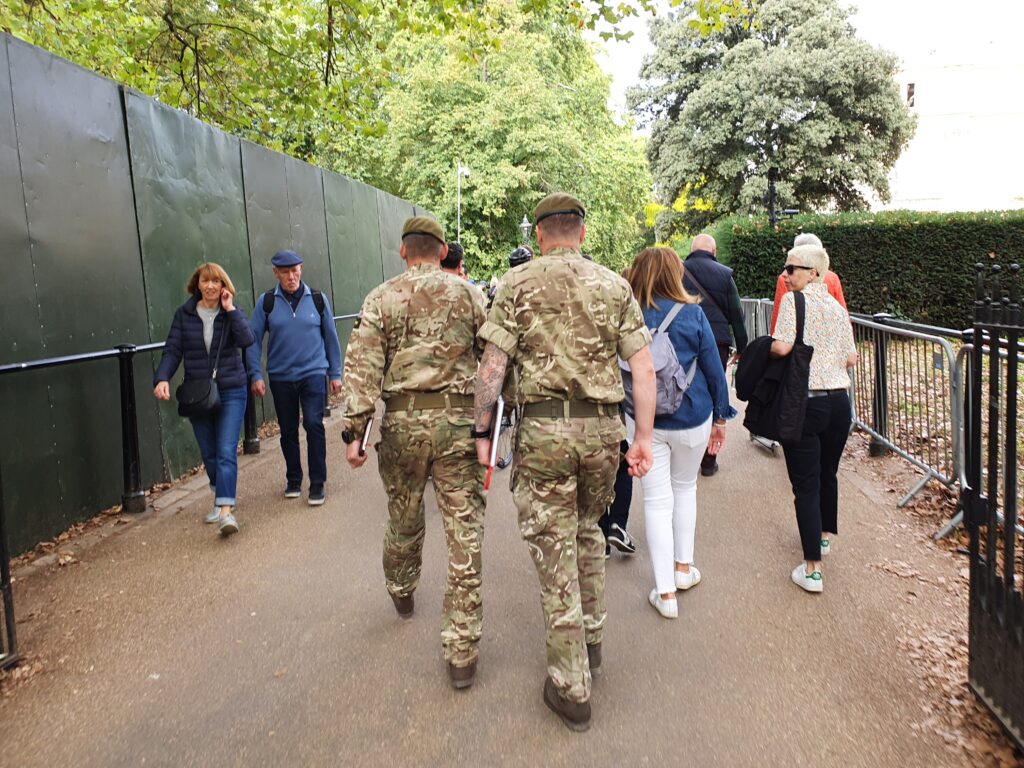
we followed two soldiers on their way to St James Palace

We didnt think much to their camouflage


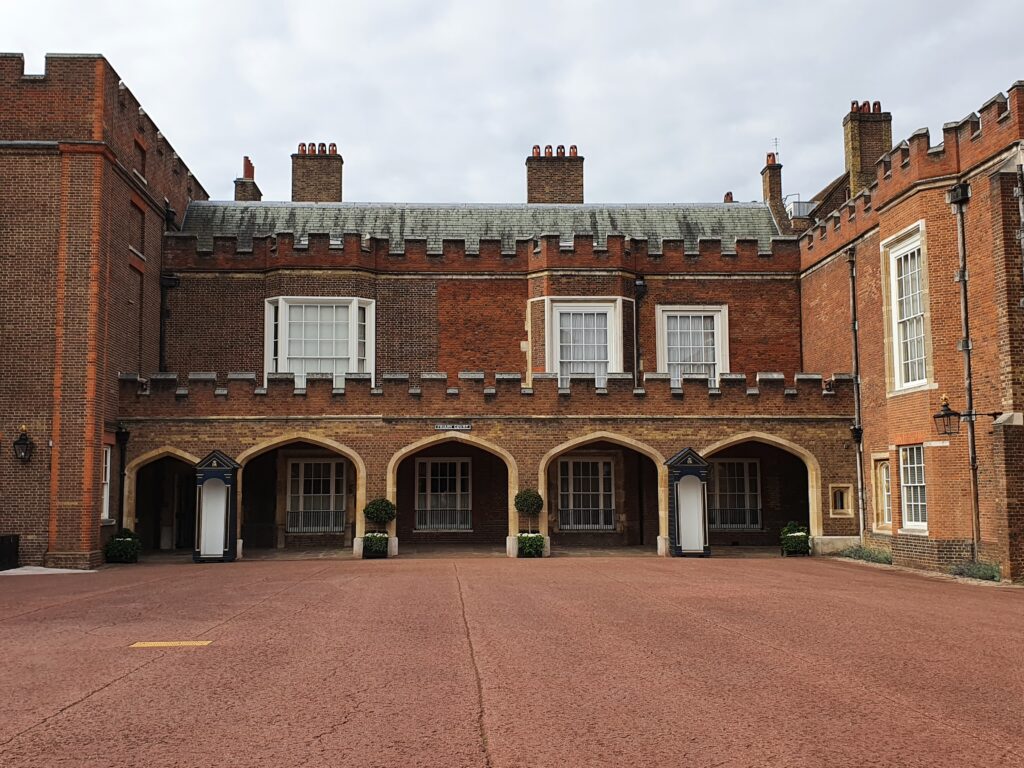
Where Charles accession to the throne was formally announced.

The Friary Court at St James Palace

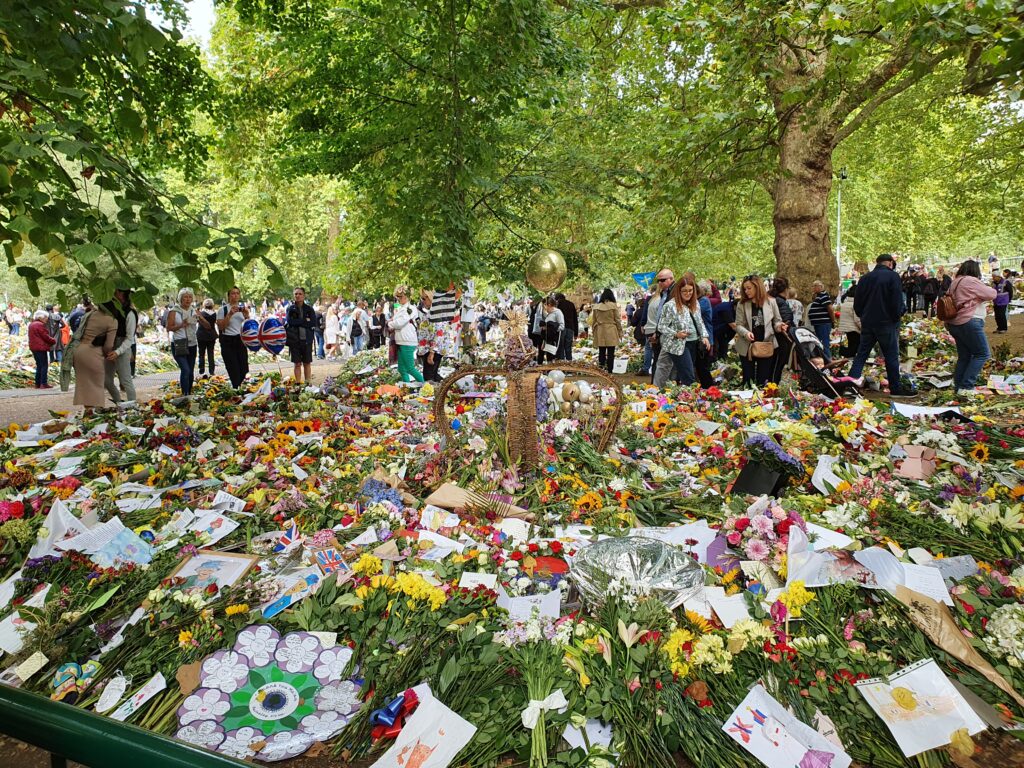
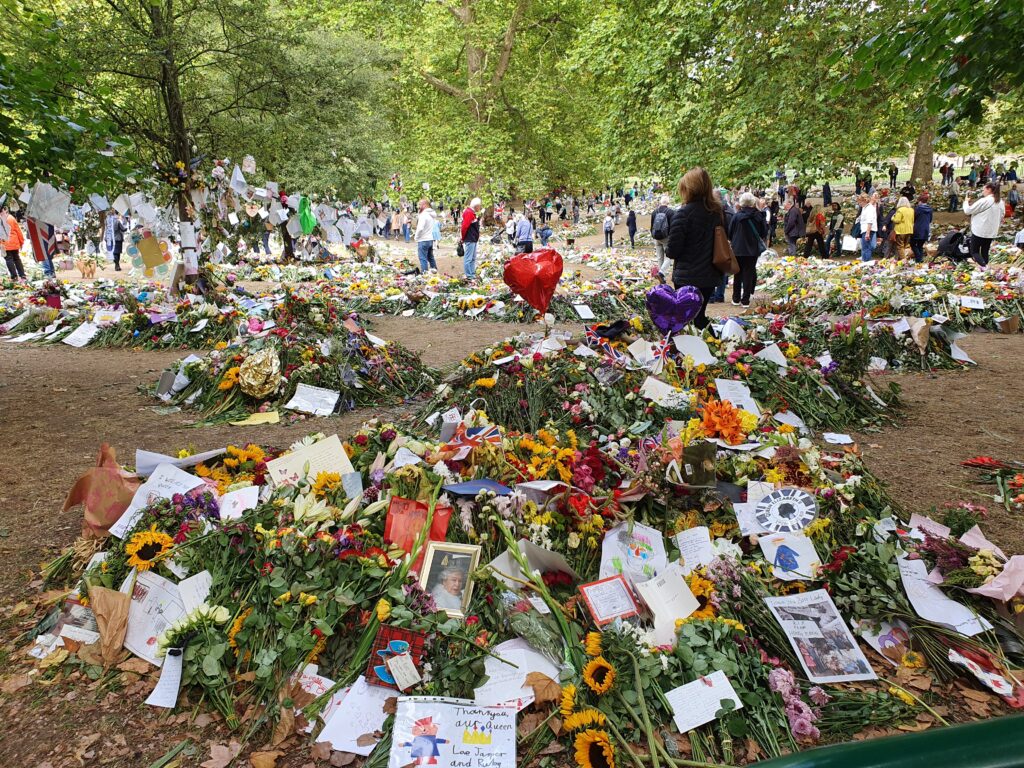
We followed the crowd around into Green Park to view the floral tributes And its true what the reporters have reported, the park really did smell wonderful.

Floral Tributes

And the volunteers really had put a lot of effort into laying out the flowers out in small groups which allowed you to walk amongst them,

There was an overwhelmimg sense of respect

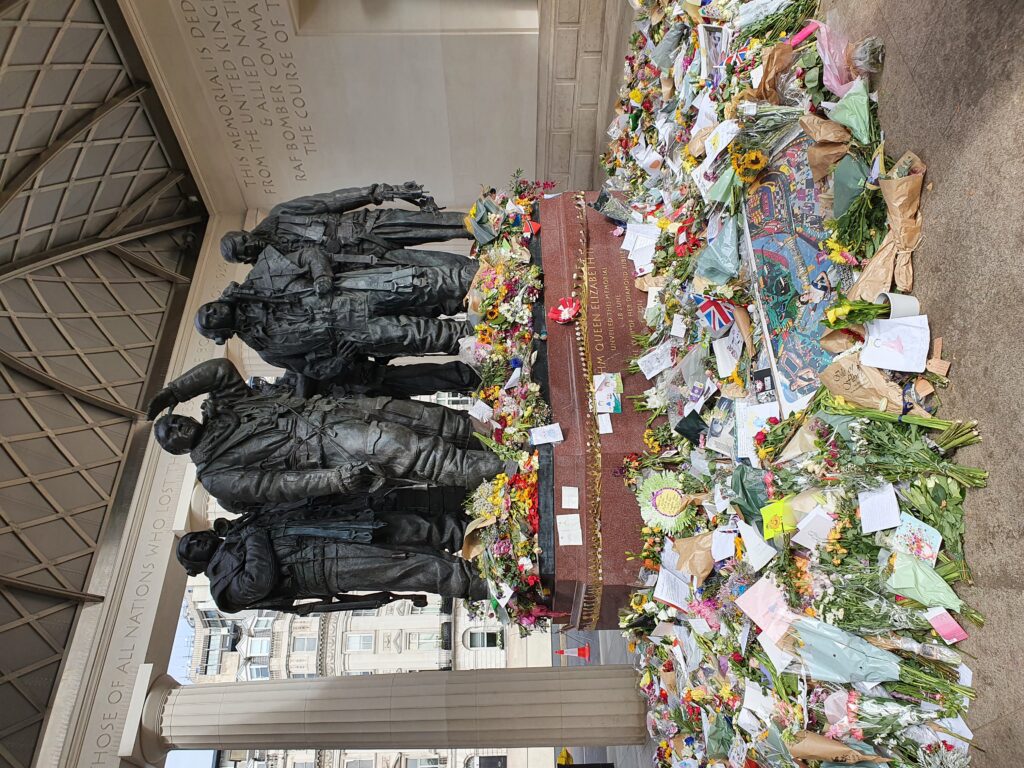
and even when the flowers had been left in unofficial locations, it still felt the nation was honouring the best of British

Bomber Comand memorial near Hyde Park corner

We were very glad we had made our own personal pilgrimage, it was moving and emotional, and we are sure that the Queen and her family would have felt the love poured out for her.

A week in London, part 2, visiting the Tower

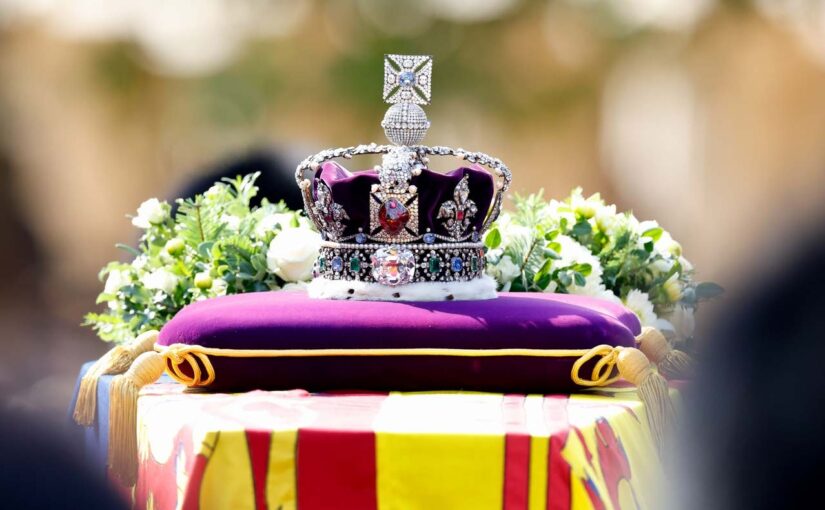
It seems fitting that today, on the funeral of our beloved Queen Elizabeth II, I should recount a highlight of our week in London. We visited the Tower of London to see the Crown Jewels.

The tower is part of the historic royal palaces trust so entrance is included with our membership.


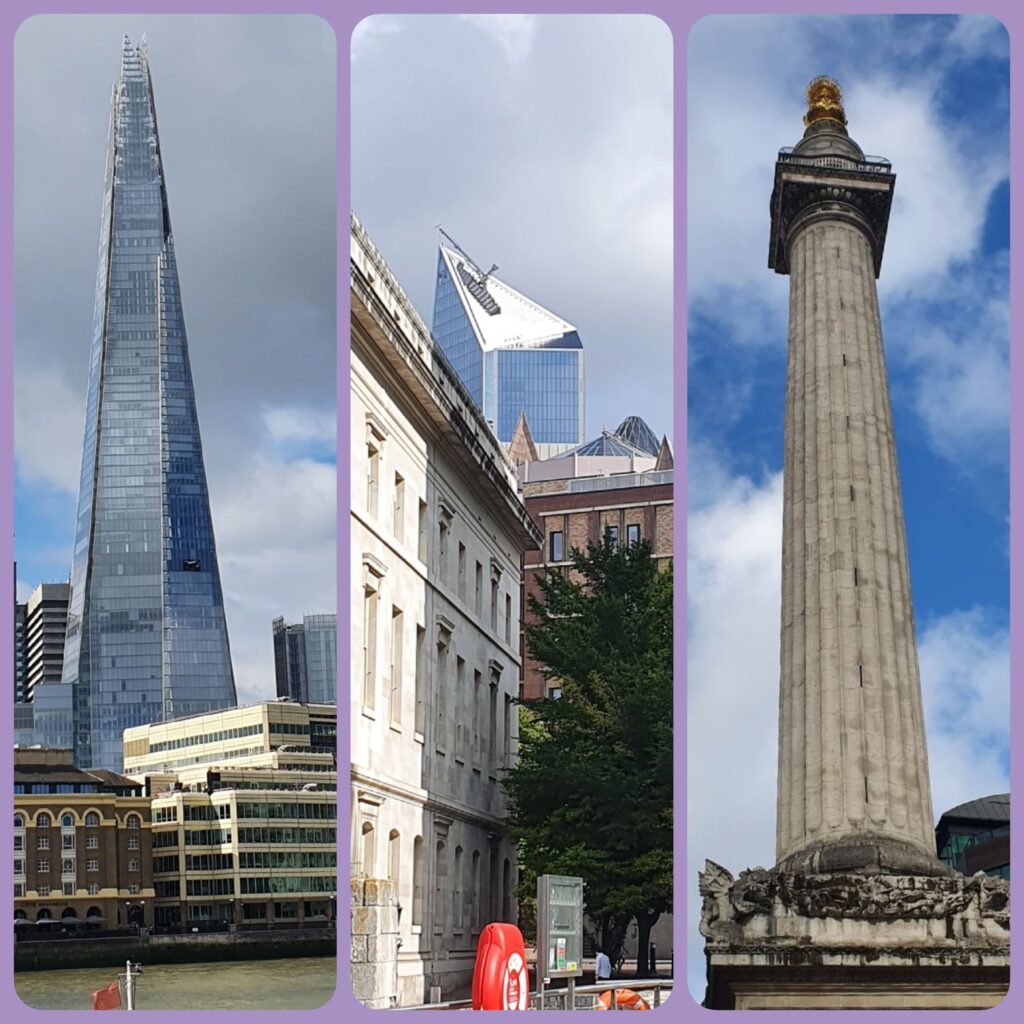
Our journey took us past a few other iconic towers

The Shard, the Scalpel (i think) and Monument

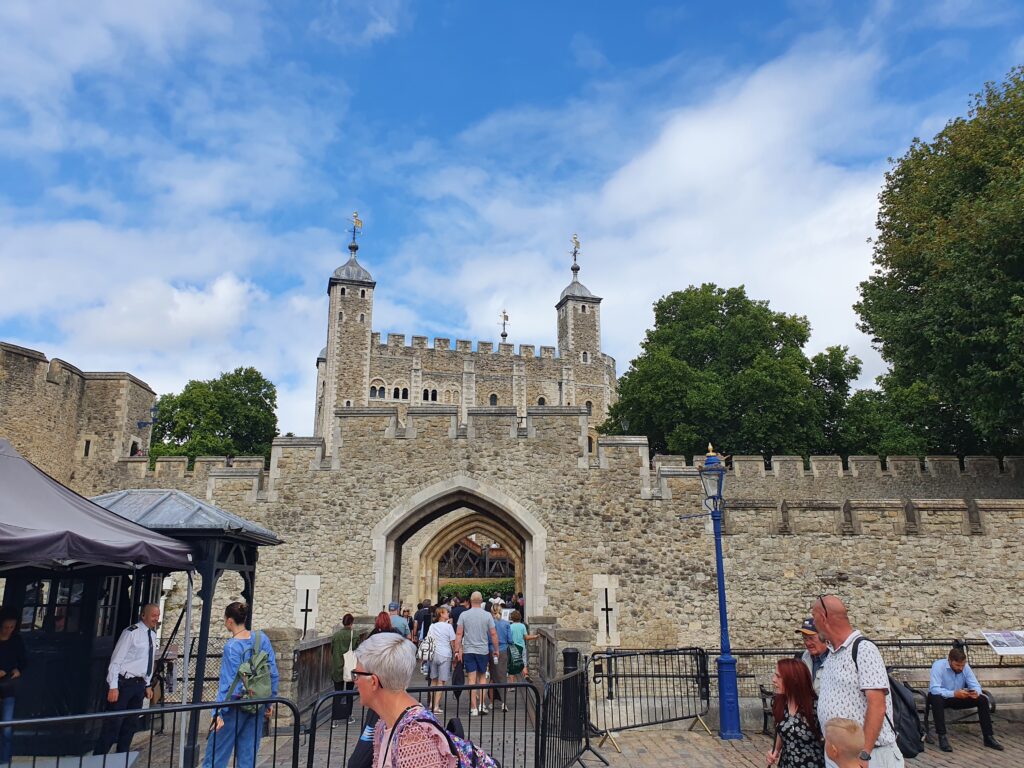
But thankfully we were admitted via the tourists entrance

Join the queue

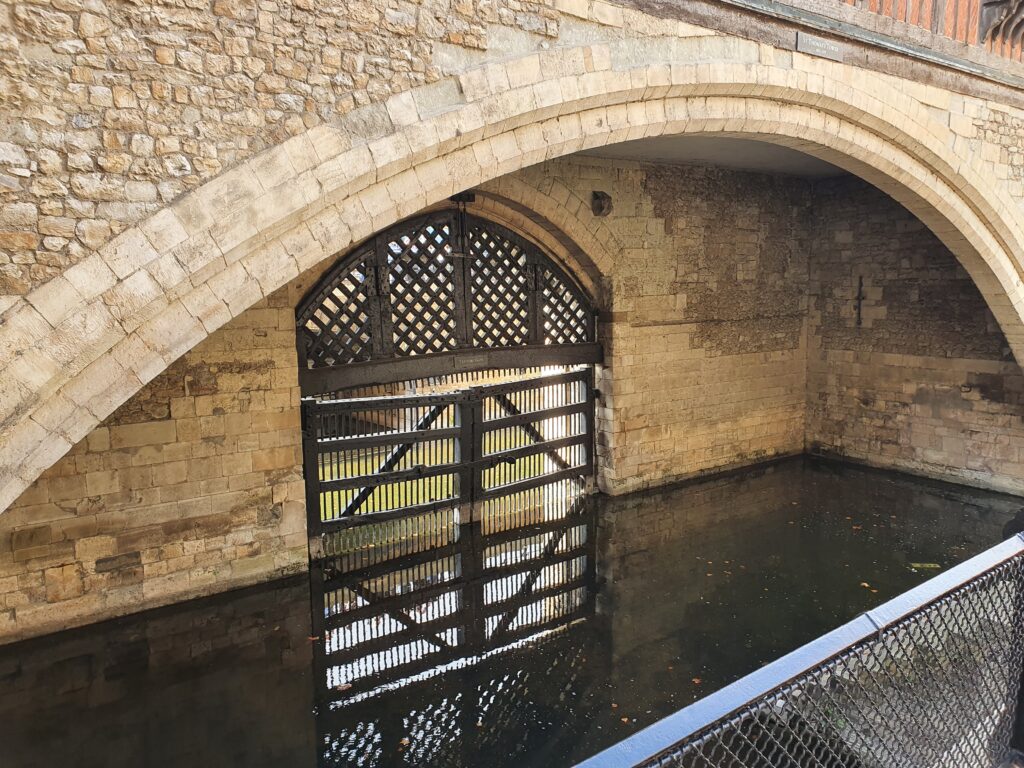
not the Traitors gate used to ferry prisoners via the Thames into the Towers fortifications whilst they awaited trial or dungeons for torture until they confessed their crimes.

Traitors gate

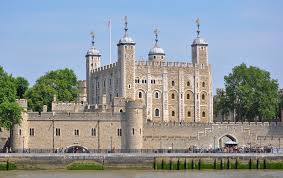
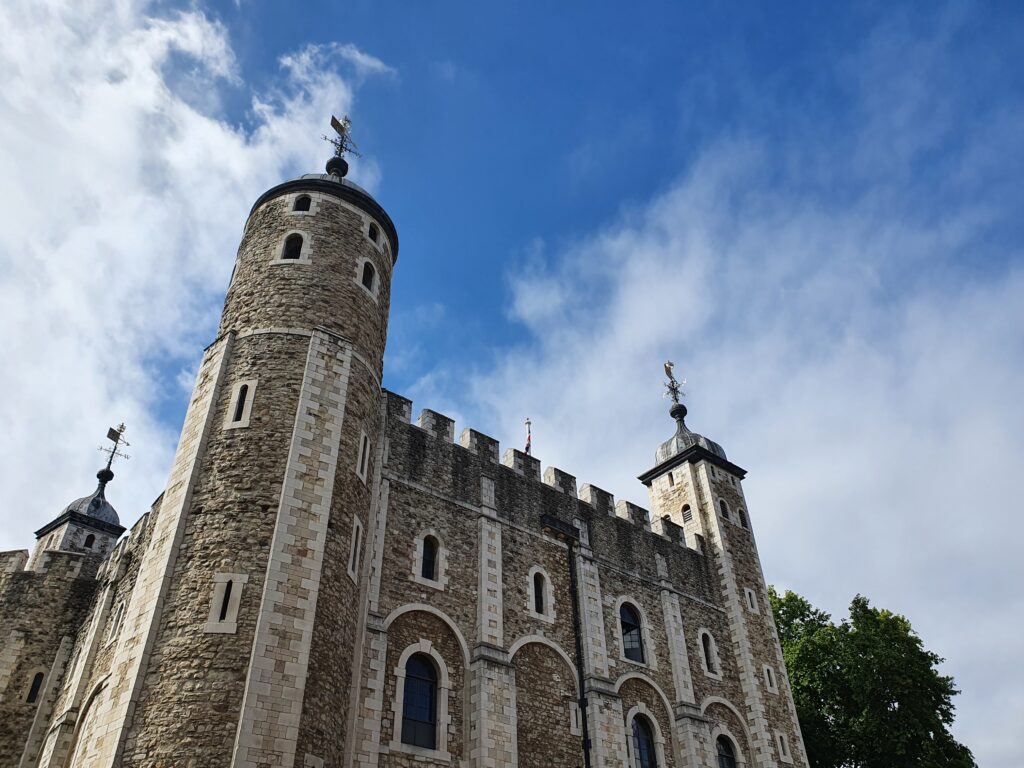
The White Tower was originally build by William the conqueror as a royal residence after he arrived in 1066, by 1100s it was also serving as a secure prison, right up until the Kray twins conviction in 1950s.

The white tower

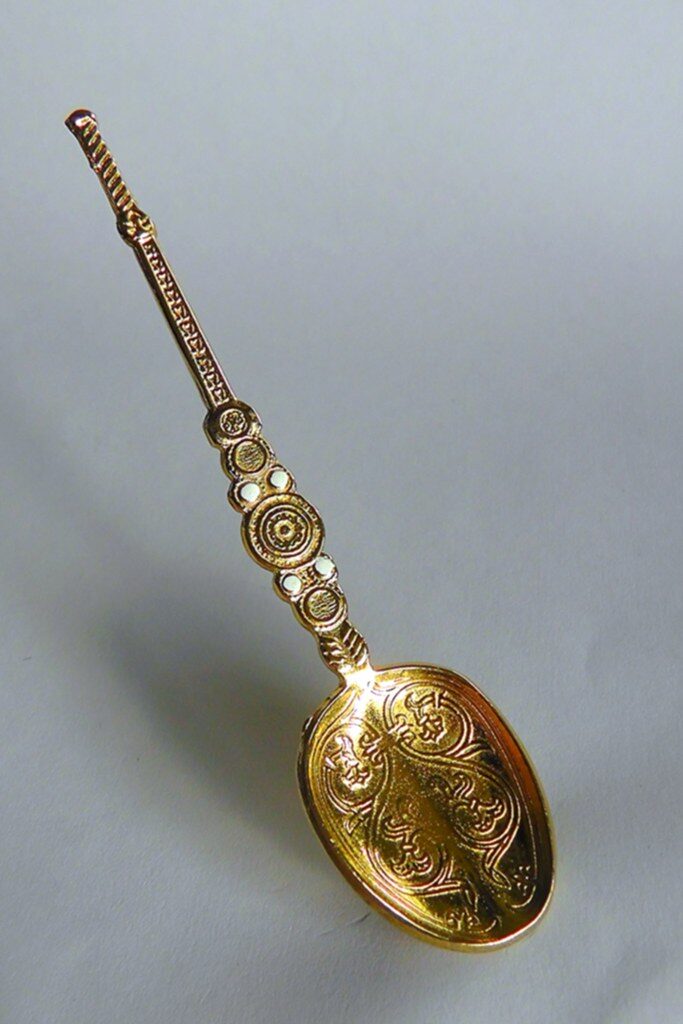
In the 12th and 13th centuries the site around the White tower was expanded with fortifications and is more or less what we know today. The tradition of keeping the crown jewels in the tower probably started during Henry III reign (1216-1272) but in 1649 Cromwell decreed that the historic coronation regalia should be melted down, defaced or destroyed. Only a 12th century spoon used for annointing the monarch

The 12th century annointing spoon

and 3 ceremonial swords survived and were returned when Charles II regained the throne in 1660. The jewels are now kept in the Jewel tower, which involved a lengthy 30 minute queue, but there was plenty to look at outside, well heeled visitors

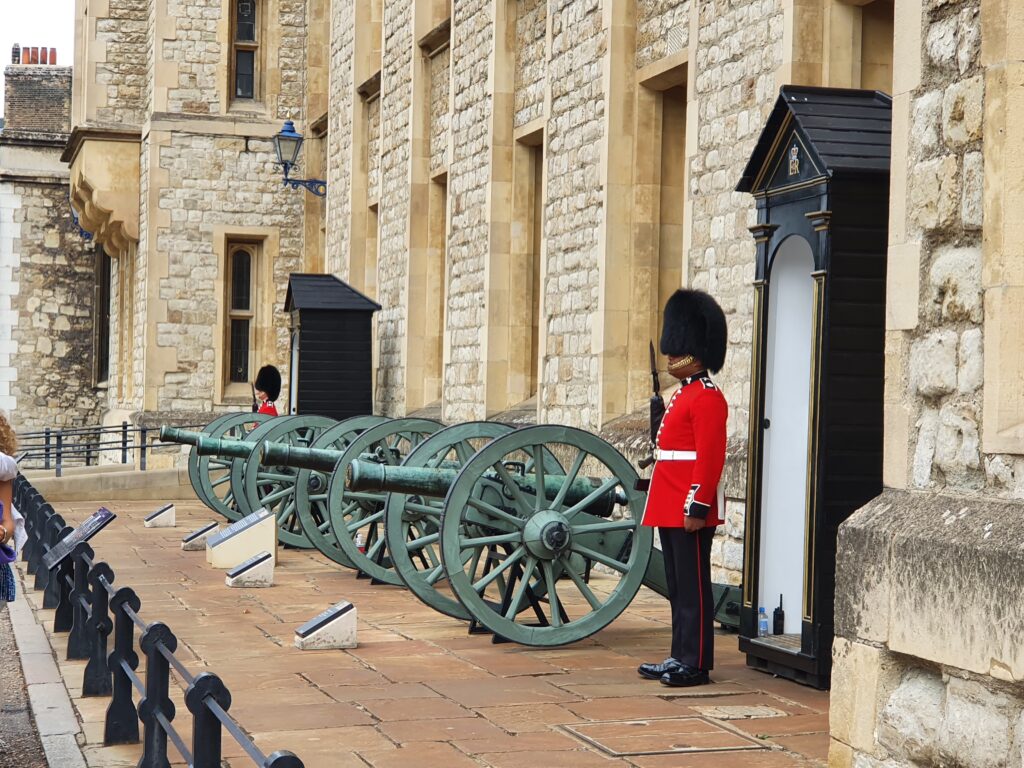
and well armed guards

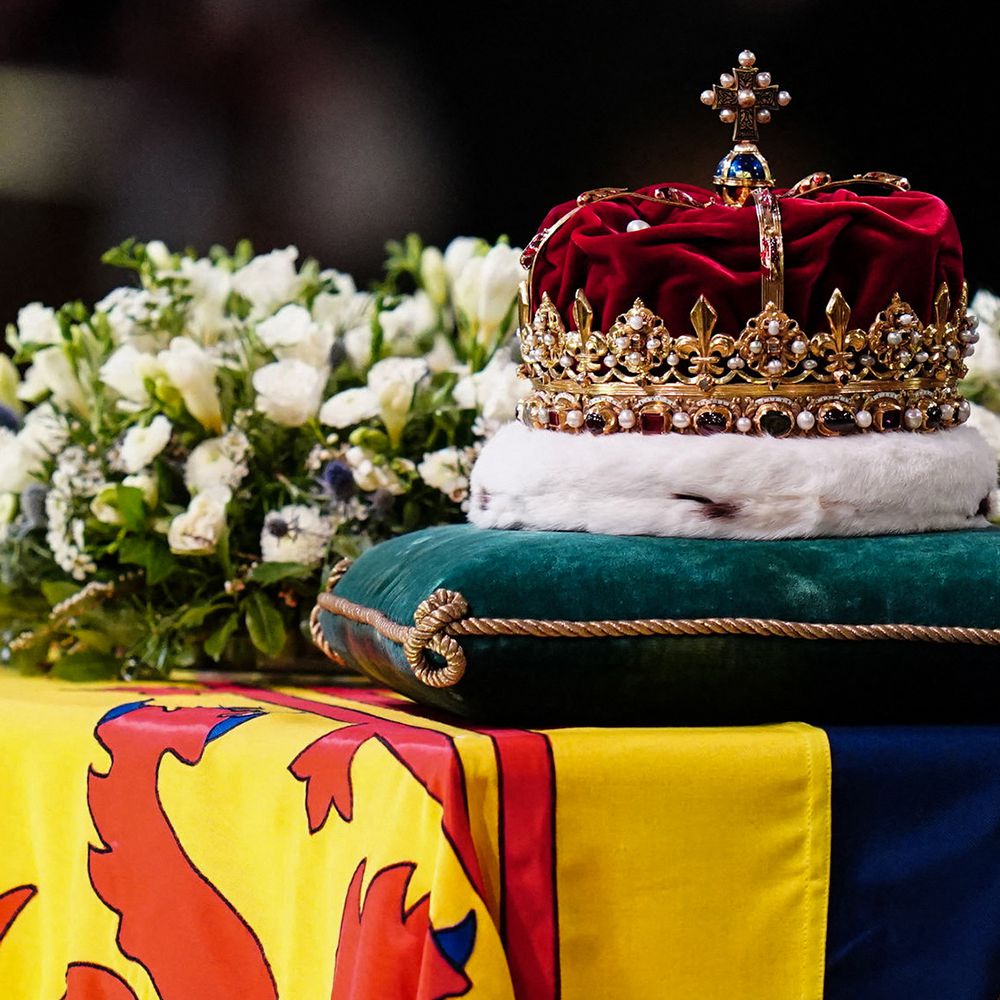
Photography isn’t permitted in the Jewel tower, but there were a lot lot more priceless objects on display than just the familiar crowns orbs and gems that we are familiar with today, the Scottish crown

The scottish crown

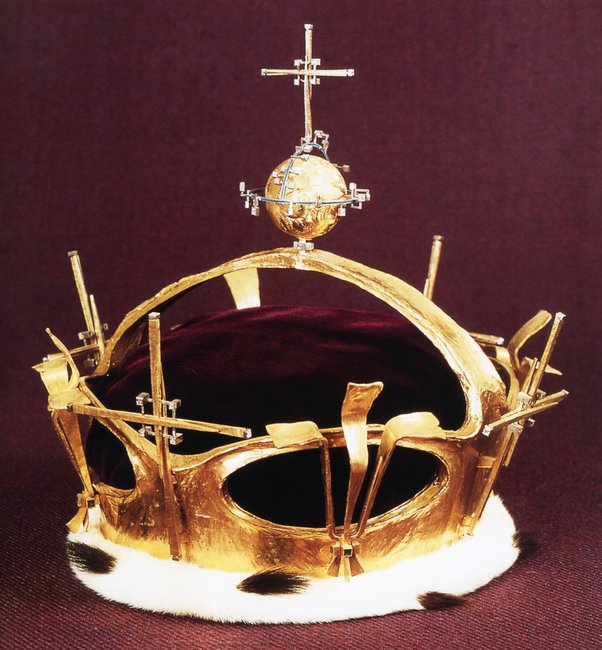
And the welsh Coronet of Charles, made in 1969 for his investiture as Prince of Wales, I heard him say recently that he had mixed feelings about it, but it rather fascinated me

Coronet of Charles


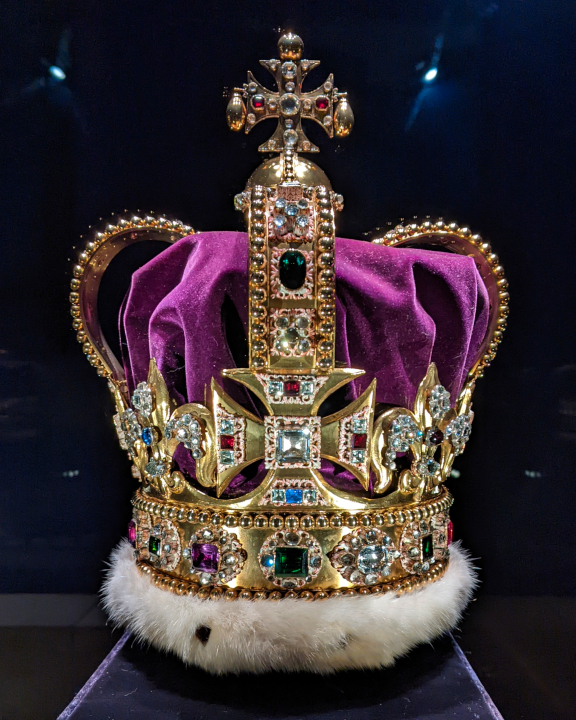
Although not in the same league as the highly bejewelled crowns worn by our monarchs

King Edward’s crown


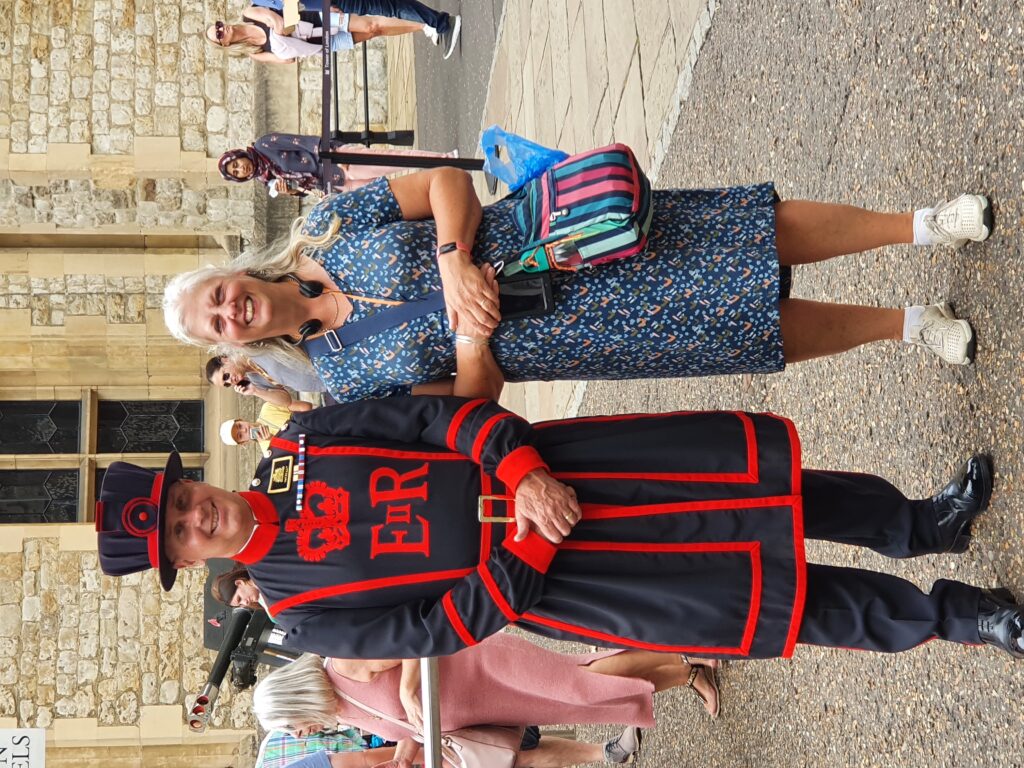
Of course all these crowns need guarding and that job falls to the Yeomen of the guard who are on duty 24/7 although their duties are probably more aimed at keeping the tourists happy

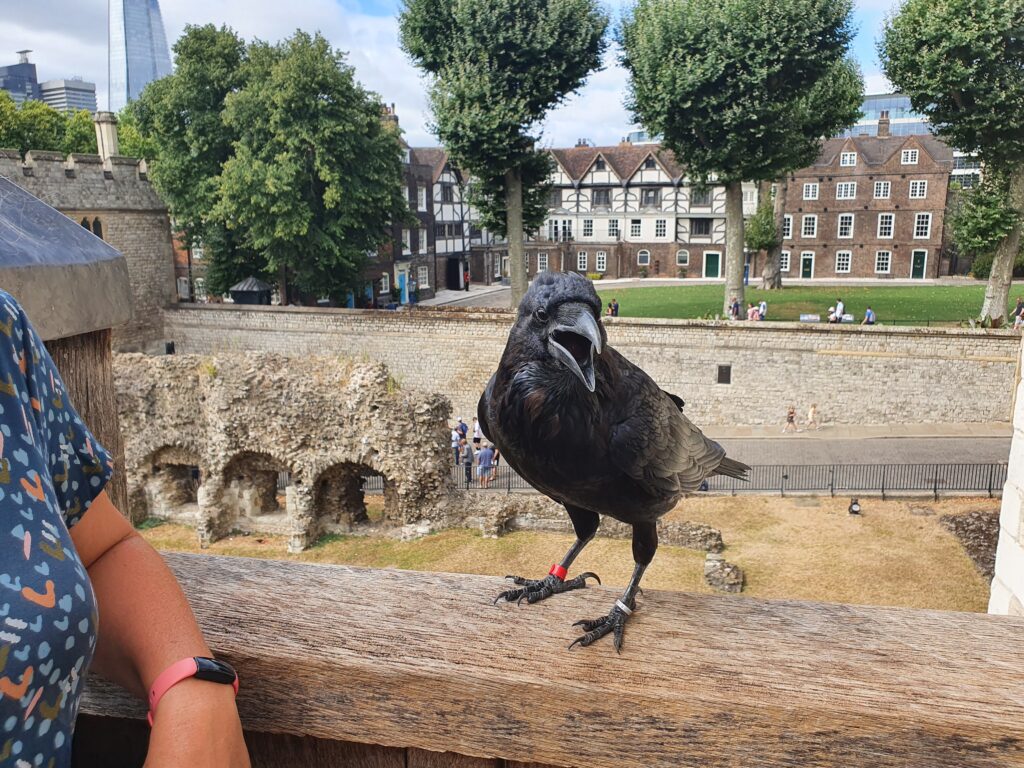
And then there’s the historic ravens that inhabit the tower

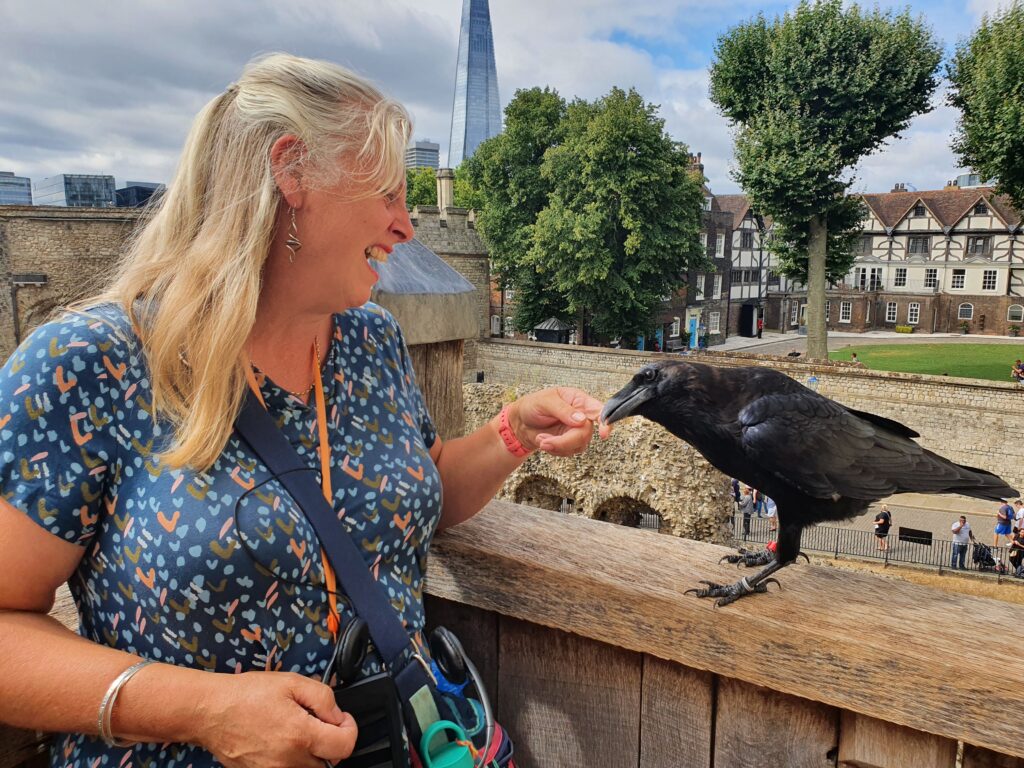
Who don’t always keep the tourists happy-but what can you expect if you poke a finger at a wild animal

Glad they dont have teeth

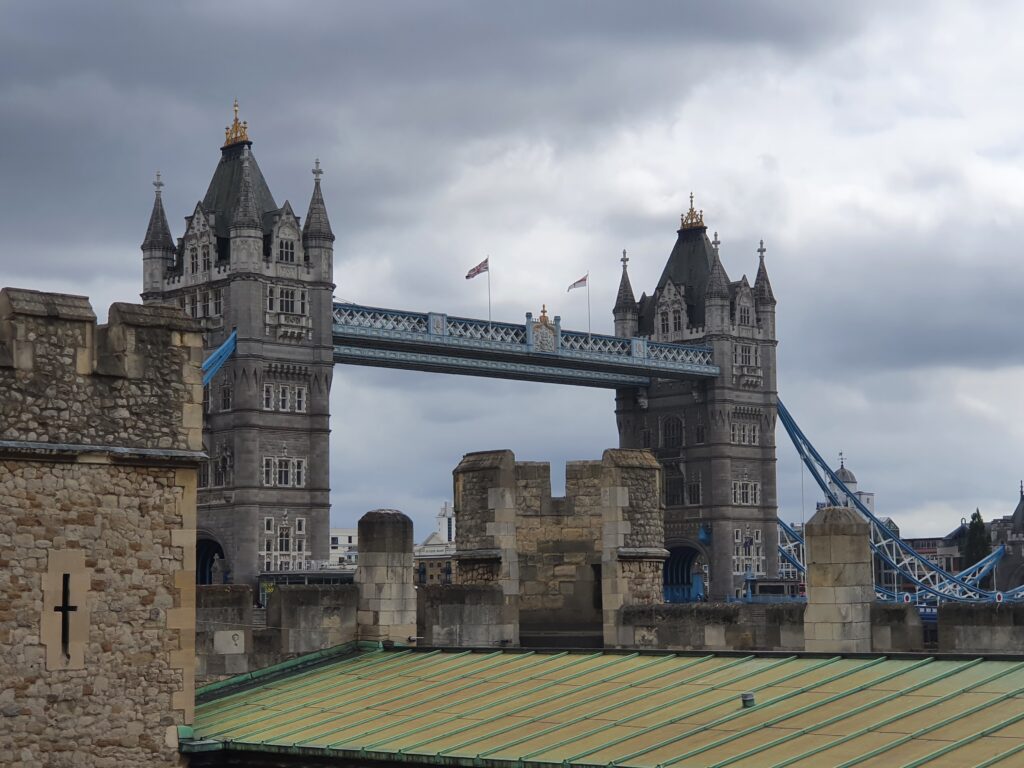
of course there was a lot more to see within the tower, the royal mint used to be housed in the tower, and there’s the royal armoury and the views from the tower

Tower bridge


But today is for remembering Her Majesty the Queen Elizabeth II

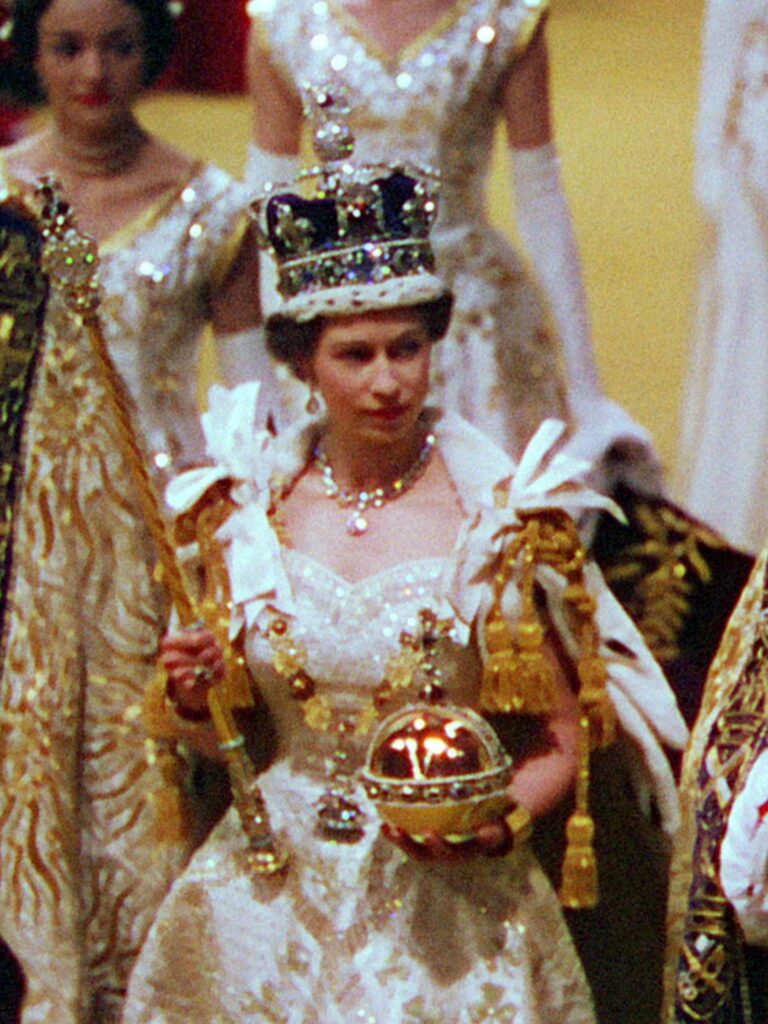
2nd June 1953

A week in London part 1 eco mooring

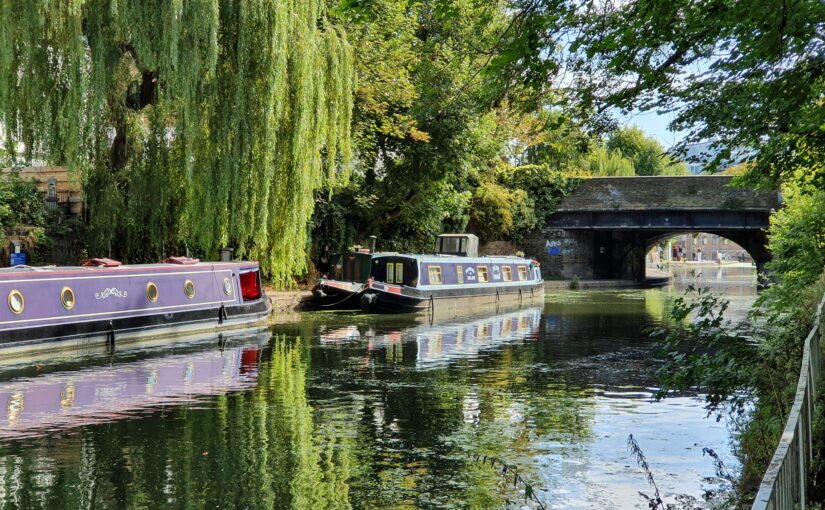
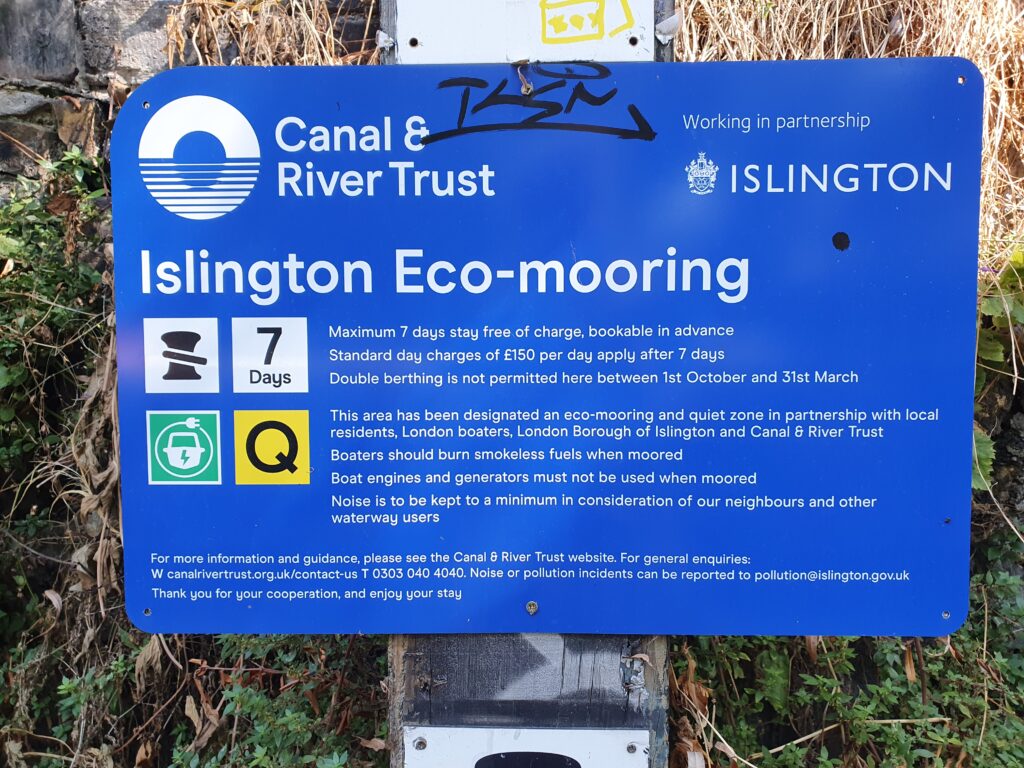
When we realised we could book a week’s mooring in central London we leapt at the chance. For a visitor to the capital, the horror stories about there being nowhere to moor is a daunting prospect. And to a certain extent, once we had passed under the North circular (A406, roughly east of Wembley) yes, mooring options became increasingly sporadic, but we could still have doubled up if necessary. But along the Regent’s Canal there is a joint initiative between DEFRA, Islington council and CRT to help reduce boater’s emissions, with a system of bookable Eco Moorings. Although its causing a lot of controversy amongst boaters, many London based boats are simply not able to comply with the regulations without upgrading their set up, it suited us perfectly. Its worth reading this article from the CRT website if you’re interested. Islington Eco moorings


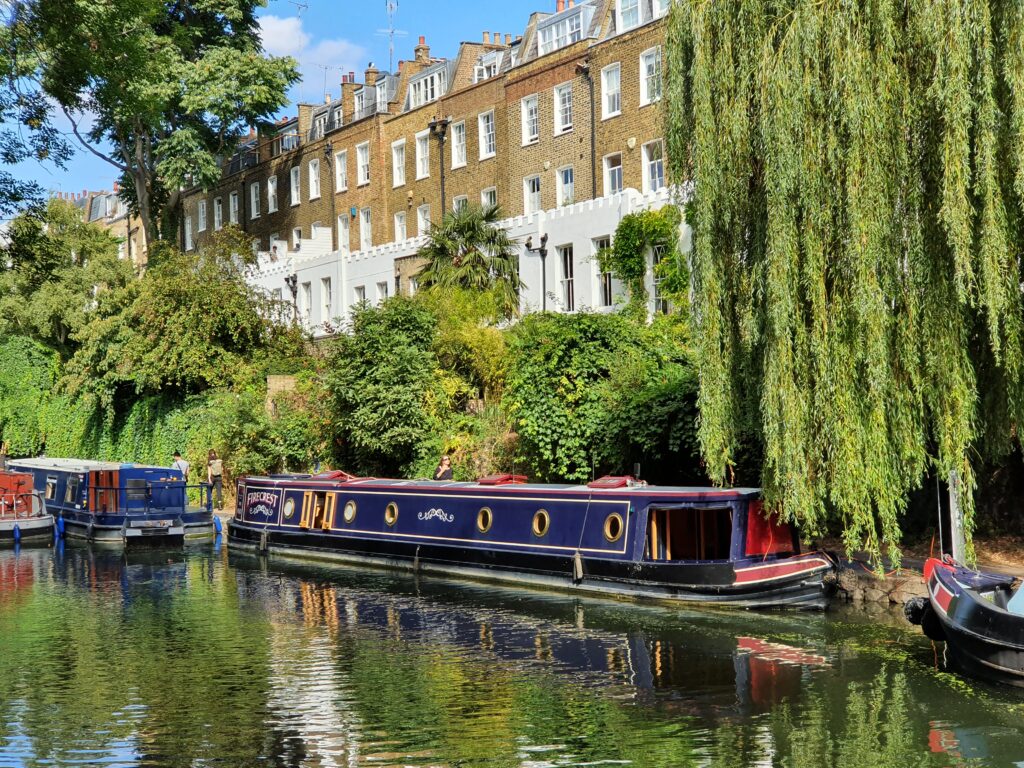
It’s still all a bit hit and miss and open to abuse, And despite being assured we wouldn’t be double moored, when we arrived the only space available was a double mooring. Not that that was a problem, we were warmly welcomed and assisted to moor up, it was a bit tricky getting on and off firecrest over a slightly longer boat than ourselves, and two days after we had to do a reshuffle as our partners boat needed to move. But the advantage of having an electric hook up, (which we paid for through CRTs Meter Mac online system) was well worth it.

Boat shuffling to accomodate doubled up mooring

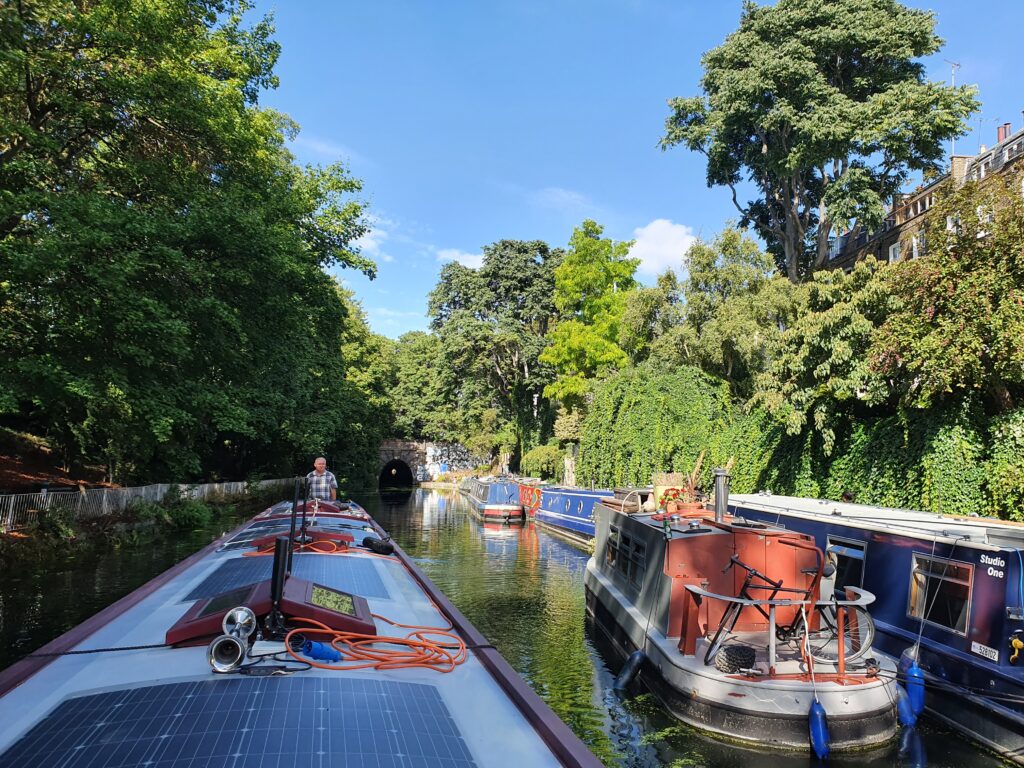
We were surprised at just how quiet this short section of mooring is, between Islington tunnel and City Road Lock. It’s surrounded by residential properties, (who have also had to adapt to new emissions initiatives with restricted road access)

Looking up to the Noel Road properties


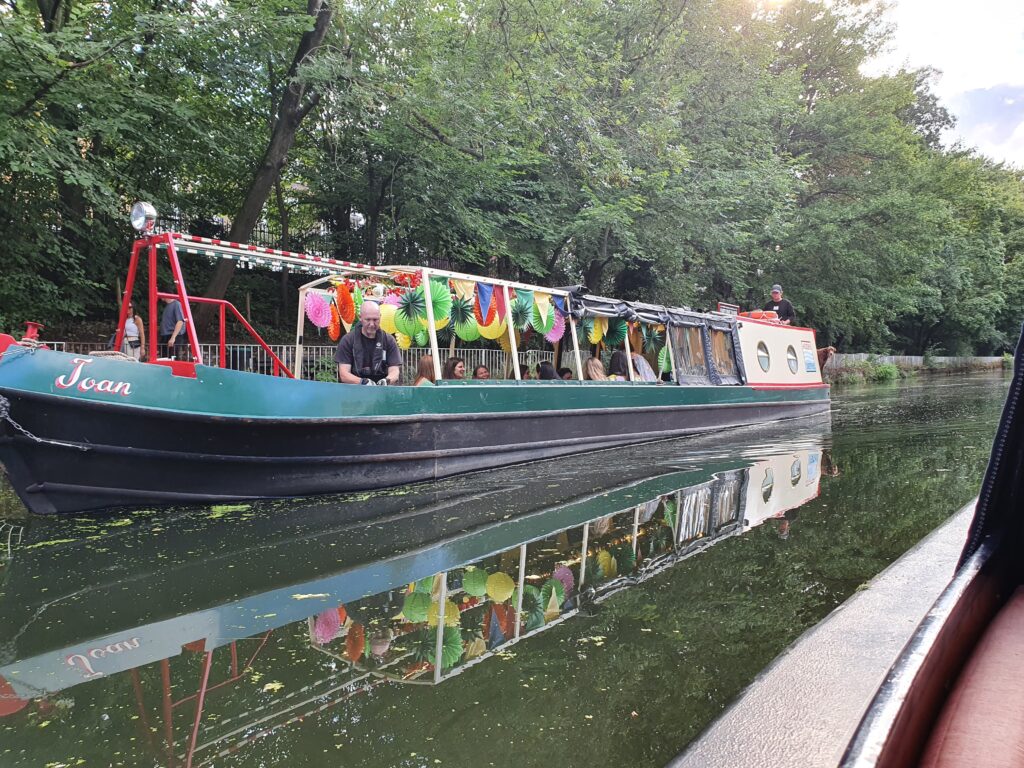
And there didn’t seem to be a lot of boat traffic, unless you counted the weekend trip boats hosting parties

Thats a good way to celebrate


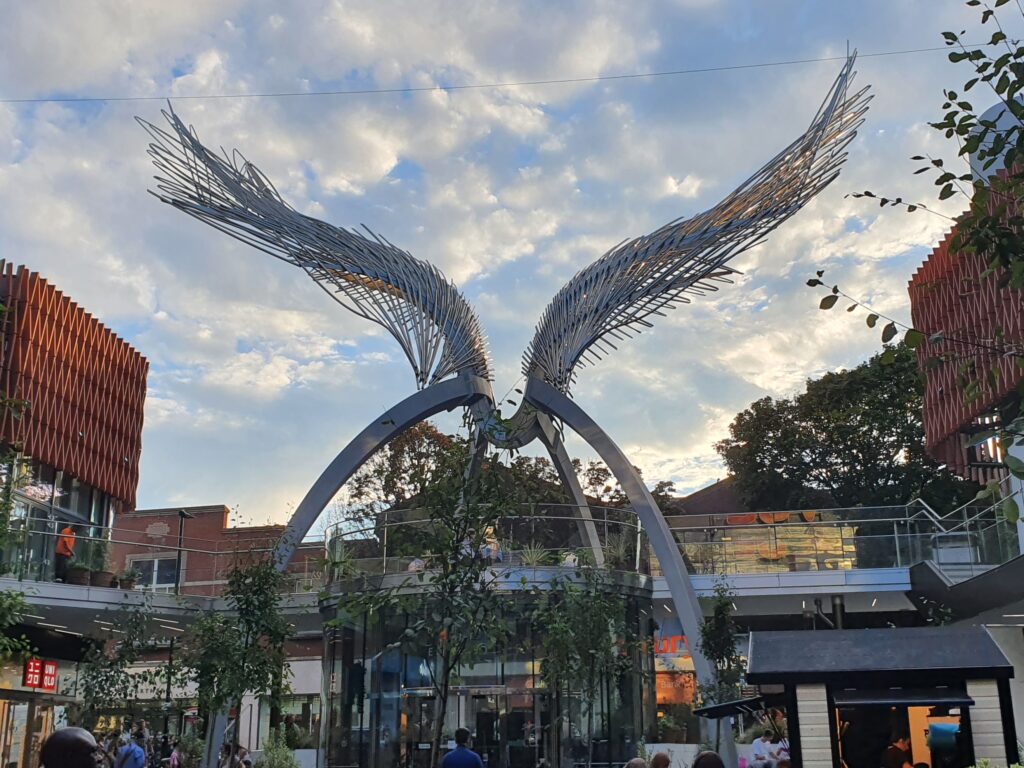
Yet all within a few minutes of the Northern line and Angel tube station, and a lively high street and trendy shopping centre

Angel shopping centre

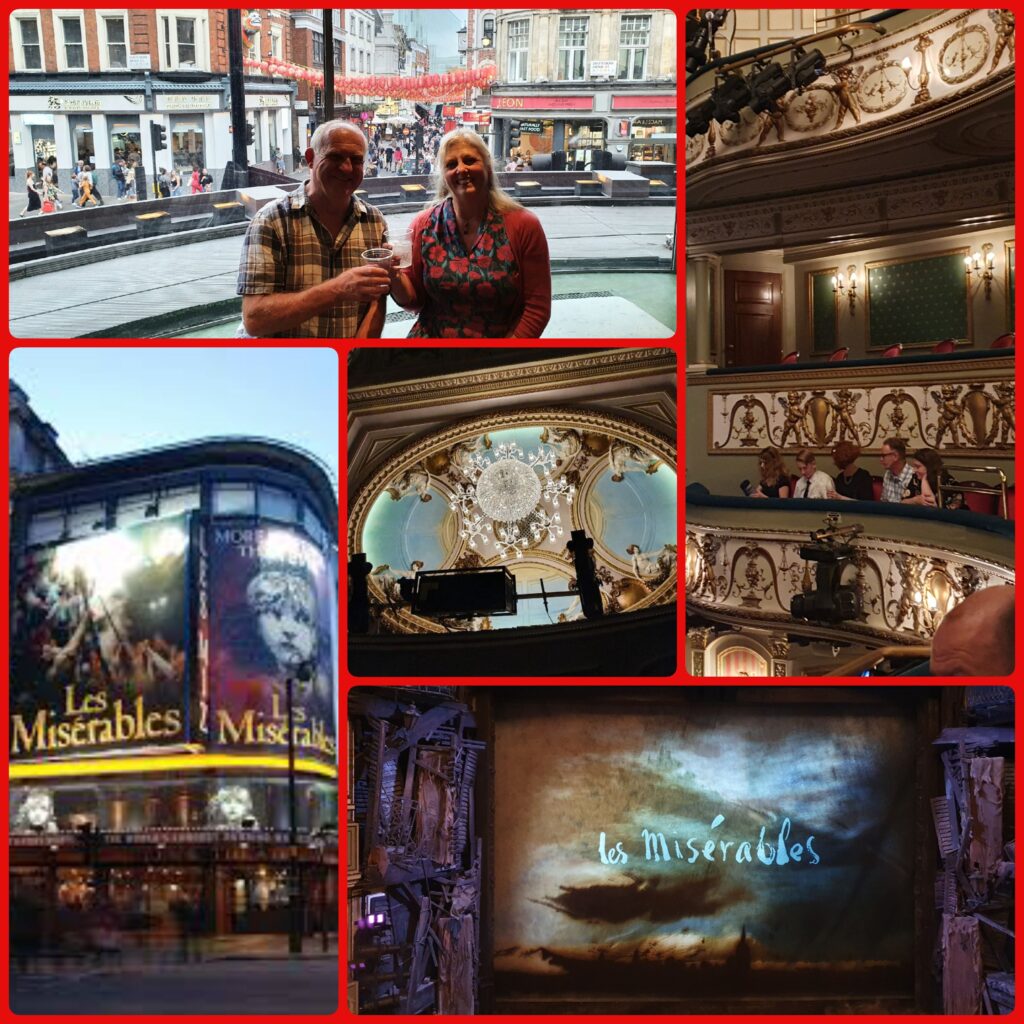
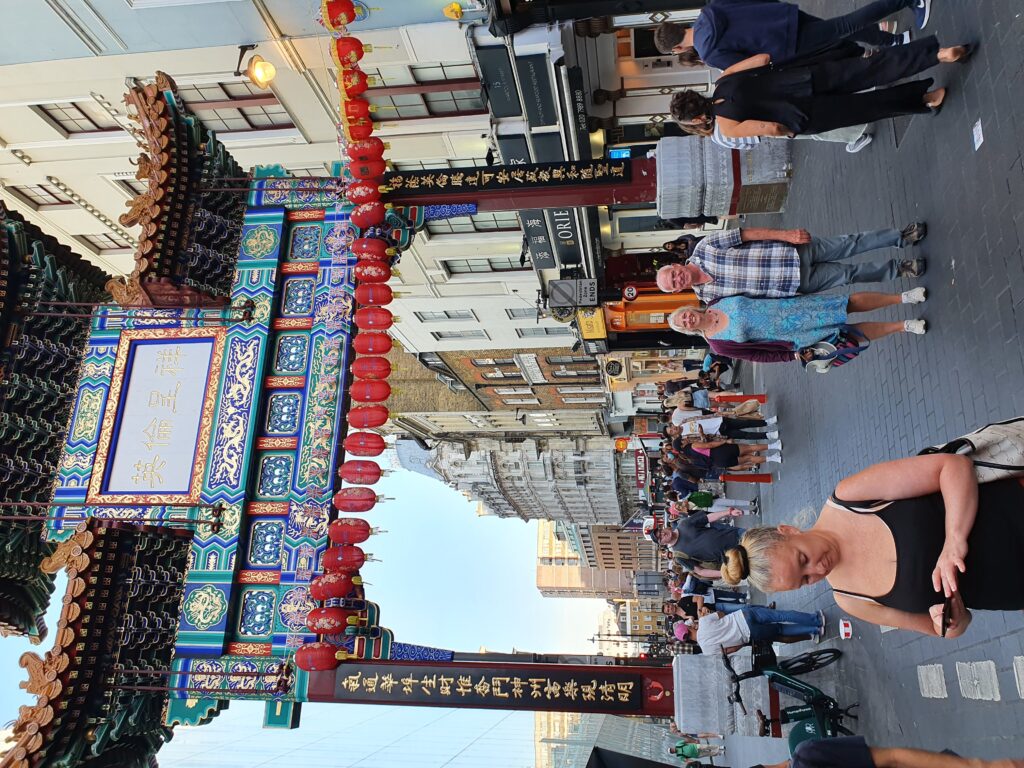
On our first evening, we had arranged to meet up with family to go and see a west end show. So started off with a meal in China town

No point in denying it, we were in full blown tourist mode


Amanda’s neighbour was playing young Bob, in the musical Get Up, Stand up, at the Lyric theatre, and as we’d met them earlier in the year it seemed an obvious show to go and see.

Great music Bob,

A good start to our week

A feast for the senses, onto the Regent’s Canal

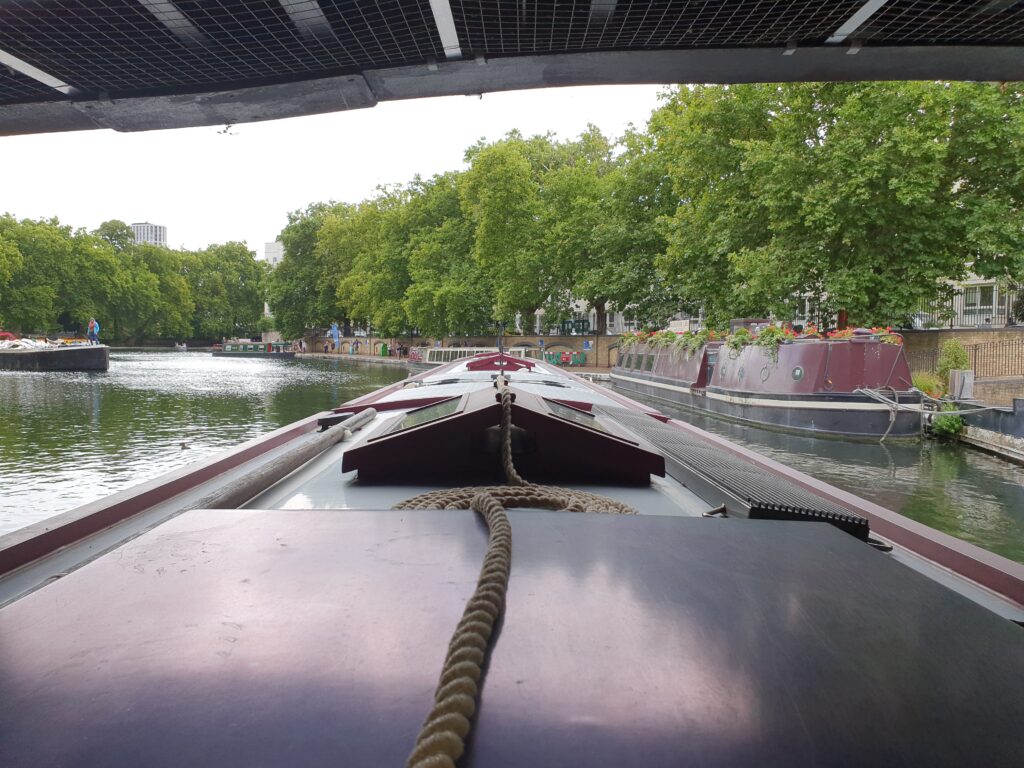
Under the blue and into Paddigton Basin, Little Venice and Rembrant gardens.

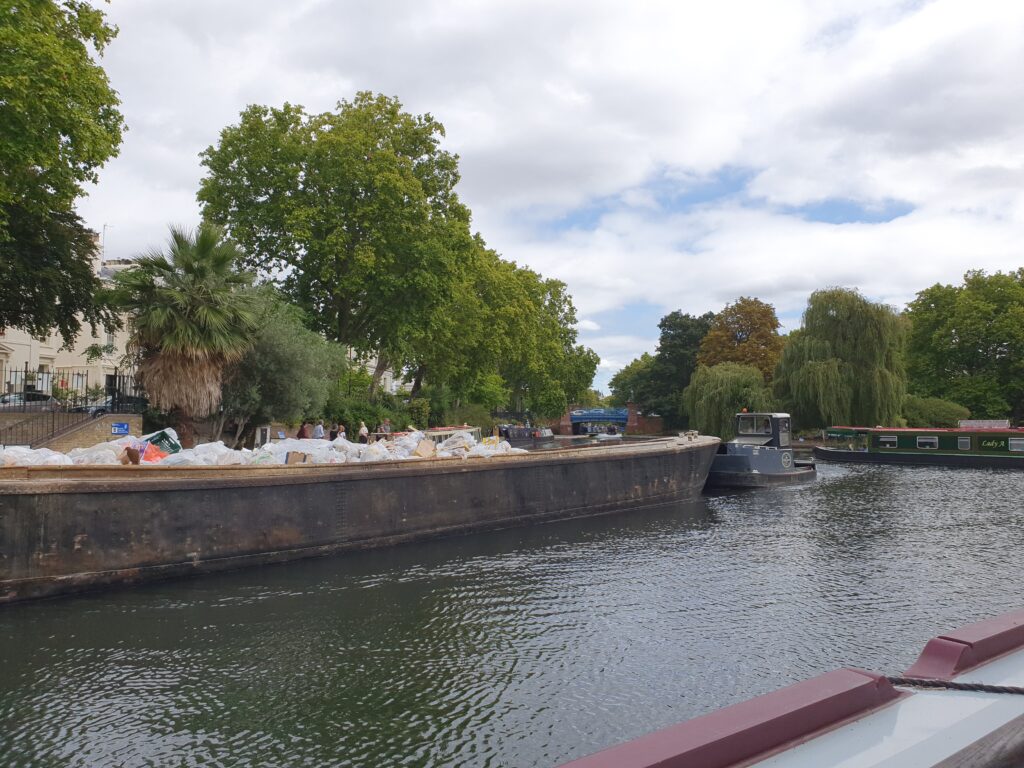
Paddington basin, Little Venice and Rembrant Gardens was once the site of a significant intersection, with wharfs and winding space forward goods to be loaded and moved on,. The Grand Union canal becomes the Regent canal, but even in this now trendy community hub, boats need to give way to the huge rubbish barges whisking away the capitals debris.

Thats a lot of rubbish

But the next 5 miles of our journey was an absolute feast for our senses, mixing multi millionaire properties, where the celebs live.

Looking up to the Maida Vale town houses.

With the less salubrious, but equally fun

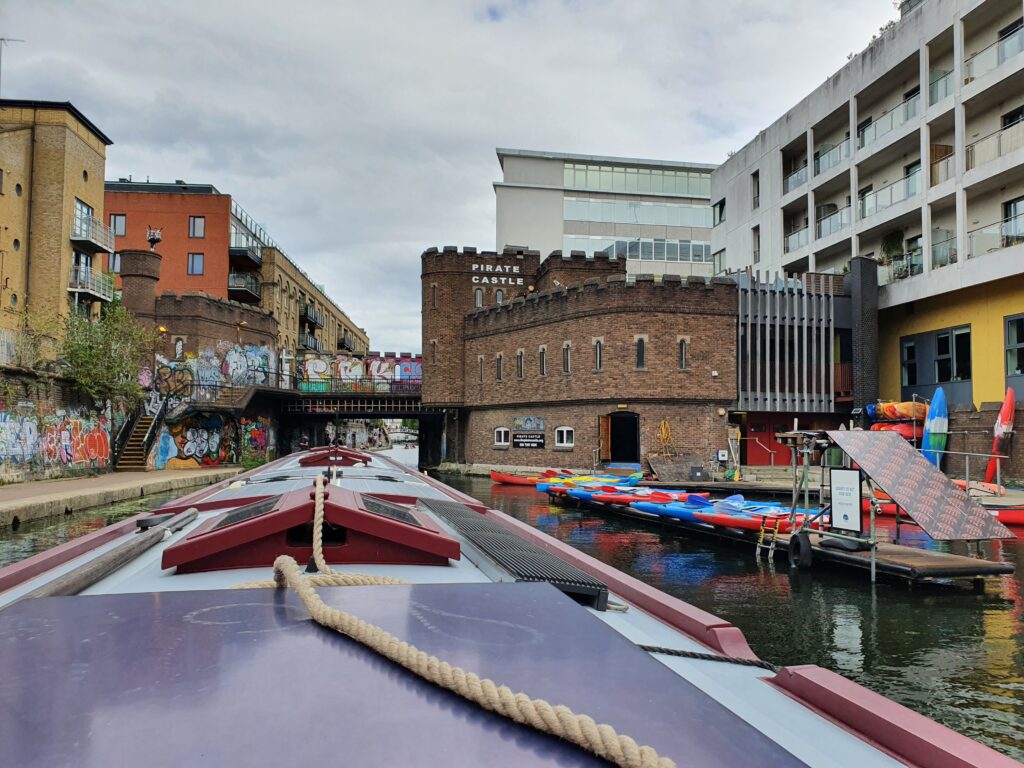
The Camden Pirate Castle

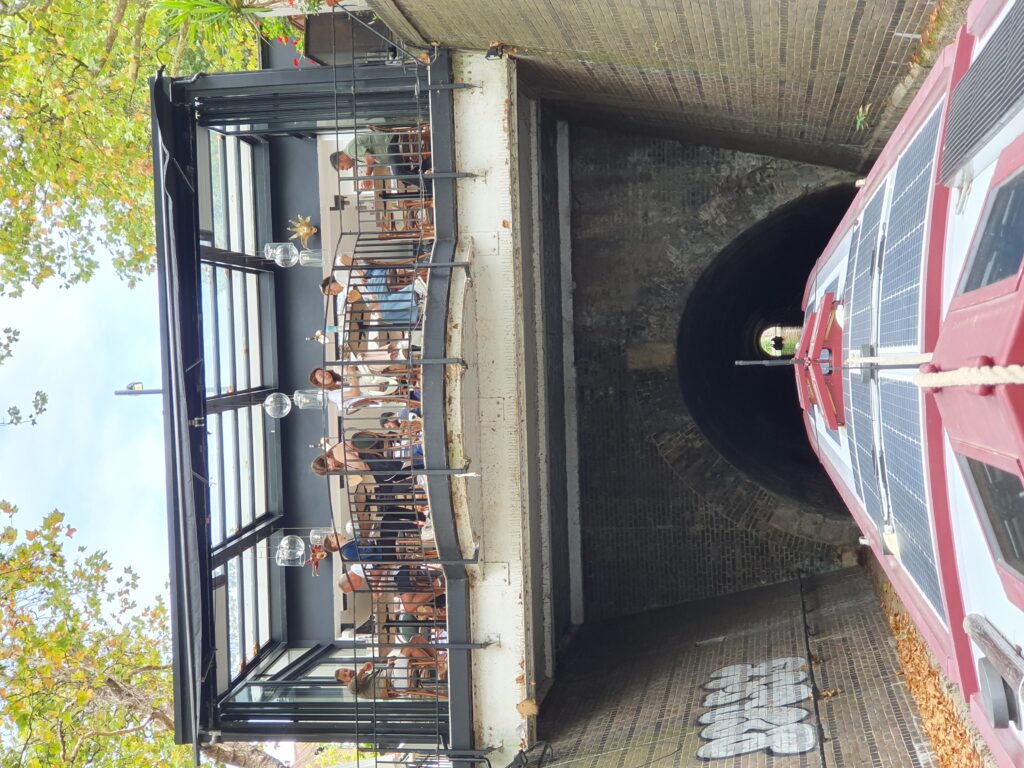
Our journey took us under the Maida Hill tunnel where we were watched by the diners at this quirky Italian cafe

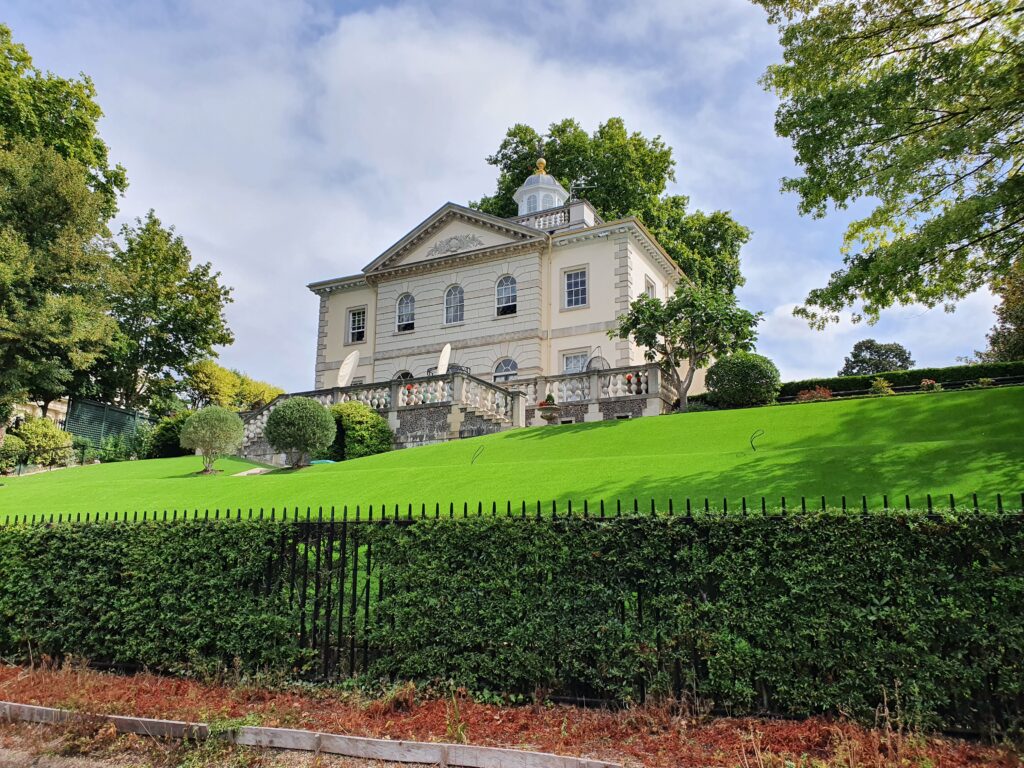
Through Regents park, past Hanover Lodge, reportedly Britain’s most expensive house when it was sold to a Russian oligarch in 2014 for £120 million.

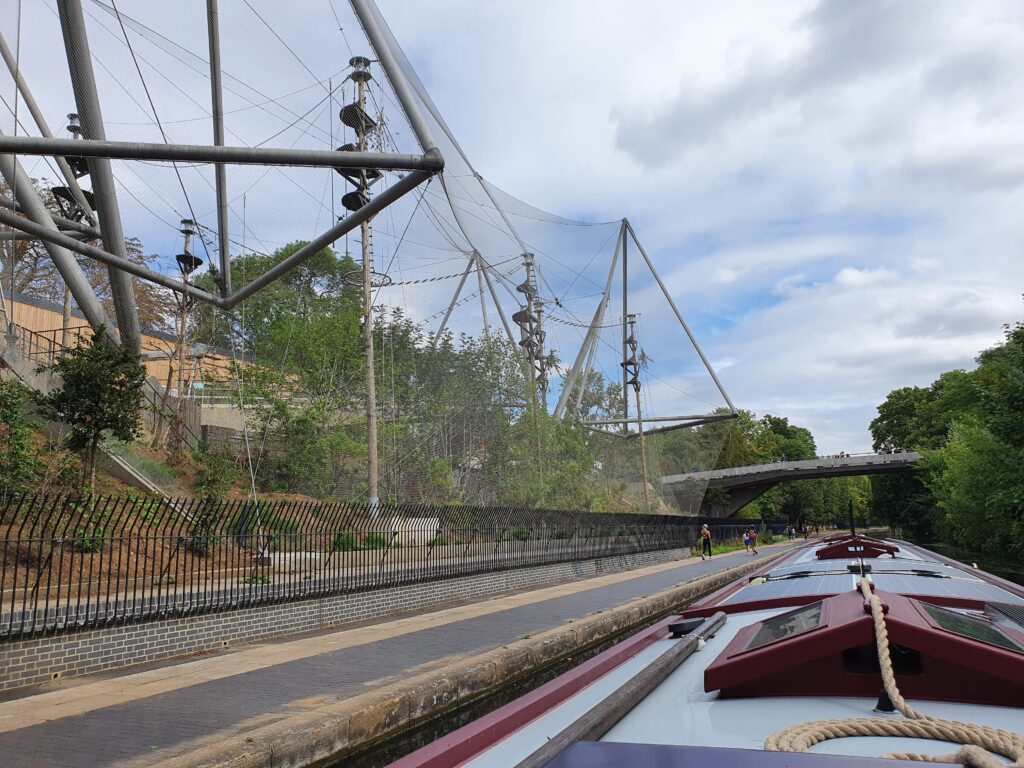
Through London zoo, although we didn’t get to see any animals

London Zoo from the canal


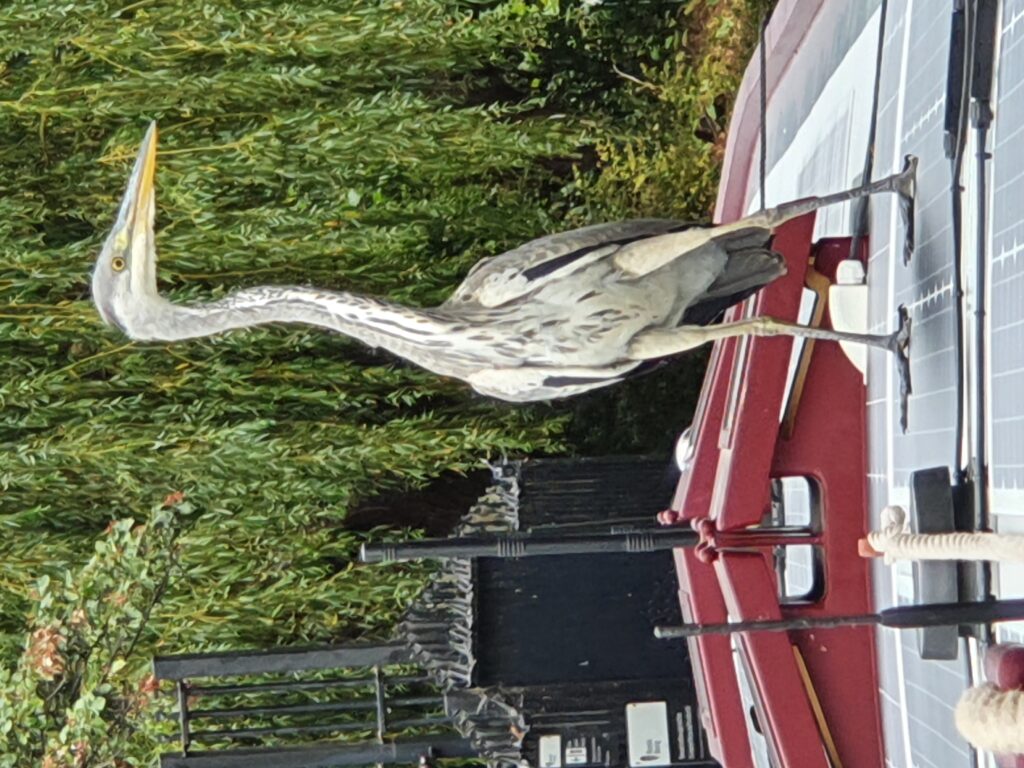
Although we did pick up a Hitchiker

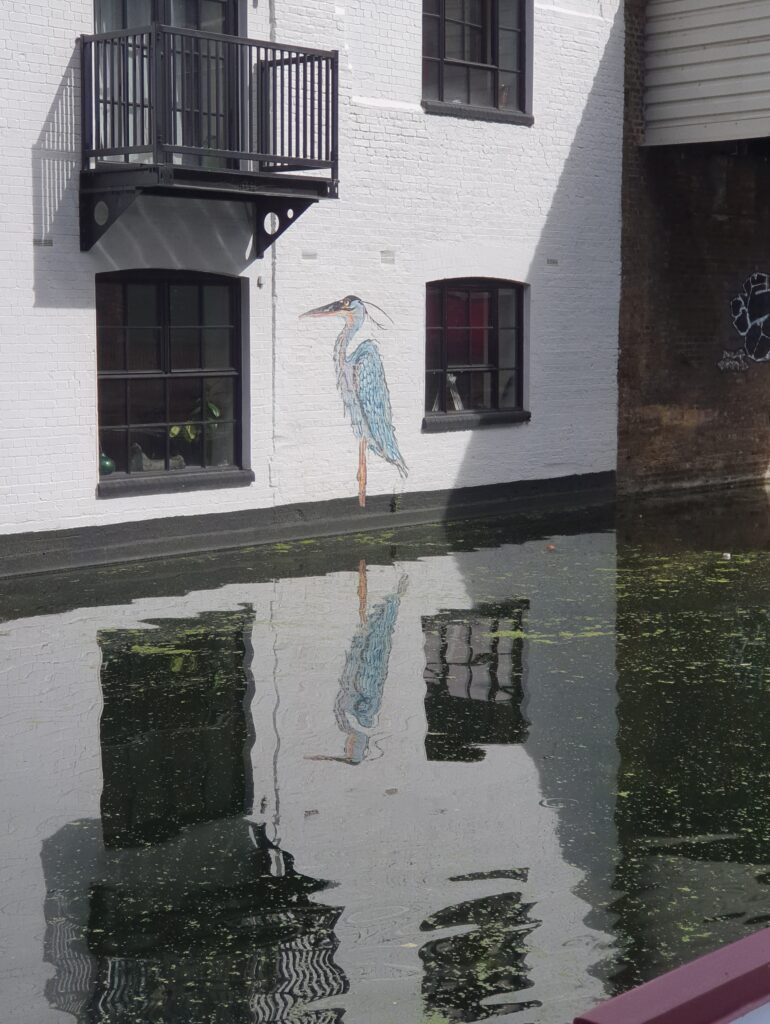
A hot footed heron

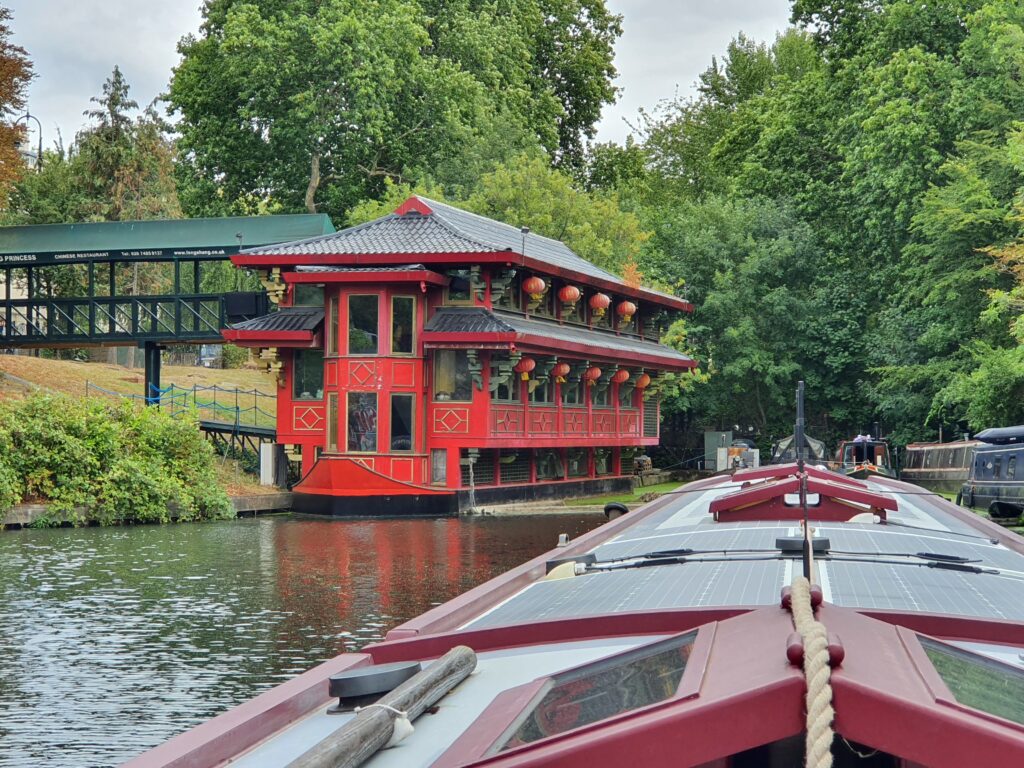
Past the Feng Shang Princess a floating red pagoda restaurant

The Feng Shang Princess

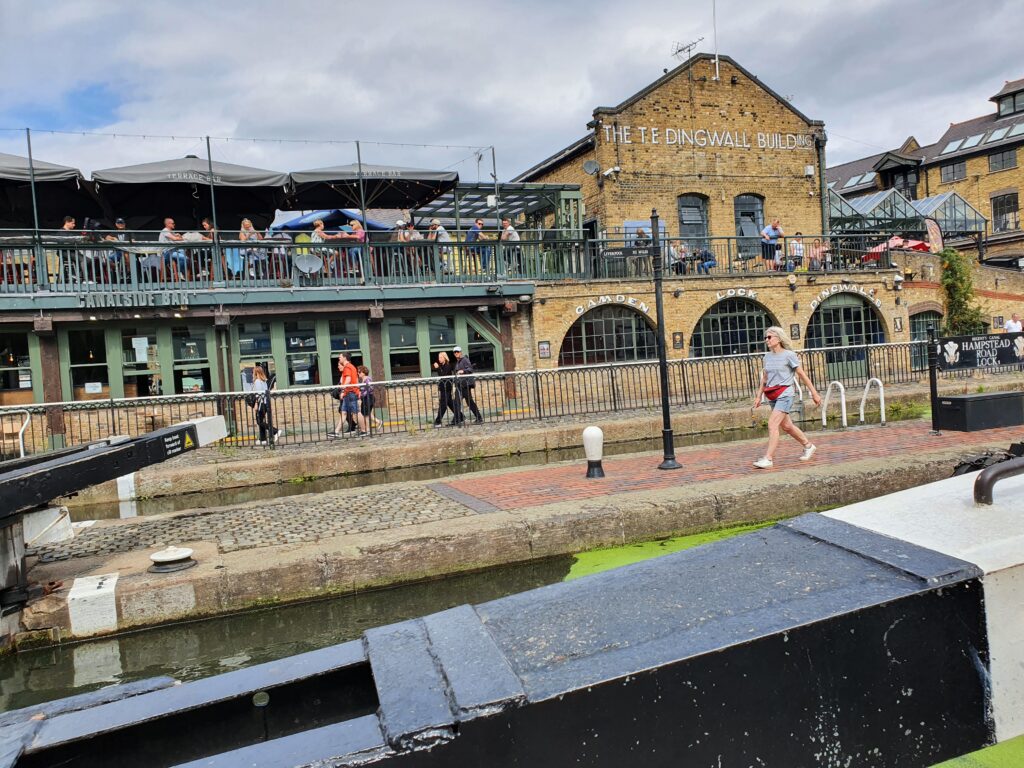
Through Camden where our senses were well and truely bombarded,

Camden lock

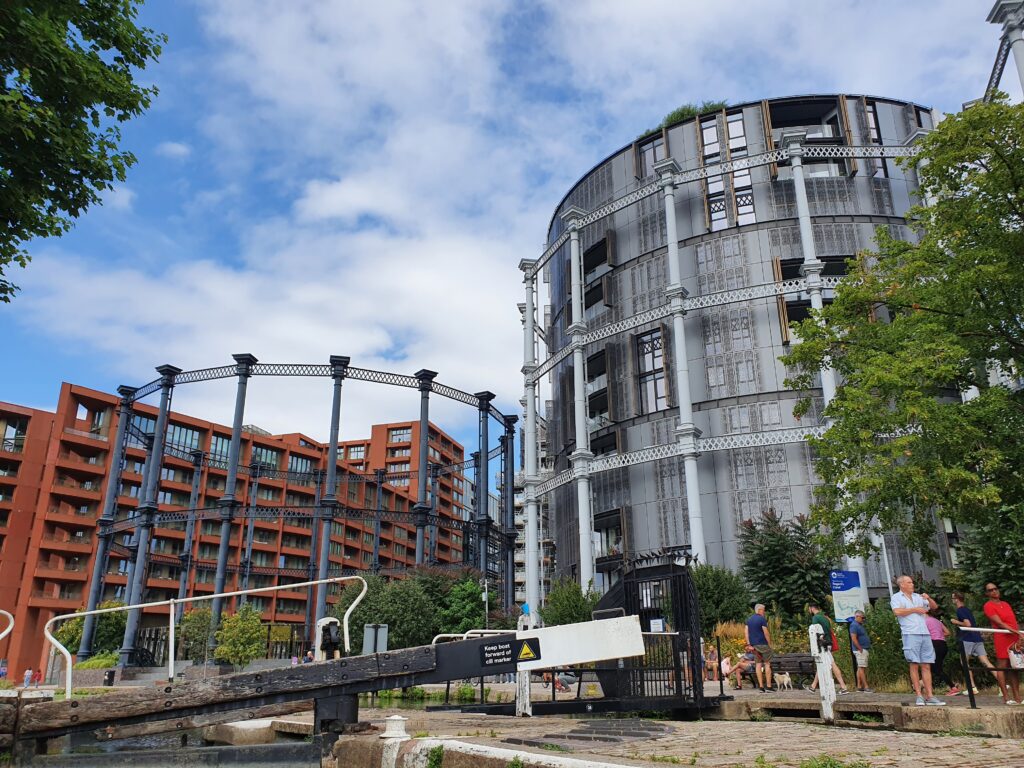
And past the prestigious and enterprising GasHolder development at Kings Cross

The gas holder penthouses

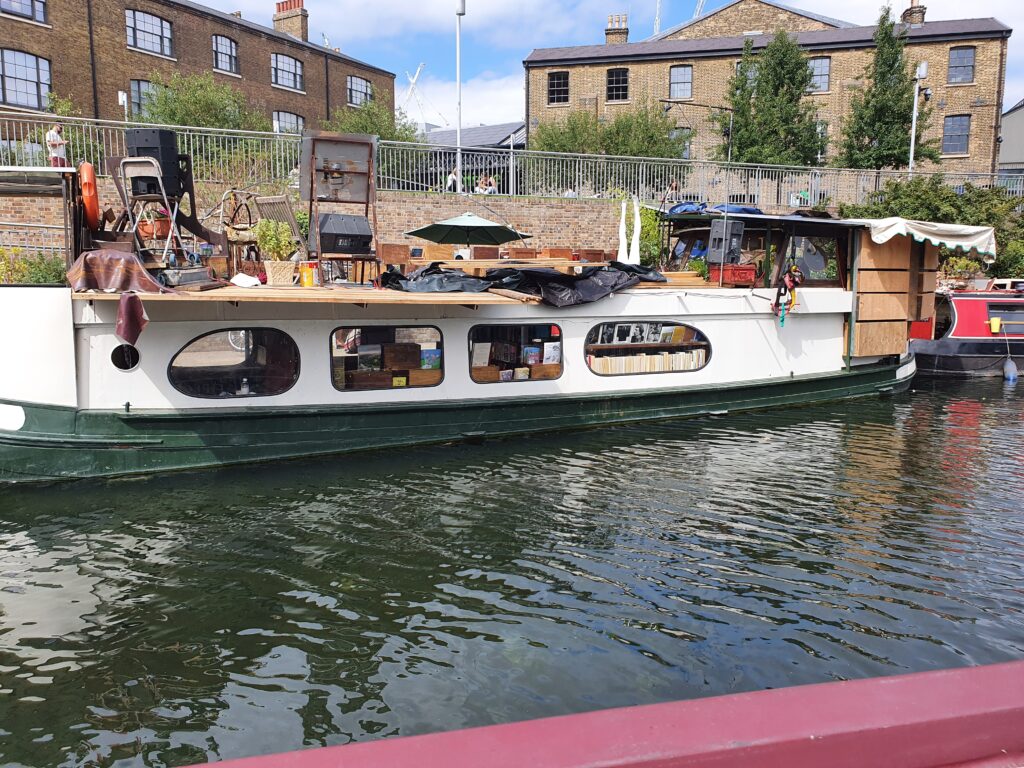
And the less prestigious but equally enterprising book barge, Word on the Water, for boaters and passers by to fill their literary needs.

Words on the Water

And finally under the Islington tunnel to reach the fabulous Colebrook row Eco Mooring

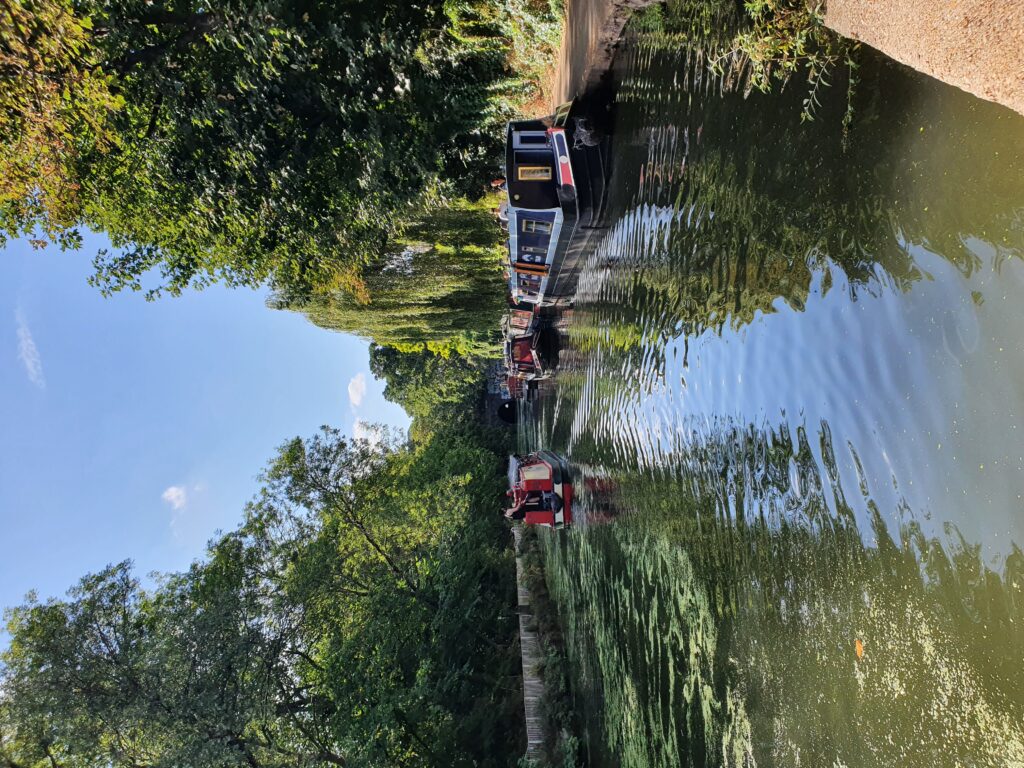
A gem of peace and tranquility

The Paddington Arm

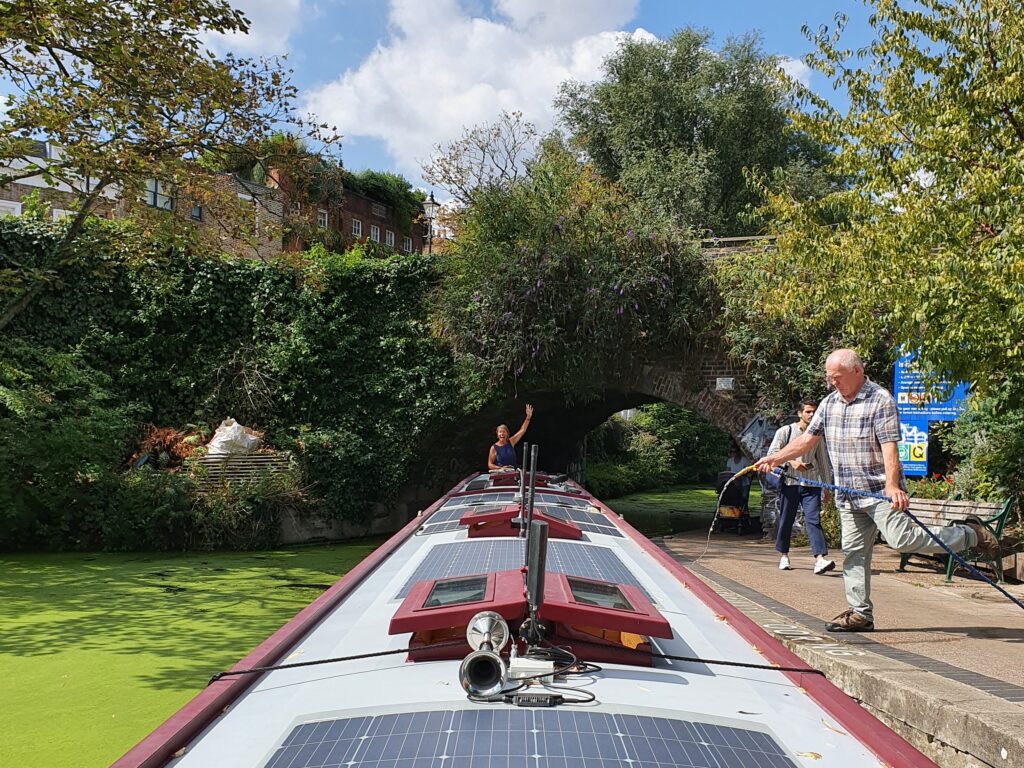
Our journey continued up the Grand Union main line just another 2 miles until we reached Bulls Bridge Junction, conveniently site of a huge Tesco, close enough to wheel a loaded trolley back to the boat. So I took advantage and stocked up on the heavier store cupboard necessities (eg, bottles of wine and cans of beer), whilst Eric filled up Firecrest with water.

Bulls Bridge junction and water point

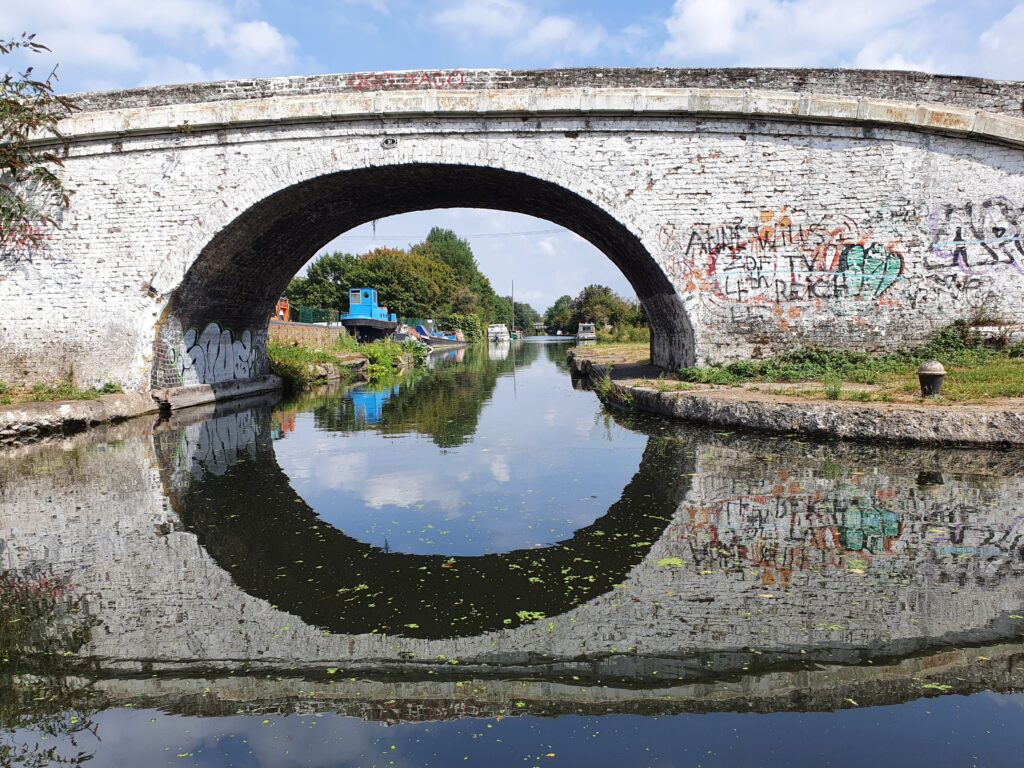
It could have been such a pretty bridge if the graffiti vandals hadn’t wanted to make their mark.
Going onto the Paddington Arm

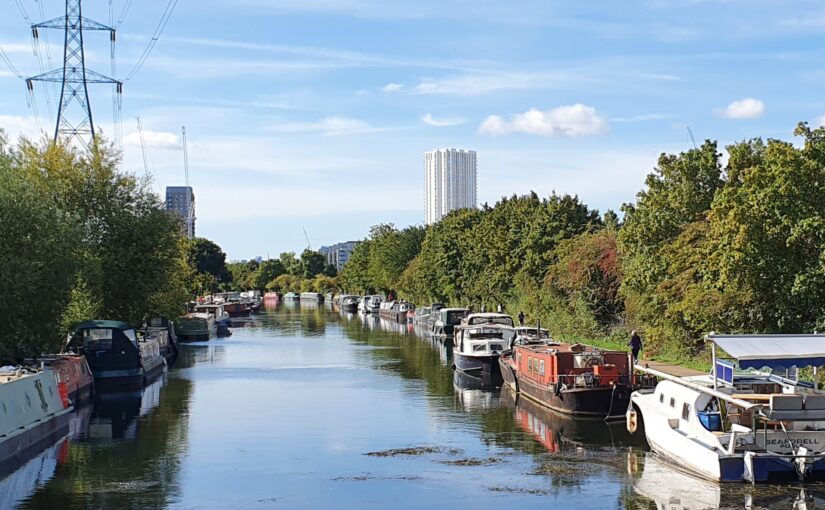
But we were pleasantly surprised by how nice the canal is along here.

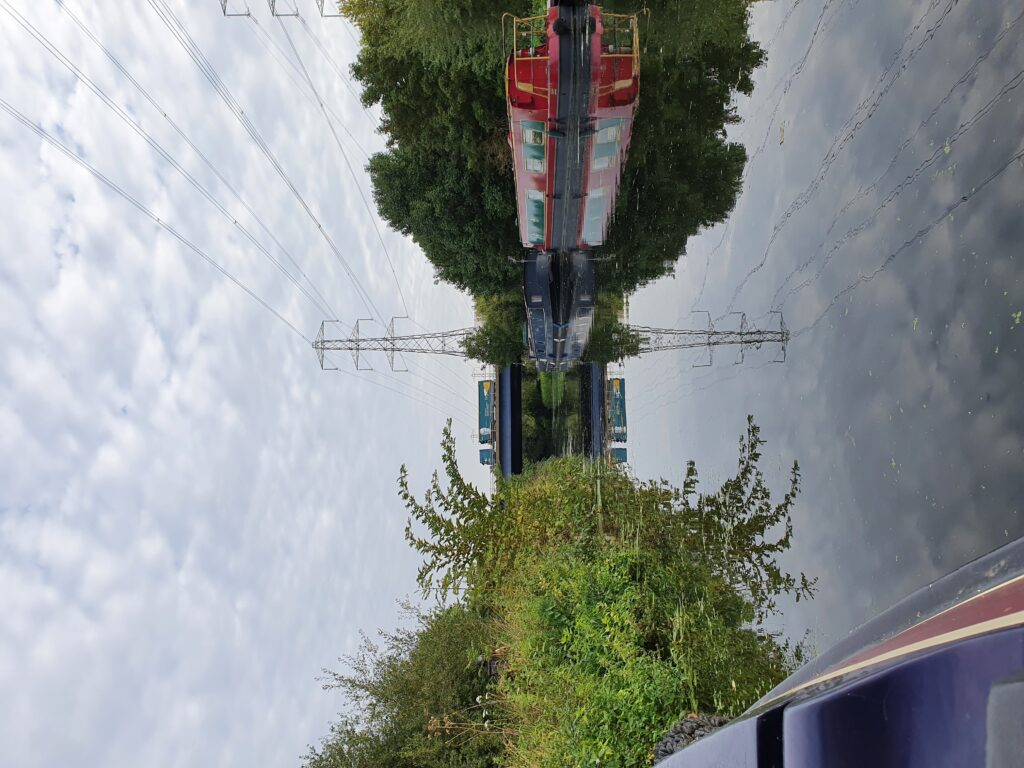
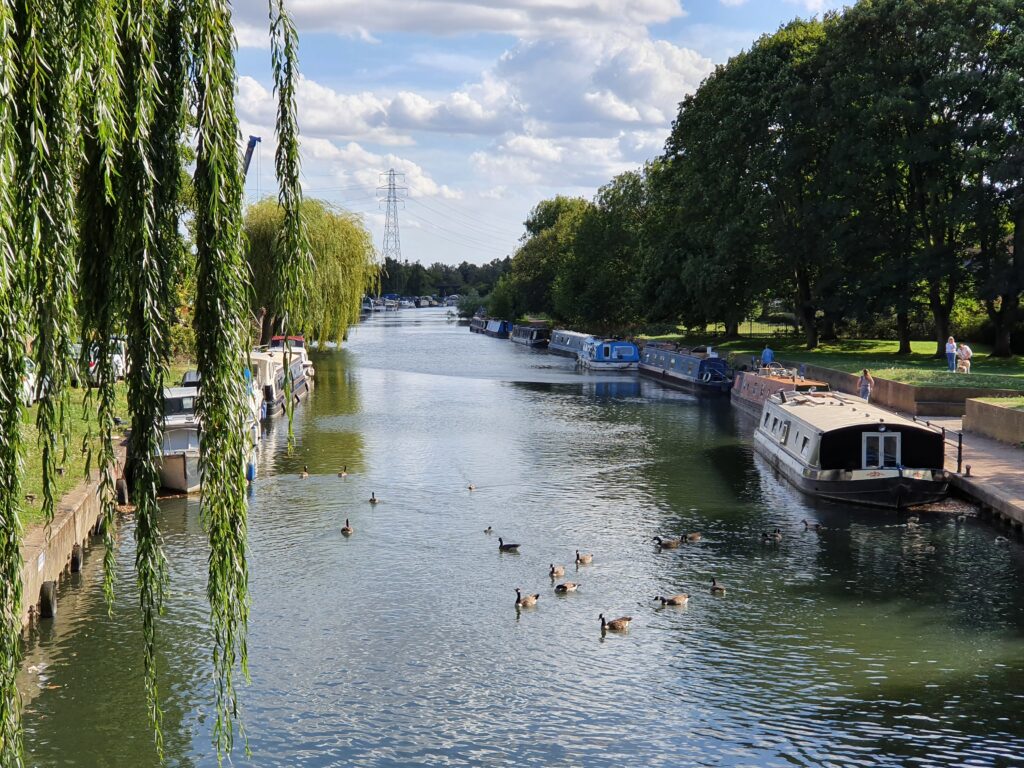
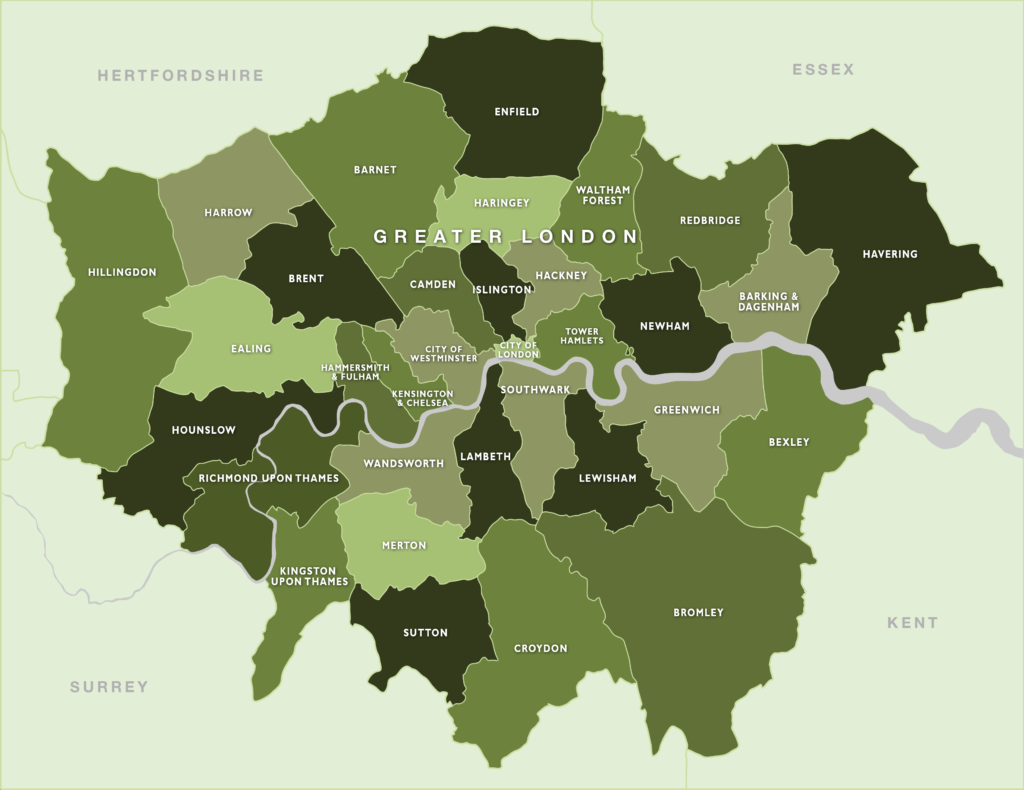
Yes there’s a lot of residential mooring off side, but also long rural stretches, which we hadn’t expected already being within the boundarys of greater London (the first section of the GU roughly follows the southern and western edges of Ealing) and the first section of the paddington arm, skirts south of Northolt.

Greater London, quite a big “place”

And we found ourselves a peaceful overnight home in Paradise Fields, at Horsenden

Paradise Fields

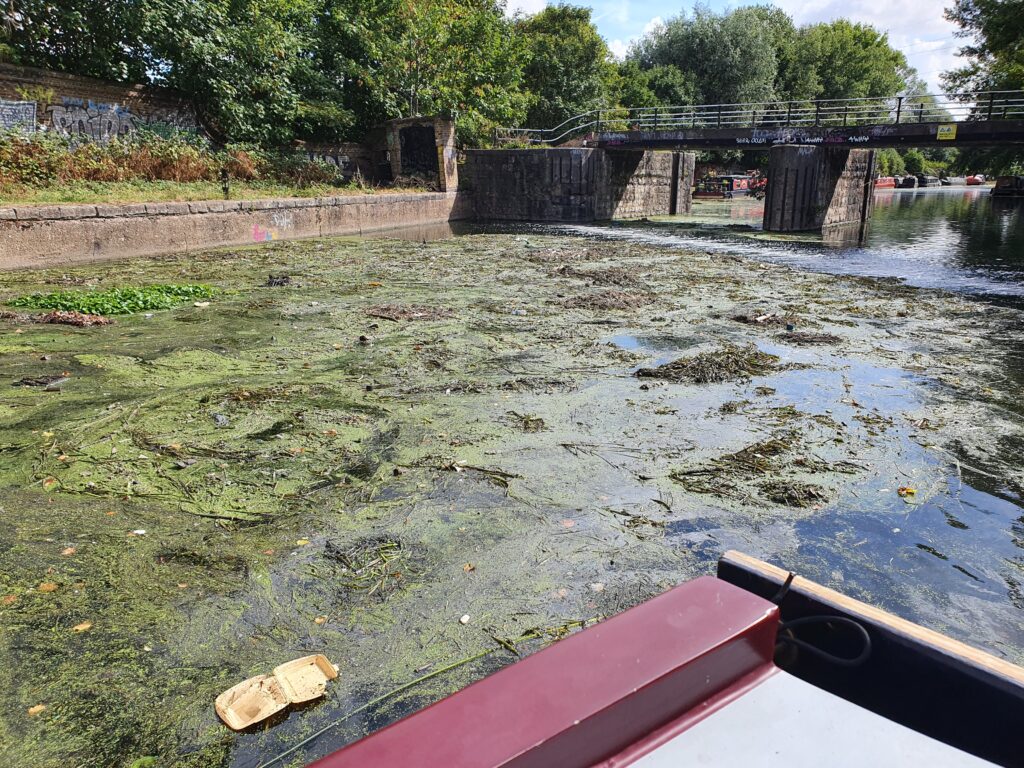
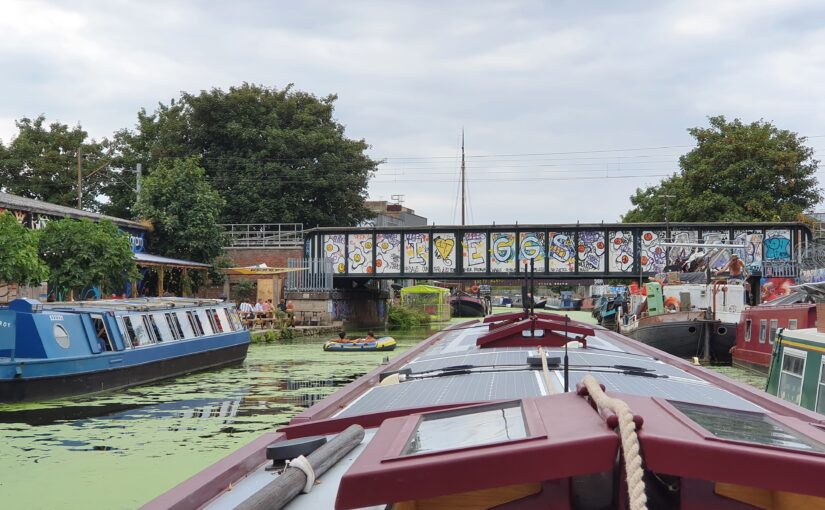
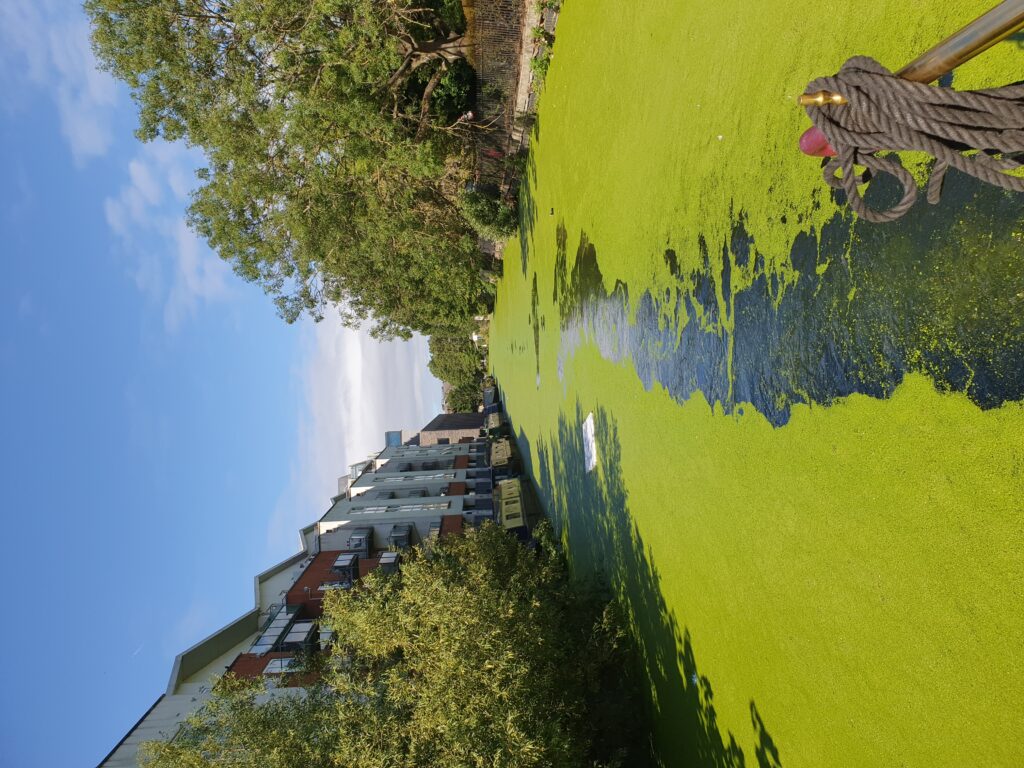
We were within walking distance of the Brompton folding bike factory, but they were still following covid distancing guidelines, so weren’t running their usual tours. Just as well as we had a long day ahead of us so needed a prompt start to the day. We had been warned by many that “London would be double moored for mile after mile after mile, but we were pleased to find that we continued seeing places to moor for a few more miles. Although the duckweed and rubbish was becoming an annoying feature.

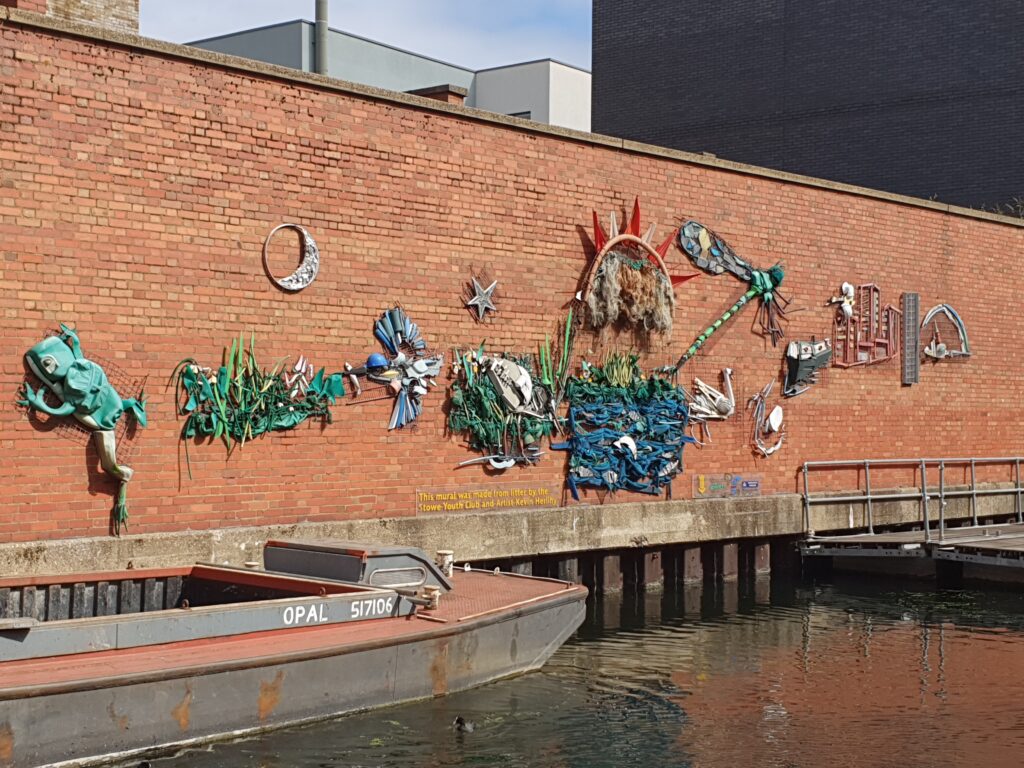
The debris thrown in along the canal is hard to ignor, but the Stowe Youth Club has created a fabulous mural

And it was only when we looked closer we realised it was made up of rubbish pulled from the canal

We are always heartened to see the enterprising art works along the canal,

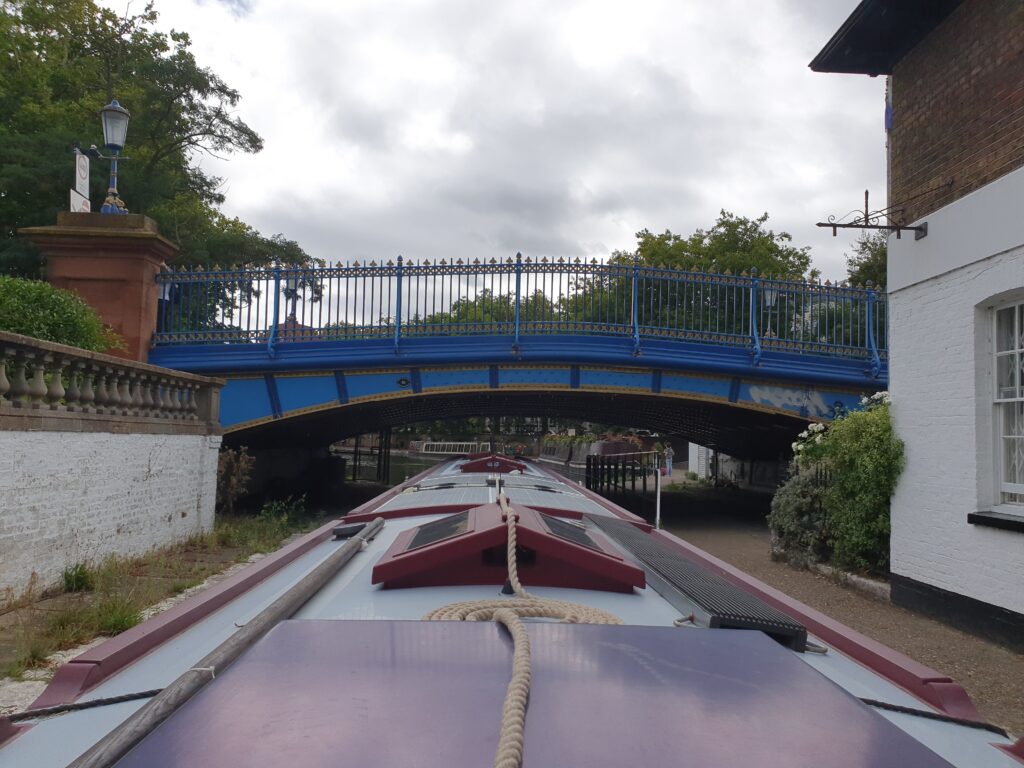
But our views were about to change dramatically as we passed through Little Venice and the blue bridge marking the start of the paddington basin

Little Venice Blue Bridge

Goodbye River, Hello Canal

Goodbye River Hello Canal

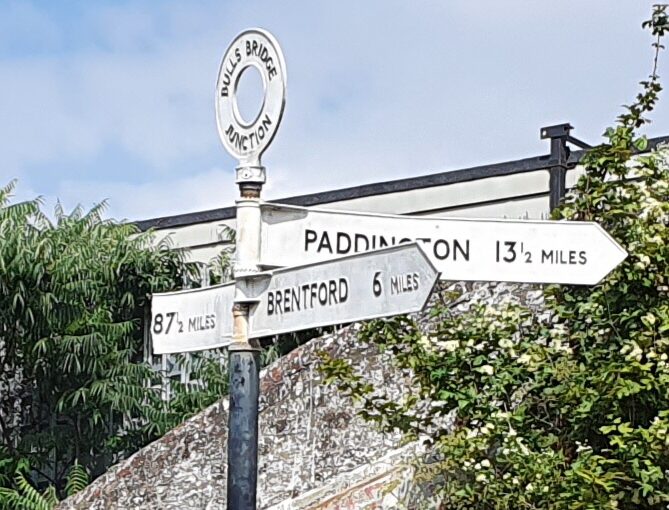
This looks like an original Grand Junction canal sign

An hour and a half after leaving Teddington we were back onto the Grand Junction/Union Canal. Although for the first mile or so the canal and River Brent intermingle and there is still a tidal element at times. We had hoped to stop so we could visit Kew gardens, But we couldn’t have moored in Brentford even if we had wanted to, it was nose to tail with boats, even on the water point. But never the less we were treated to some interesting views. Brentford Bridge was a pleasing sight.

Brentford Bridge


It had undergone a makeover in 2021 and now celebrated the canals wildlife.

These paintings adorn both sides on the inside and outside

But it wasn’t long before reality of urban canals ground us to a halt, weed, plastic and rubbish, hidden under the water waiting to wrap itself around our prop, making it near impossible to steer. It is one of the foulest of boat jobs that falls onto Eric’s shoulders, because his arms are longer than mine and the physical strength needed to cut away the twine tying us up. Thankfully most vegetation can thrown off with a burst of reverse throttle but fabrics, plastics, fishing line, bicycles and shopping trolleys are all a boaters nightmare.

Yuck


All three of our convoy had to defoul our props more than once, but we gradually left the urban sprawl and found ourself cruising along some genuinely beautiful and historic canal. We stuck with our Lock buddies to work the Hanwell flight, passing the victorian paupers and lunatic asylum. The wall along the canal and the flight of locks are now a scheduled ancient monument. When the asylum was first opened in the 1830s it wasn’t as popular as the workhouse or jail because there was a fee of nine shillings per week to stay there. But needless to say it wasn’t long before it was full. It currently houses the West London Mental Health services headquarters and is known as St Bernards Hospital

The lunatic asylum

We passed “through” the three bridges (officially windmill bridge) which was designed by Isambard Kingdom Brunel so that the railway could be routed through a deep cutting, so as not to obscure the views of Osterly Park.
What we saw of the three bridges

https://canalplan.org.uk/place/236g

From the trains perspective, image taken from canalplan


And found ourselves a nice quiet mooring for the night. Which was just as well because the rain we had been expecting when we set off at 7am arrived with a vengeance just after we had stopped.

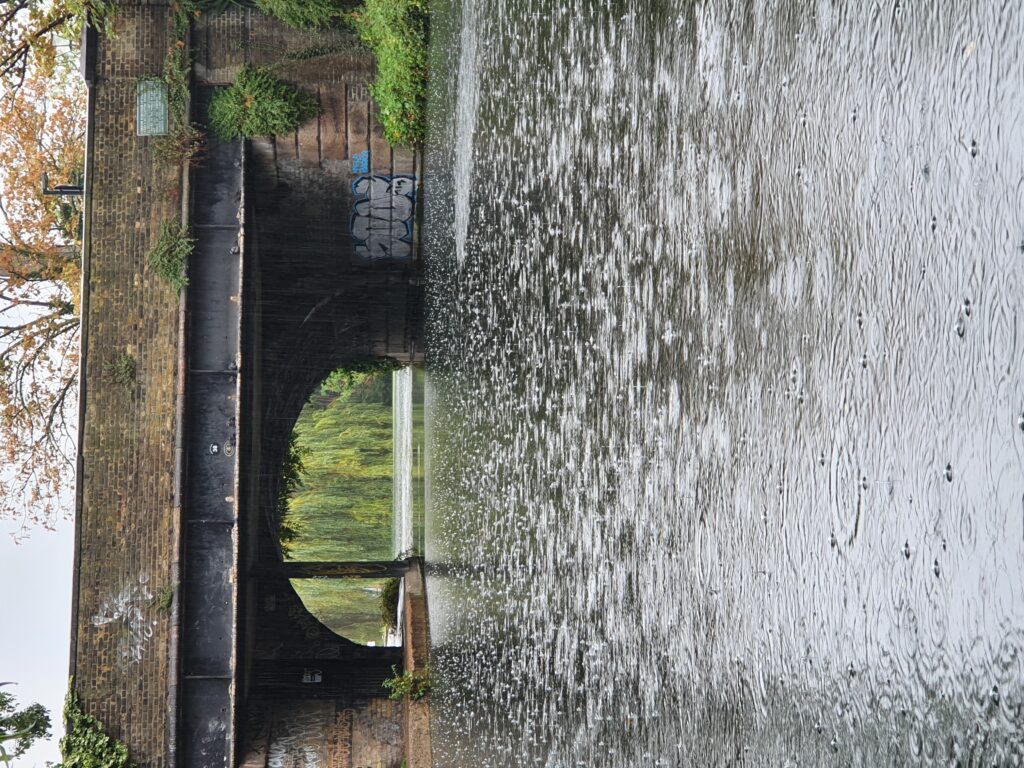
Rain, rain more rain

Riding the Tide, from Teddington to Brentford

We rose early as our Teddington Lock booking was for 7am.

Looking back to say goodbye to the Thames that we had spent 4 months enjoying

Eric had plugged in the VHS radio and erected the aerial, to comply with the Port of London Authority (PLA) bylaws

Looking forward

And off we set

Under the footbridge and into the lock

We were sharing the lock with 2 other boats, also going to Brentford. And as they had both done the journey before, were happy to take the lead and keep us in view.

And being released

Teddington Lock is actually a triple lock system, the “great” lock or barge lock accommodates the largest boats such as the floating gin palaces, the launch lock for the little boats like Firecrest and the skiff lock, which is a tiny narrow affair for the rowers. Although there are lockies on duty 24/7, they hold back the majority of boats until the tide is high and turning so that we are carried with the down stream flow instead of fighting against it. Hence the need to book our passage. Because we were being given safety instructions, I forgot to take many photos, and because the tide was high, it was more like going through a 6 inch stop lock than the colossal deep trench that we had seen the evening before.

Soon we were on our way, unfortunately the weather was not obliging with the view, and we can only imagine what Ham house up on its hill ought to have looked like.

Ham House, up on the hill

We soon approached Richmond Bridge

Richmond Bridge

And then Richmond half tide lock. This is a barrage lock that manages tidal river levels, you can pass under the designated arch freely 2 hours either side of high tide, at other times, you have to pay a fee to use the manned lock.
Richmond half tide lock

We duly went under the arch and continued speeding downstream. The journey from Teddington to Brentford is about 5 miles, and it had taken us an hour. To put it in perspective, on the canals we travel at roughly 2.5miles per hour. The london skyline was now visible, but we also saw our lead boat turning left.

The london skyline

And the glint of the stainless steel sculpture known as Liquidity that was our marker point to guide us back onto the Grand Union Canal

Liquidity, where the Grand Union Canal joins the Thames

Its quite a tricky manouver to take a narrowboat across the river which has both a downstream and a tidal flow to compete against, but Eric put full throttle on and Firecrest behaved beautifully. We didnt overshoot or get swept downstream backwards. But oh what a difference, from a flowing river that was easily 100m wide, to a much narrower channel, which at this point is still tidal, and into Thames Lock 101. Thames lock also needs to be booked to accommodate the tide levels.

And then we were here, back onto the canal system, goodbye Enviroment agency, hello CRT, hello duckweed, hand cranked locks and urban jellyfish (aka plastic bags and other detritus)

Welcome back onto the grand union

Back on track

With the chores checked, and the chums chatted to, we were back on track travelling towards London. We had a very pleasant overnight stop at the 48 hour Shepperton VM. (Visitor mooring)

Sailed right past Hampton Court palace, (with a touch of envy at the boats moored there)

Hampton Court palace from the river

Through Kingston, where some modern architecture thought he was designing a cruise liner, its actually called the Admiralty building

And under Kingston Bridge. Eric had spent his teenage years around this area, so spent some time checking out his old cycle routes but found it so different from how he remembered it that it wasn’t fun.

Kingston bridge

And we moored up for the night at Teddington lock

Looking across the river at teddington

Teddington locks mark the start (or end) of tidal reach for us. The locks are managed by the enviroment agency and transit needs to be booked and is timed to aid navigation go with the flow. We dutifully paid our mooring fee and set the alarms our passage for 7am the following morning.

It had been a long days cruise so we didn’t go far exploring, but I was quite excited to see a fully laden pear tree along the towpath, until I realised, it was also full of parakeets and all the pears had been “tested” we’ve been seeing and hearing these colourful pigeons since we reached Windsor, but I hadn’t been able to snap a photo of them until now because they fly so quickly and are so well camouflaged in the tree tops. Mind you we can certainly hear them. There have been parakeets living wild in the UK since victorian times but their numbers have increased drastically since the 1990s. In 2012 There were around 32000 in London, I suspect its a lot higher now, and it doesnt take a rocket scientist to wonder about the impact these birds will have on our native wildlife.

A slight detour, back to Windsor.

Having enjoyed several days at Hampton Court, we should have continued downstream towards London. But we’d made a few commitments to see people, including having found a dentist willing to see us as walk in customers for our long overdue check ups. Accessing routine health care as a continual cruiser is a continual frustration. We snatch what we can where we can and try to keep healthy, which probably means I shouldn’t take advantage of hedgerow foraging. But the fruit came from Hampton court so I couldn’t miss an opportunity to make Royal Jelly.

3 jars of royal bramble and apple jelly


We turned the boat around, said goodbye to Hampton Court palace and began our cruise back to Windsor.

Thats a posh pad on the banks of the Thames

But Eric had warned me I might face execution, poaching from Henry VIII’s back yard, so we were a bit worried when we realised we were being chased down by the police.

Hello hello hello, what have we here

Turns out it was the Met on the run, not us. They were escaping from their regular city patch to familiarise 2 new officers with the route to Windsor Castle. They occasionally provide royal river protection along that section of the Thames. But whilst they cracked on apace, we meandered more slowly, stopping at Staines, to see the London Stone.

The Staines London Stone

In 1197, Richard I needed money to pay for his Crusades, so he sold the crown’s rights over the River Thames, from the estuary to Staines, to the Corporation of the City of London. The date, 1285 is engraved into this stone as the boundary marker of that new jurisdiction. The original stone is in a local museum but this replica is next to the river in the memorial park

Staines stainless steel swans

We took advantage to restock the fridge in Staines and enjoy some nice moorings overnight

Looking towards Staines

before heading back upstream, under the M25

We know which side we are happier

Past the lovely mooring at Runnymede, although the NT had decided August would be a good time of year to relay the footpath so although we were able to moor, we were effectively caged in and unable to access the actual site.

Mmmm, thats a disappointment.

When we got back to Windsor we checked onto the electric mooring point and had visits from some good friends

Cathy, Eric and Ali

Jo and I sharing a picnic in the shade

Hoping for the leftovers

Hampton Court Palace

When your next door neighbour is Henry VIII’s pleasure palace, it would be wrong not to take advantage. We decided to treat ourselves to a years membership of the Historic Royal Palaces trust which allows unlimited visits to Hampton Court, plus 4 other royal abodes.

Hampton Court palace


The Lord Chancellor, Cardinal Thomas Wolsey, (born in Ipswich, rose to prominence as a catholic priest serving Henry VIII, died of natural causes on his way to face charges of treason after the fiasco around the annulment of Henry’s first marriage to Catherine of Aragon.) Wolsey began the building up of Hampton Court for his own purposes in the early 1500’s but Henry took a liking to it and by 1530, it became one of his homes, showcasing his wealth and power.

King Henry VIII

Everything is on a grand scale

Eric in minature


and my photography doesn’t do any justice to the inside of beautiful old buildings Hence me borrowing this photo of the Grand Hall and its 500 year old tapestries from the HRP trust web pages.

The Grand Hall (from HRP story of Hampton Court)

These priceless tapestries depict the story of Abraham as Henry tried to affiliate himself with good biblical teaching. They would have travelled with Henry as he moved his “court” to various other palaces around the country. But Henry did love the lavish lifestyle and this was where he chose to spend a lot of time, entertaining and showing off. The palace continued to be a royal residence long after Henry and his six wives had lived there.

Now thats some back garden

And if you look over the fence, theres Firecrest.

Hello neighbours

Shakespeare performed many of his plays for Elizabeth I and James I in the 1600s. During the Georgian era in the 1700s Sir Christopher Wren was commissioned to revamp the palace and thankfully instead of tearing down the old Tudor buildings he added the little extention that we can see through the gates from our mooring.

No money was spared with the decor, and Hampton Court is likened to the palace of Versailles

But grand though the insides were, I do love wandering around the gardens

Hampton Court is famous for its maze, but we didn’t fancy competing with hordes of little kids getting lost. Instead we enjoyed searching for all the amazing characters made out of willow weaving that were lost amongst the flower beds

The gardeners at work

But thankfully the war of the Roses was done and dusted before Henry VIII came to the throne

Jousting in the flower beds

Hampton court fell out of favour as a royal residence in the 18th C. Many of the rooms became Grace and Favour apartments for the aristocracy if they had fallen upon hard times and had served the monarchy well. This continued until the 1980s. It was Queen Victoria who first opened up the Court to the general public to stroll around.

Whilst I have barely scratched the surface of what we saw, having HRP trust membership definitely paid for itself as we both popped in and out several times to enjoy different aspects of the palace during our 5 day stay.

Standing on Hampton Court Bridge looking at Firecrest moored (on the right of the photo)

https://www.hrp.org.uk/hampton-court-palace/#gs.a0czva