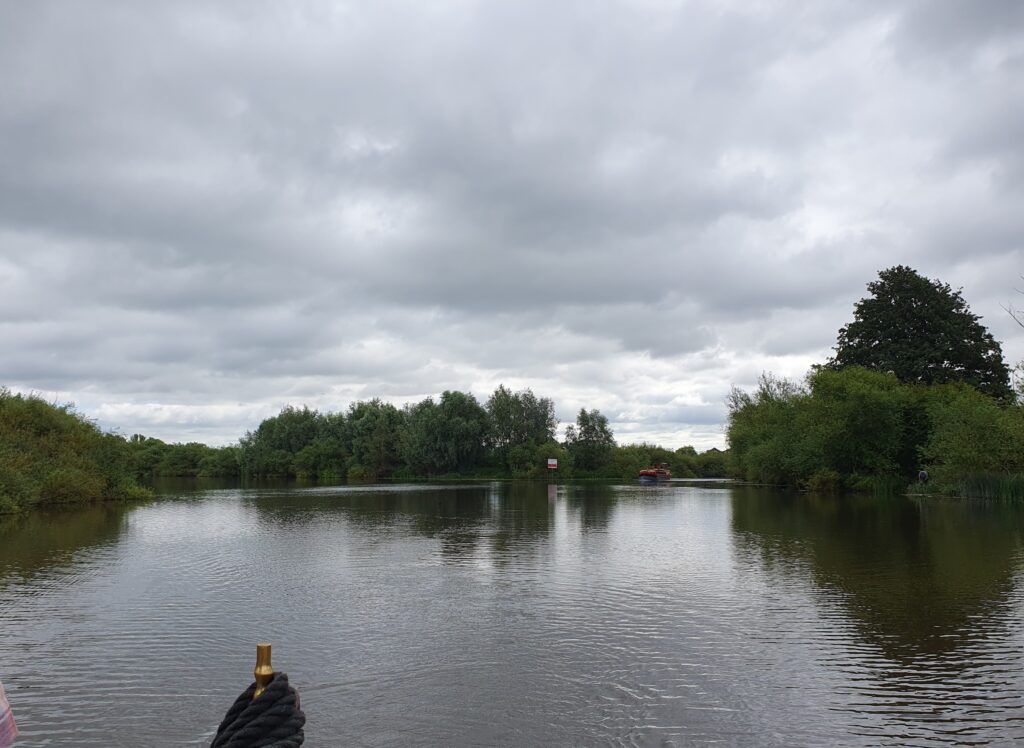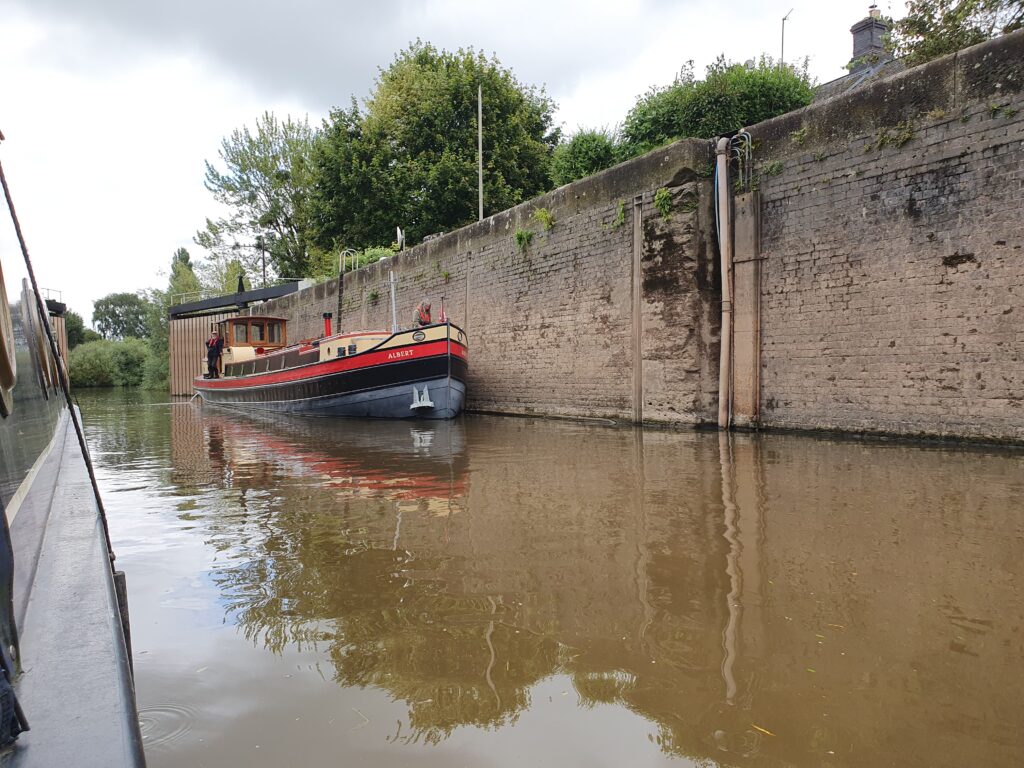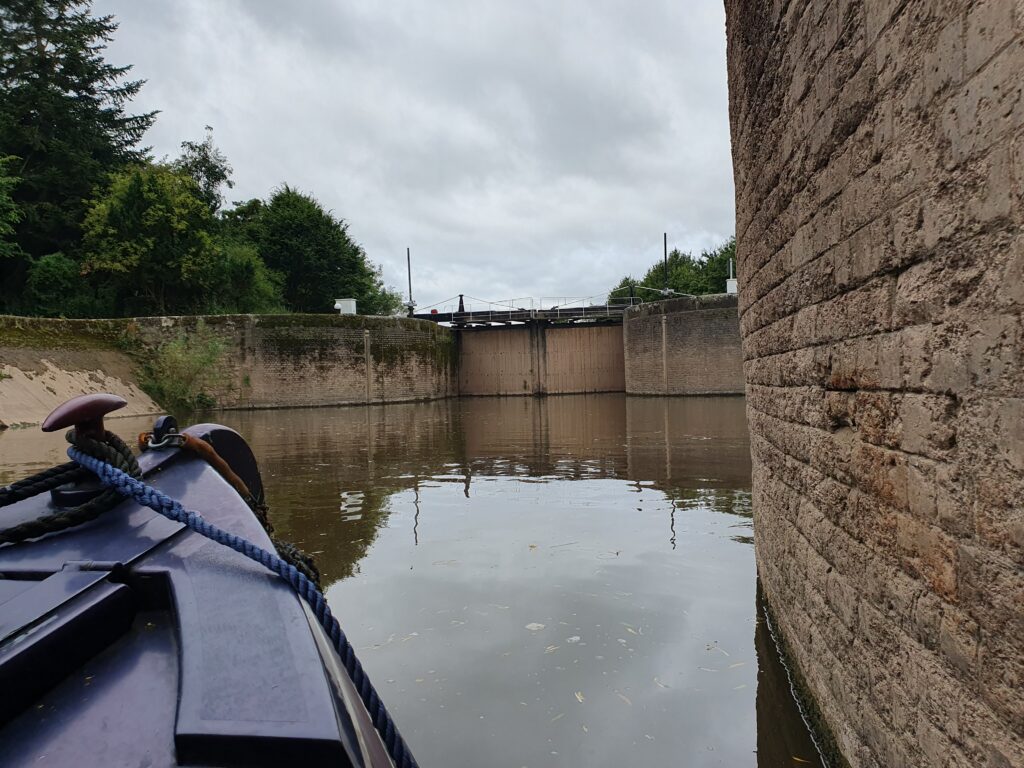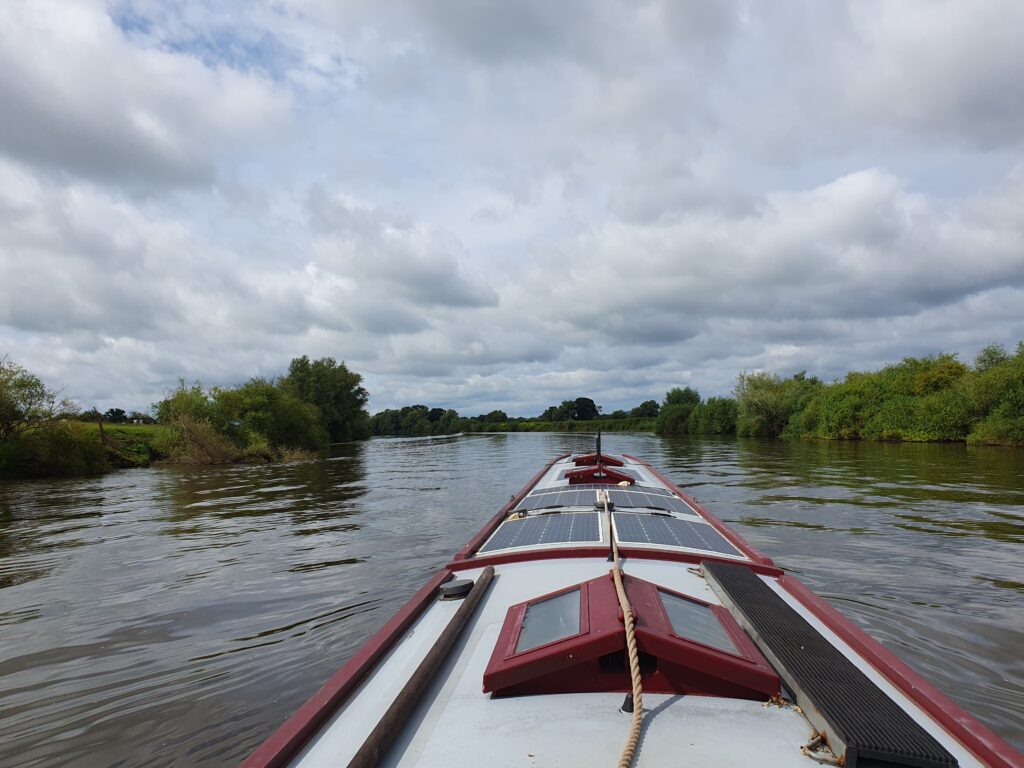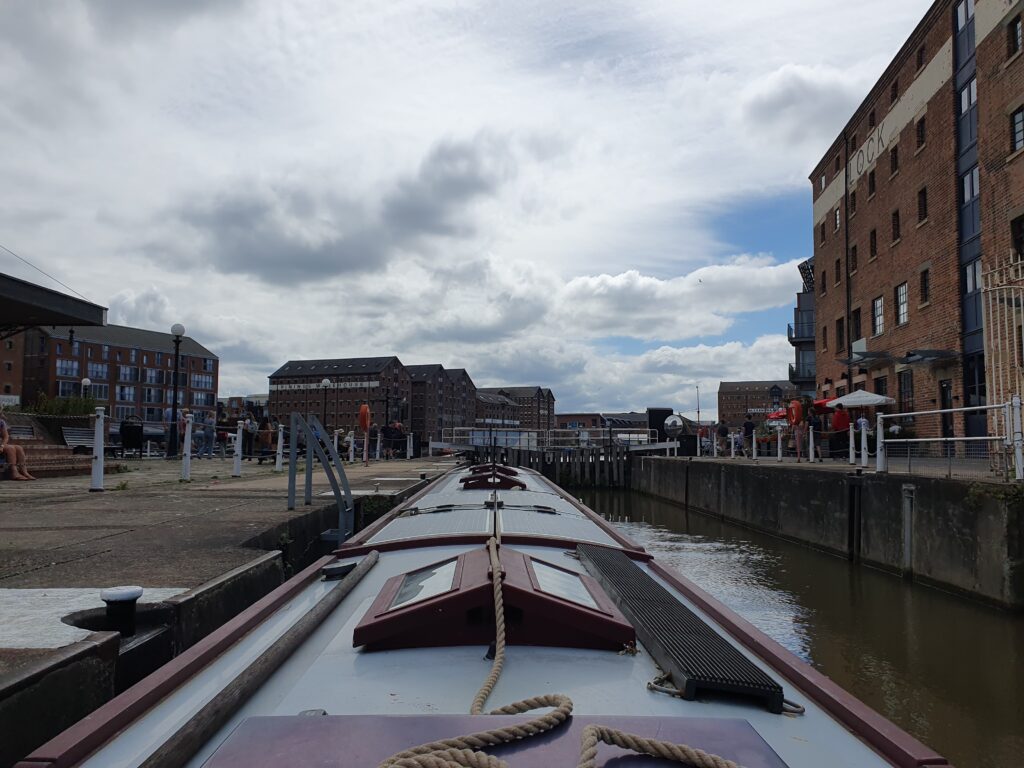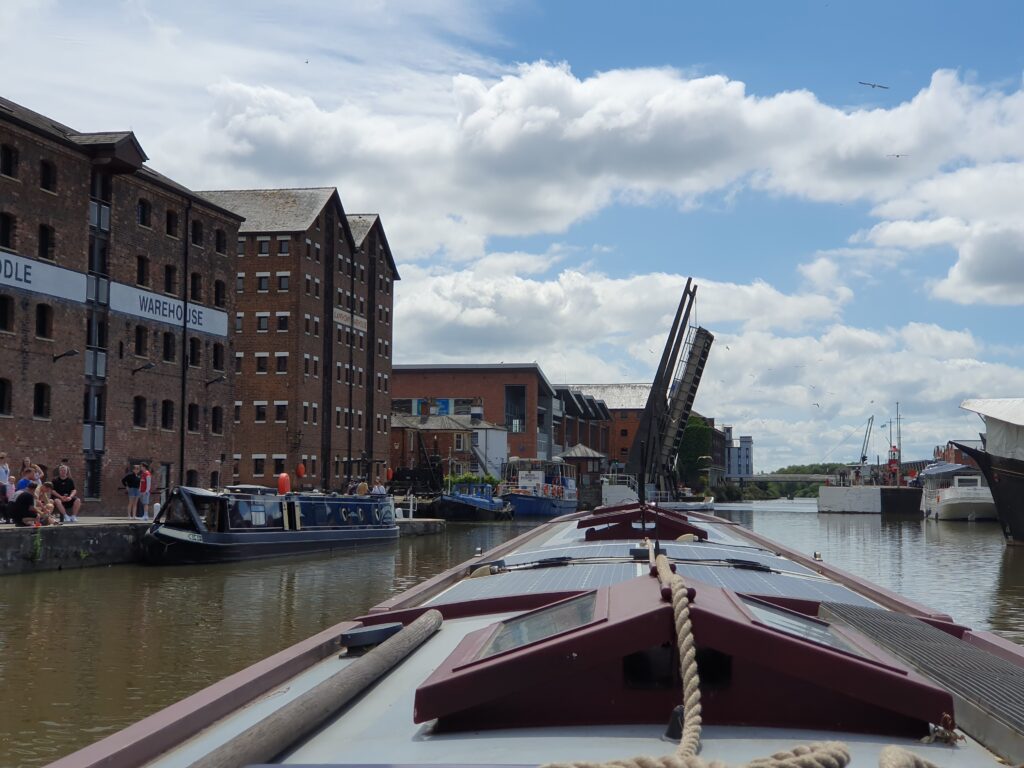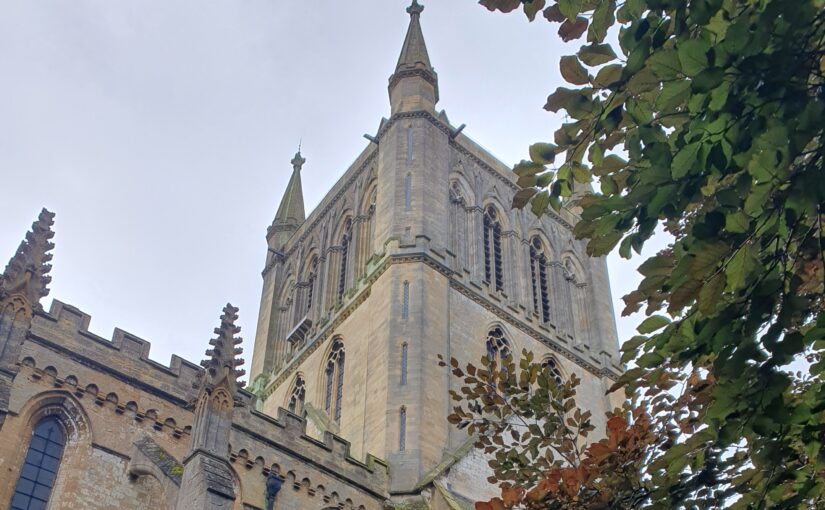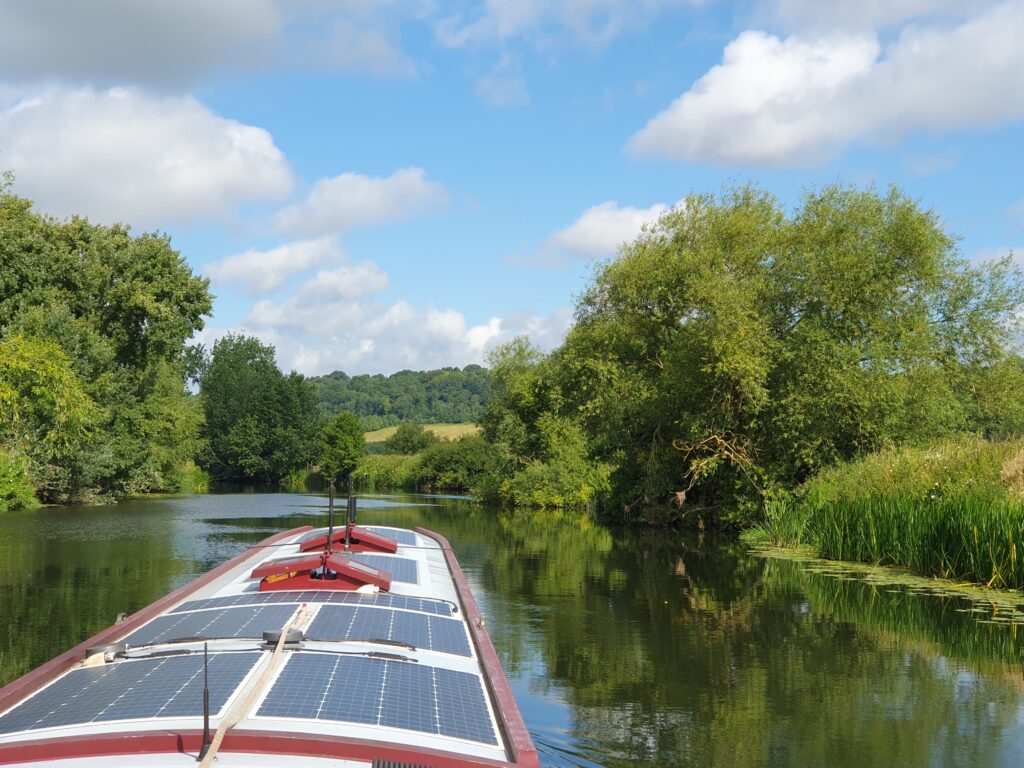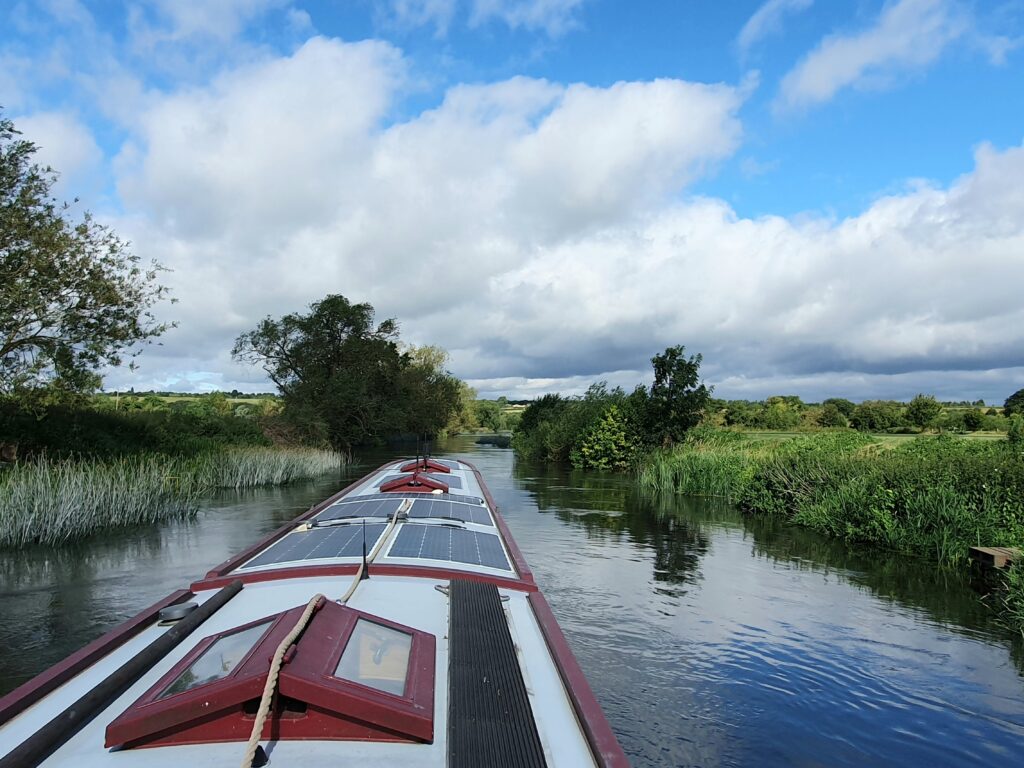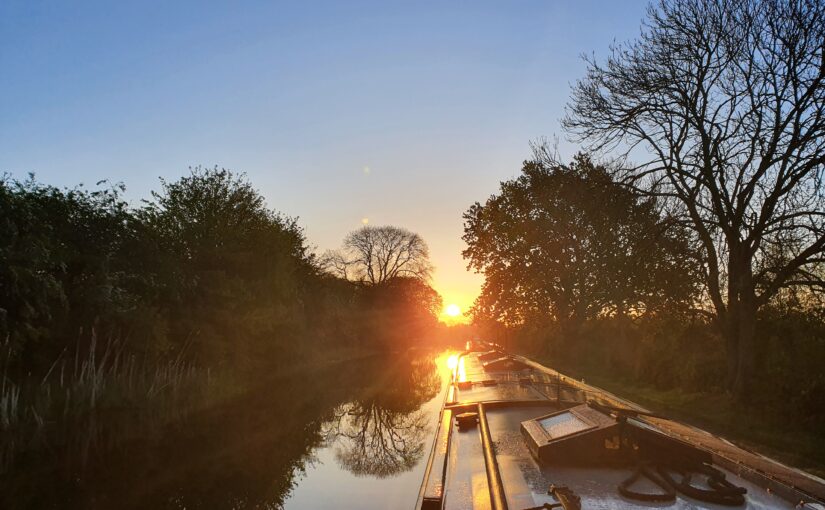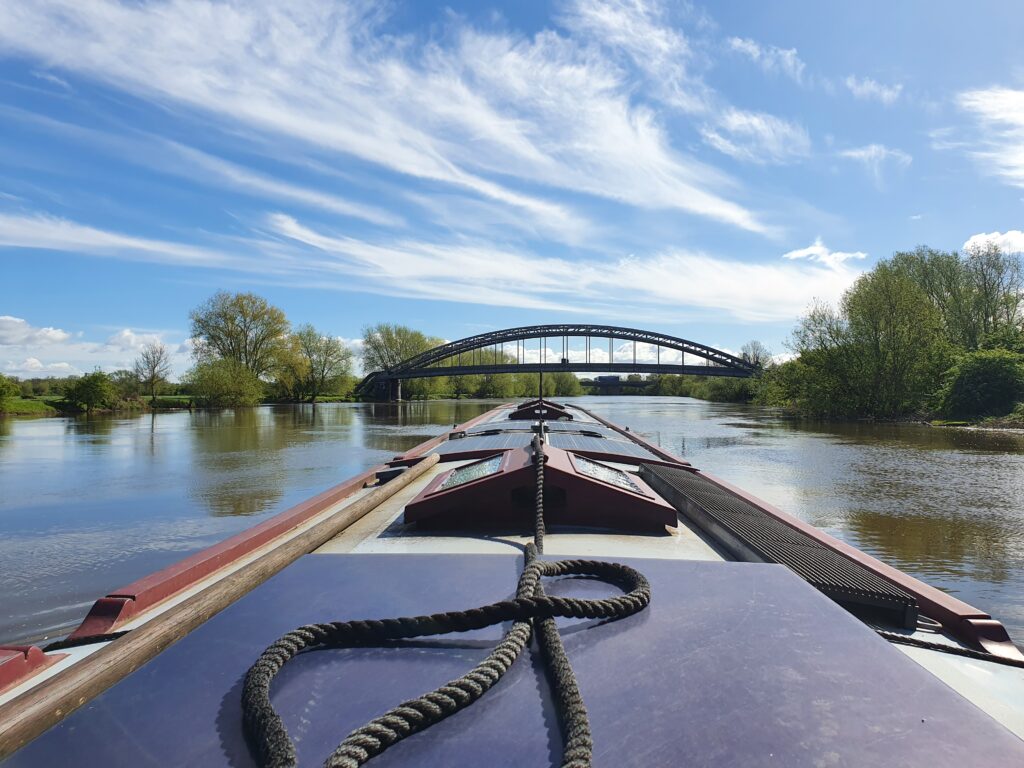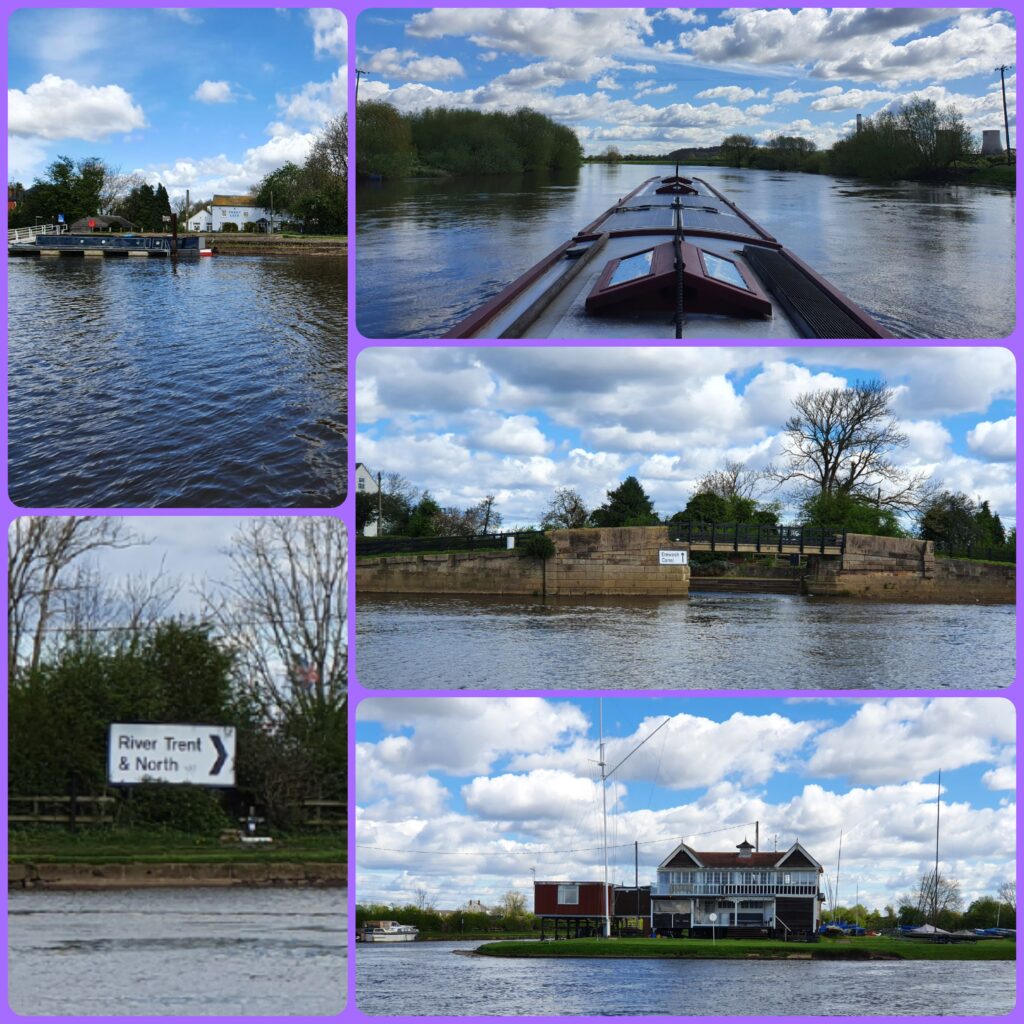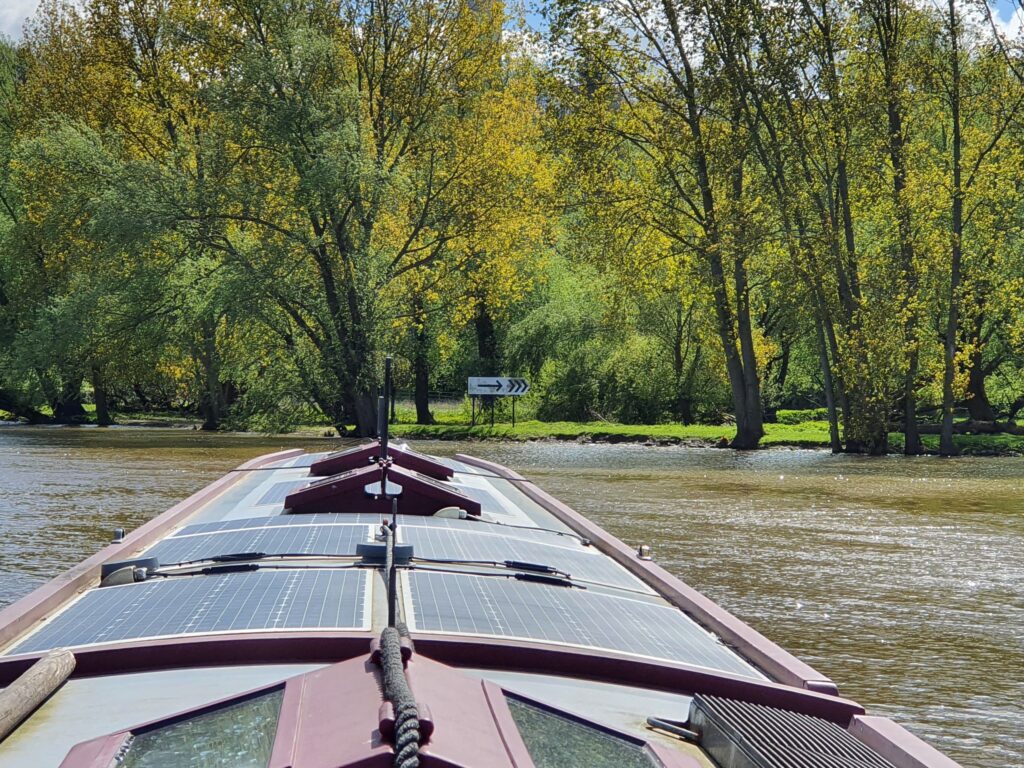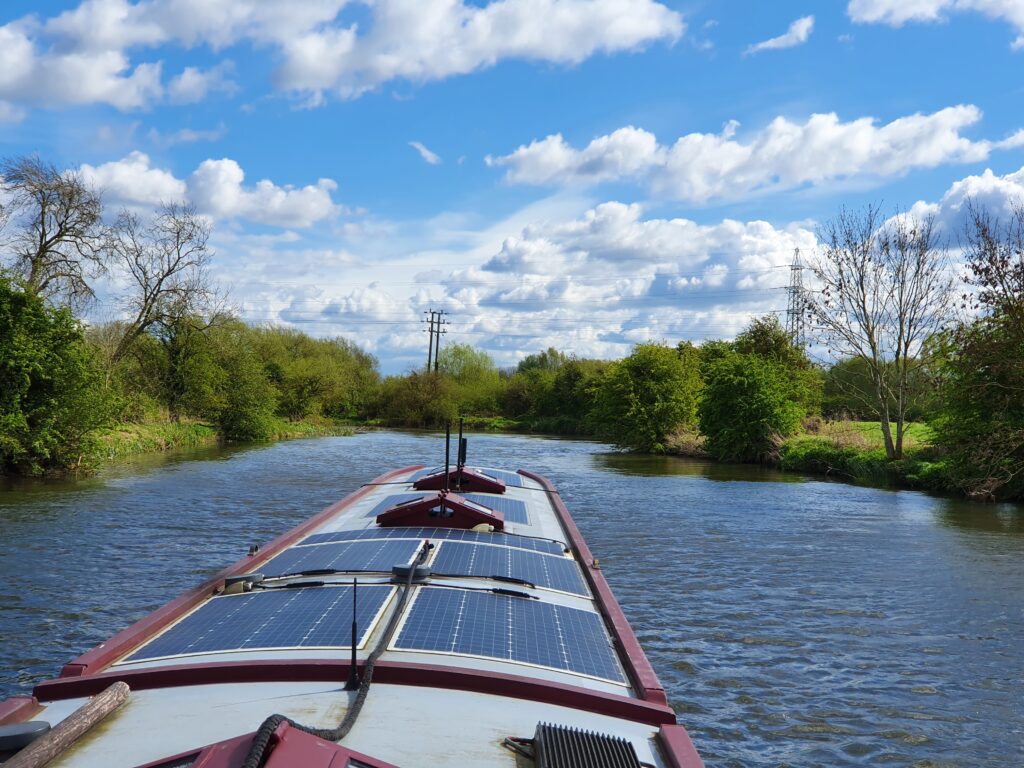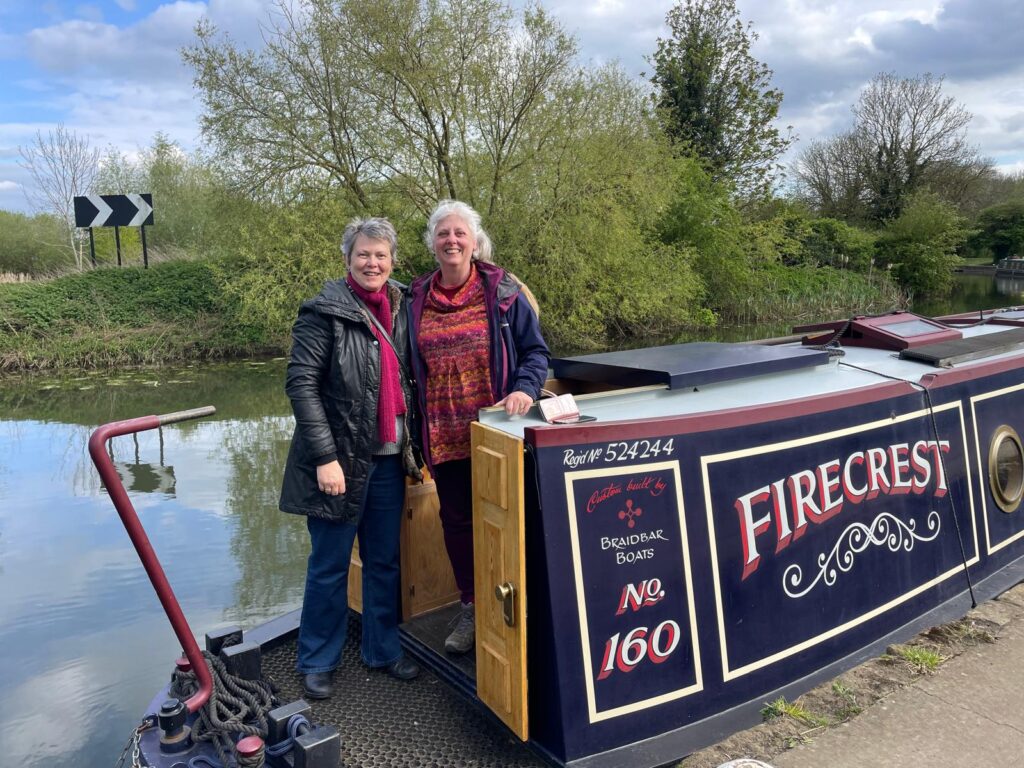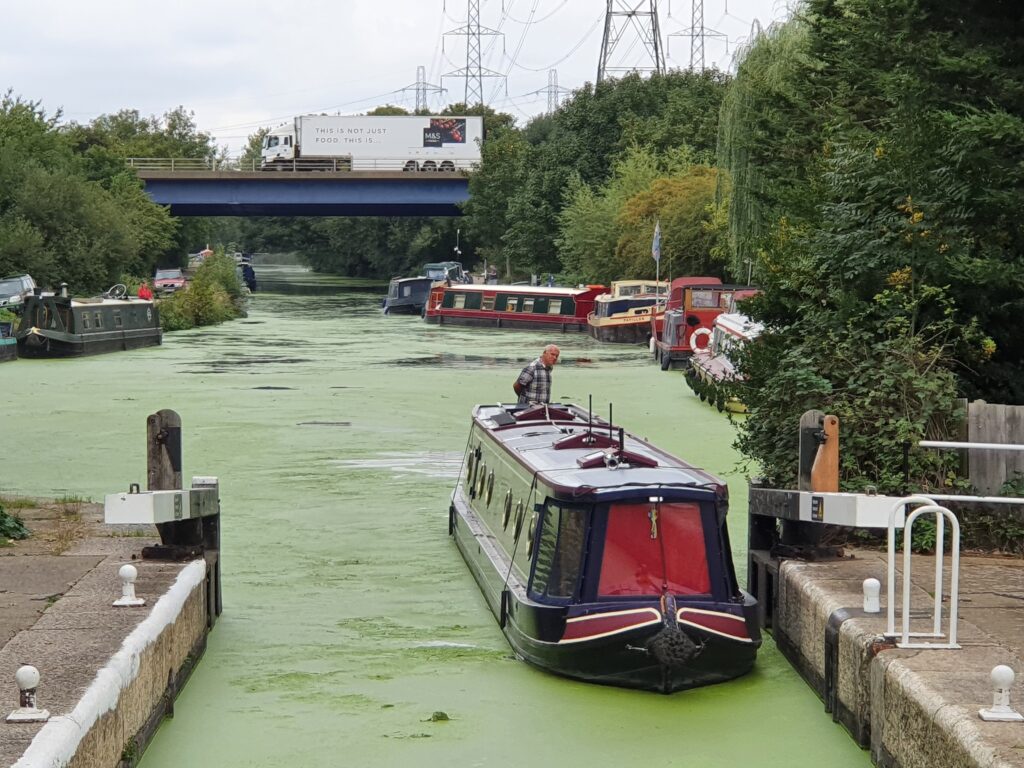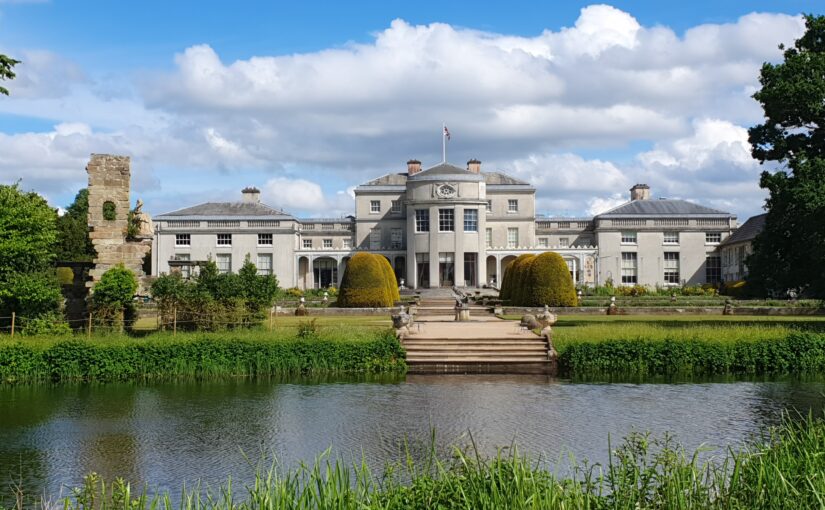
We woke to a perfect cruising day. I was determined that as we passed Great Haywood Junction, where the the Staffordshire and Worcestershire canal meets the Trent and Mersey Canal, we would moor up so I could visit Shugborough Hall.
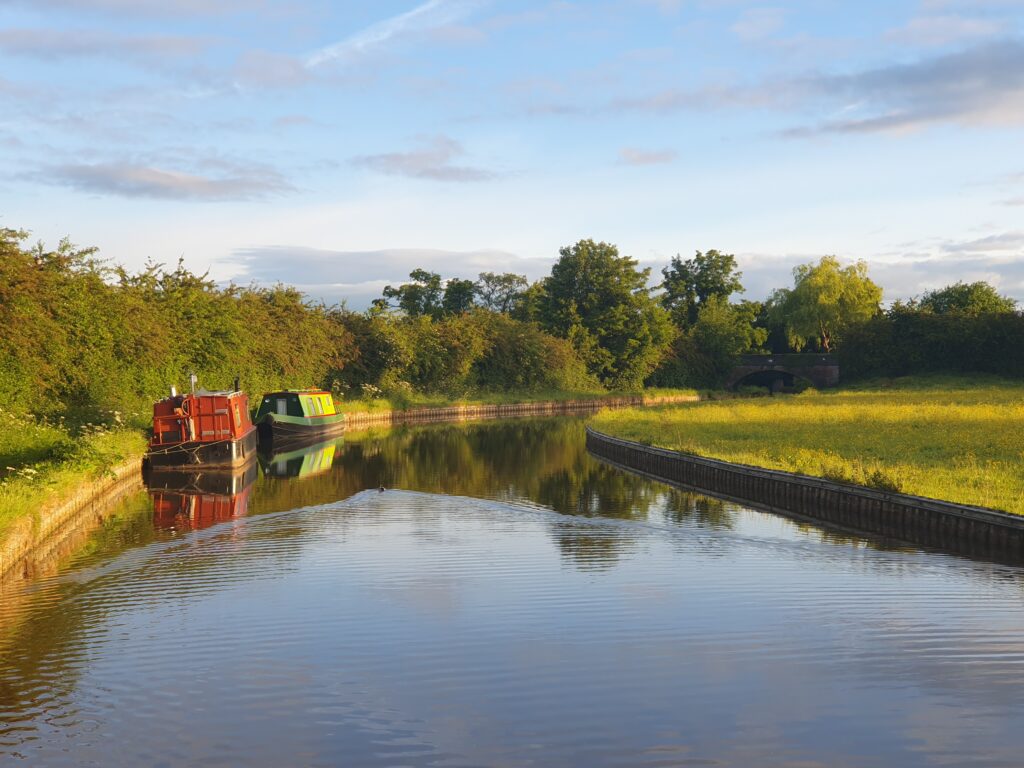
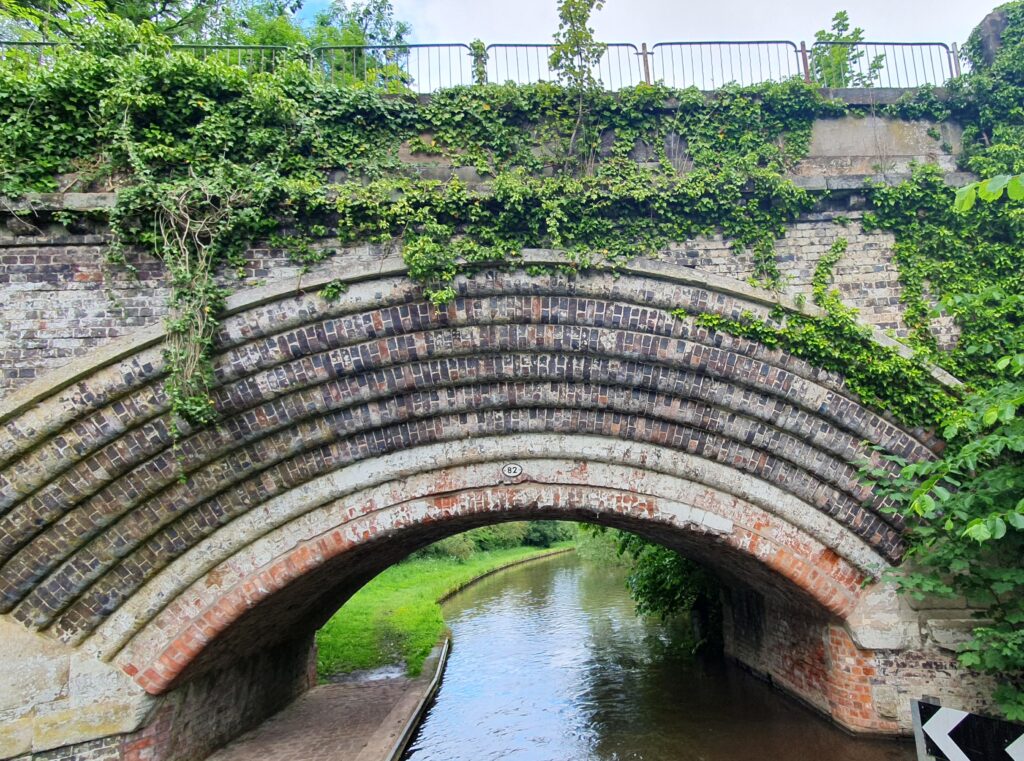
6 or so miles travelling south, under one of my favourite bridges, Salt Bridge, (named as it leads to the village of Salt- where you’ve guessed it, they mined Salt).
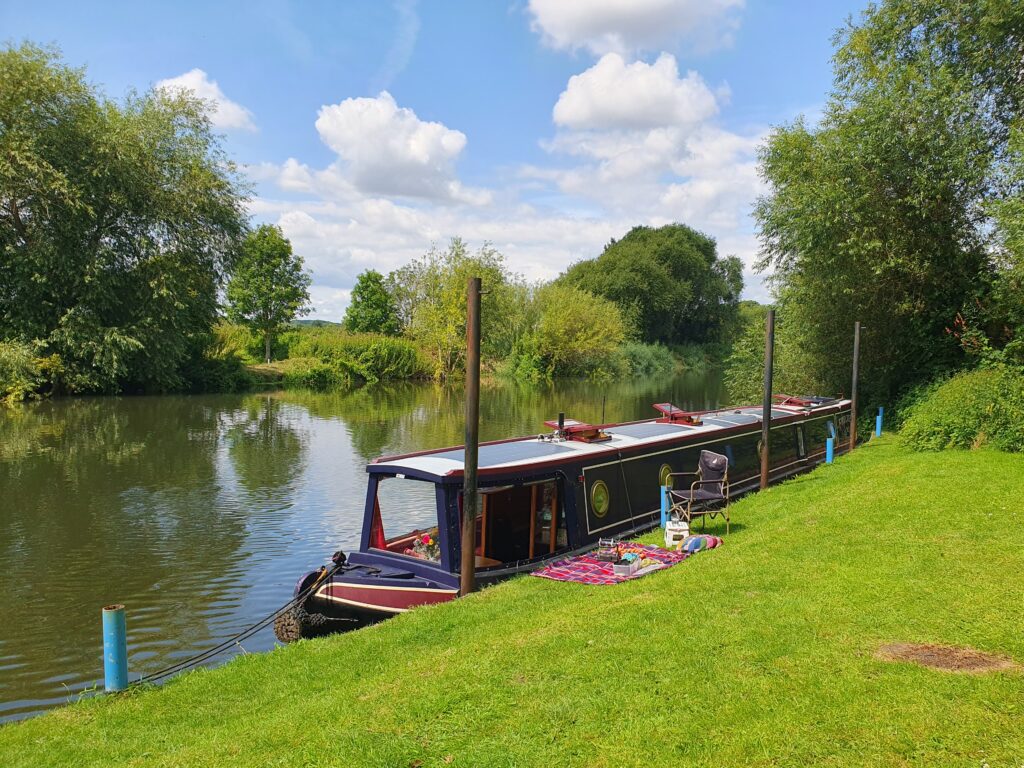
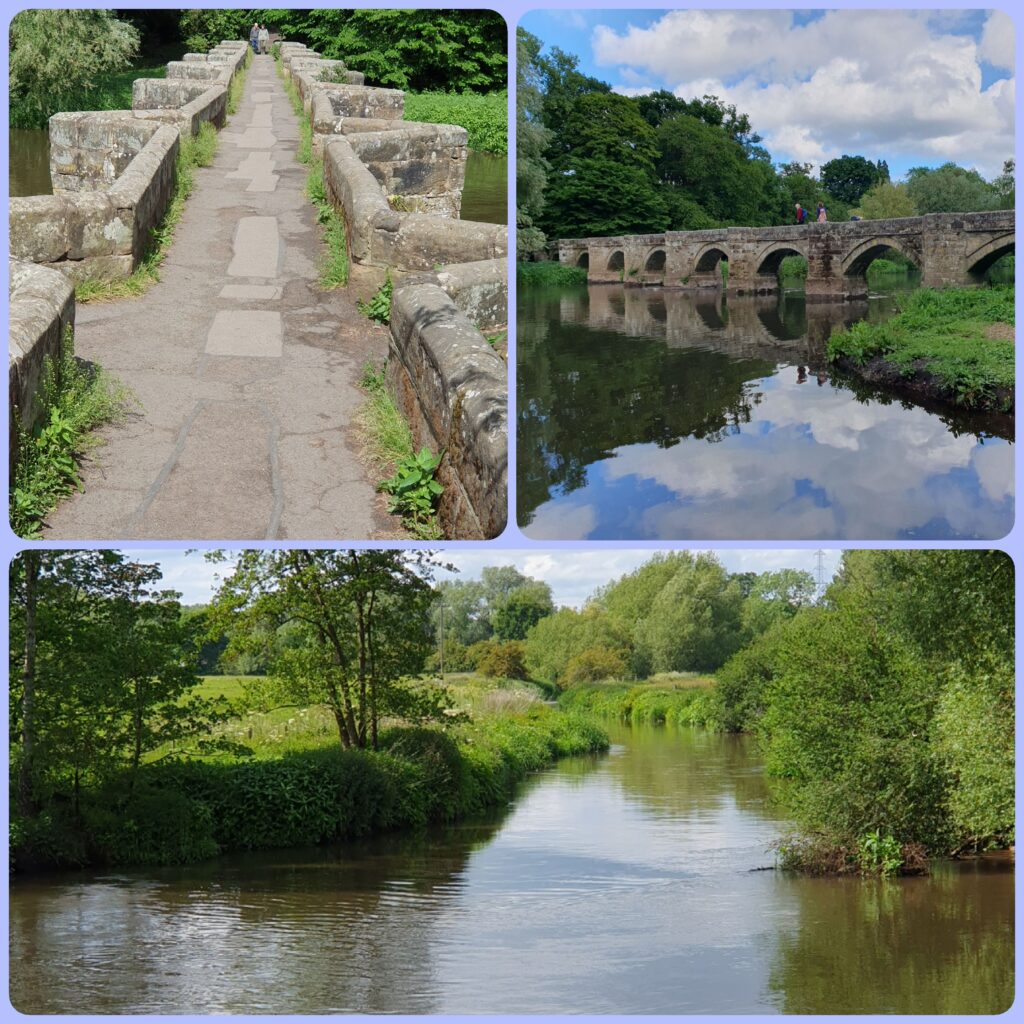
The junction was busy as always, but we managed to get one of the last spaces on the 2 day mooring. Eric had some work to do, so I left him to it and went for a walk. The estate is reached by crossing over the 16th century packhorse bridge, Essex Bridge. This where the Trent and the Sow meet and the Trent becomes the major river. This is another of my favourite bridges, although only 14 of the original 40 arches remain.
Although the estate is a National Trust property, the grounds are open to the public to enjoy, with monuments and follies hidden amongst huge trees.
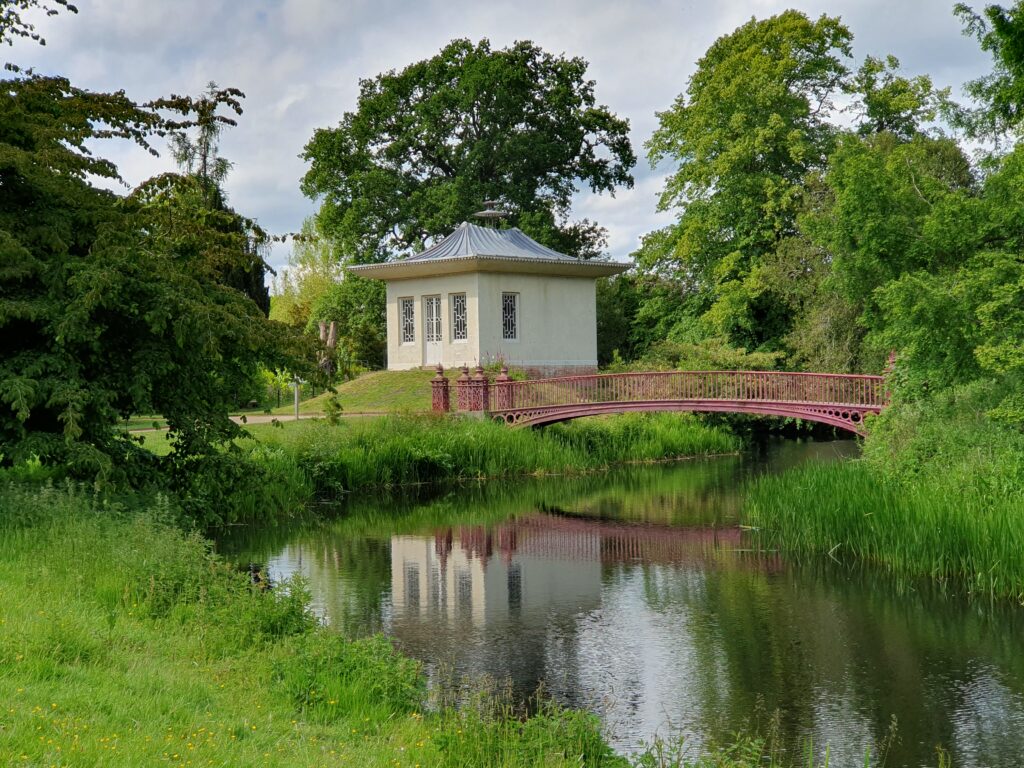
The Chinese house and bridge over the River Sow
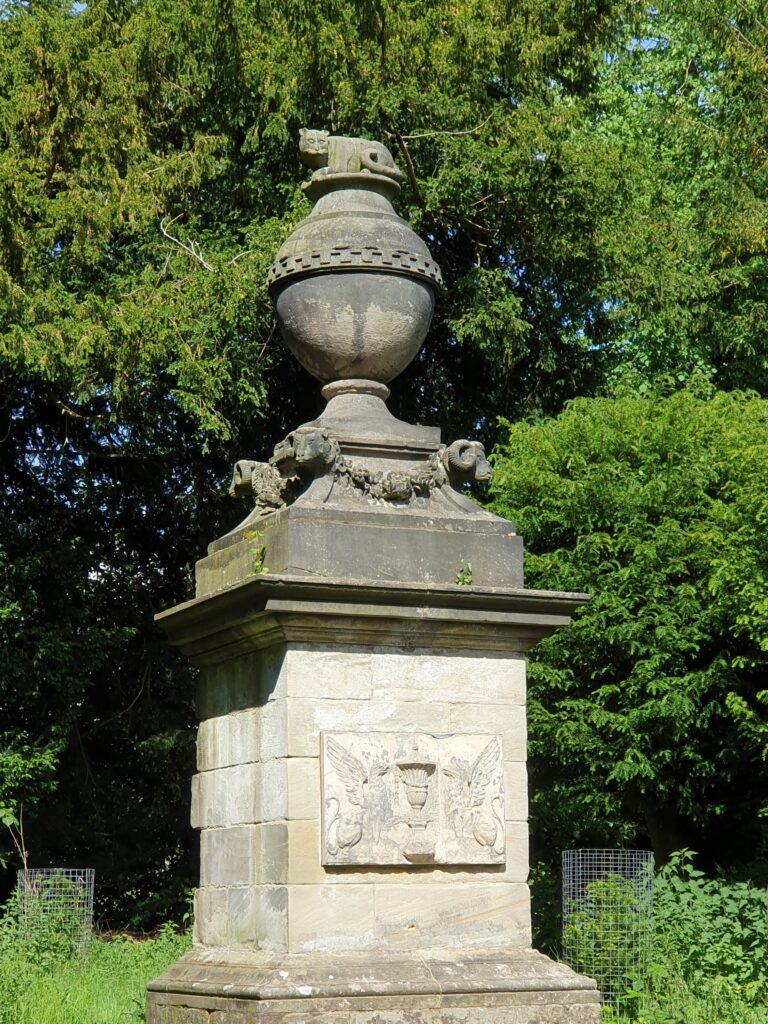
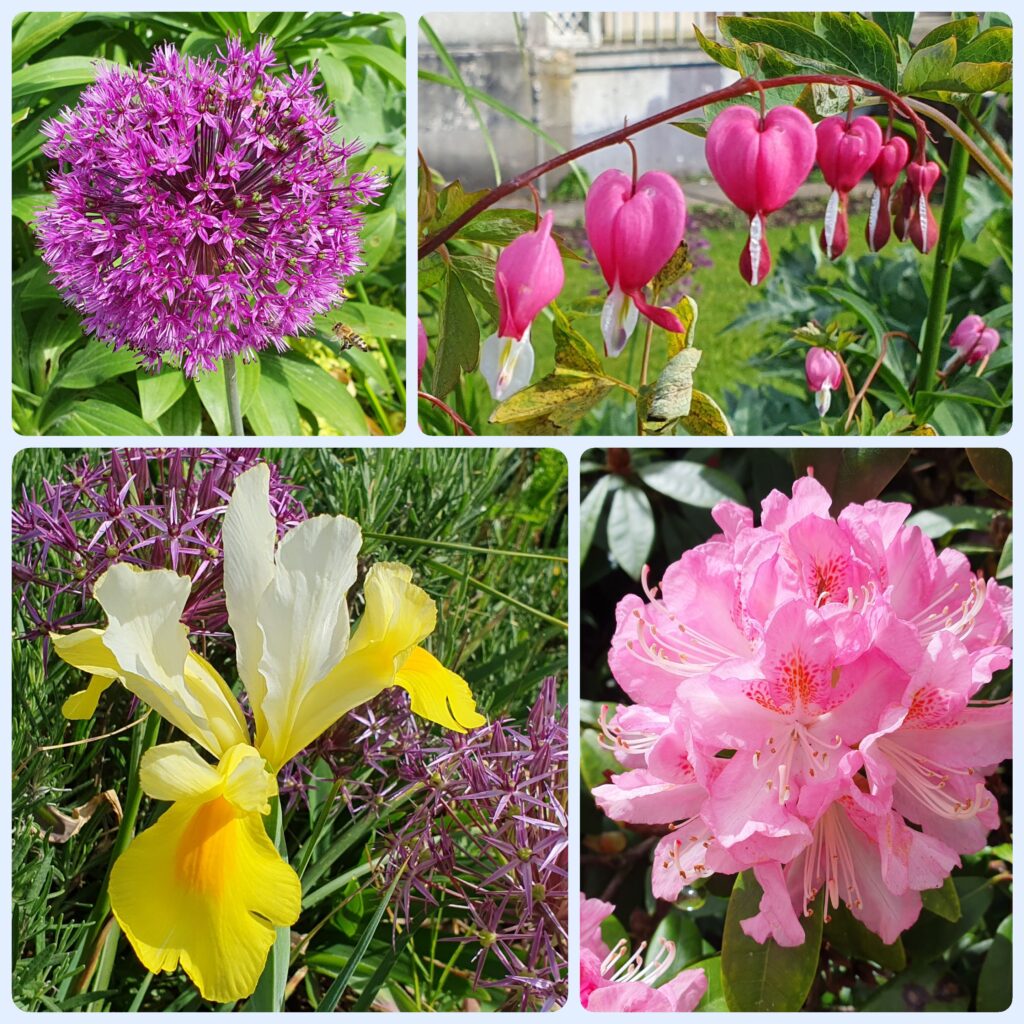
The cat monument celebrating Lord Anson’s Persian cat and his flock of Corsican goats built in 1750. And of course some beautiful flowers in the garden
The next day Eric and I set off to explore the house
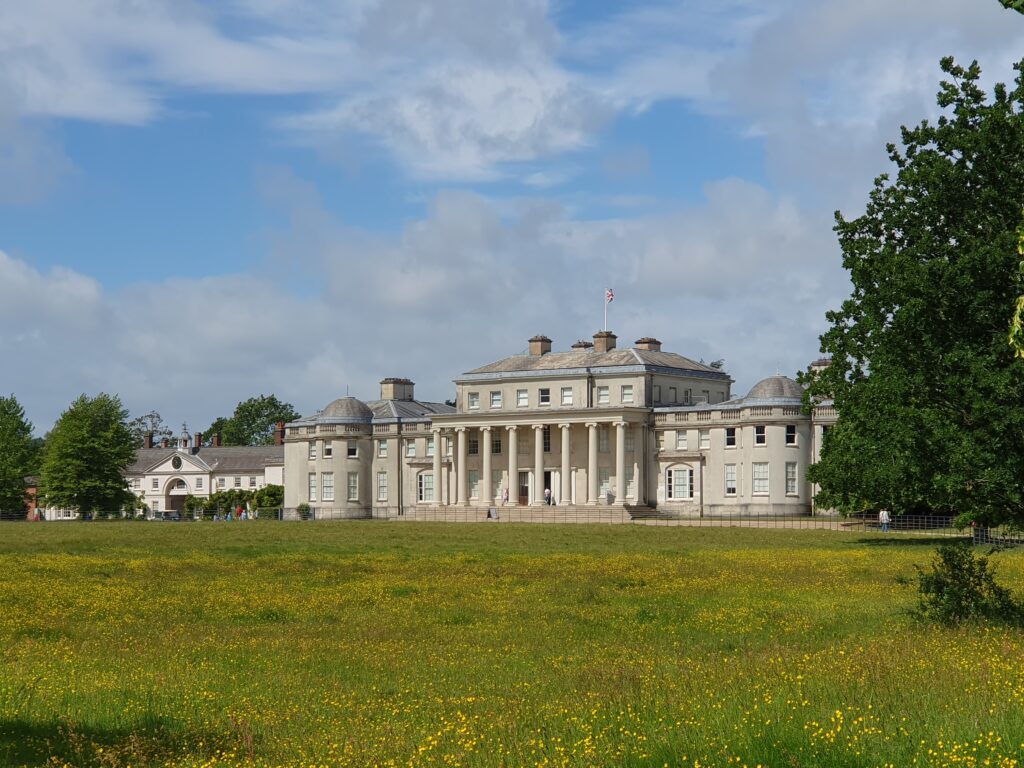
The estate lands were owned by the Bishops of Lichfield until Henry VIII threw a spanner in the works, and seized their assets. In the 1600’s the Anson family bought the estate, knocked down the manor house and built themselves a stately home. The rest they say is history
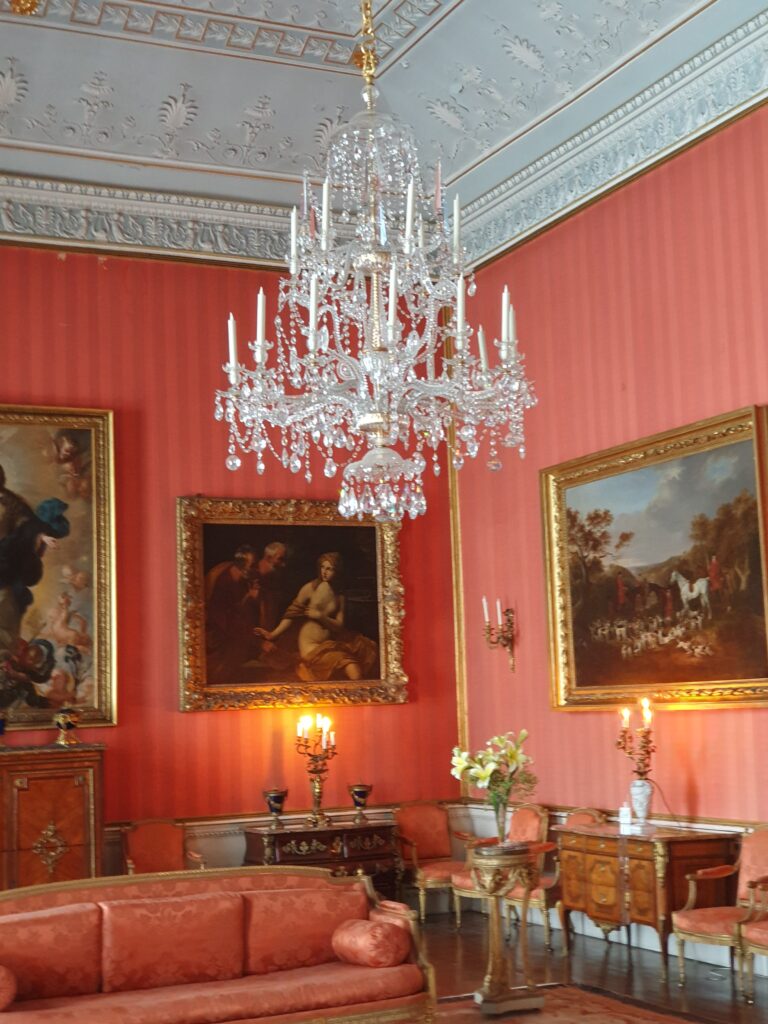
Over the years, wealth was amassed through commerce and marriage, the house was extended. They travelled extensively
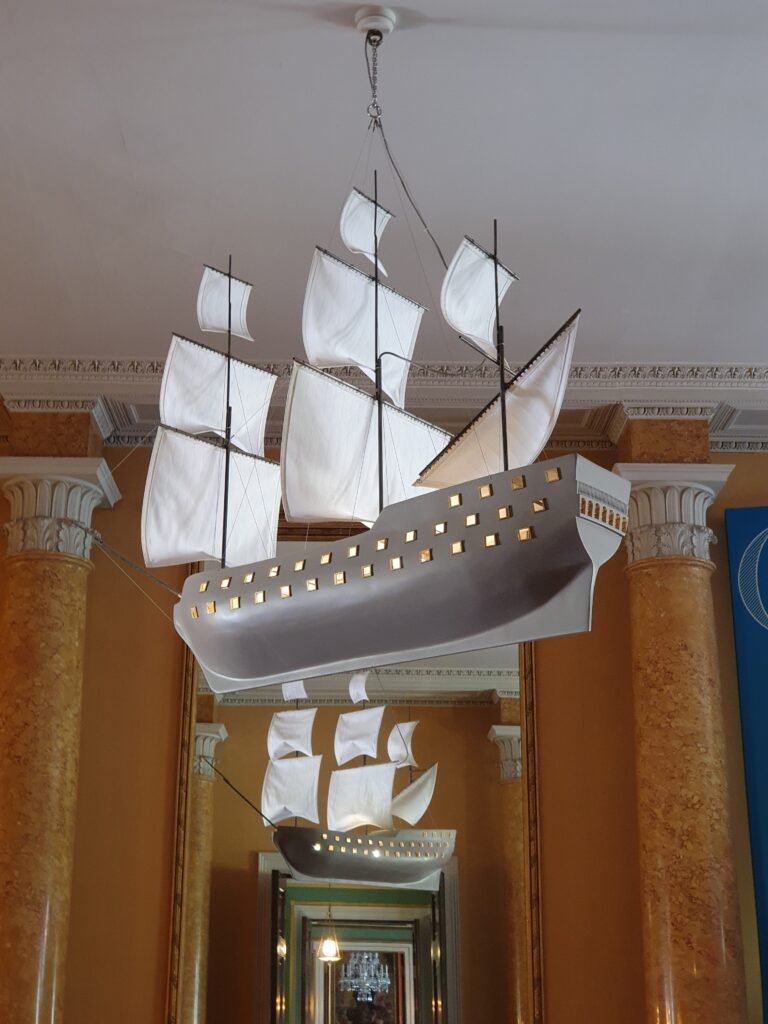
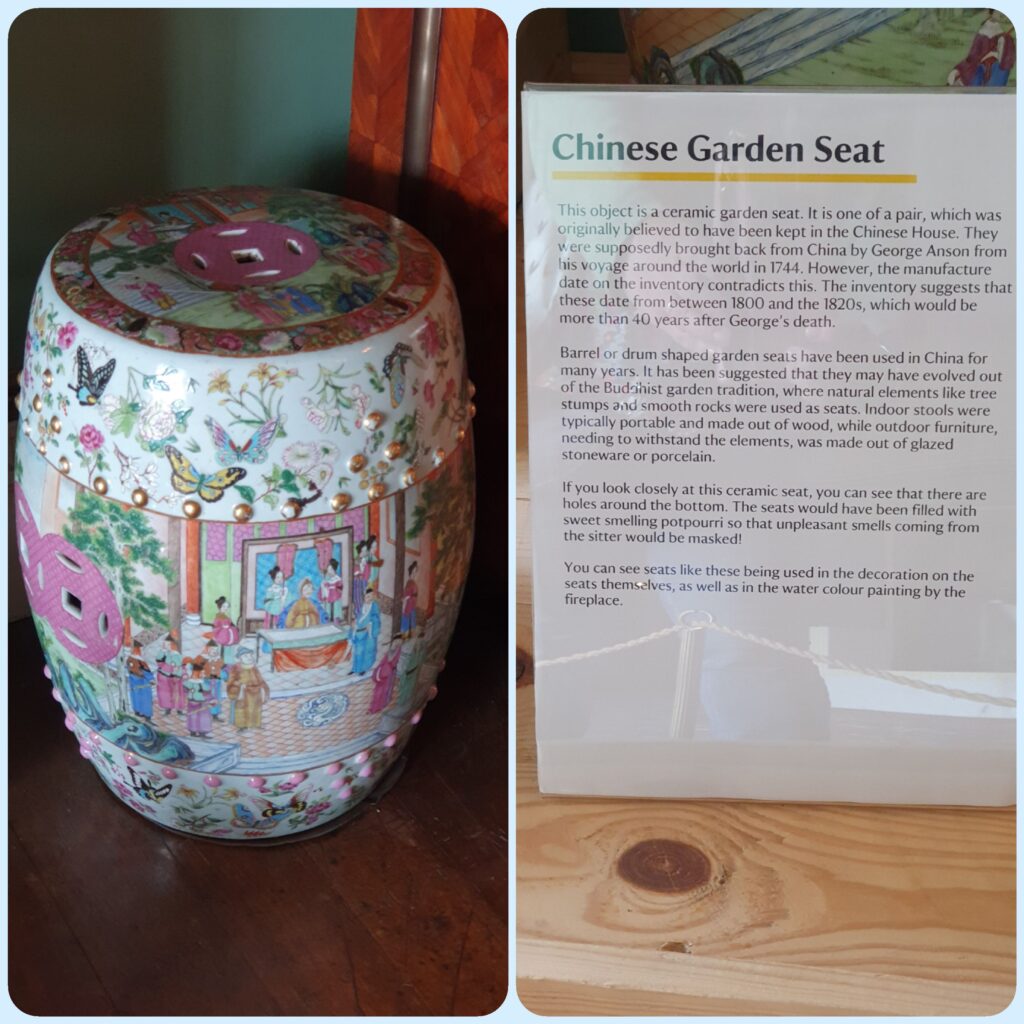
And many “treasures” and design styles were brought back to the house. We particularly liked this one, a Chinese garden seat, which was was filled with potpourri to help disguise odours emitting from the sitter. Personally we thought it was a forerunner to a USB charger socket
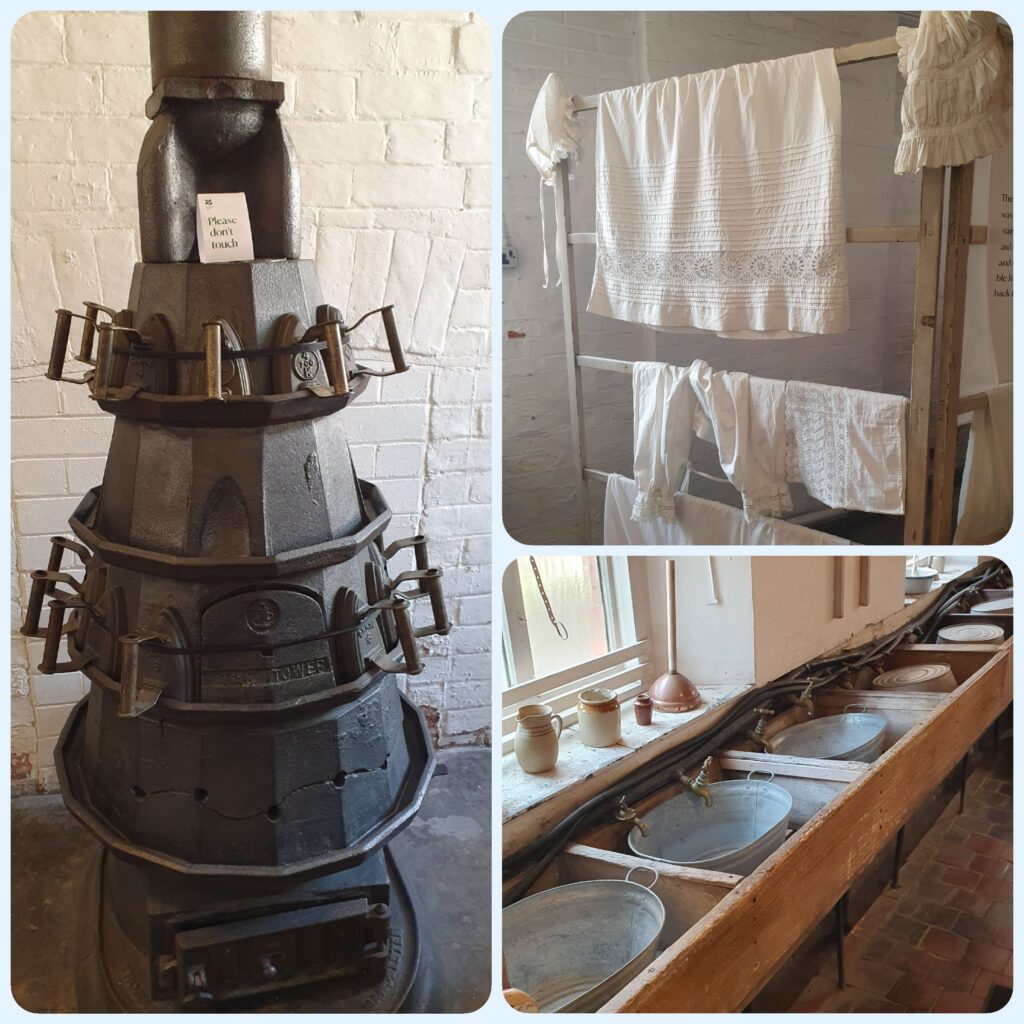
Battles were fort and won on behalf of the crown, and titles were awarded. The most prestigious was in 1831 when the family were given a hereditary peerage, and Thomas Anson became the 1st Earl of Lichfield. However even members of the aristocracy still need to wash their smalls, or employ a small army to do it for them.
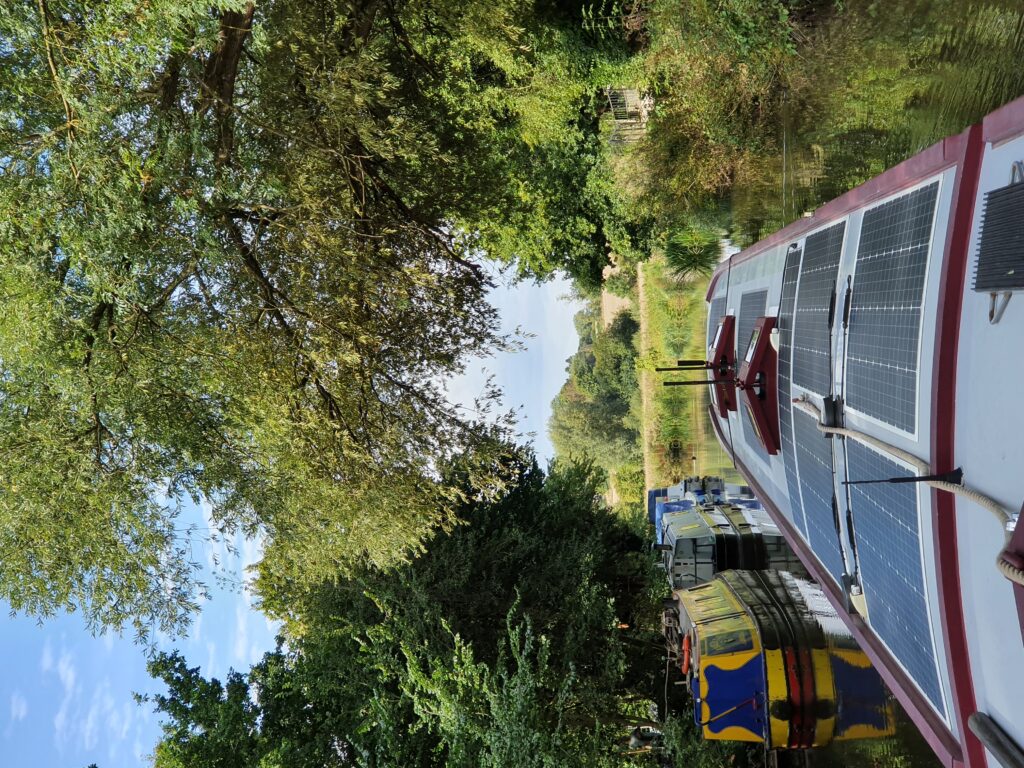
Shugborough Hall was given to the National Trust in 1960 in lieu of inheritance taxes, but the 5th Earl was granted an apartment to continue living in. He was the photographer Patrick Lichfield, and many of the items on display were photos he’d taken. This wing is now open to the public which was fascinating seeing it filled with familiar, albeit now retro, crockery and appliances-the sort of thing that savvy shoppers can pick up at car boot sales, and some of us are still using- like our trusty Kenwood Chef. We weren’t permitted to take our own photos in this wing. After so much grandeur and a picnic in the grounds, we were quite happy to return to our little narrowboat to enjoy some natural landscaping along our canal.