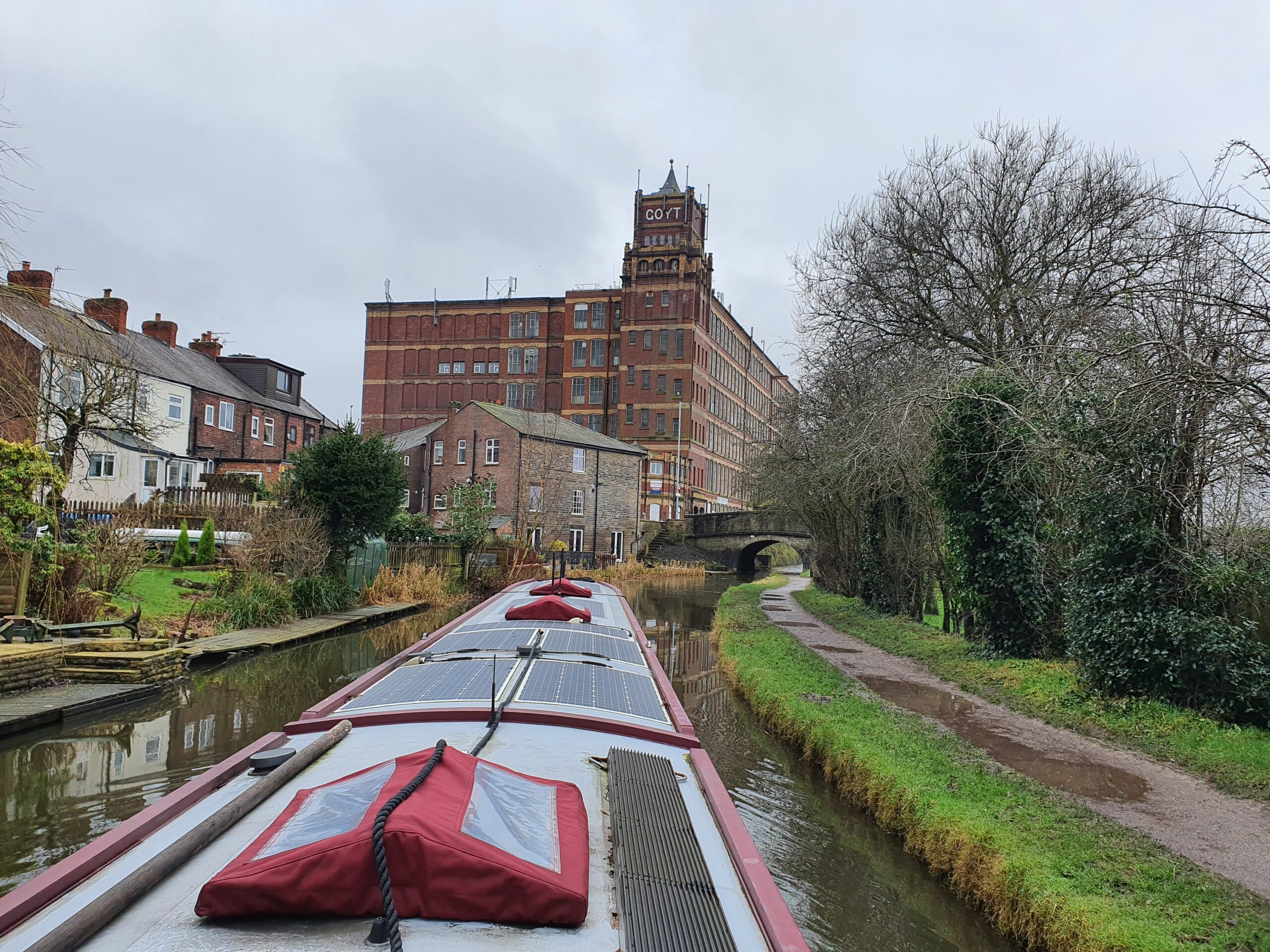
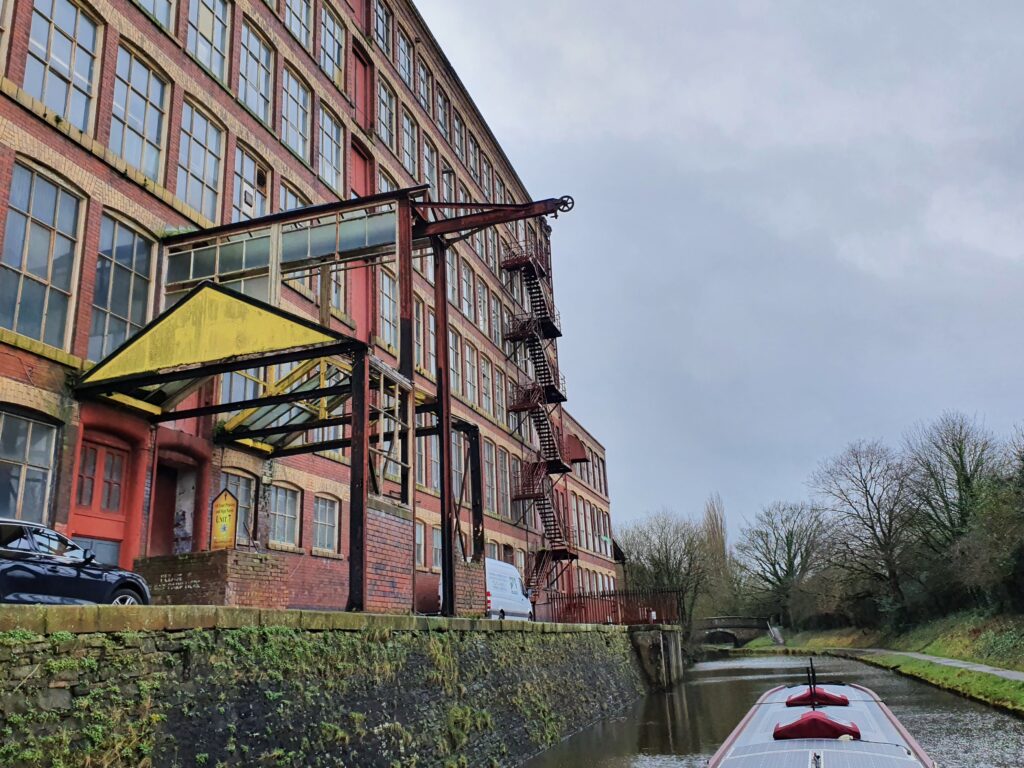
Even though we are now heading south at a vast rate of knots, okay roughly 2 miles an hour, we still look up at the Mills with a sense of wonder. Goyt Mill in Hawk Green, Marple is the youngest of the three that stand out for me. Built originally in 1905 by the Goyt Spinning company to produce cotton fabric was a major source of employment in Marple until 1960. Nowadays it predominantly houses antique warehouses, fun to wander around reminiscing about all the junk you threw away when clearing great aunt maud’s house. There is a fascinating memoire in the Marple website worth browsing if you scroll down.
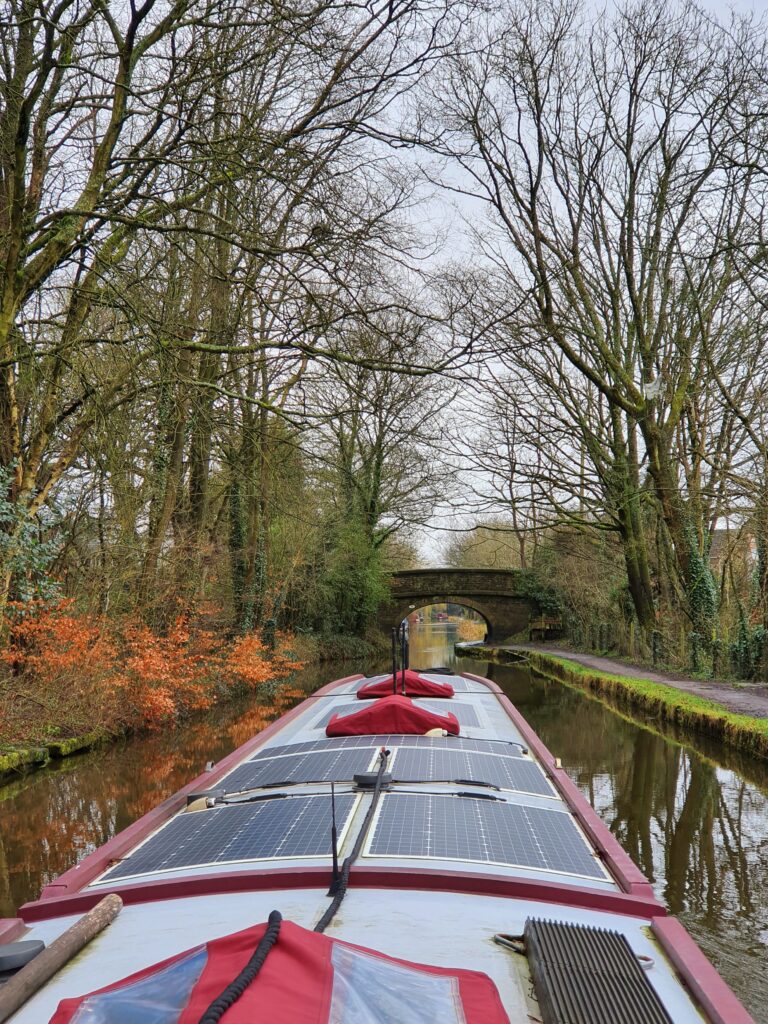
Once through Marple we were back to enjoying some rural tranquility
Before stopping for fuel at Baileys
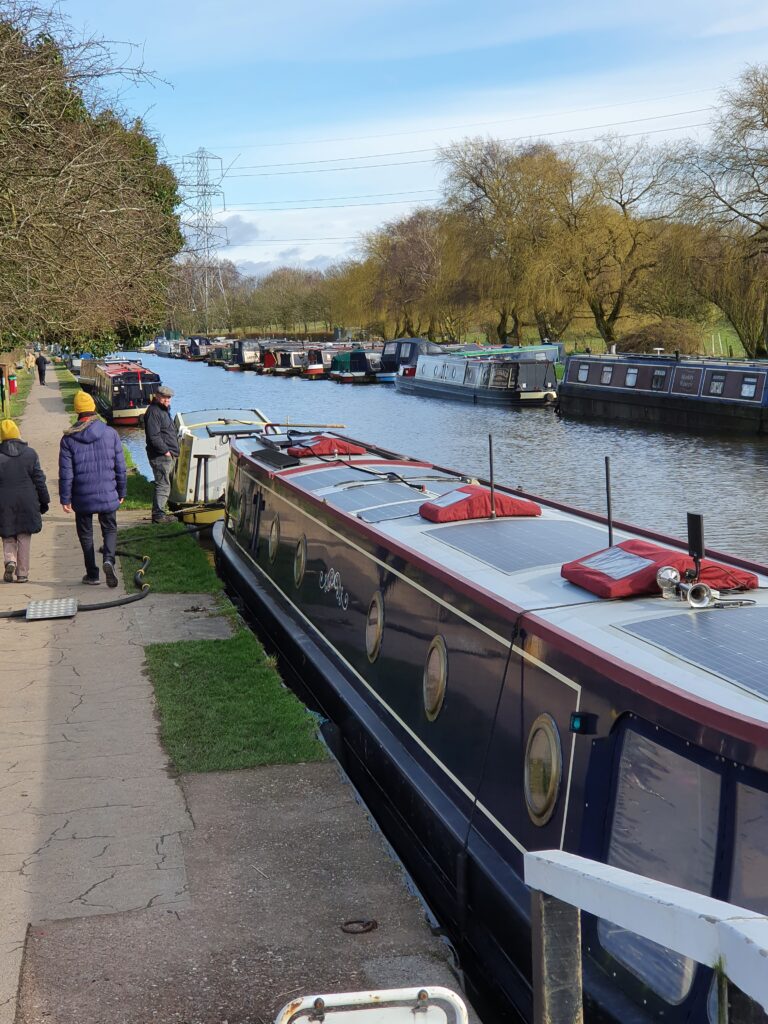
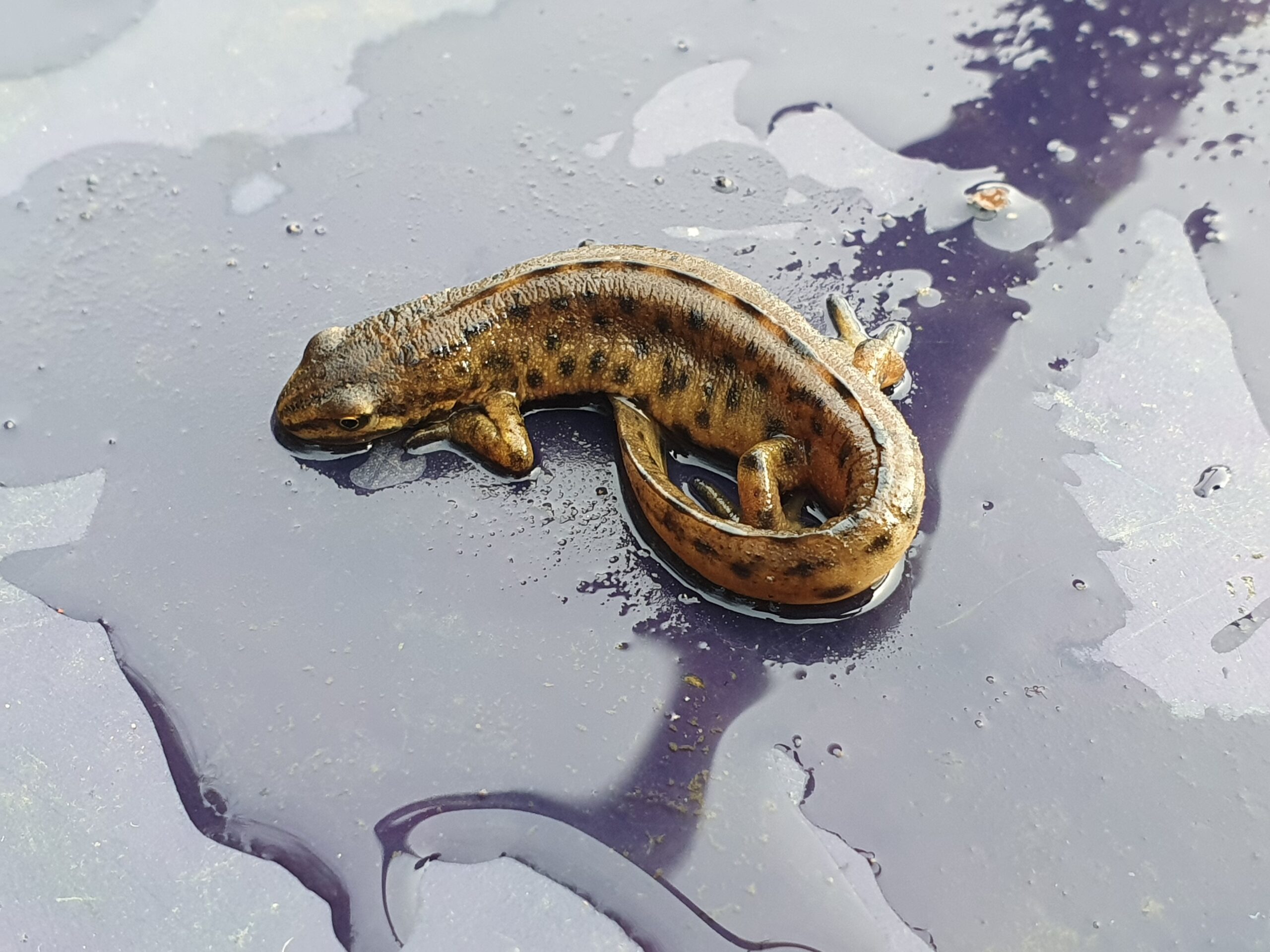
Where we picked up a hitchhiker again, -remember the cat that came to say hello last month, we also popped in to say hello to James and Donna and the team at Braidbar.
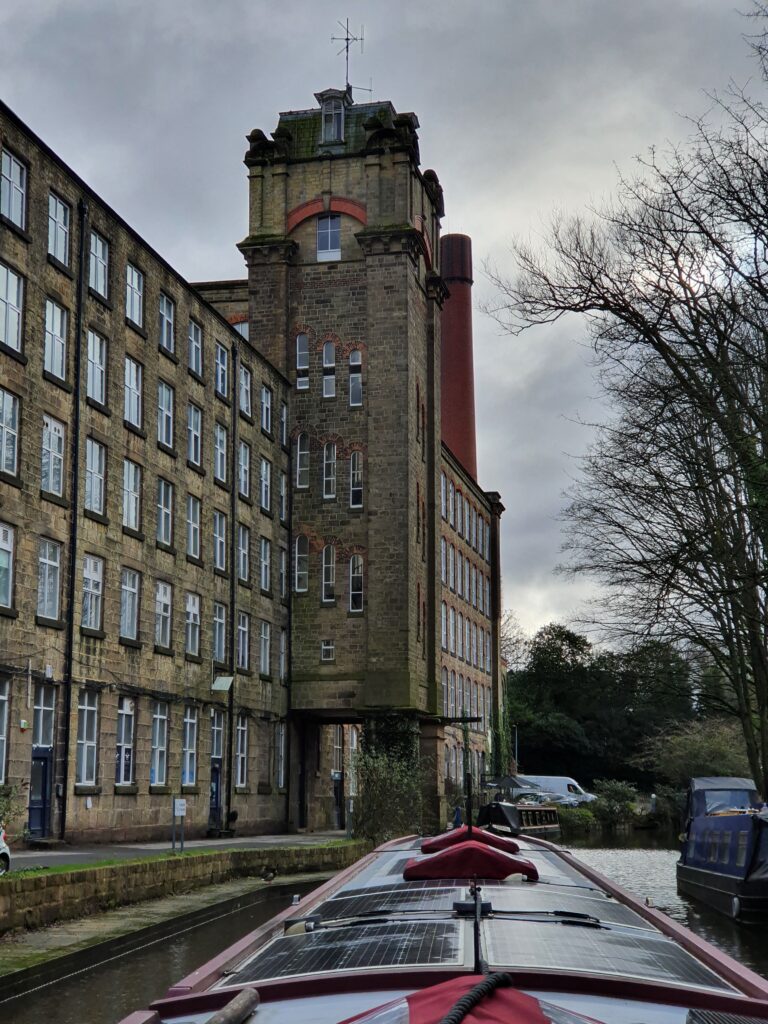
Then on to the oldest surviving Mill on this route at Bollington,
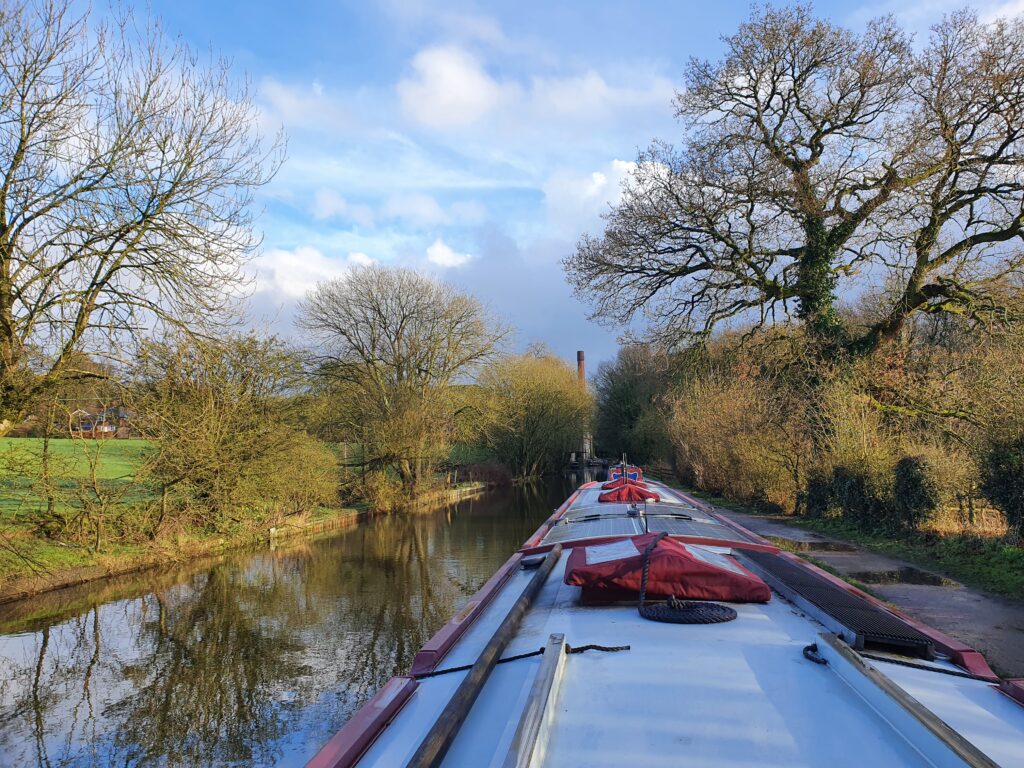
Clarence Mill was built in 1834 and specialised in spinning sea island cotton, which, for those unfamiliar with the intricacies of cotton, is an extremely fine long stapled cotton variety used for making lace and muslin. It is infact supposed to be the rarest form of cotton and can make a luxurious (expensive) silk like fabric.
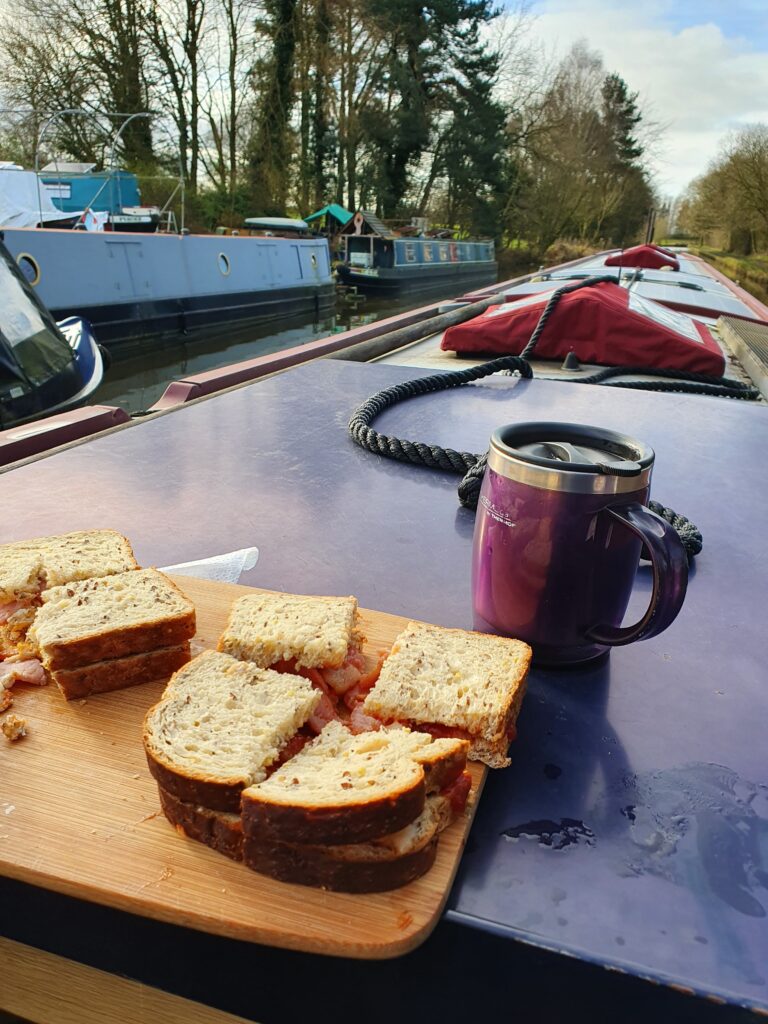
I missed the photo of the next Mill on our route south, the Adelphi Mill on the southern side of Bollington because I was in the galley cooking bacon butties. Aldelphi Mill began spinning cotton, it progressed to throwing silk, and finally spun man made fibres for Courtaulds until 1970s. Nowadays it houses offices for the nearby pharmaceutical company, Astrazennica
Which leads us nicely onto my third Mill, the Hovis Mill in Macclesfield itself.
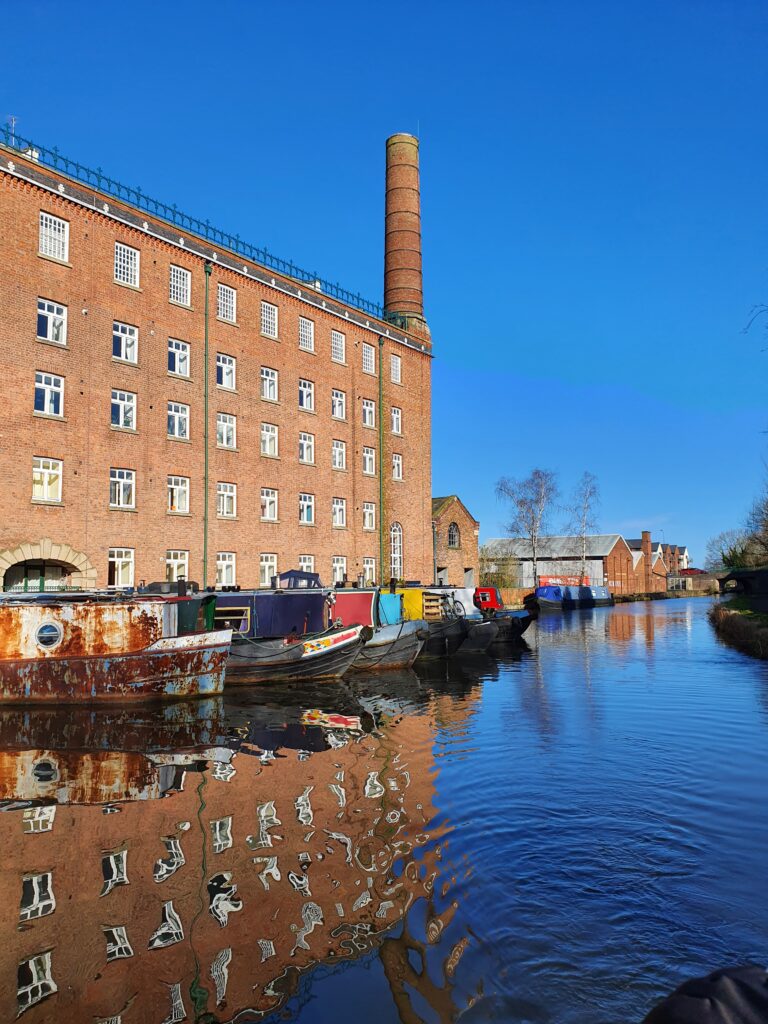
This is where grain was ground to make flour. The technique used produced a distinctive flavour and any baker using this flour is able to call the bread a Hovis loaf. Milling only took place here from 1898 to 1904 because demand grew and the company moved to bigger premises at Trafford Park, Manchester. They did however keep the building. It was renamed the Publicity Works, where they made the paper wrappers to wrap the bread in. Nowadays it’s a rather nice place to live. One interesting feature is the iron ballustrade along the eaves that survived being removed and smelted down during the second world war efforts. I don’t think I’d have liked climbing up there to remove it.
There were of course other mills, and industries along the canal and rivers that dominate this area, Macclesfield was known particularly for silk production, Bollington had a thriving hand made button industry, there was coal mining and sheep farming, to name but a few which helped make it a prosperous place to live.
The Macclesfield canal society website if you want something to talk about.