From Stoke to Stone

From Stoke to Stone

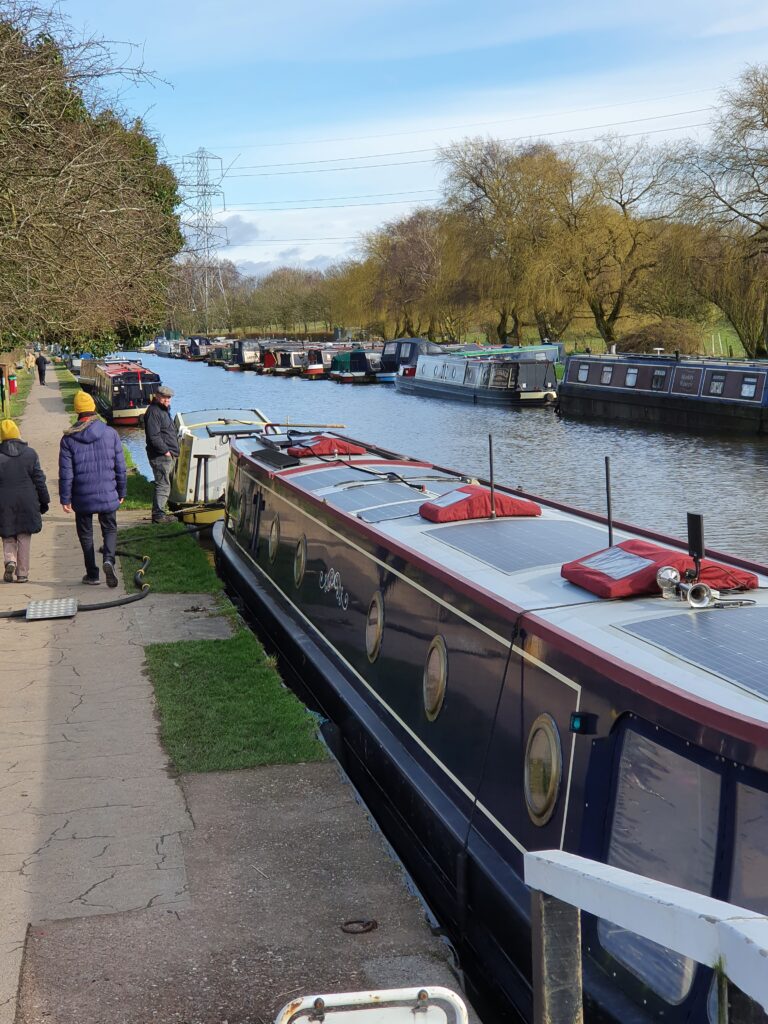
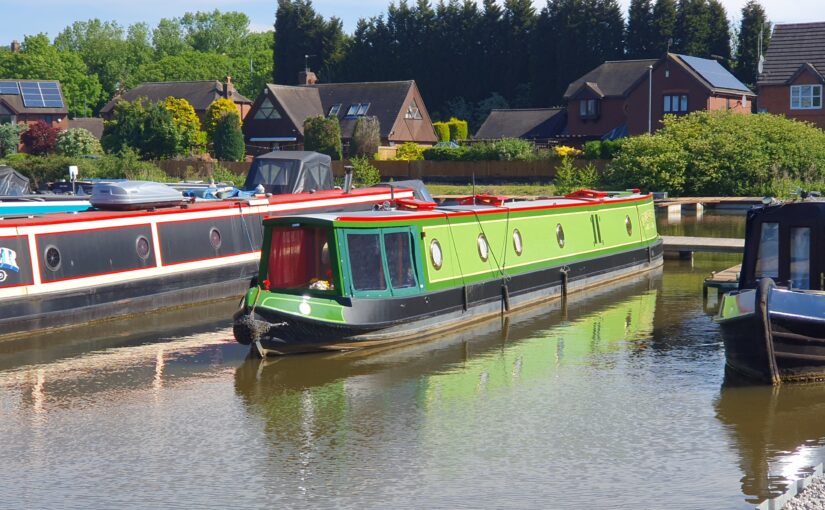
Whilst we were living it up in Alnwick, Firecrest was enjoying a peaceful weekend in Stoke’s Festival Park Marina.
It’s not somewhere we’d choose to moor permanently, the power hook up trip is only 6 amp and the H&S fairies shouldn’t be allowed to look at the state of the pontoons. But for a few nights, it’s ideal. It gave us peace of mind, the staff are friendly and helpful, it’s got facilities, and a big Morrisons close by. And the Iris were in bloom so it was pretty as well.
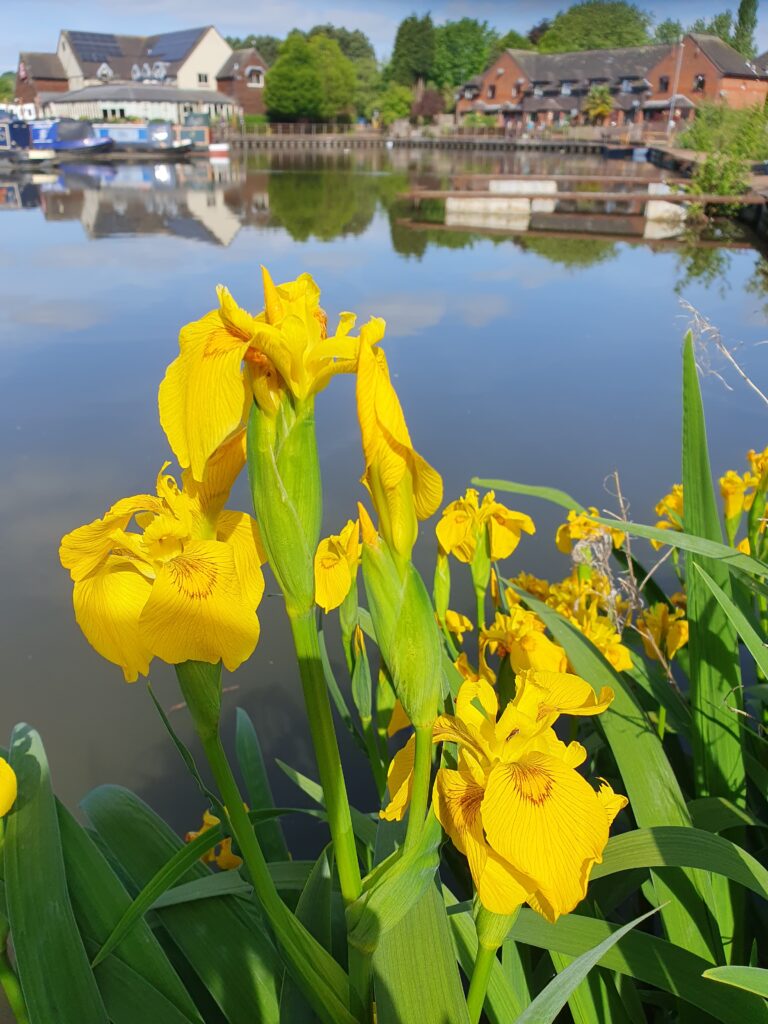
Festival Park Marina

I’d collected the replacement solar panels from home, so our plan was to cruise towards Stone, looking out for a suitable mooring for some serious DIY. Cause those panels were too big to be stored in the boat for long. We’d also treated ourselves to a new boat pole that was still being oiled ready for its life under the elements.
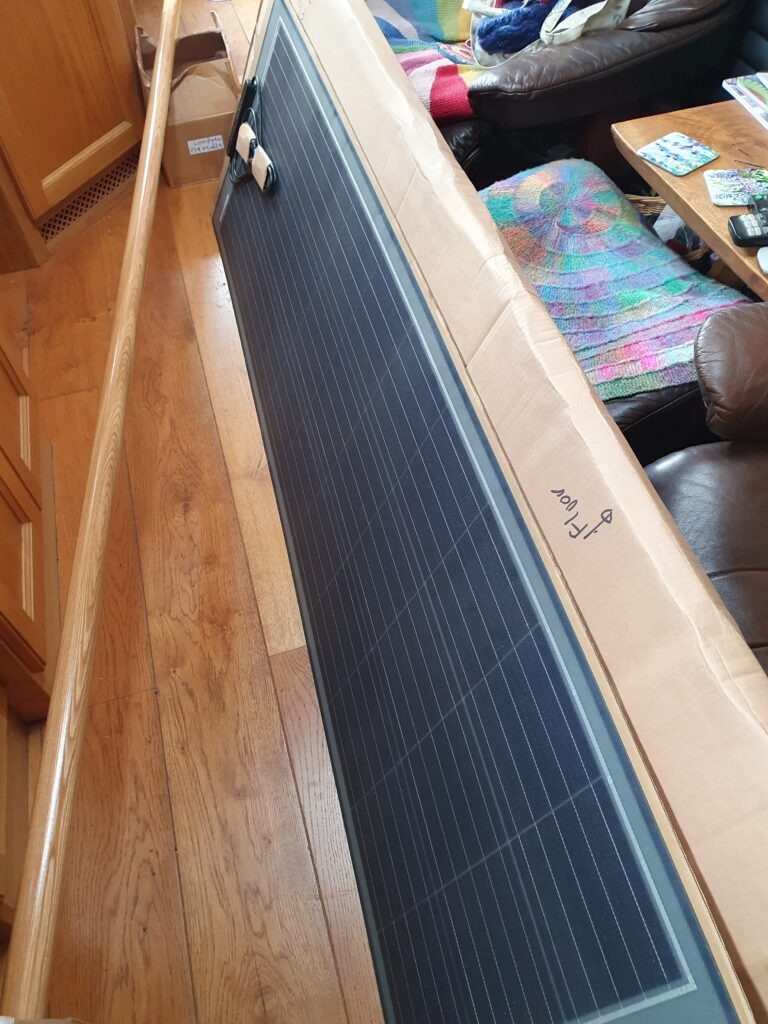
not an ideal storage place for the panels…. or for my temperament

We’ve cruised through Stoke a few times, and love the heritage buildings along the canal
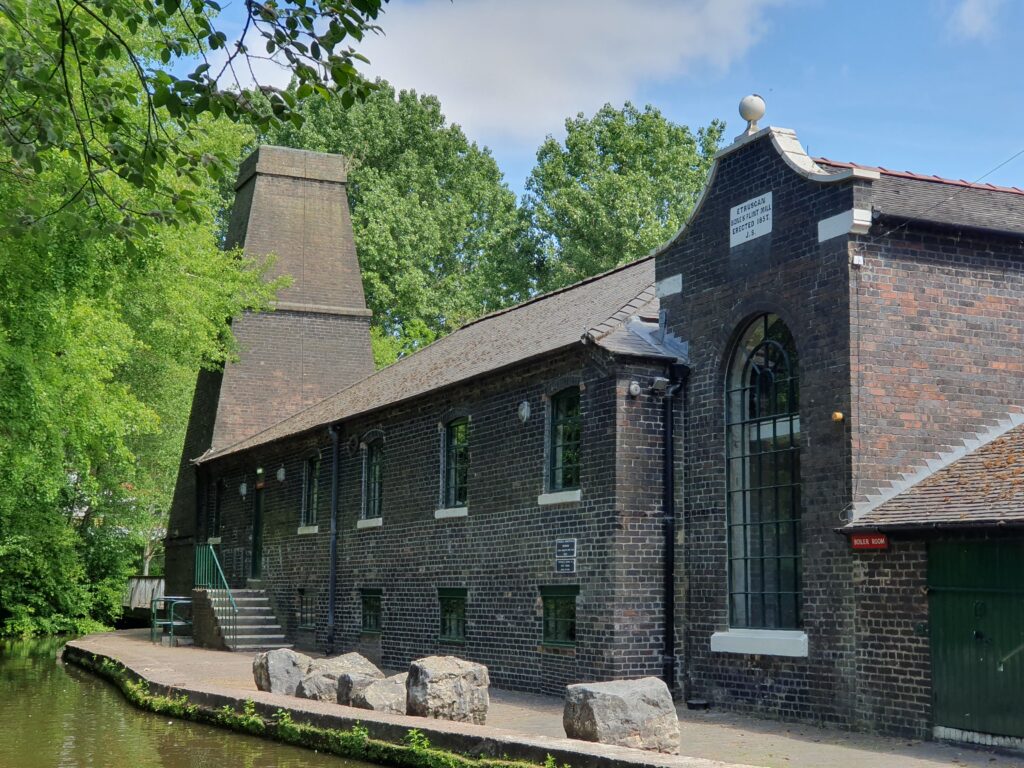
I’d love to know more about what goes on at a Bone and Flint mill

Some have been preserved and are still in use, Whist sadly, some are ready to fall down if they don’t recieve any care and attention.
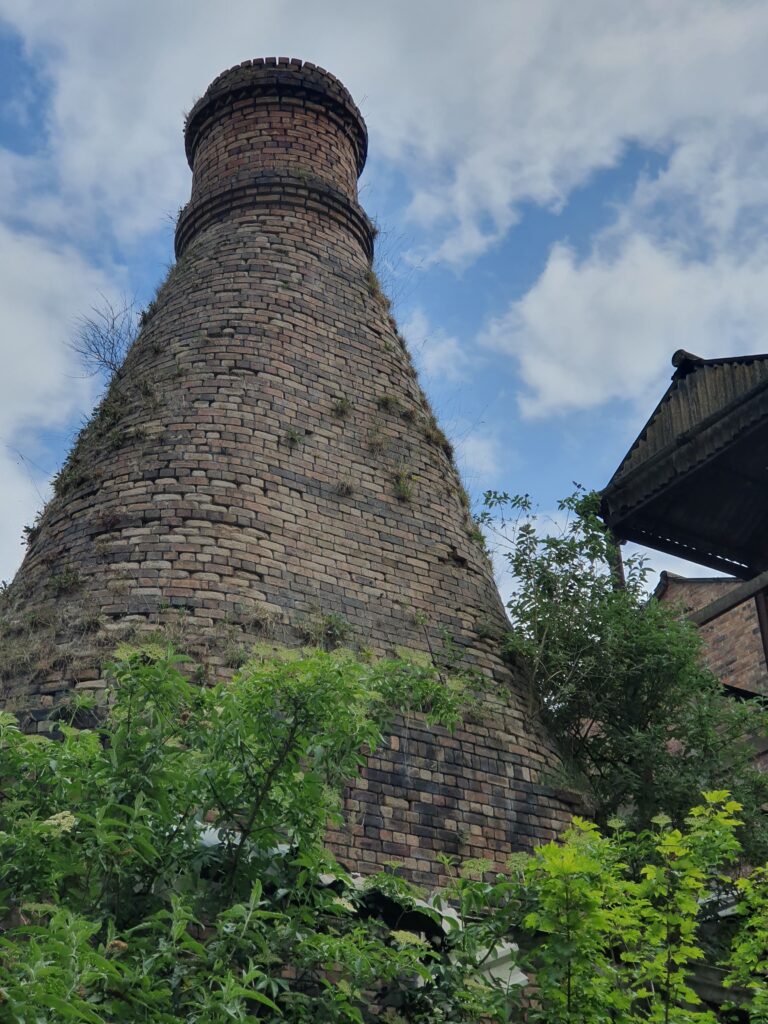
The conical kilns of the potteries might not be unique but they are a special part of our heritage and should be valued.

But mooring in central Stoke isn’t the most appealing so we cruised on to Barlaston for a rural view.
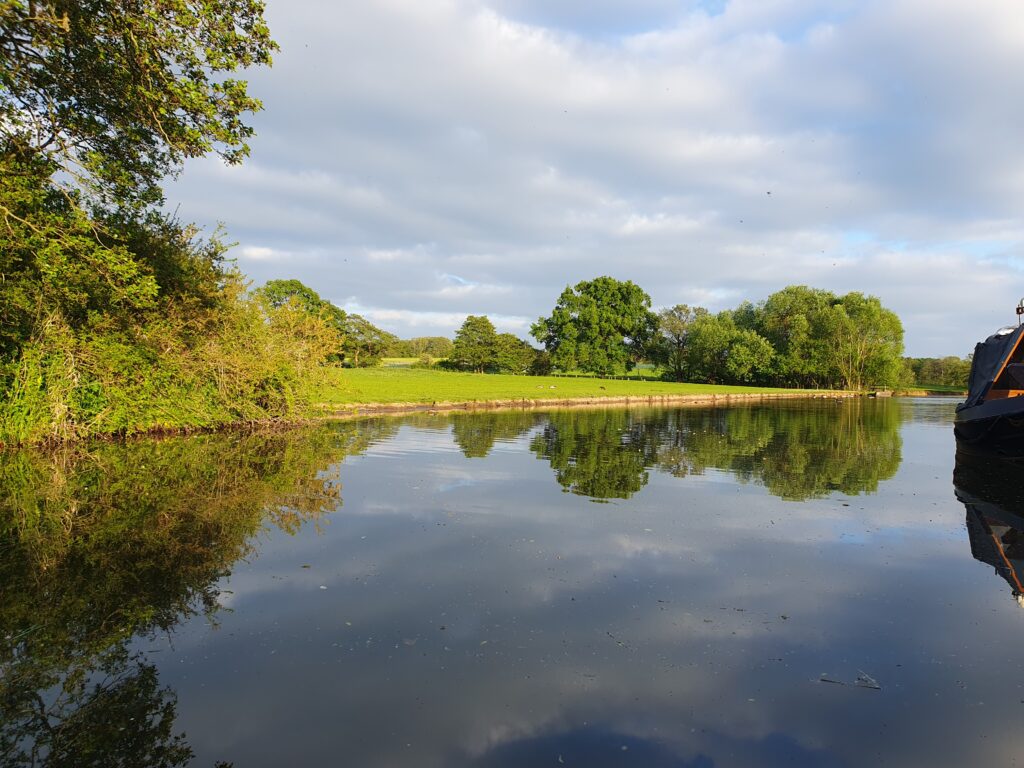
The Wedgwood Mooring at Barlaston

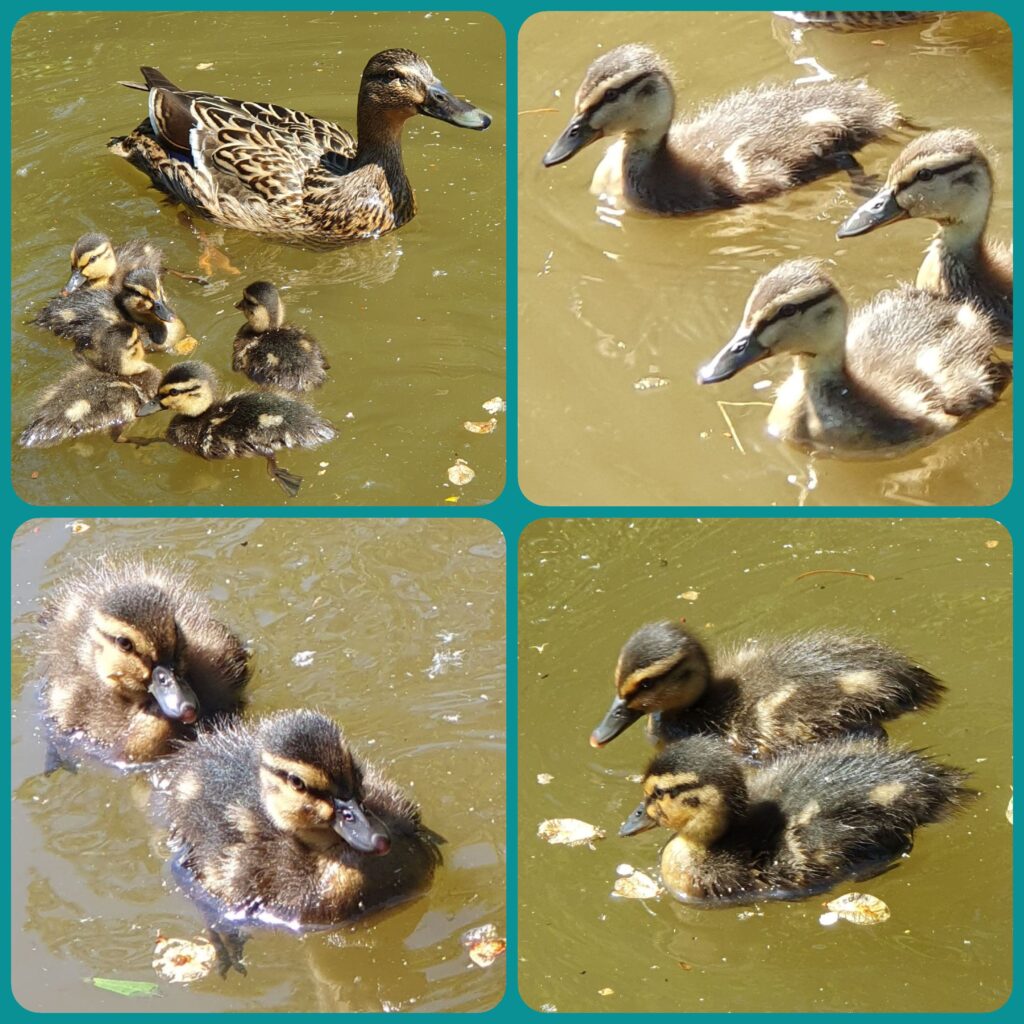
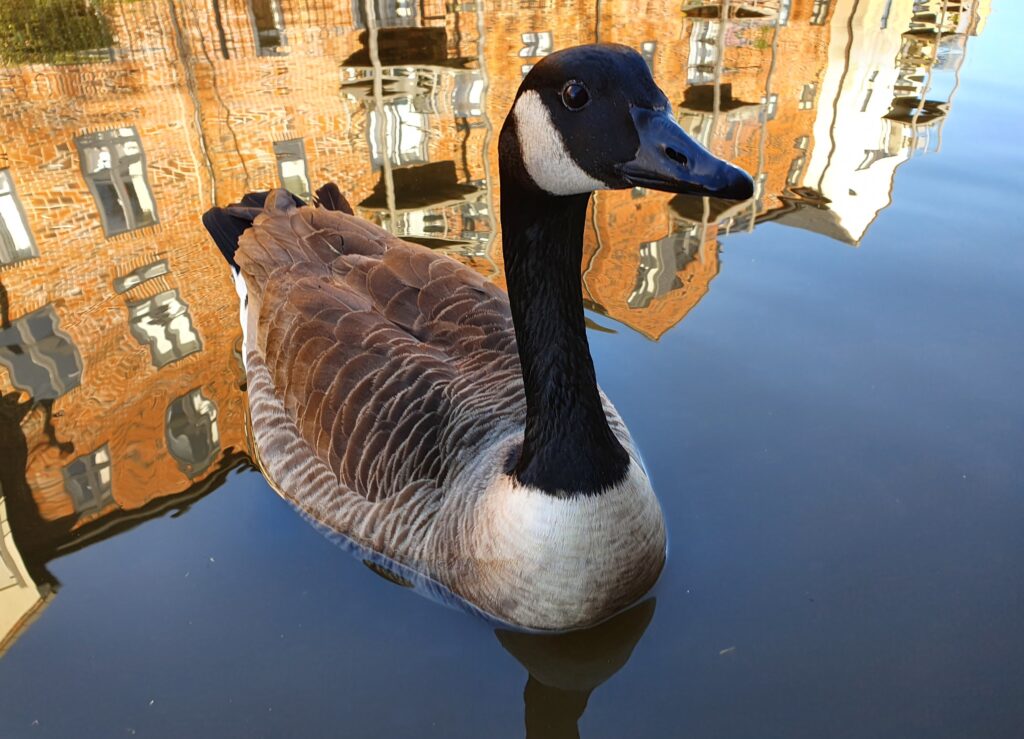
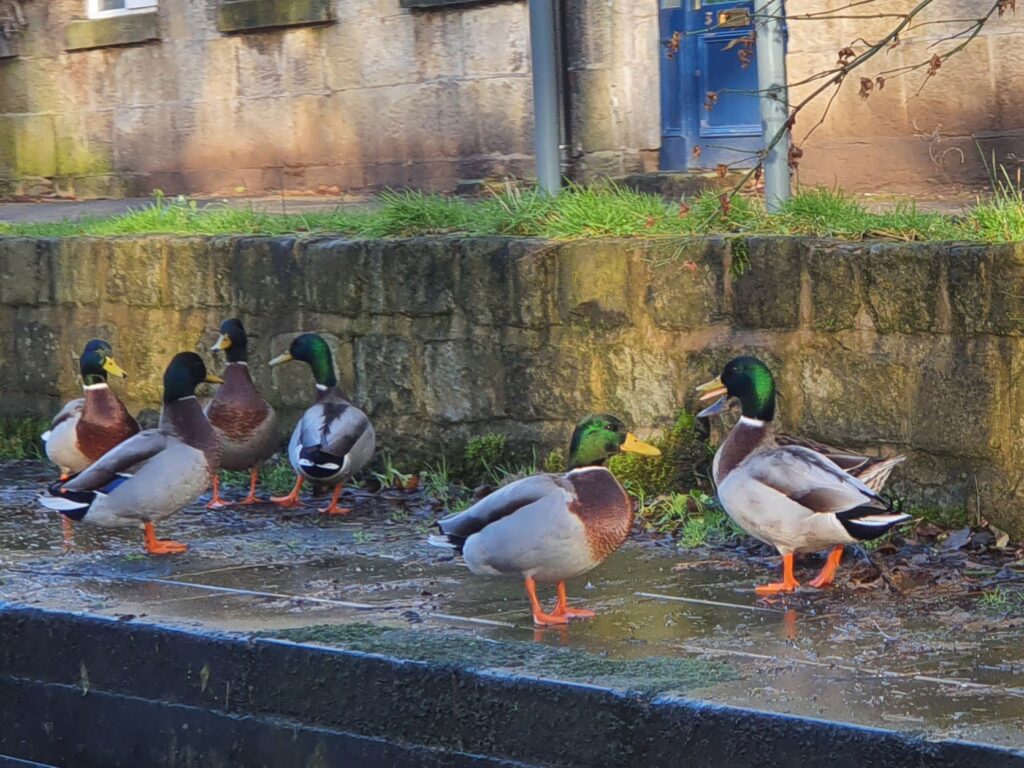
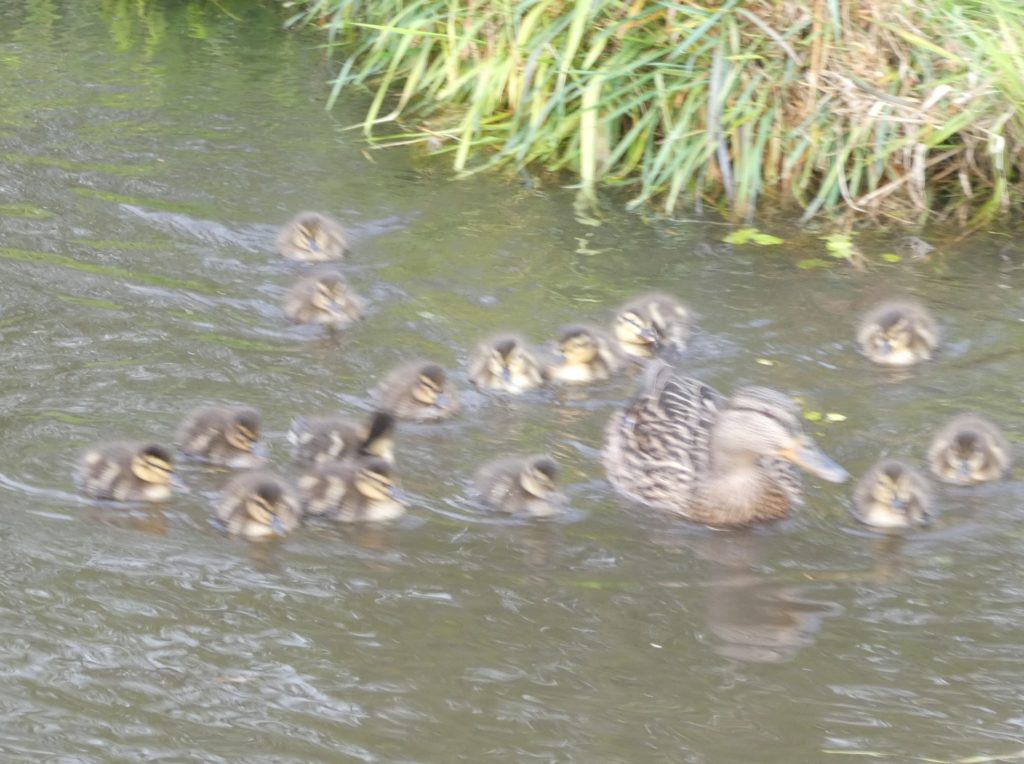
And some ducky company

No, you can never have too many photos of ducklings

We thought we’d be able to do the panels here, but the spring pollen, blossom and seeds were swirling through the air fast and furious, which meant that by the time we’d got to washing one end of the roof, the first end was already covered in bits that would pollute the glue. So pretty though it was, we moved down through the equally pretty Meaford lock flight.
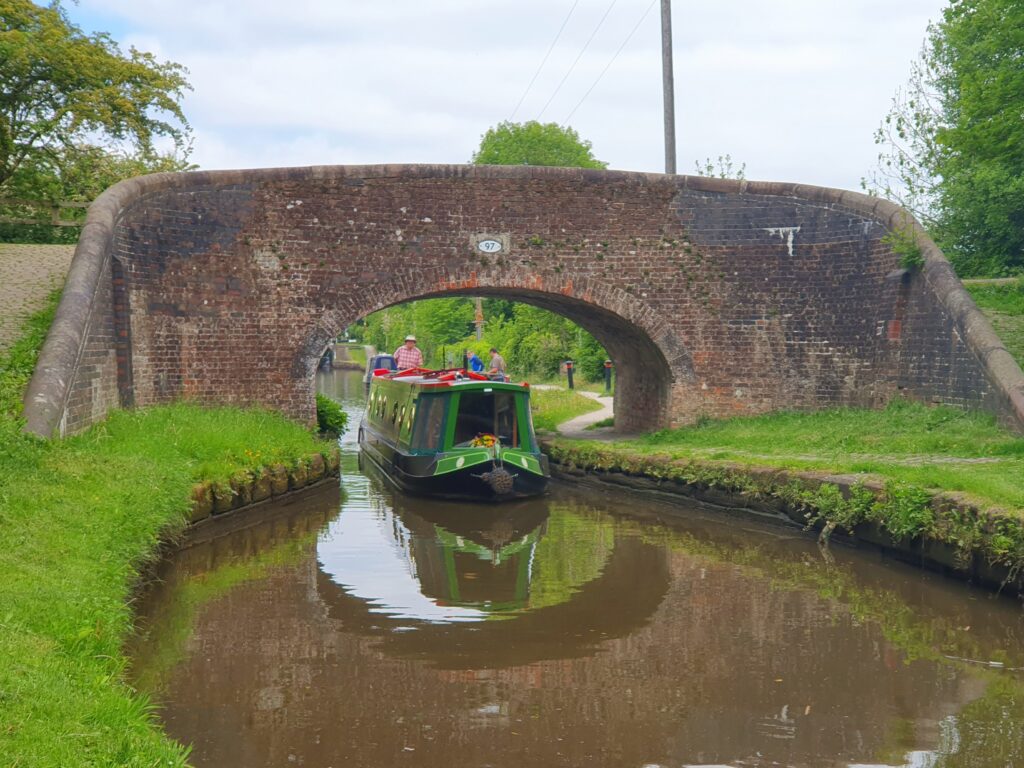
The Meaford flight, above Stone

And onto the Whitebridge Lane moorings at Stone,
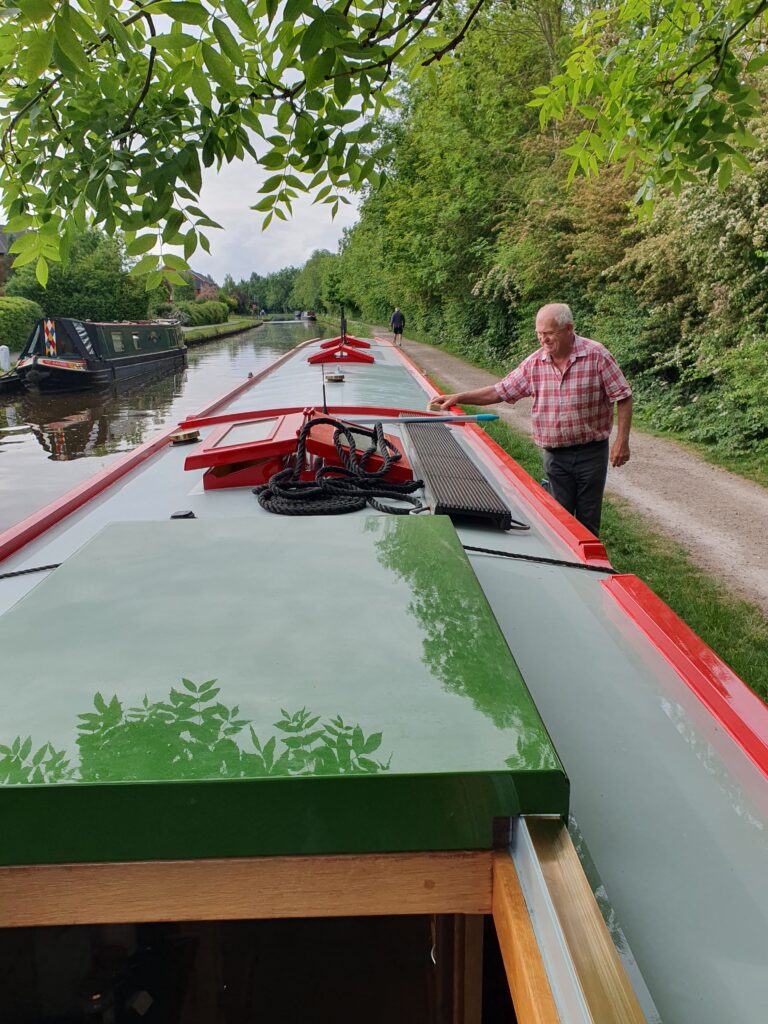
Looks like Eric can wash the roof here to his hearts content

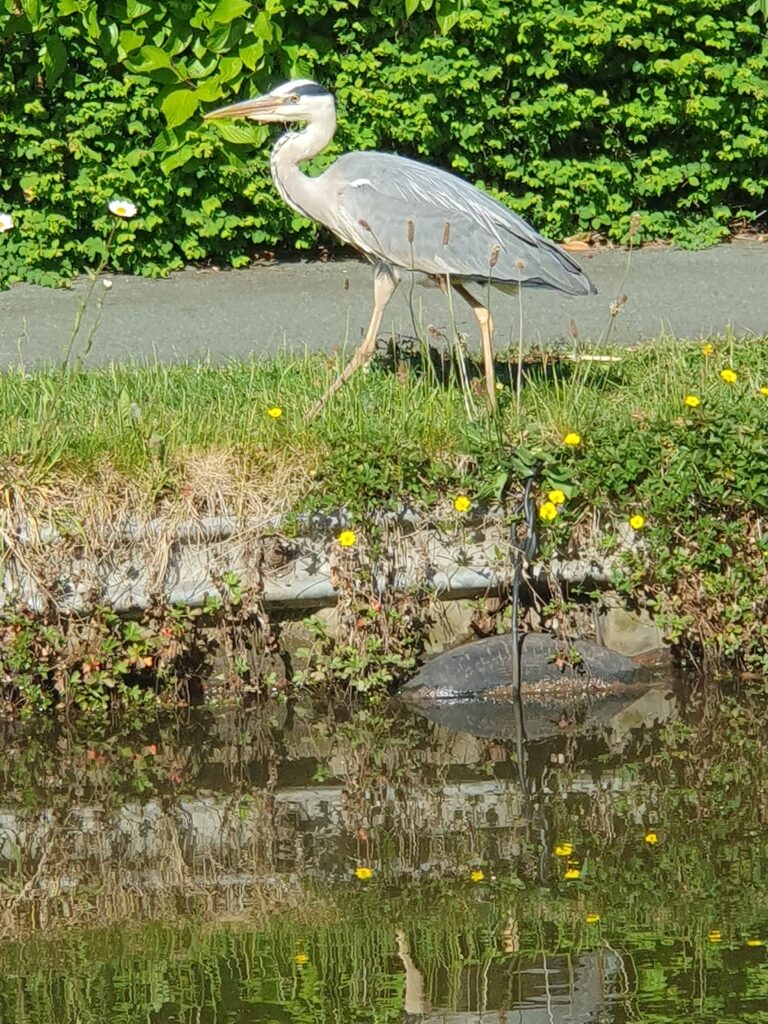
With a Heron for company and trees that wanted to keep hold of their spring leaves.
The Many Mills of the Macc

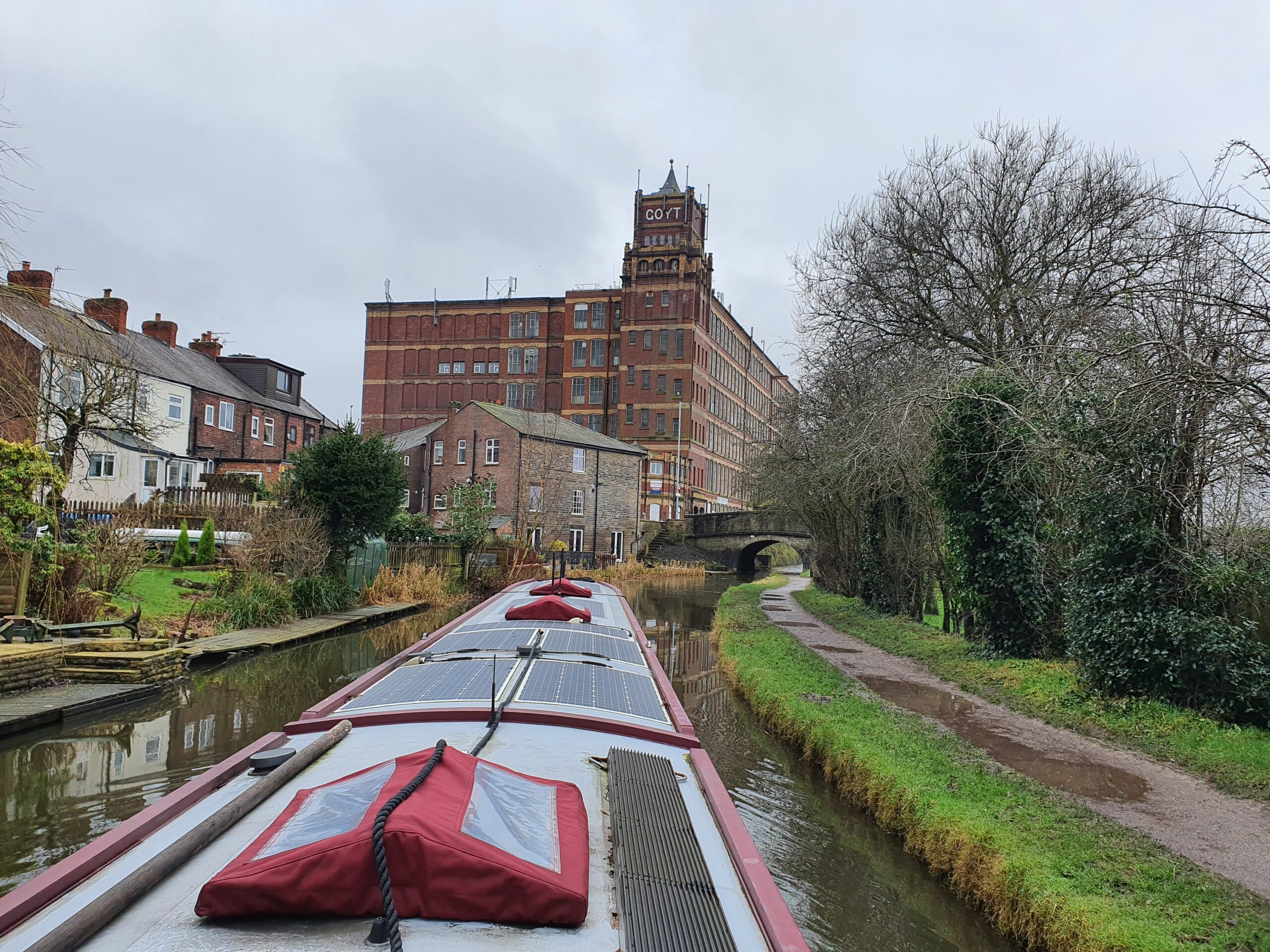
Even though we are now heading south at a vast rate of knots, okay roughly 2 miles an hour, we still look up at the Mills with a sense of wonder. Goyt Mill in Hawk Green, Marple is the youngest of the three that stand out for me. Built originally in 1905 by the Goyt Spinning company to produce cotton fabric was a major source of employment in Marple until 1960. Nowadays it predominantly houses antique warehouses, fun to wander around reminiscing about all the junk you threw away when clearing great aunt maud’s house. There is a fascinating memoire in the Marple website worth browsing if you scroll down.

Approaching Goyt Mill
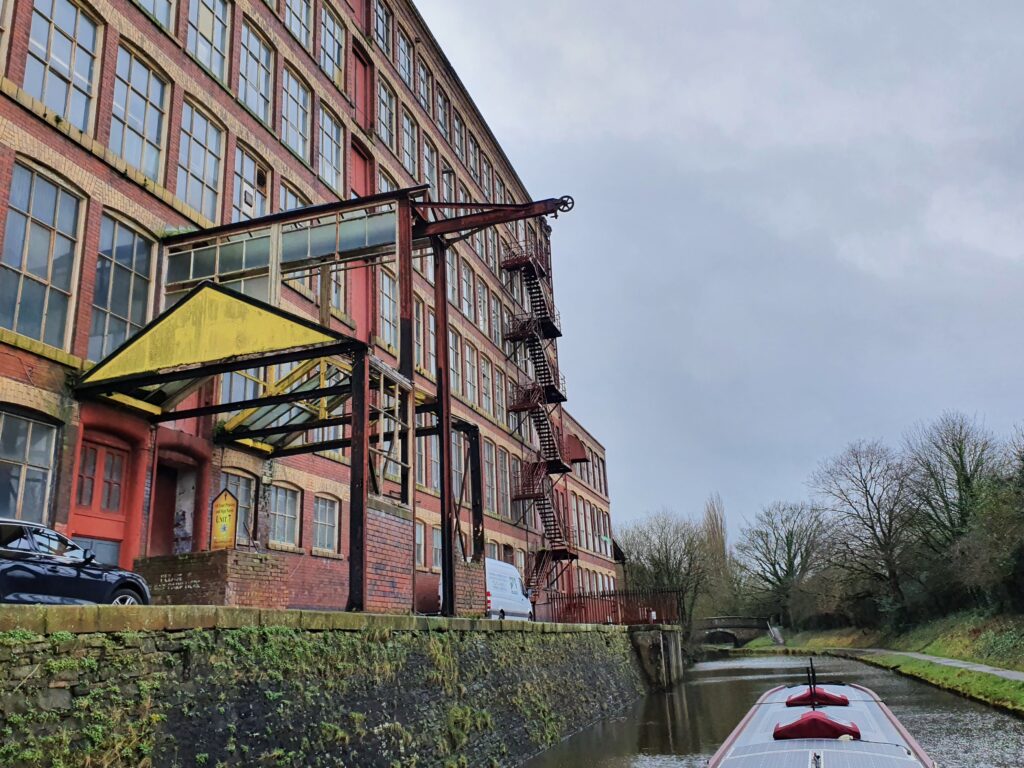
Can you imagine loading and unloading your wares here?

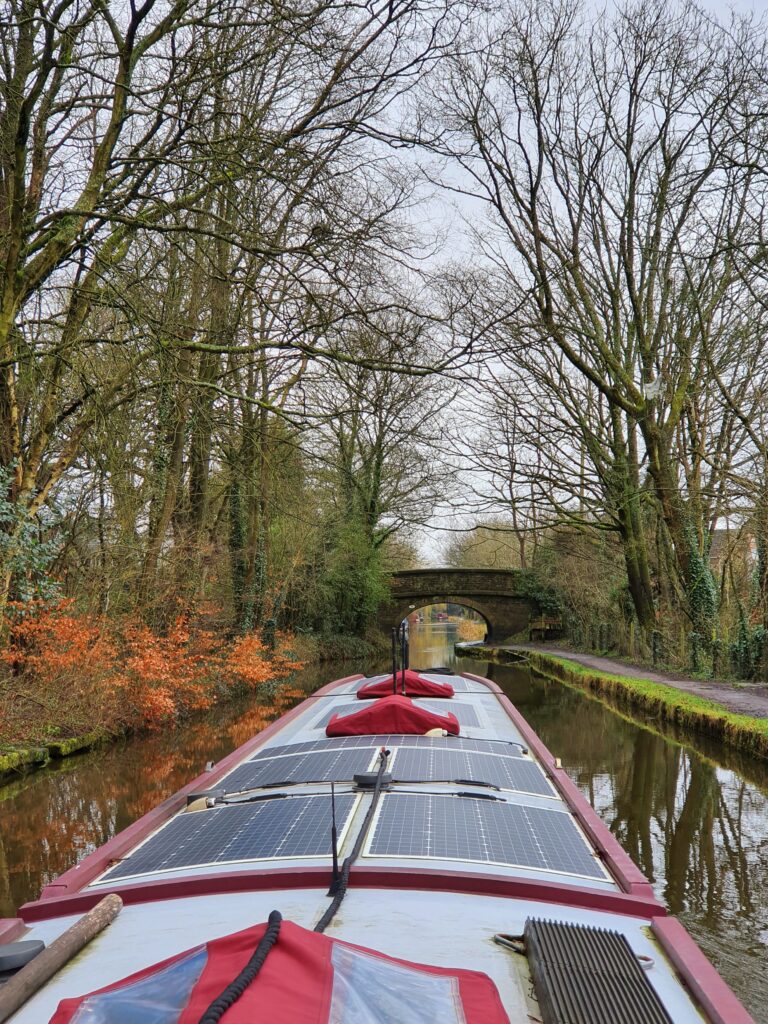
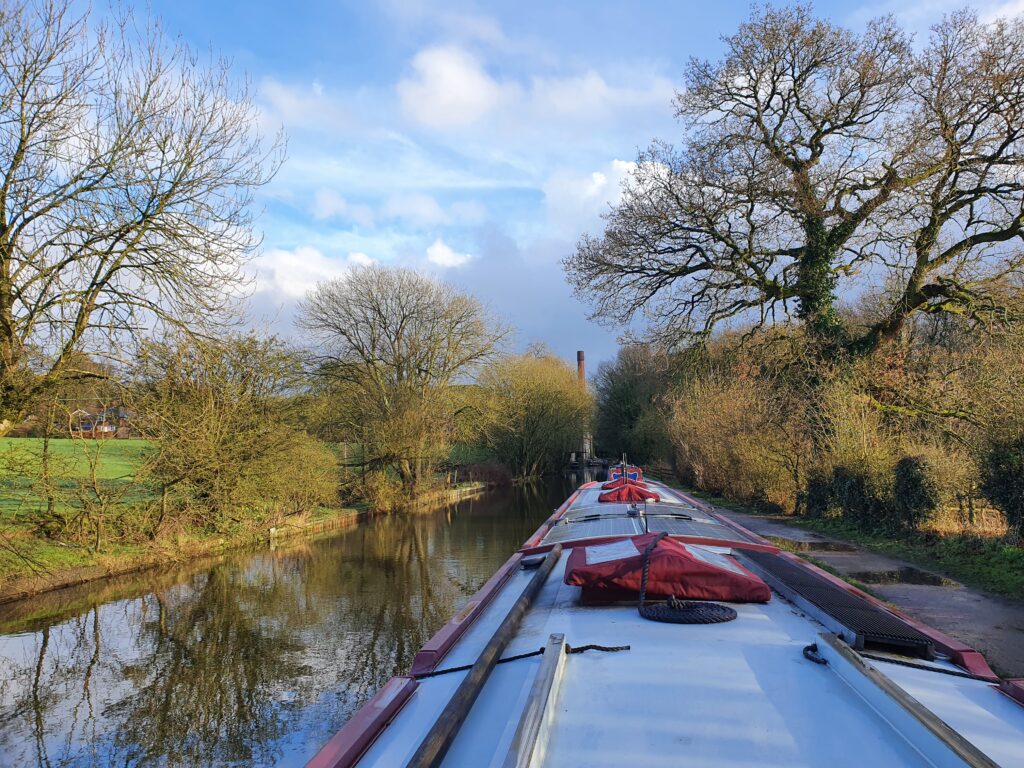
Once through Marple we were back to enjoying some rural tranquility

We wondered if that sunny day we had last week was summer and we’re already experiencing Autumn.

Before stopping for fuel at Baileys

Where we picked up a hitchhiker again, -remember the cat that came to say hello last month, we also popped in to say hello to James and Donna and the team at Braidbar.

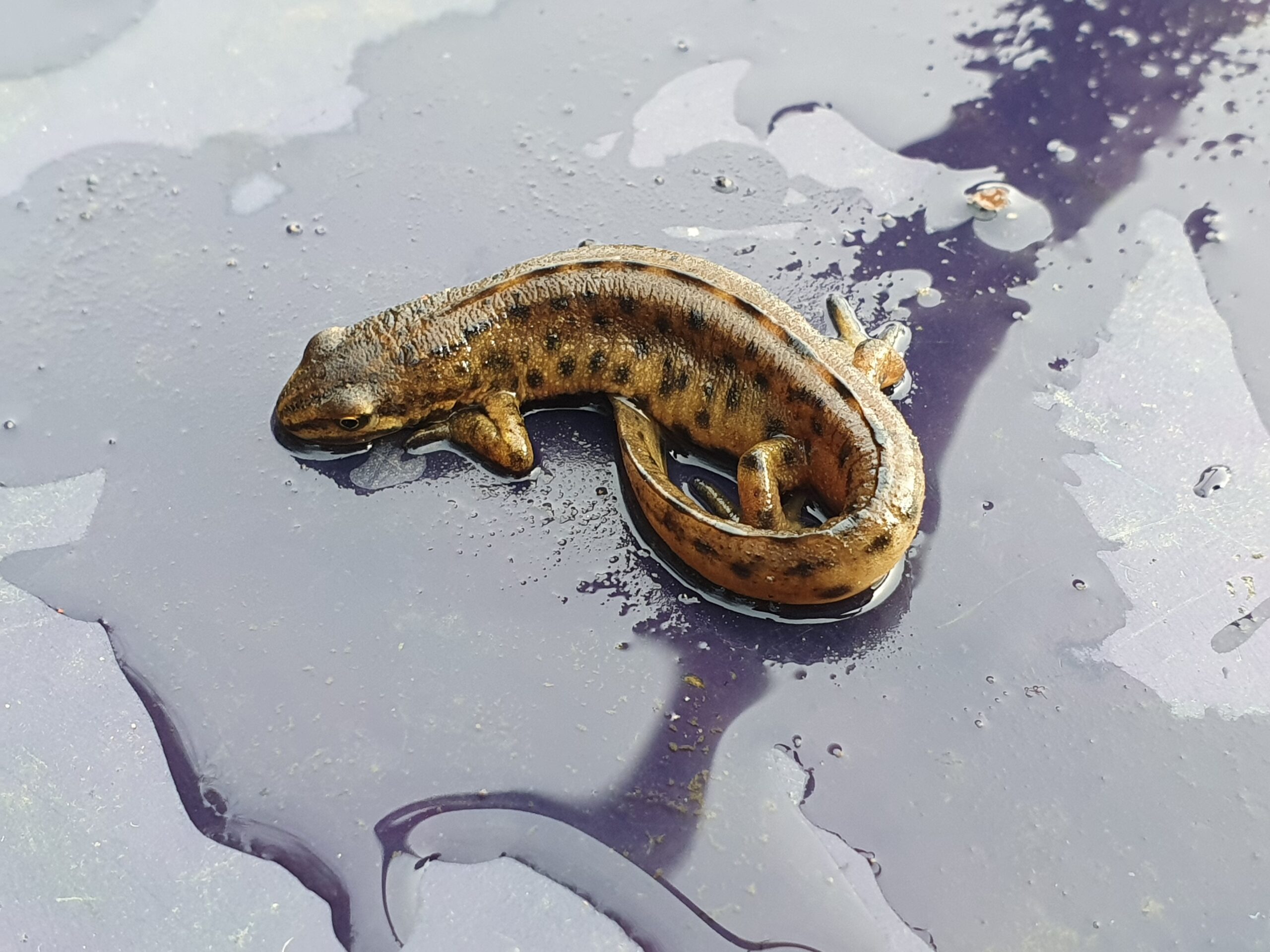
Not sure this little newt was quite ready to emerge from hibernation, we pulled him up on our tyre fender, so I carefully returned him back into the bank.

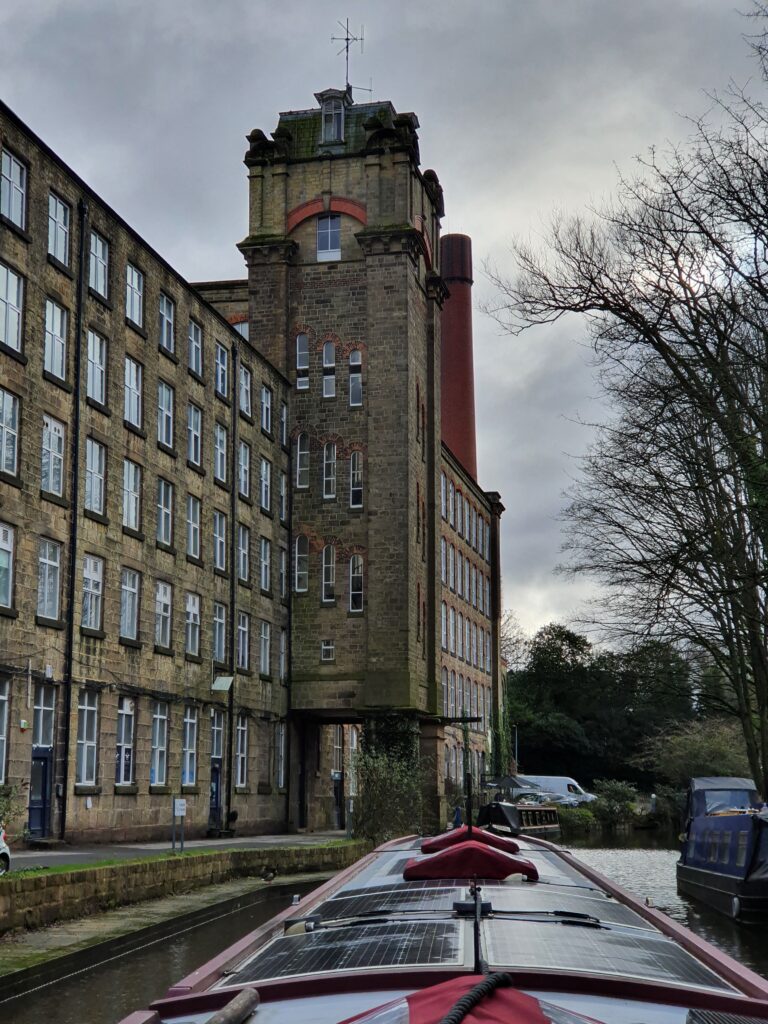
Then on to the oldest surviving Mill on this route at Bollington,

Approaching Bollington and Clarence mill


Clarence Mill was built in 1834 and specialised in spinning sea island cotton, which, for those unfamiliar with the intricacies of cotton, is an extremely fine long stapled cotton variety used for making lace and muslin. It is infact supposed to be the rarest form of cotton and can make a luxurious (expensive) silk like fabric.


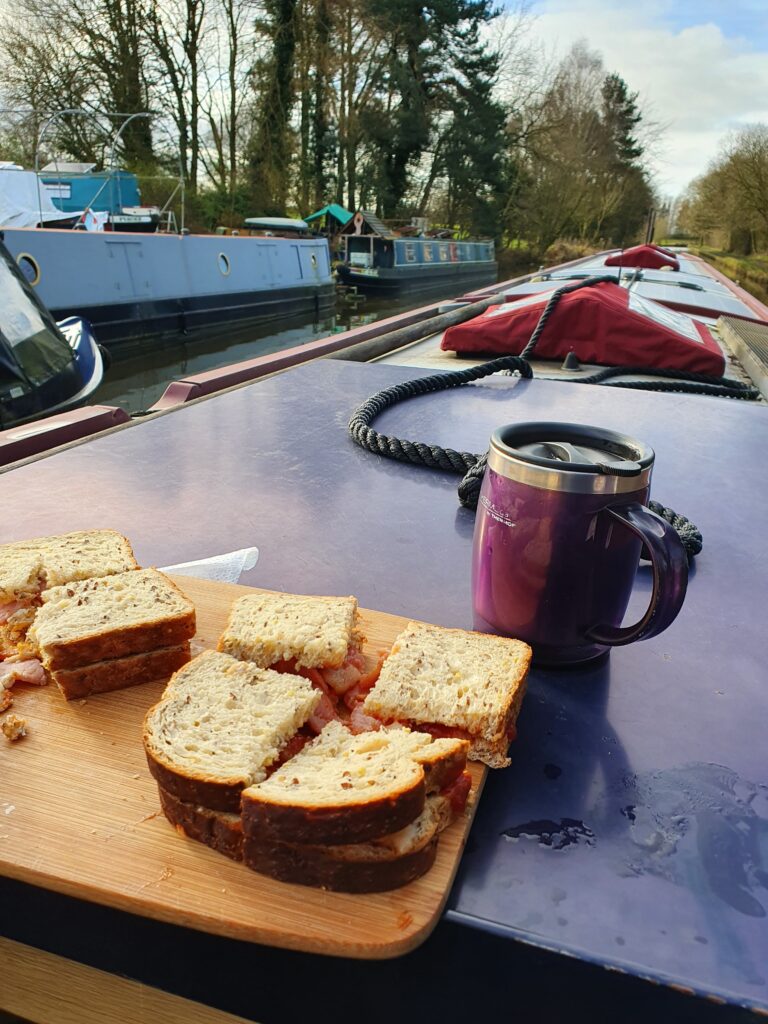
I missed the photo of the next Mill on our route south, the Adelphi Mill on the southern side of Bollington because I was in the galley cooking bacon butties. Aldelphi Mill began spinning cotton, it progressed to throwing silk, and finally spun man made fibres for Courtaulds until 1970s. Nowadays it houses offices for the nearby pharmaceutical company, Astrazennica

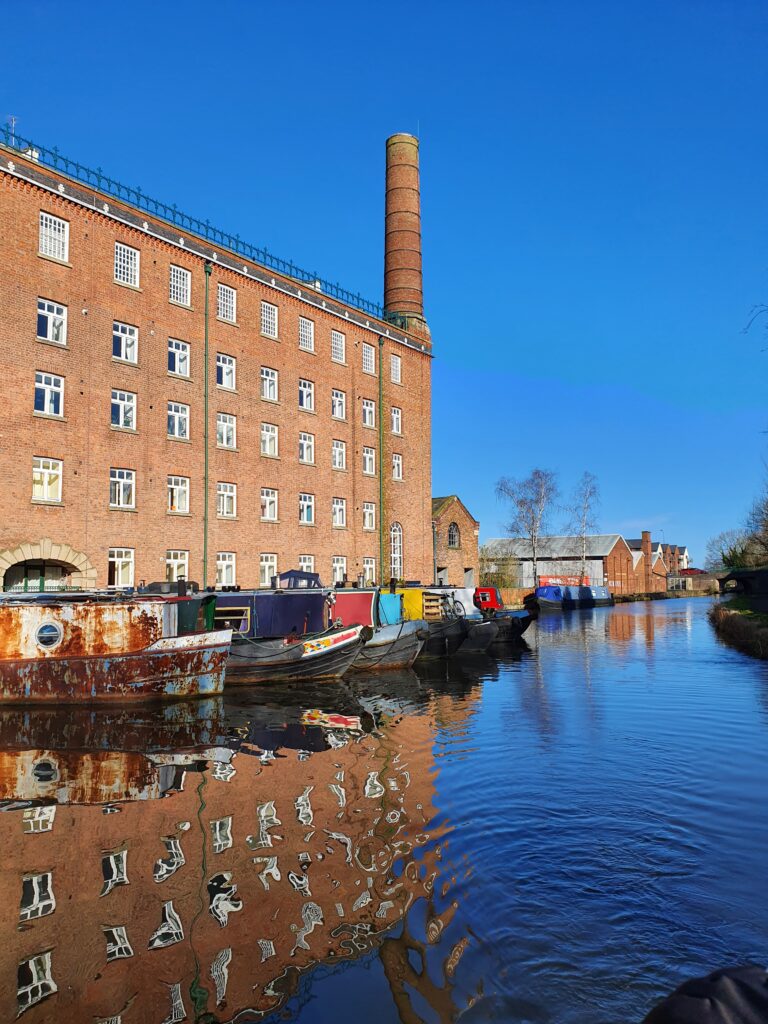
Which leads us nicely onto my third Mill, the Hovis Mill in Macclesfield itself.

The Old Hovis Mill

This is where grain was ground to make flour. The technique used produced a distinctive flavour and any baker using this flour is able to call the bread a Hovis loaf. Milling only took place here from 1898 to 1904 because demand grew and the company moved to bigger premises at Trafford Park, Manchester. They did however keep the building. It was renamed the Publicity Works, where they made the paper wrappers to wrap the bread in. Nowadays it’s a rather nice place to live. One interesting feature is the iron ballustrade along the eaves that survived being removed and smelted down during the second world war efforts. I don’t think I’d have liked climbing up there to remove it.

There were of course other mills, and industries along the canal and rivers that dominate this area, Macclesfield was known particularly for silk production, Bollington had a thriving hand made button industry, there was coal mining and sheep farming, to name but a few which helped make it a prosperous place to live.
The Macclesfield canal society website if you want something to talk about.

We’re going to Leek


We left Froghall basin just after 6 am. Up through the narrow lock.

6am locking, too early for my liking

Athough this time it took a while to fill the water tank, going through the tunnel early reduced the risk of needing to pass oncoming boats in the narrows. It paid dividends, the journey felt surreal, it was just us and the birds.

No one around but us and the birds

Mind you those birds seemed glad of the company. I’d got off the boat to work one of the locks and before we knew it they were hitching a ride. Ducks are usually quite skittish and don’t hang around us humans, unless we have a loaf of bread with us, so it was quite amusing that they stayed on board for a good 5 minutes.

Dropping by to say hello

Our journey took us back under the aqueduct.

Leek Aqueduct

And once we had climbed the 3 locks with the lovely cottage

Postcard perfect

And turned the sharp U Turn junction

Gently does it

We began our trip along the Leek branch, back over the aqueduct looking down on the Froghall branch

Ahoy down there

It was a pleasant journey, quite different to the Froghall branch, lots of very desirable houses with garden mooring. We had been warned that the Leek tunnel was also difficult, but we’re not sure why. Enough room to swing the proverbial cat.

No worries there, mate

Sadly when the canals were abandoned , someone had the bright idea to reclaim the land and built an industrial unit over the last half mile that would have taken boats right into this lovely historic town. So the canal peeters out Leaving just a shallow 40′ winding hole.

Pretty, but nowhere else to go

Luckily though, there is good mooring for about 6 boats after the last full size winding hole, even though you have to reverse into it.

Moor here, it’s about 20 minutes walk into town.

So here we stayed for a few days to enjoy the town , and Morrisons.