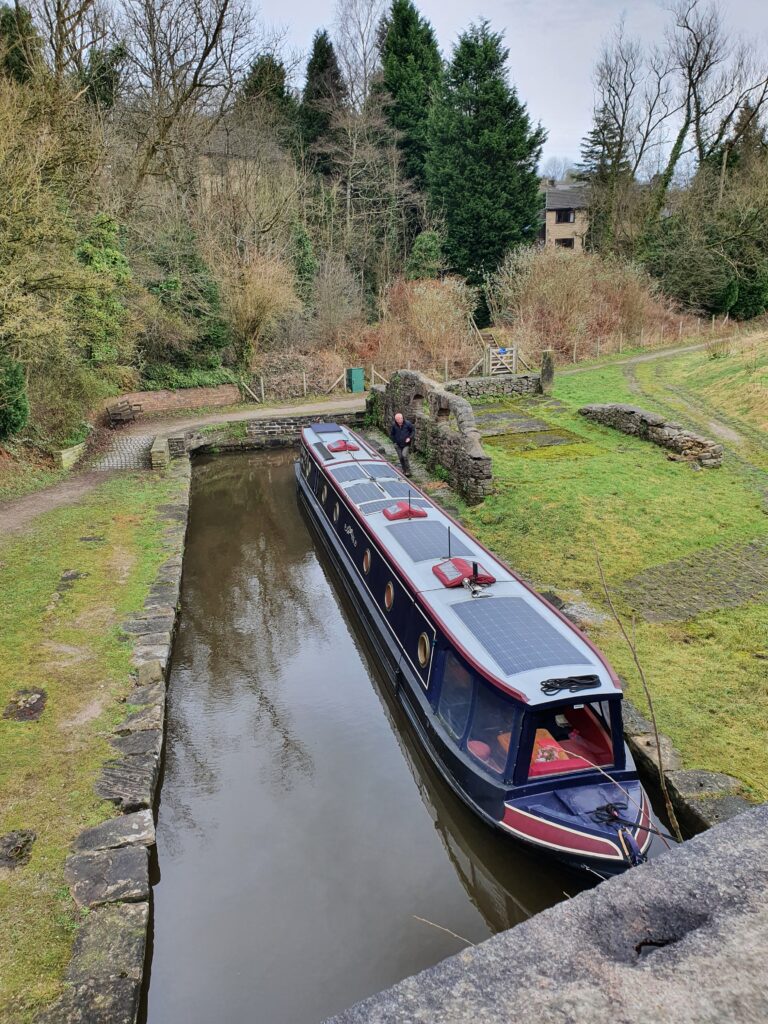
There’s something very special about narrowboating in this area, we love seeing the industrial heritage of the our country. Bugsworth Basin is a prime example of how the canals were a significant structure for the communities they served. It’s now listed as a Scheduled Ancient Monument and the Bugsworth Heritage Trust oversees the area making it an interesting and informative place to visit.
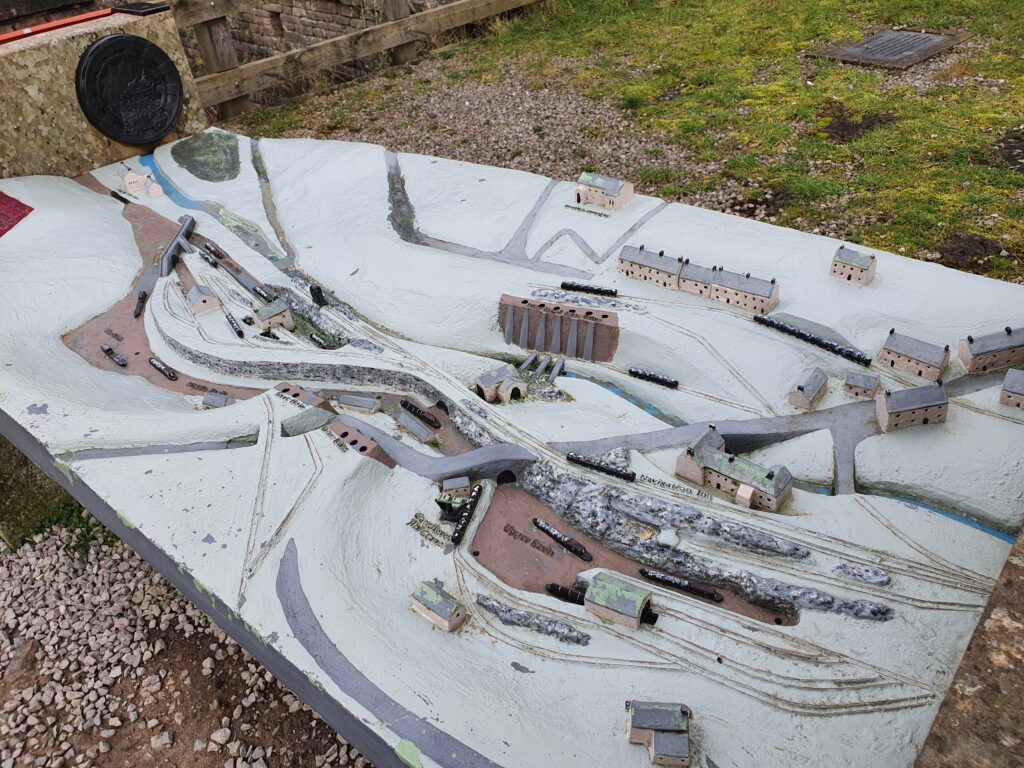
The Peak Forest Canal was completed in 1804 to transport limestone and gritstone from the Derbyshire quarries down to the Ashton Canal where it was probably went on to help build Manchester.
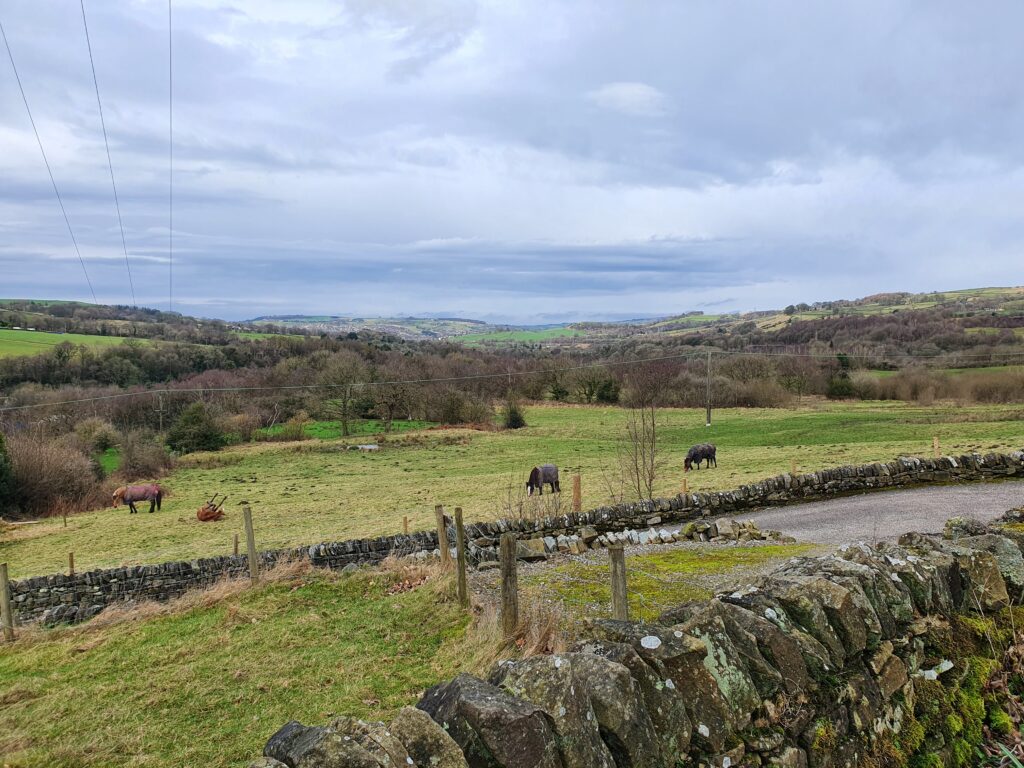
It was hoped that the canal would go further into the peak district but alas building the necessary locks wasn’t economically viable. A terminus was created at Bugsworth which, when it was built, it was Britains largest inland port. (Aparently, Eric and I can’t agree what defines an “inland” port) Equally impressive was the 14 miles of gravity and horse powered Tramway system that was built to bring the stone down from the quarries. You can still walk the tramway, but it was too wet and muddy for us this week. Not only was the basin a storage and transhipment port, it was the hub of a thriving village where the lime was processed in huge kilns.
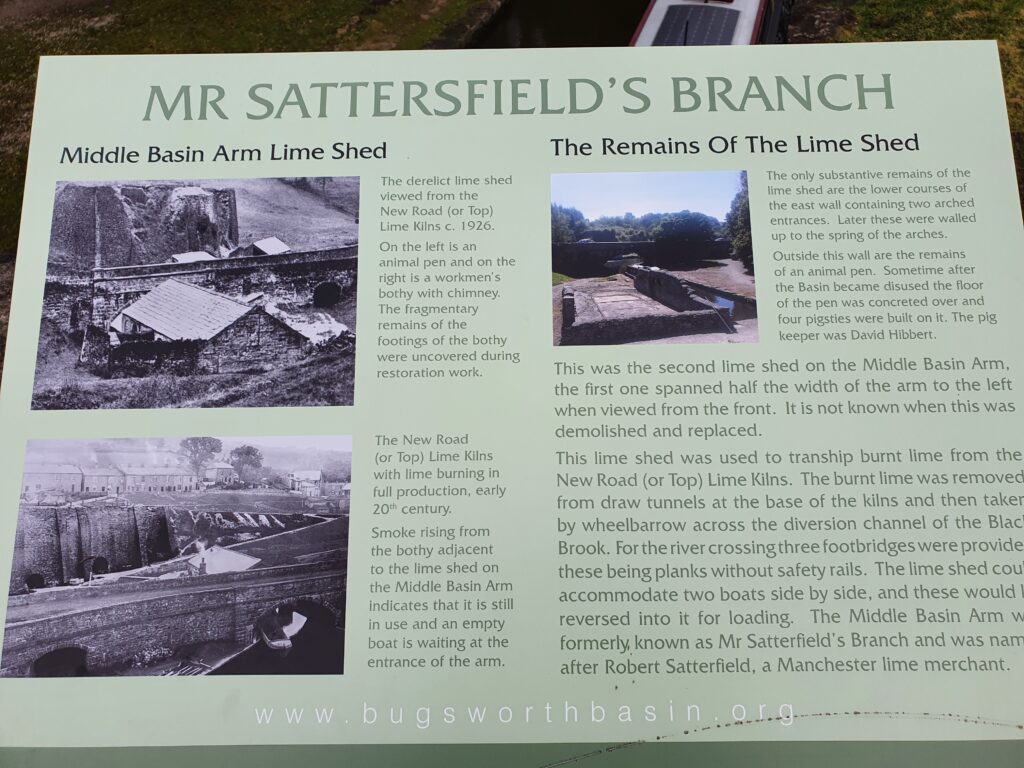
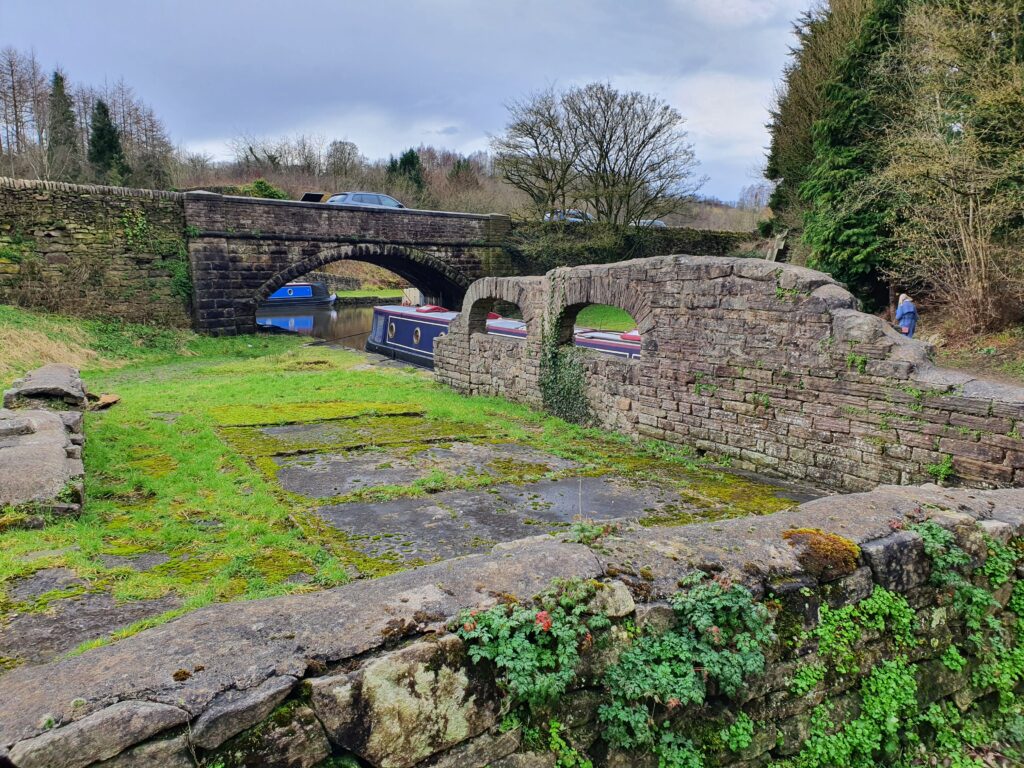
The Middle arm is considered the prime mooring spot, and although it was originally all under cover, the stone sheds have long since been dismantled and repurposed and all that’s left is the short arm, a bit of wall with 2 arches and a base of concrete- where an enterprising local build a pigsty. The working life of Bugsworth Basin remained until the 1920s,
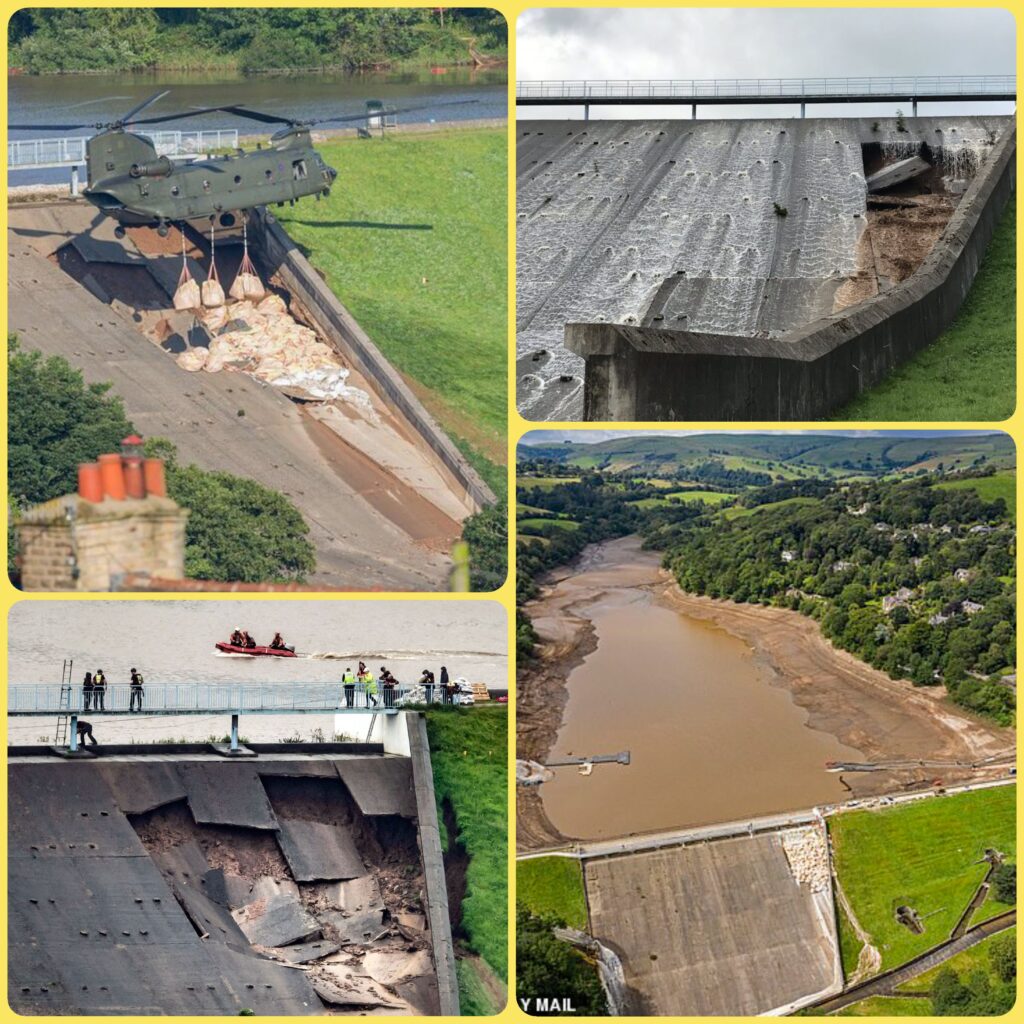
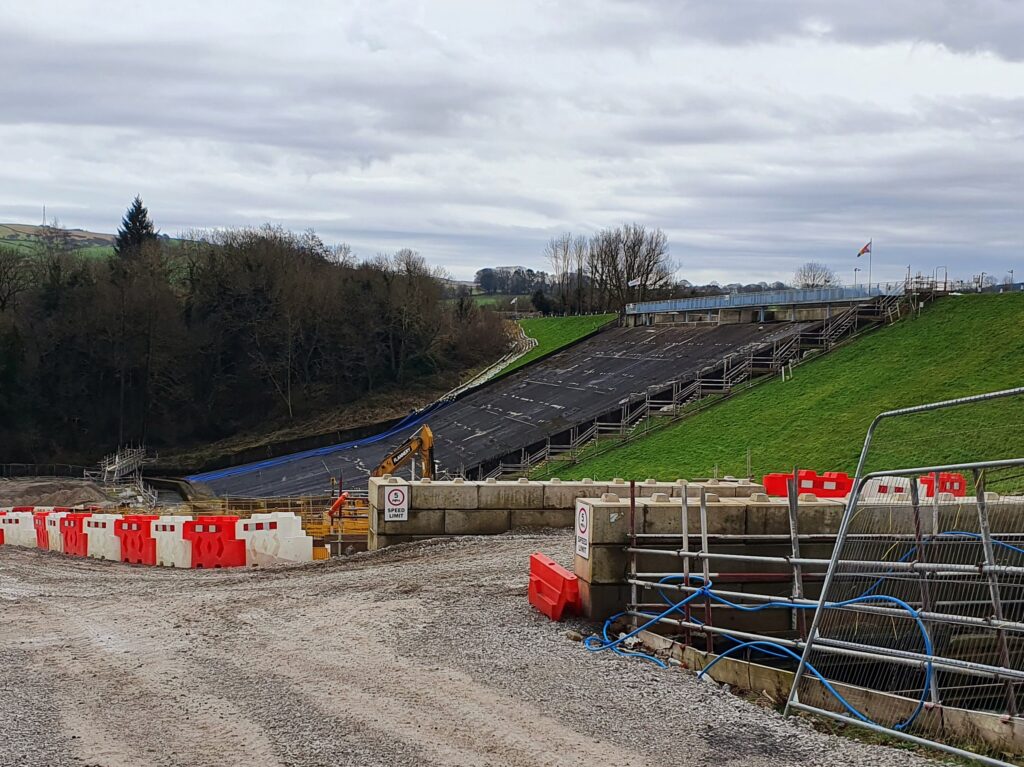
Nowadays it’s not trade that keeps the canals viable, but as with all waterways, natural or man-made, they need a constant supply of water. And whilst we might be getting a generous contribution from the heavens this week, direct rainfall isn’t sufficient without careful management. You’ll usually find a reservoir near the head of most canals with pumping stations along the route. Combes reservoir in the High Peaks was built to feed the Peak Forest canal, but it wasn’t sufficient and in 1838 the Victorians completed Toddbrook reservoir at Whaley Bridge. As with most reservoirs, Toddbrook suffered its fair share of leaks over the years but in August 2019, after a particularly wet summer, part of the modern concrete slipway collapsed. It was feared the whole structure would give way with catastrophic consequences. 1500 residents of Whaley Bridge, Furness Vale and New Mills were evacuated whilst Chinook helicopters dropped 400 tones of aggregate to help prevent a disaster. CRT has been working on the repair ever since, with some interesting modernisation, shown here.
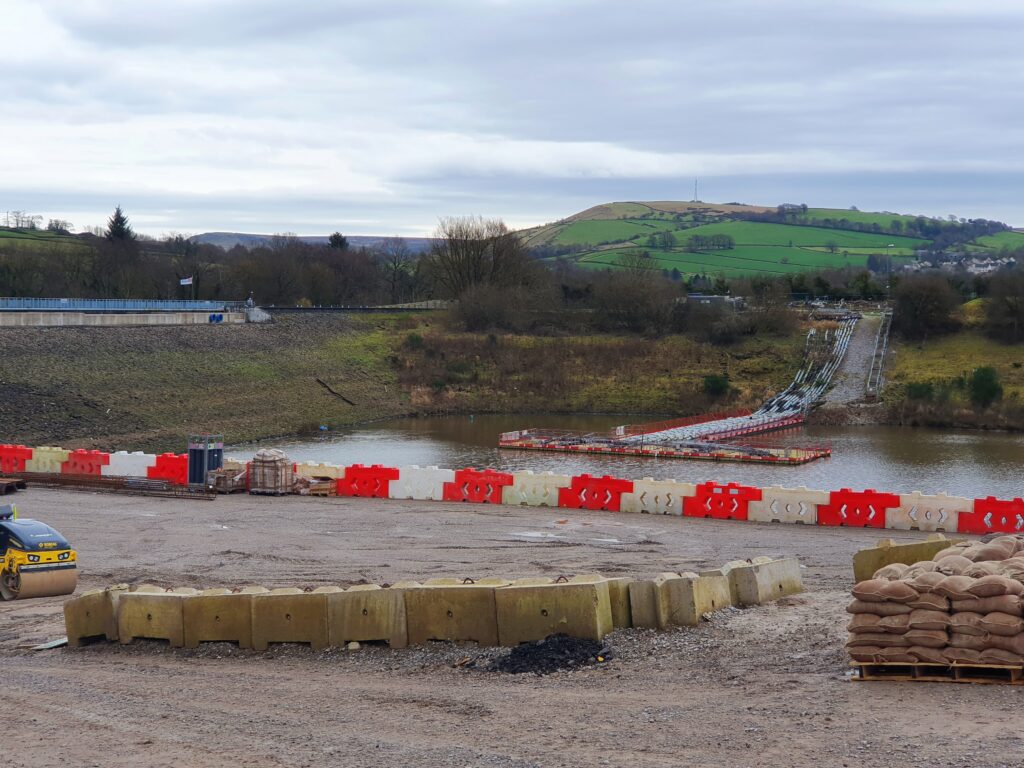
The project is supposed to be completed this year, so we took a walk up to see what was going on. Most of the dam is still fenced off from the general public so we weren’t able to get up close, but we chatted to a few of workmen and peer through the site gates. They aren’t so convinced the work will be finished this year. Neither are we.
There’s plenty of information online about the dam but I found this short little case study interesting.
Thankfully the effect of the of our current structural failure – the culvert collapse which had closed navigation on the Macclesfield has been repaired and reopened. We’re pointing in the right direction and ready to start cruising.