


It was a treat to find ourselves within walking distance of a NT property, so after the forecast rain turned into a beautiful sunny day we walked the 1.5 miles up the hill to discover Basildon Park. What a gem, but at the grand entrance gate we were advised to take the back route up to the house, huh we know our place, but so glad we did, the formal gardens were magnificent, I could have spent a whole hour just inhaling the heady scent of the roses, if Eric’s sneezes hadn’t disturbed the peace.

As is often the case with NT properties the volunteer guides were welcoming and rushed to share information about great house,

We’re not that fussed about knowing it was built circa 1776 by Sir Francis Sykes in the Palladian style, but suffice to say that even wealthy Georgians, fall prey to the odd financial crisis and and social scandal. In the 1830’s it is said that Charles Dickens based his character Bill Sykes on Sir Francis’ grandson. The resulting humiliation and lack of funds meant the family pad had to be sold for £97000.

Skipping on to the 20th century the house was requisitioned during the war years and sadly fell into a terrible state of repairs, made worse when its owner attempted to transport and relocate the entire house stone by stone to America. Fortunately that venture failed, but by then the house was deemed fit only for demolition. In the 1950s it was bought and lovingly renovated and restored by the Iliffe family. Lady Iliffe had a knack of finding appropriate items at auction, including the bamboo bedroom, which she got for just £1,

She was both practical and very creative and did a lot of the decorating herself including creating a shell room

But not all the rooms were quite so fancy.

Inheritance tax demands would have made it impractical for the house to remain in the family so it was bequeathed to the NT in 1978 for everyone to enjoy. I thought id return the following day to take advantage but the forecast sunshine was overshadowed by some big black clouds so ill save that treat for another year.


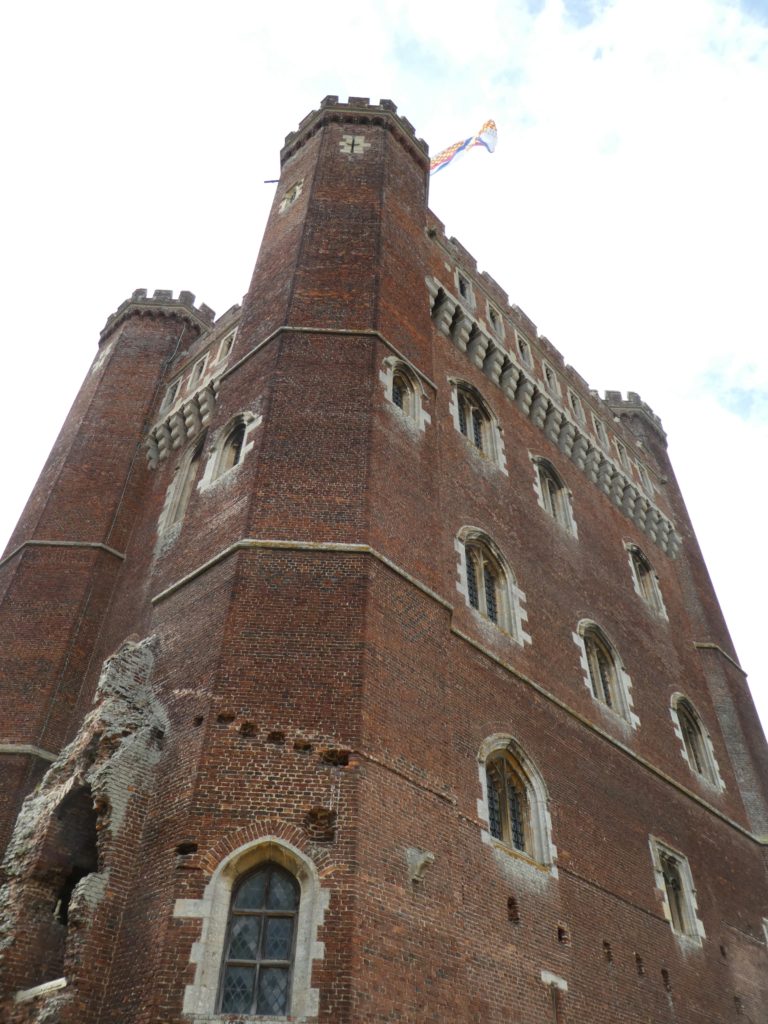 Of course, such a tower just begged to be climbed. Despite it being a NT property it didn’t feel over commercialised and the audio tour was well done and informative as it guided us, first down the 12 steps into the servants quarters, then up 149 steps through various floors, each one getting grander the higher we climbed.
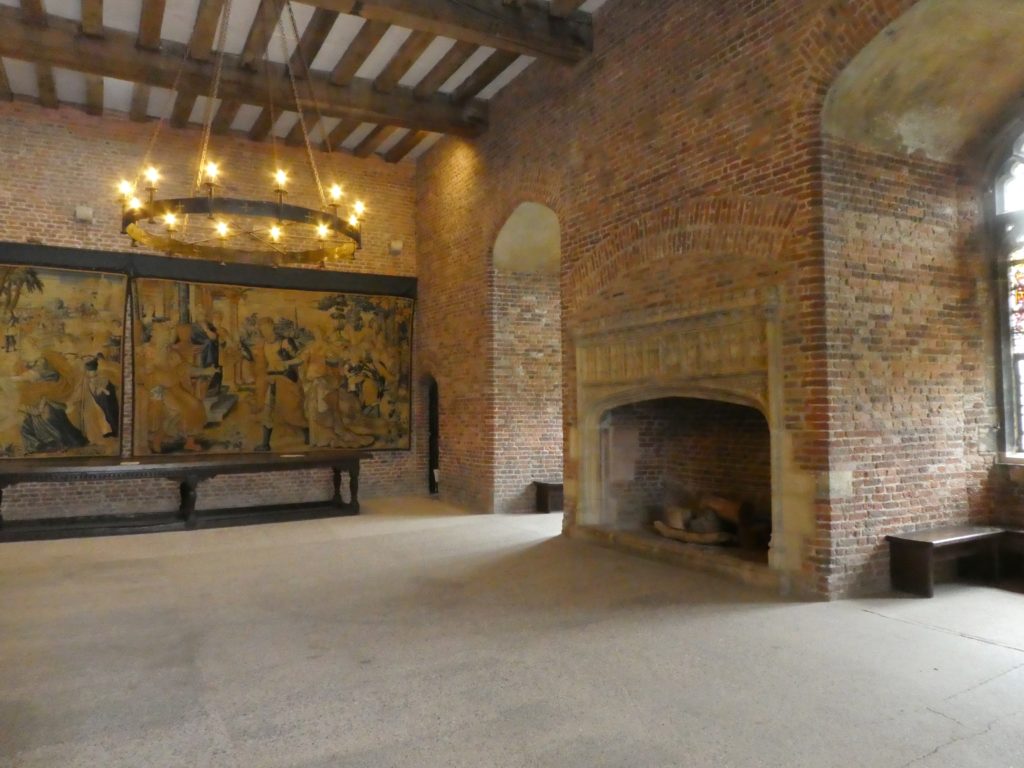 until we reached the roof.
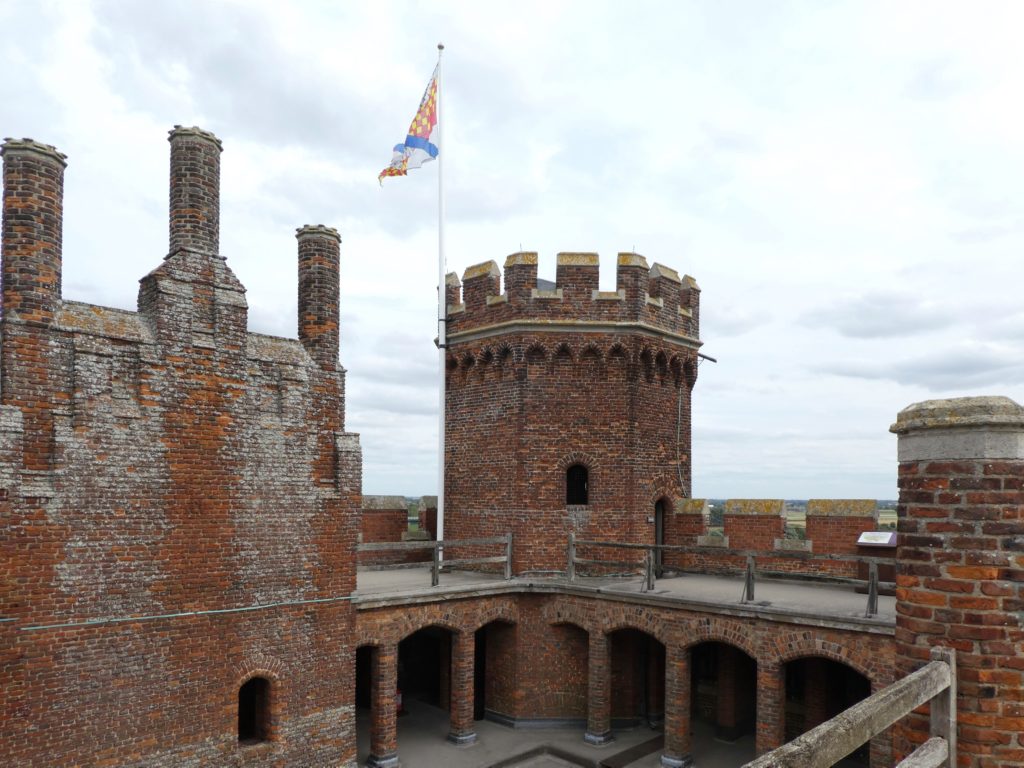 And oh what a view
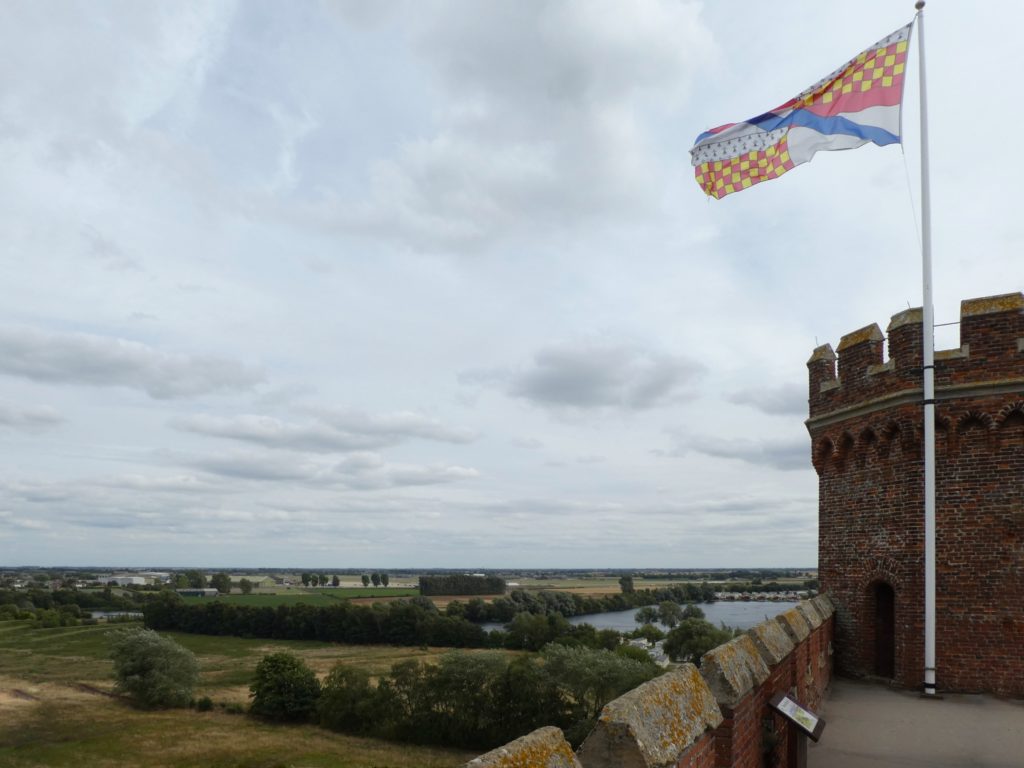 Looking south east, we could see the white buildings of RAF Conningsby and the water park lake.
 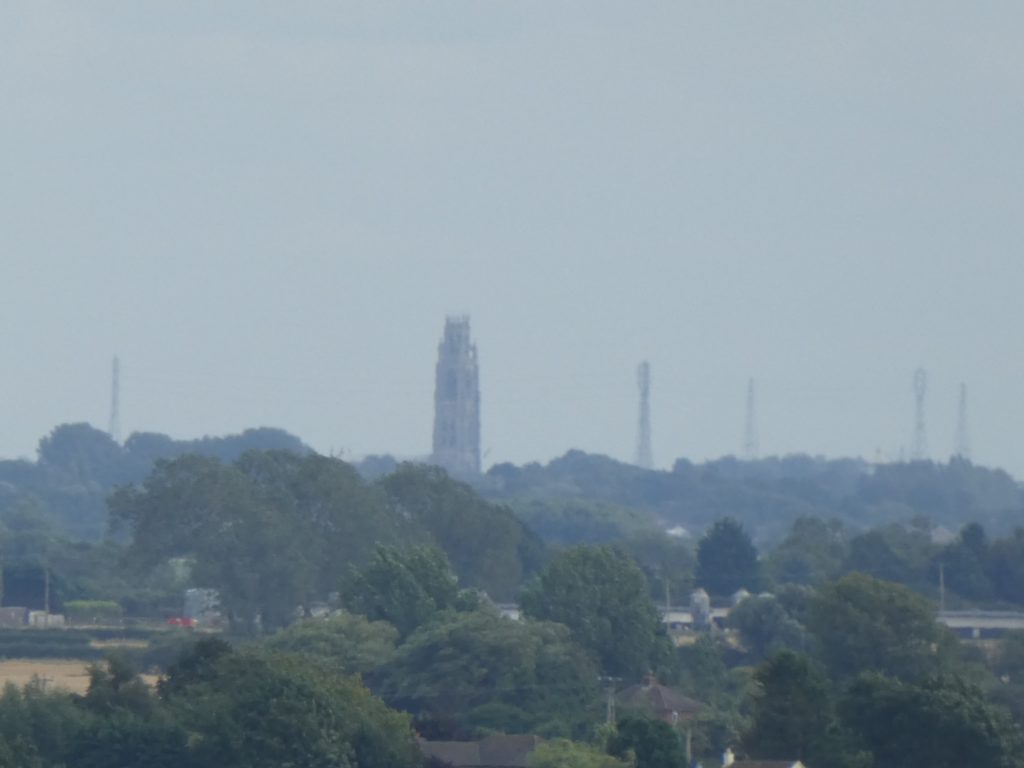 And in the far distance, about 11 miles away was the Boston Stump.
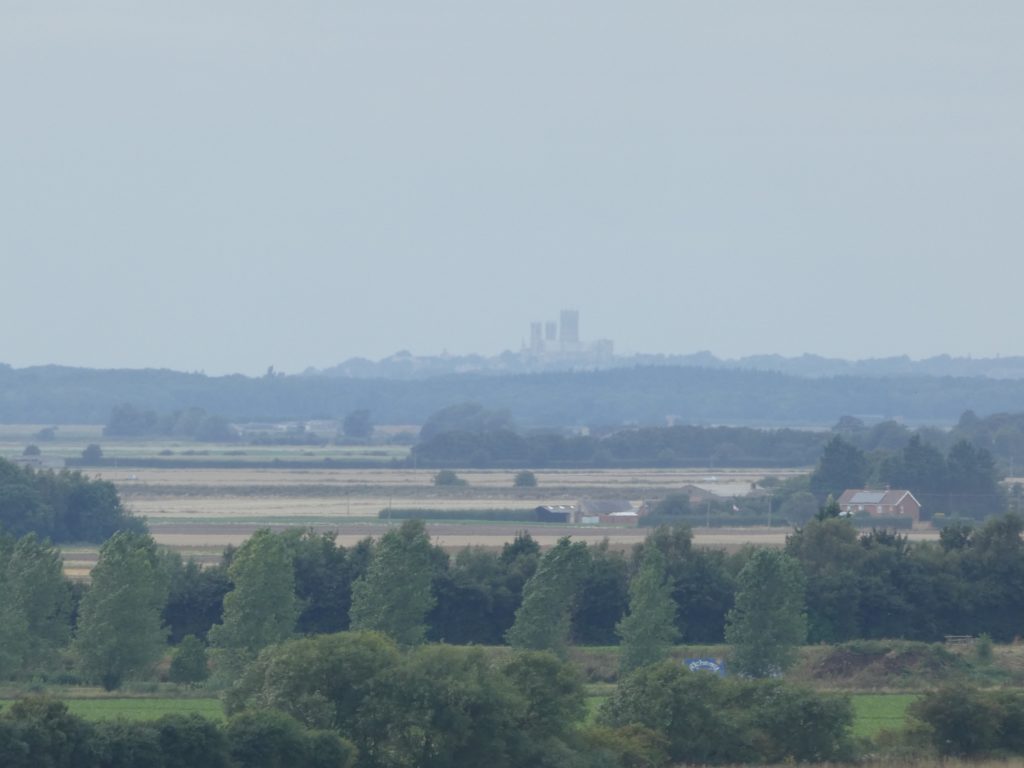 When we looked to the north west, Lincoln cathedral dominated the skyline about 20 miles away.
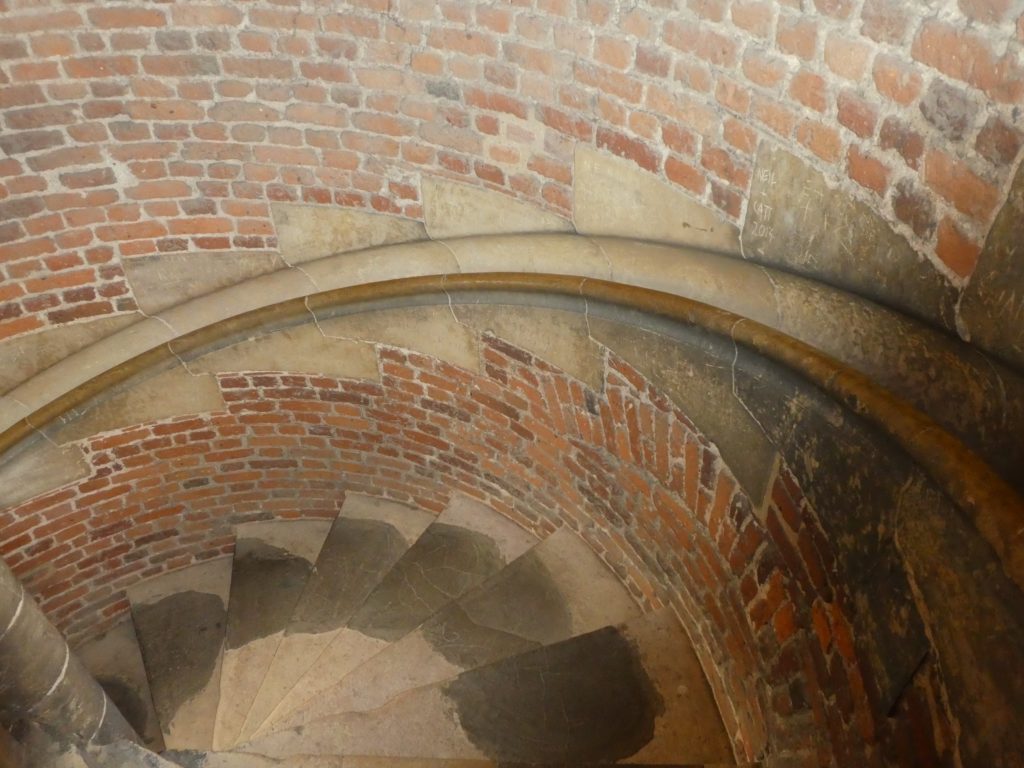 Coming down the steps was much much easier than the Boston Stump, the handrail was smooth stone set into the bricks.
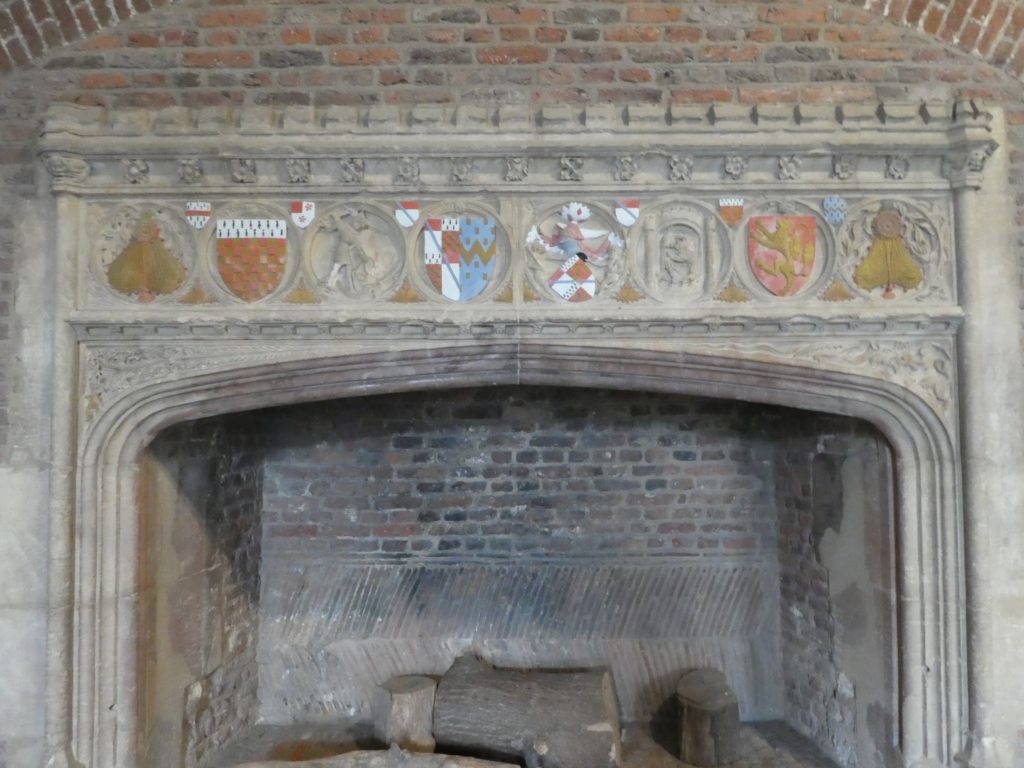 One of the notable features of Tattershall castle are the 4 magnificent stone fireplaces. I reckon if they had been a bridge we’d have got Firecrest through with room to spare. We are lucky to still have the fireplaces, because the castle had fallen into disrepair and the NT declined to purchase the building. In 1910, just before it was about to be demolished, the fireplaces were sold to the Americans, but a local vicar contacted the philanthropist, Lord Curzon. He stepped in and purchased the castle for a few thousand, and demanded to know “where were his fireplaces”. After a bit of detective work he found they were sitting at Tilbury docks awaiting their passage. Luckily he had the funds, from memory about £5000 but definitely more than he paid for the castle.
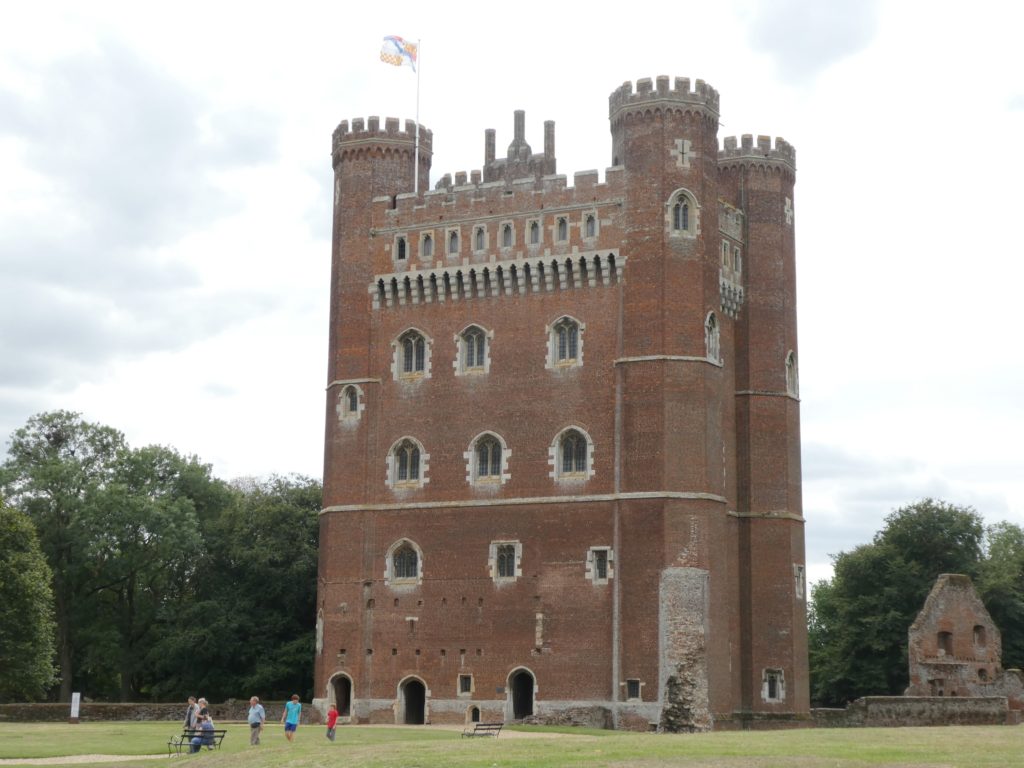 He was able to buy them back and he restored the castle at his expense before bequeathing it to the NT after his death in 1925 for all to enjoy.
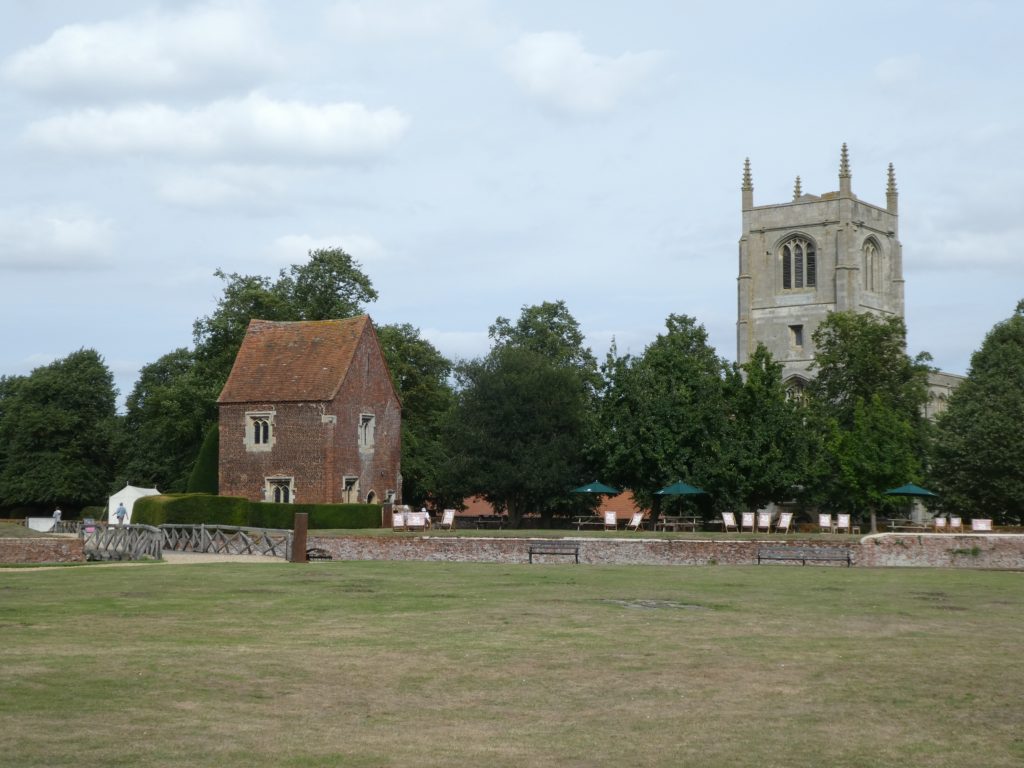 Across the moat, is Tattershall church,
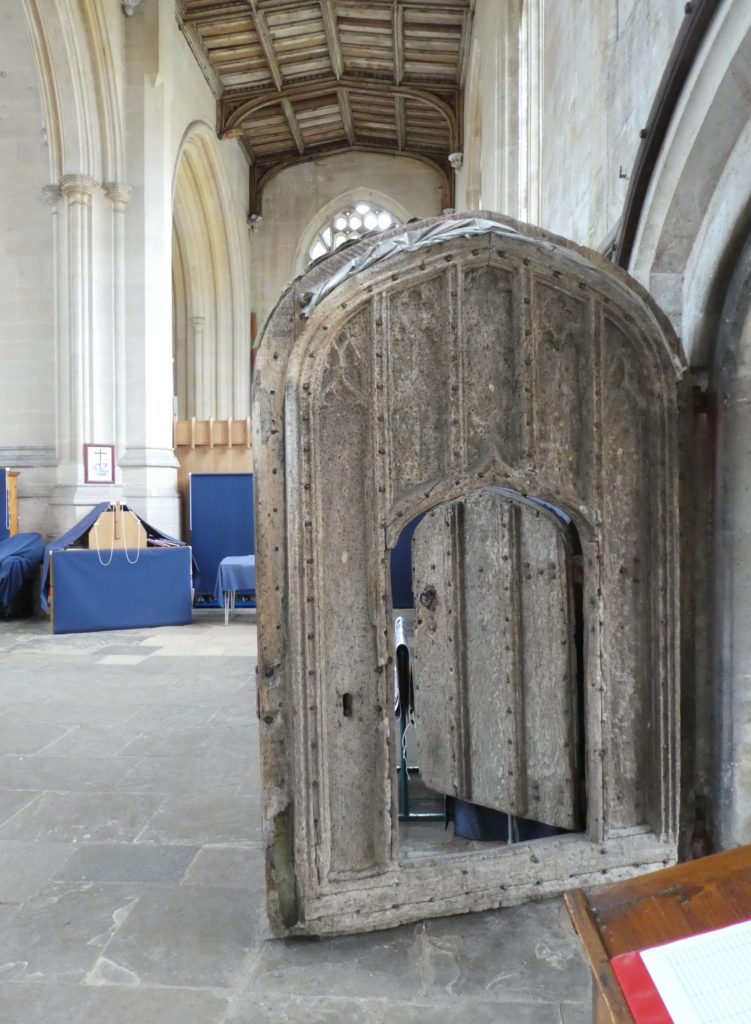 which has interesting tales to tell. You might be able to see the furnishings are draped with blue cloth. This is because the church is home to a colony of bats. Not just in the belfry, but throughout the whole church, and the evidence was clearly seen. Whilst I admire wildlife preservation, I think the novelty of bat poo in a well used building would wear rather thin in my opinion. But the bats aren’t the churches only claim to fame
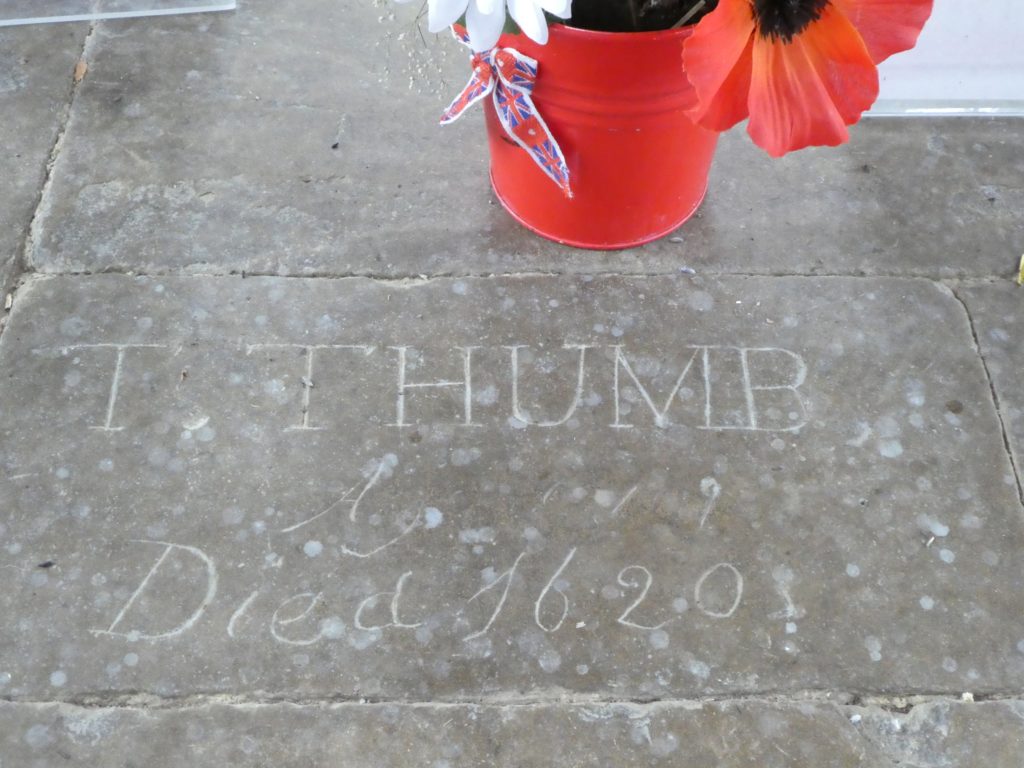 It is where Tom Thumb is buried. He died in 1620 aged 101. I make no claims about this tales acurracy.