Turning Right

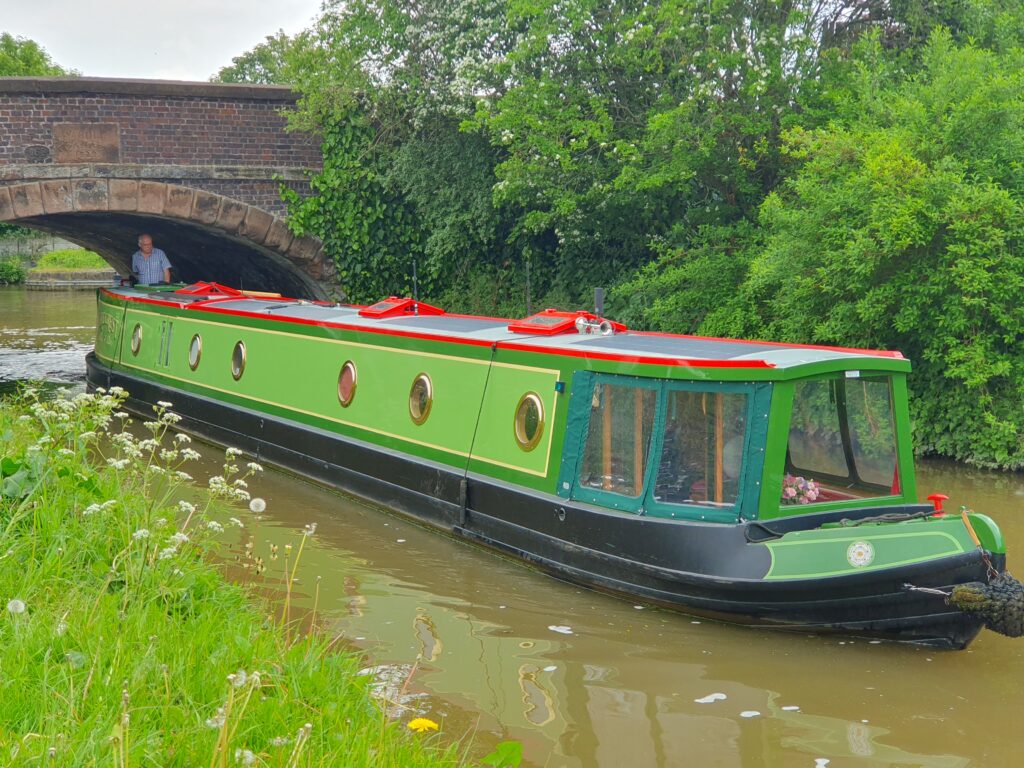
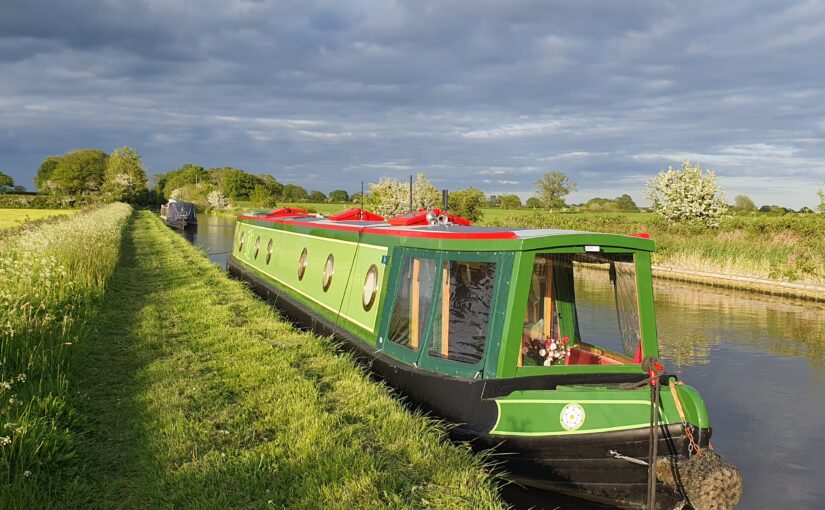
True we thought we’d be going south, but the lure of a week in Chester proved too much, so we turned right at Barbridge Junction. Onto the Shroppie and headed the 15 miles north for a bit of a holiday

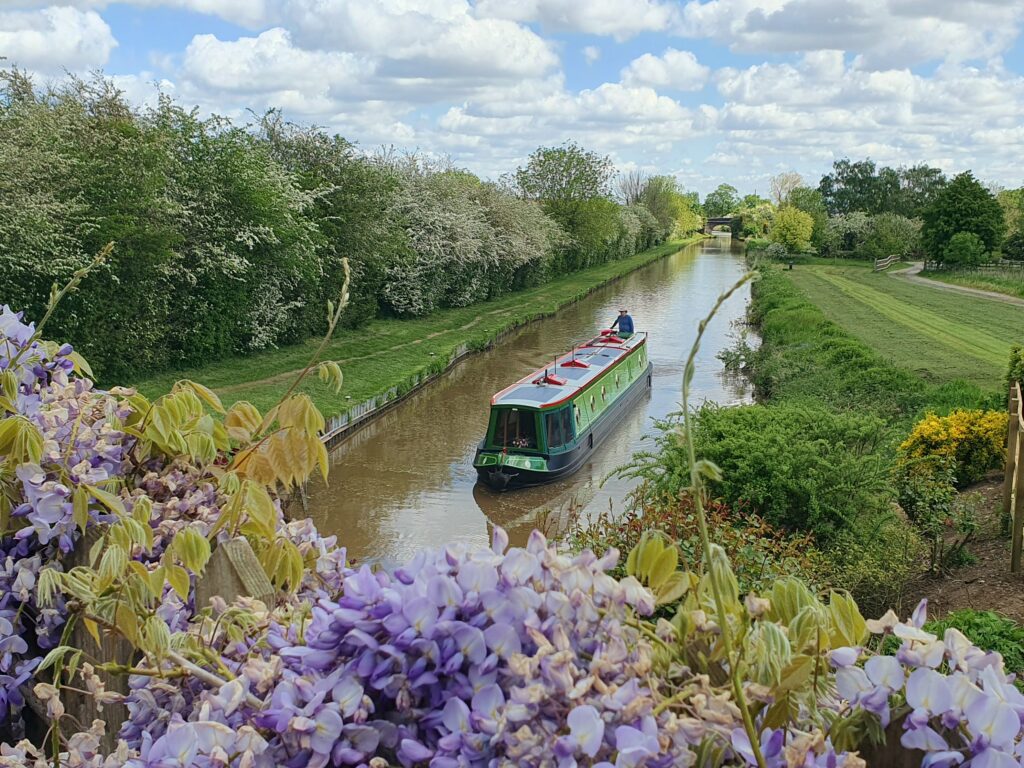
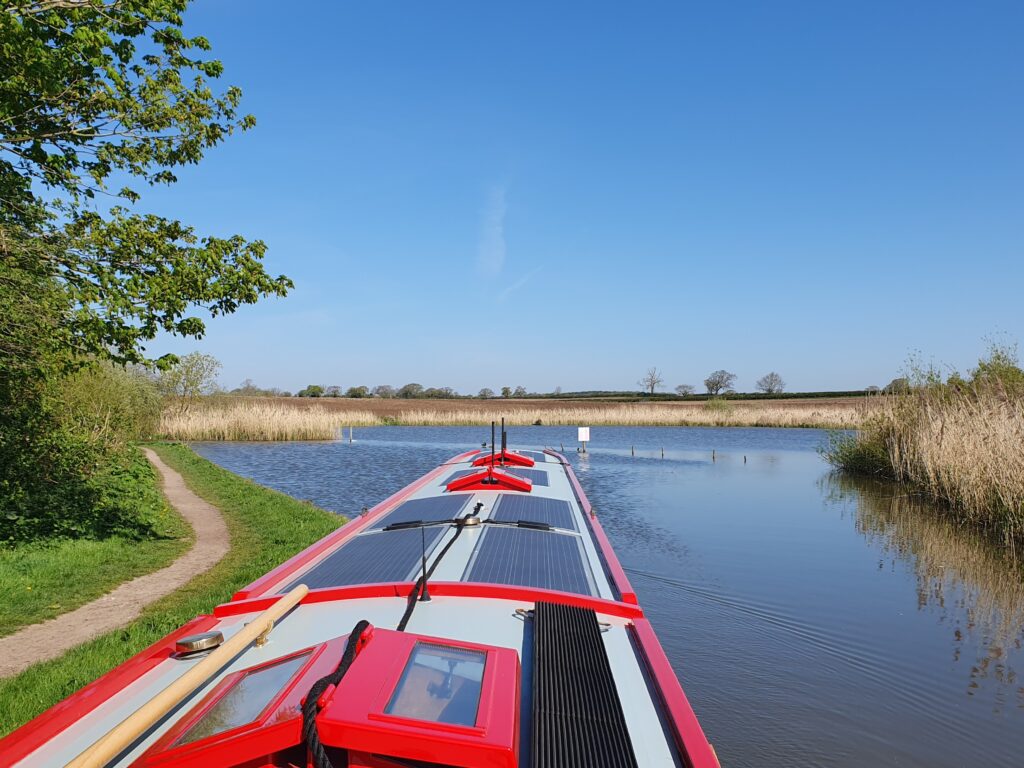
Turning right onto the Shroppie

We spent a night at Calverly getting to know the resident swans offspring,

before tackling the 11 heavy double locks. As this was before the recent heatwave we were playing chicken with the rain clouds and gale force winds. One minute it was beautiful blue sky, then those heavy laden cumulus clouds appeared over the horizon and in true Hollywood style we rushed towards each other and got soaked.

Will we get wet or not

But we mustn’t complain, the canals and the farmers still need the water.

Green shoots

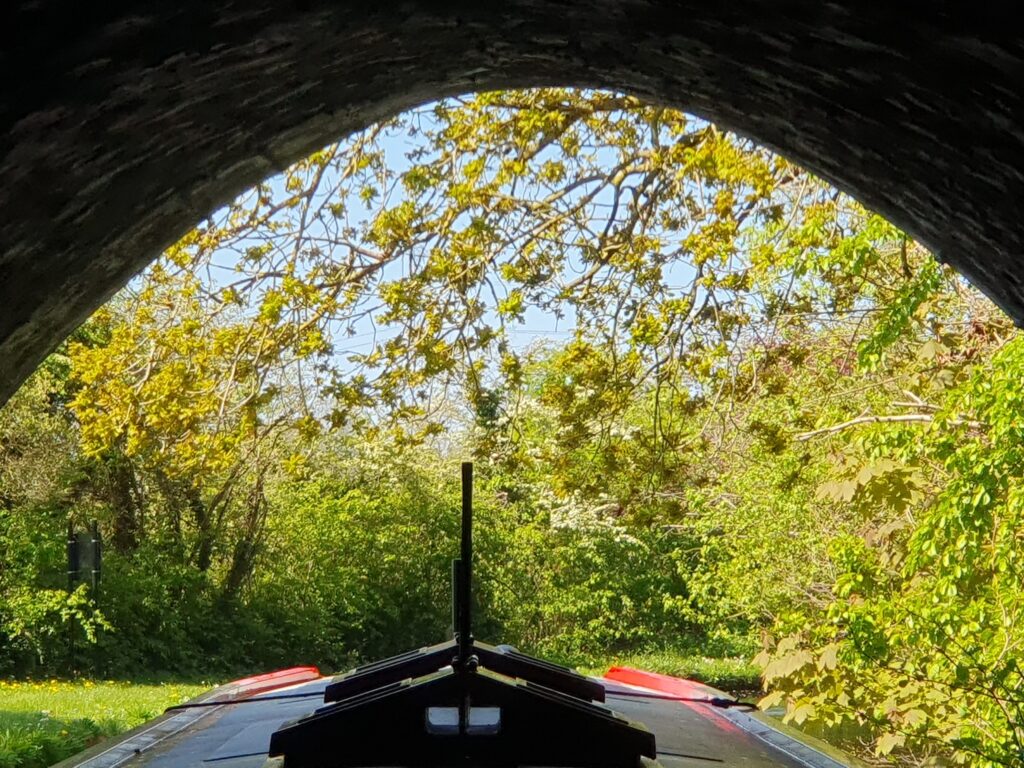
However we got lucky with the heavy locks and buddies up with some happy holiday makers who were more than willing to share the load, so we made good progress mainly in the dry. We broke our journey with a good view of Beeston Castle through the round window.

Beeston Castle from the boat

We did attempt the obligatory treasure hunt but the ground had become so soggy that it wasn’t much fun and we assumed that the missing royal gold, Richard II is said to have tossed into the castle’s 370′ deep well must have dissolved by now. At least his reign as monarch dissolved as he was defeated in battled and Henry IV siezed power in 1399
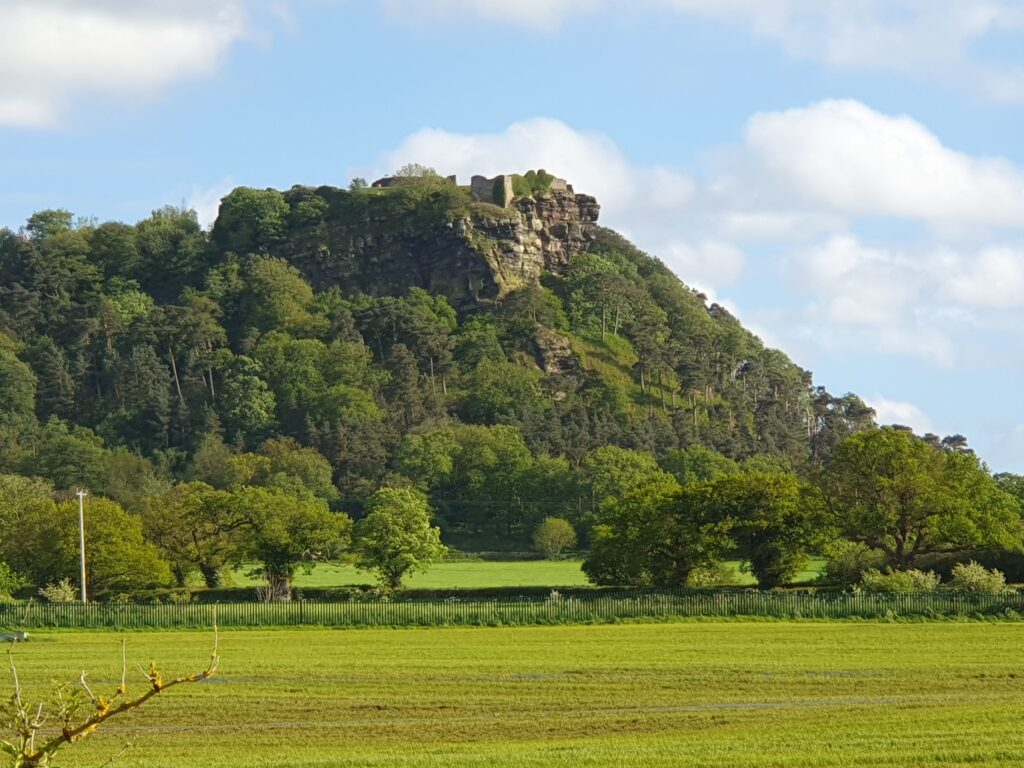
Beeston Castle from the canal

Beeston Castle might be a lovely place to moor for the views but alas we get lousy WiFi reception there which isnt much fun when its too wet and windy to cruise. At least we got a nice sunset on our second night there.

We gritted our teeth as we cruised at tickover through the Golden Nook Farm linear moorings. There are roughly 130 boats moored along this mile and a half stretch, and unlike the endless scruffy boats that hog approaches into London, this does look like a nice friendly place to live. With a lovely view of fields over the canal.

That’ll be the Welsh hills in the distance

They even have their own bus stop, although I’ve yet to see a red double decker cruising this way.

Is this the most photographed bus stop on the canal- probably

Again we got lucky sharing locks on our final approach into Chester, and even luckier finding a spot on our favourite mooring. Under the walls at King Charles garden-Charles I that is not the III.

New Directions

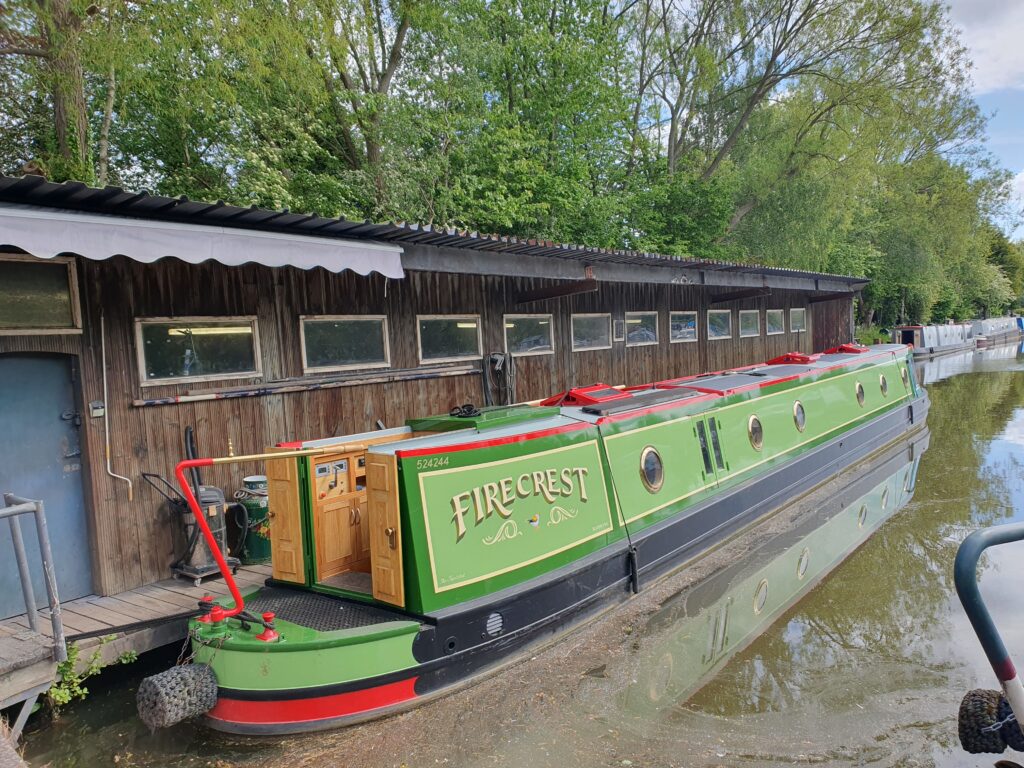
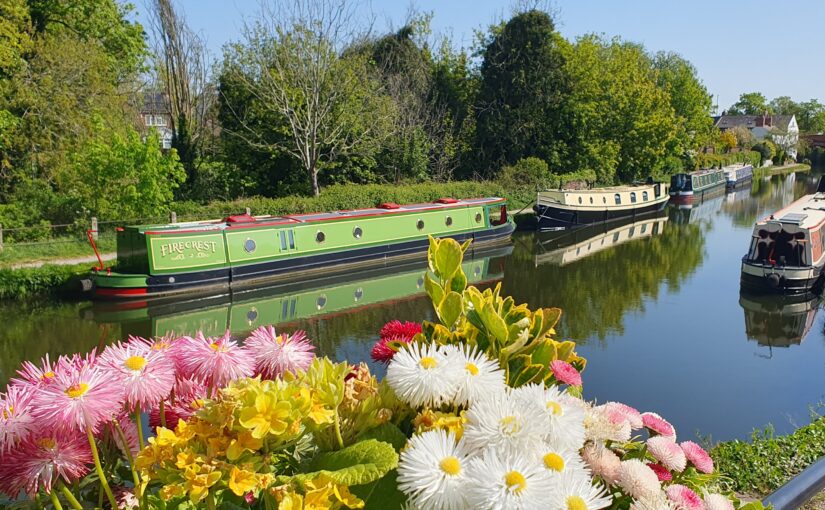
Despite some lovely cruising and fabulous scenery, we hadn’t really wanted to return to this part of Cheshire for a while. But when we realised our portholes were leaking last October, (almost the first heavy rain we’d had since Firecrest was repainted in the March) Nick drove out to see us and assess the problem. Between us we came to the conclusion it was to do with the lacquer Eric had used to polish the brass adhering to the sealant. The solution would be to remove the portholes and clean off the offending compounds, and reseal them. A job best done at the Paintshed, Uplands Marina. So this has been our first destination of the year.
Not a scratch on that beautiful paintwork

At this point we’d like to stress that we in no way blame poor workmanship for the problem. Nick and his team have been nothing but helpful and have our absolute confidence. Lessons were learnt by all of us, and the team patched us up beautifully in just a few hours.

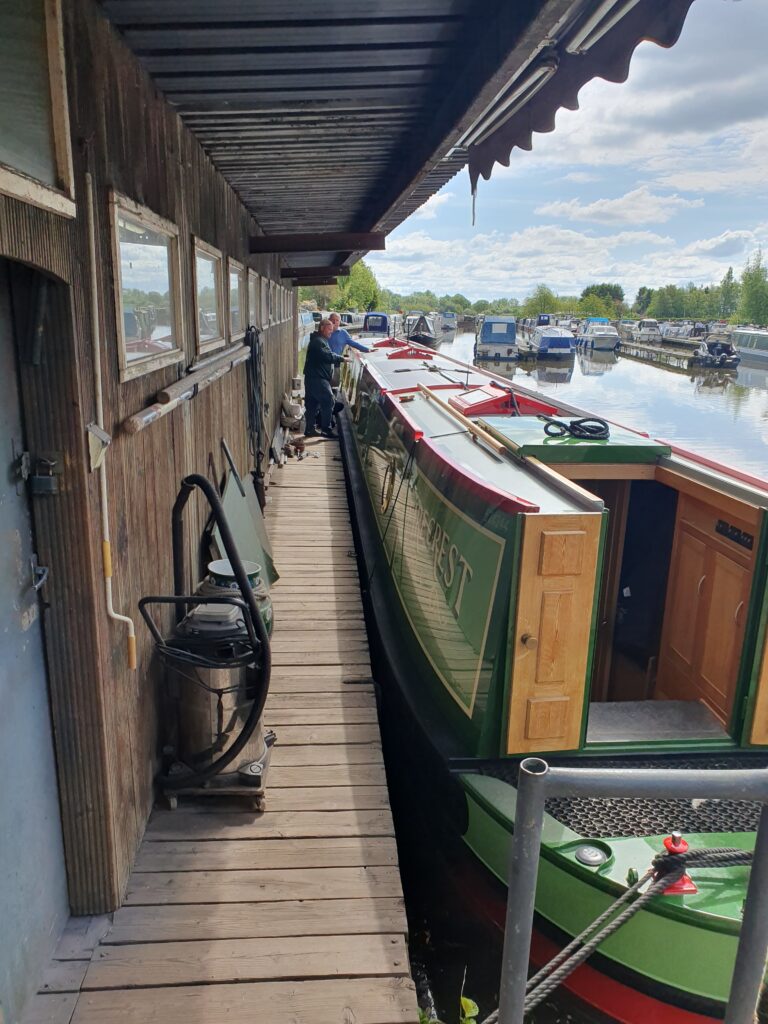
Very important discussion in progress, probably about the solar panels

With our necessary maintenance seen to, it was decisions time. Plan A was to be on the Leeds and Liverpool by April, going via the Macc, through Manchester and back onto the Bridgewater before hitting the Wigan Flight. But it was now May and we’d already “enjoyed” a dryish April so what with our slow pace we were  unlikely to get to Wigan before end of May. Plus I’ve got some commitments which will restrict our cruising in June. With those time constraints and the Leeds and Liverpool being a canal that invariably suffers with low water levels, our conclusion was that we’d missed the boat. We almost certainly would be able to get onto the L&L but would we be able to get off later in the year? A risk we weren’t willing to take this year.
We would turn right onto the Middlewich branch and aim for the Shroppie

Goodbye T&M, hello Wardle canal, aka the Middlewich branch

I love this stretch of canal it’s quite wide, and theres some pretty moorings with good views.

Those clouds look like they’ll test the new seals …. and they did and all was good.

the locks are easy, although in previous years, I recall us being in a 10 boat queue to get up through Minshull lock

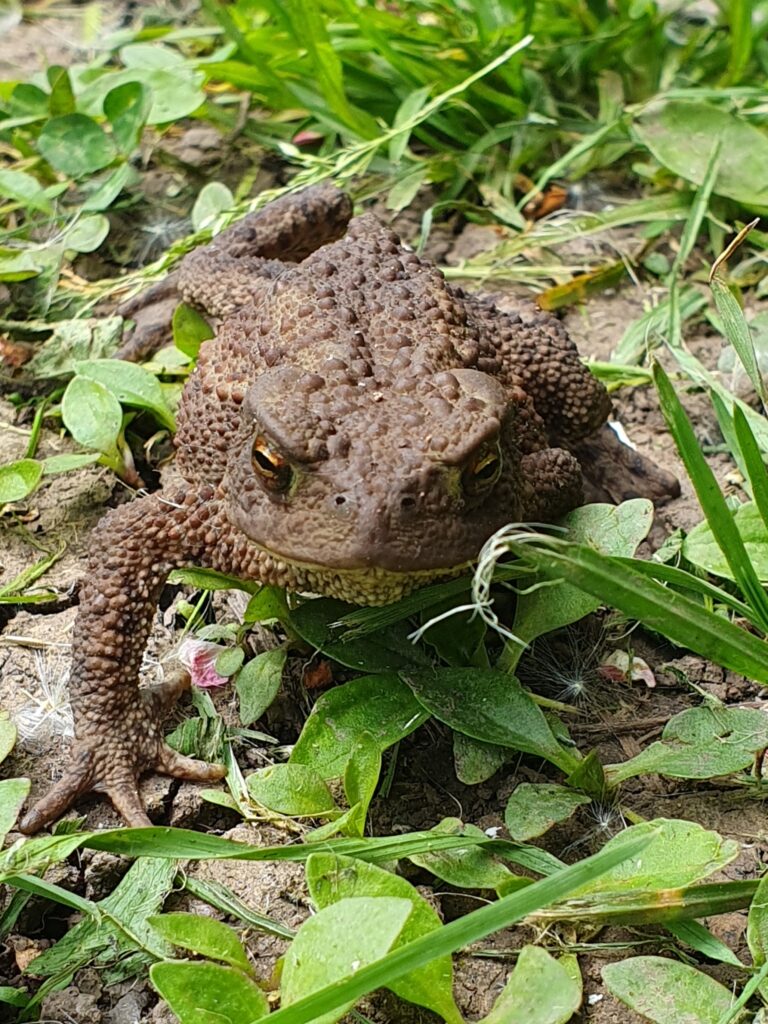
And the locals are friendly. Mr Toad’s self defence is to freeze, which although I had no intention of eating him, or kissing him for that matter, makes him easy to photograph.

Ribit ribit.

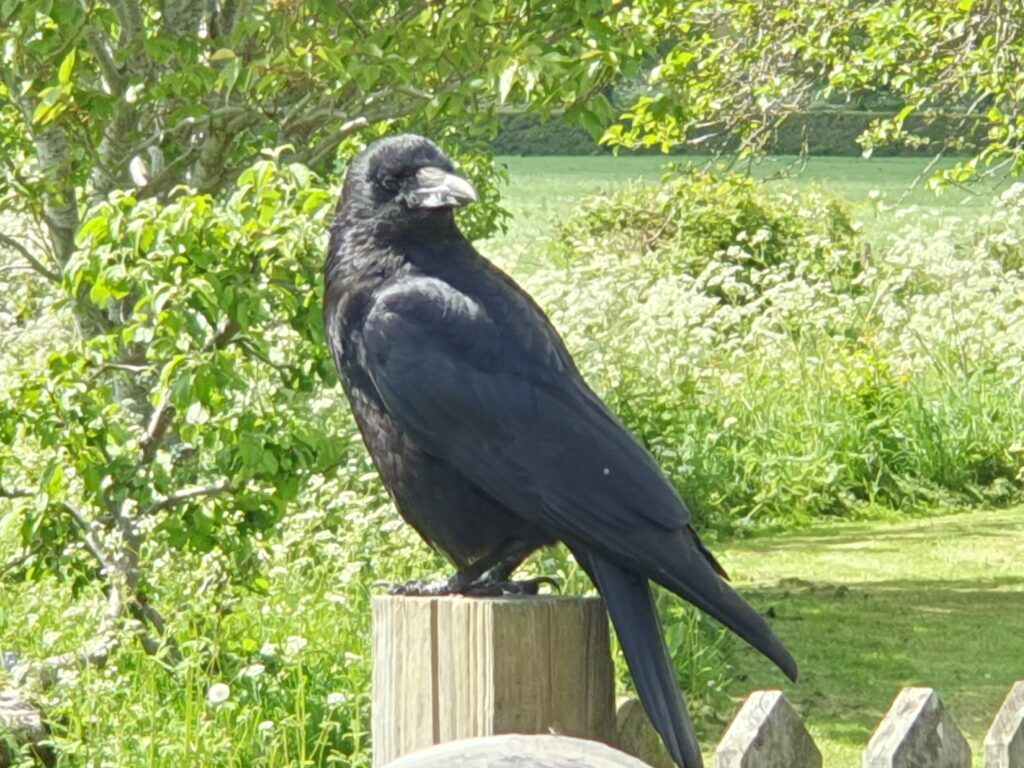
Everyone wanted to watch the world go by, the crow was happy to watch while I worked the lock

I always have to look up the difference between a crow and a rook. Crows are all black around their heads, Rooks have a band of grey feathers on their face

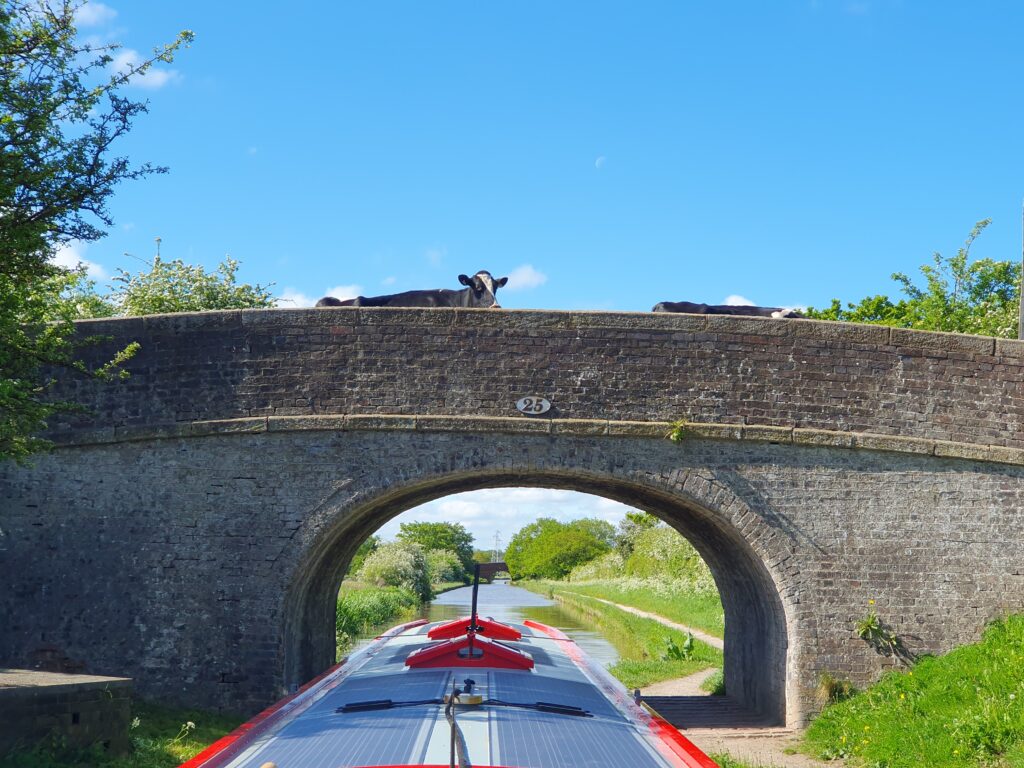
And the cows were triptrapping over the bridge.

Moo to you too

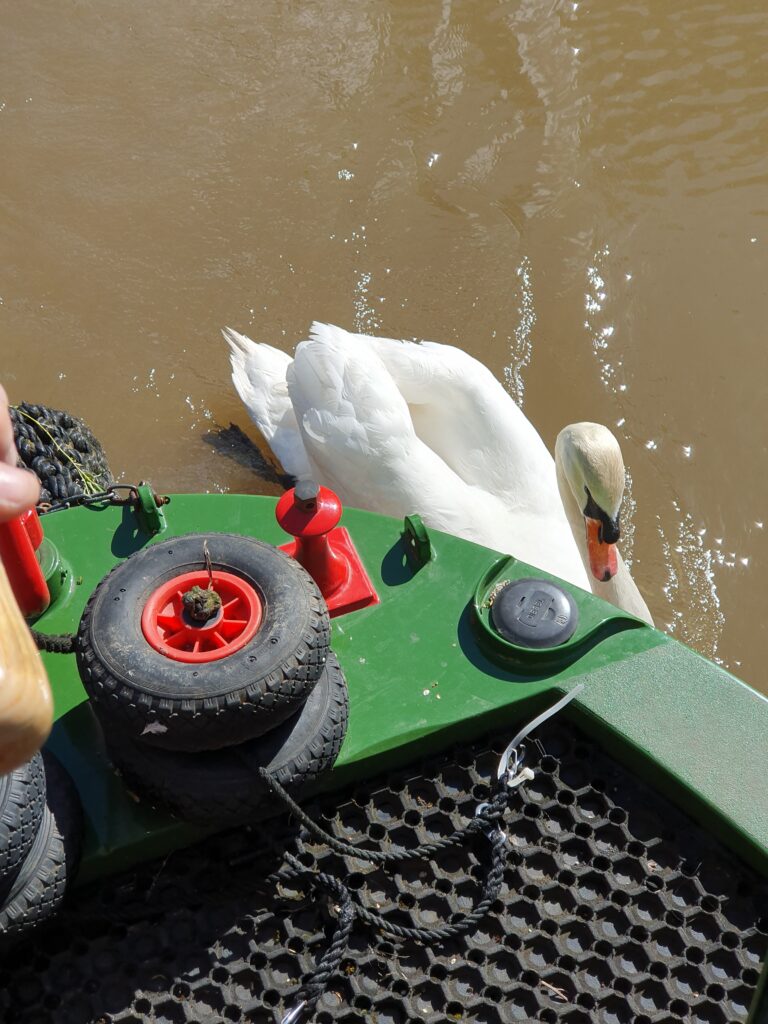
But the funniest bird of the day was this swan, who tailgated us for about 15 minutes. It became very obvious he was enjoying riding the wake, if Eric moved the tiller, swanny would move to the otherside where the water was more turbulent.

One happy swan

And when we cruised past Ventetian mariana, their famous big fish were basking in the warmth at the surface. They looked a bit like koi carp, probably 20 inches long and 20lbs and were enjoying being fed  by someone from the cafe.
We’d taken 3 days to do this 10 mile canal, and reach the Shroppie, we’d planned to go south….

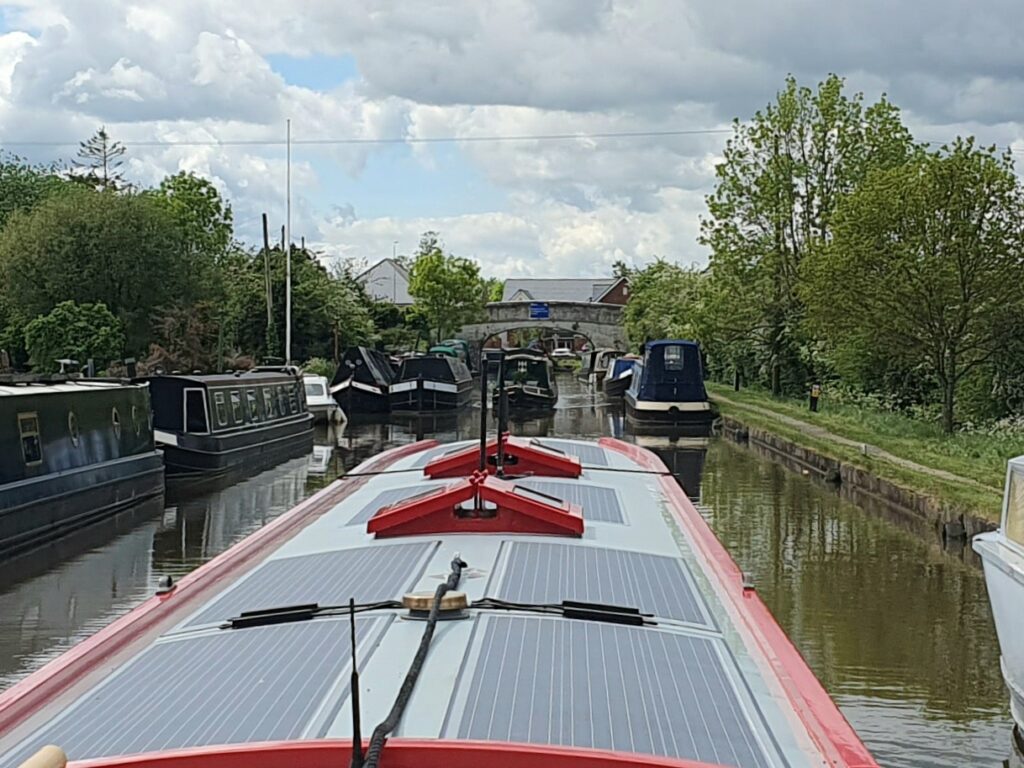
Yes there is room for us to squeeze through

A Salty Story

Cruising through this part of Cheshire throws up some interesting comparisons. Many many years ago, before canals were invented. (About 220 million years to be exact), this part of Britain lay under salt marshes caused by the sea flooding inland. Eventually the marshes dried up and left behind beds of rock salt, which in turn the Celts and then the Romans took advantage of. Building up settlements around the natural salty springs, they could process and produce a valuable commodity. The rest they say is history(or geography or economics) . The towns of Northwich, Middlewich and Nantwich all prospered on the salt beneath them. “Wich” being the commonly associated Anglo Saxon word used as a suffix for salt towns. (Although, more correctly the suffixes, wich, wick, and wyke refer to any settlement built up around a specialised industry). Even the canals bear the legacy of the salt mines, not only benefiting from a highly profitable route, but suffering from ground disturbance creating flashes. Most flashes are now stand alone lagoons but some have breached the canal bank causing tempting wide areas to explore…. but woe betide any foolish boater straying too far, for here be dragons lurking in the shallows. Best admired from the well dredged main channel.

Croxton Flash

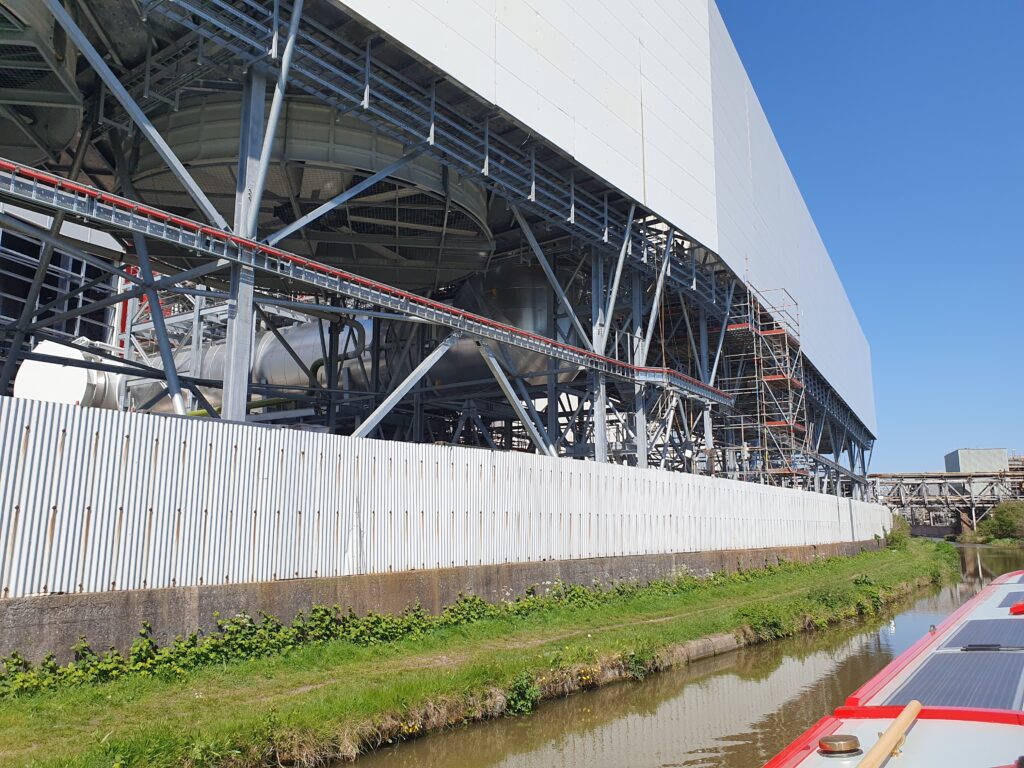
As we get to the outskirts of Northwich, we come across the Tata chemical plant at Lostock. This imposing industrial site straddles the canal with a jungle of steaming hissing pipe work and forbidding structures.

Not a place to linger

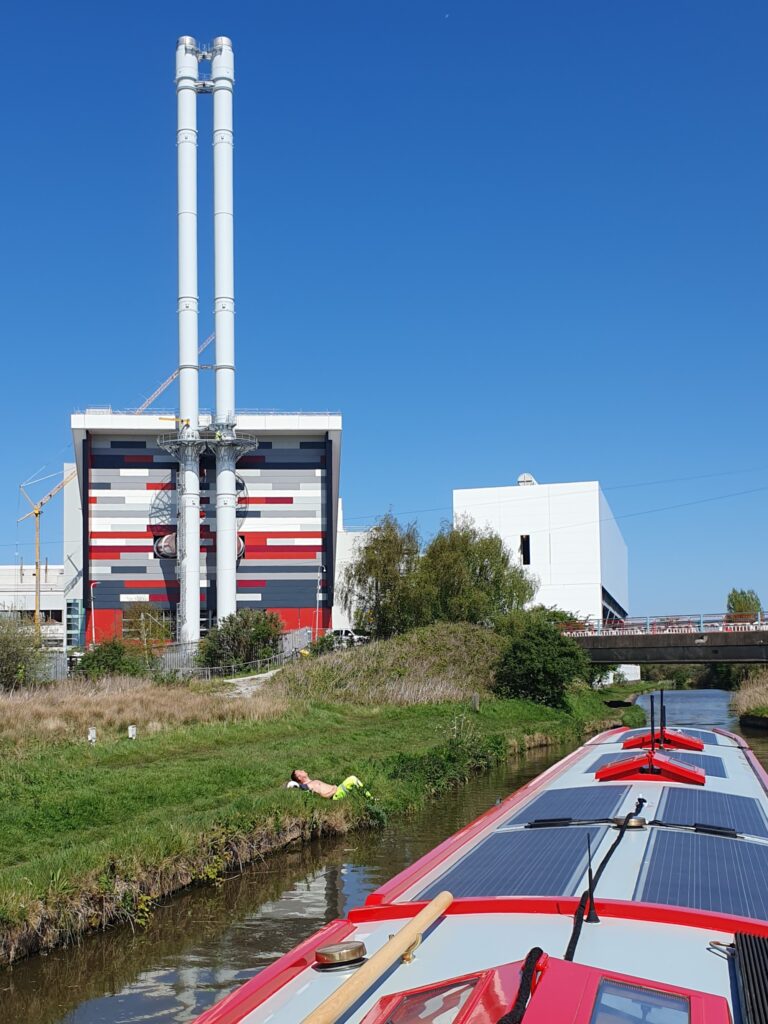
Over the past few years, we have watched the progress of new building work, which is looking almost complete. Only to discover that this colossal building with a colour scheme copied from Firecrest’s roof, is nothing to do with salt but is actually the new Lostock Sustainable Energy Plant. Their website is an easy read with some interesting facts.

Lostock Sustainable Energy Plant

Basically, it’s a waste inceration facility, that utilities modern advances and technology to capture and reduce pollutants and generate enough electricity (About 69.9mw) for a town twice the size of Northwich, at the same time as reducing landfill by 600,000 tonnes every year.
We are fans of this sort of joined up thinking, but oh boy the fans they have on site look mighty powerful. I bet they’re noisy when they’re running.

Despite our love of the tranquil green countryside, there’s always something strangely compelling about cruising through an industrial site. The public don’t generally get to see it so closely from the main roads.

Part of me would love to take a guided tour around the complex to see what happens inside, but whilst it may not be top secret, I guess it’s not built for easy public access. Especially if the only way to reach the top is to scale the walls in a harness, as we spotted this person doing.

Opposite the Tata site, is the Lostock Brine purification plant.

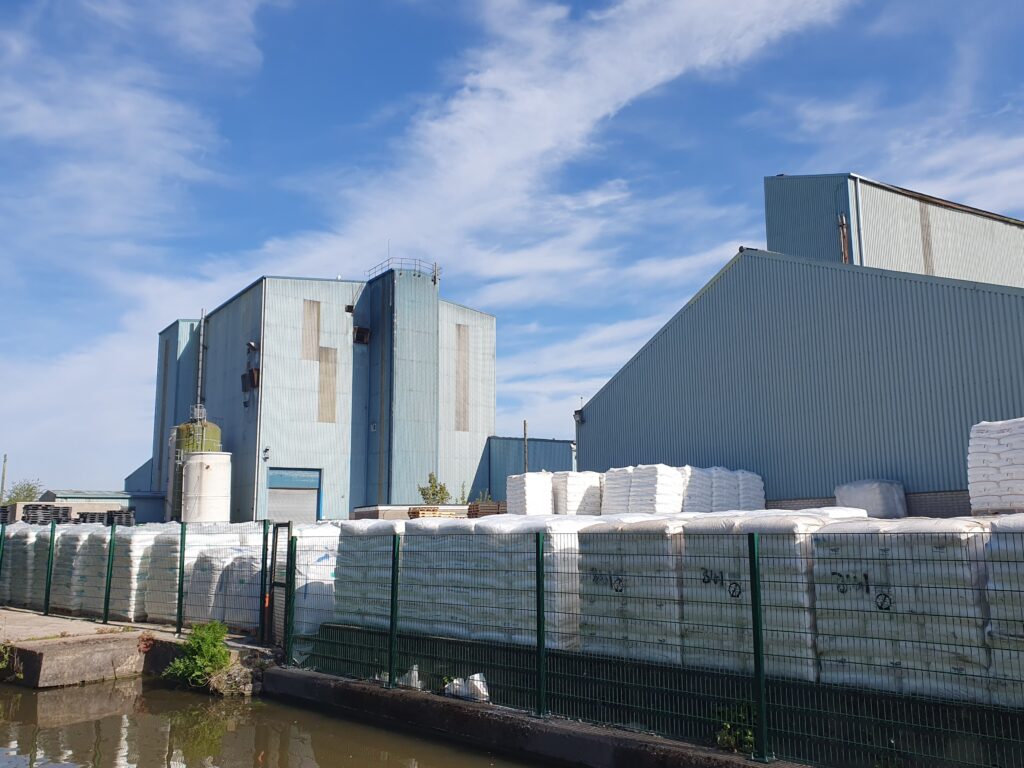
And further down the canal, the bagged salt awaiting transport.  All we need now is some vinegar, fish and chips.

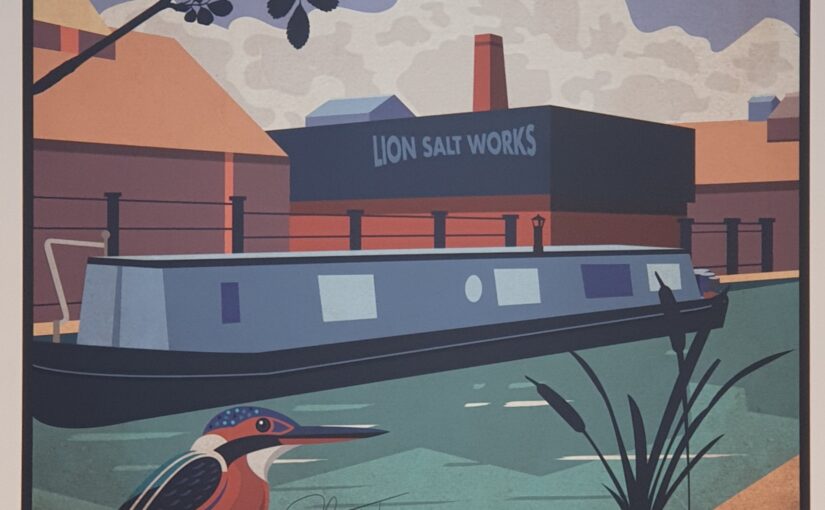
Then we reach the Lion Salt works, where we were able to explore inside.

The Lion Salt Works Museum

This fascinating museum follows the history of salt in the area, from the earliest geology, through celtic and roman artifacts, 17th century salt mining until this victorian site was built for brine extraction.
https://lionsaltworks.westcheshiremuseums.co.uk/
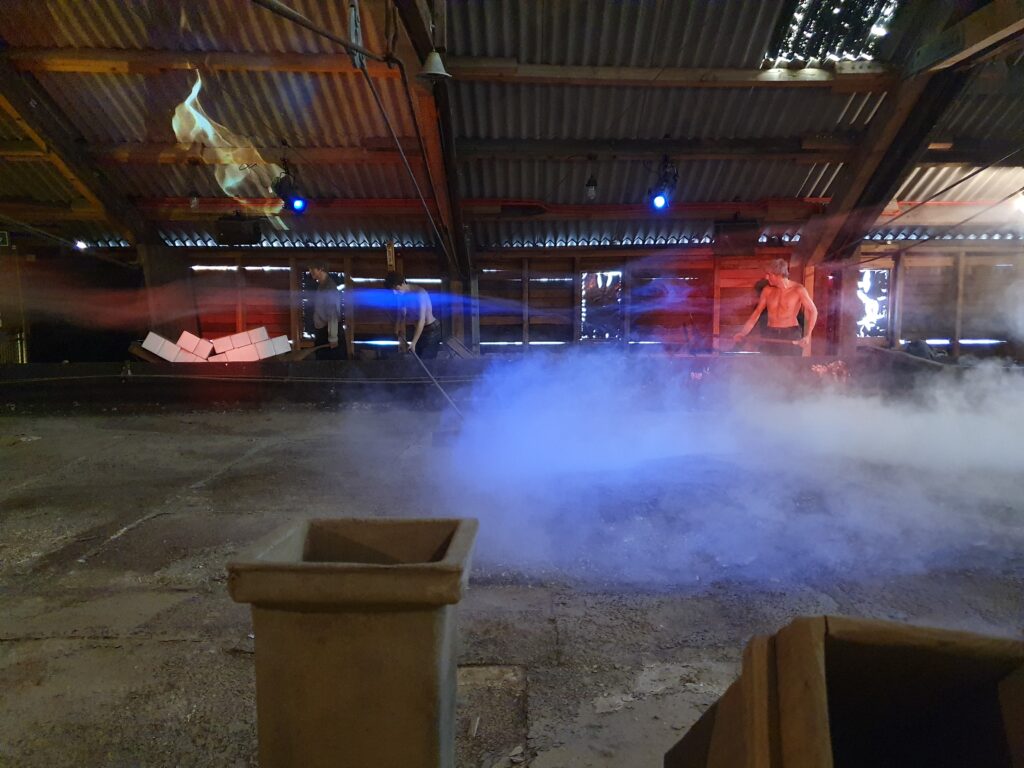
Whereas the modern processing site seemed to be dominated by pipework, the victorians relied upon hard physical labour, but little has changed. Salt is still produced by evaporating the water away to leave the salt behind.

At the Lion Salt works the brine was pumped out of the ground into huge pans, housed in sheds. The precise temperature the water was heated to and the time it was heated for affected the quality and size of the salt crystals. It must have been physically exhausting work. I wonder if those men looked at the steam engines and pumps with the same fascination we do today.

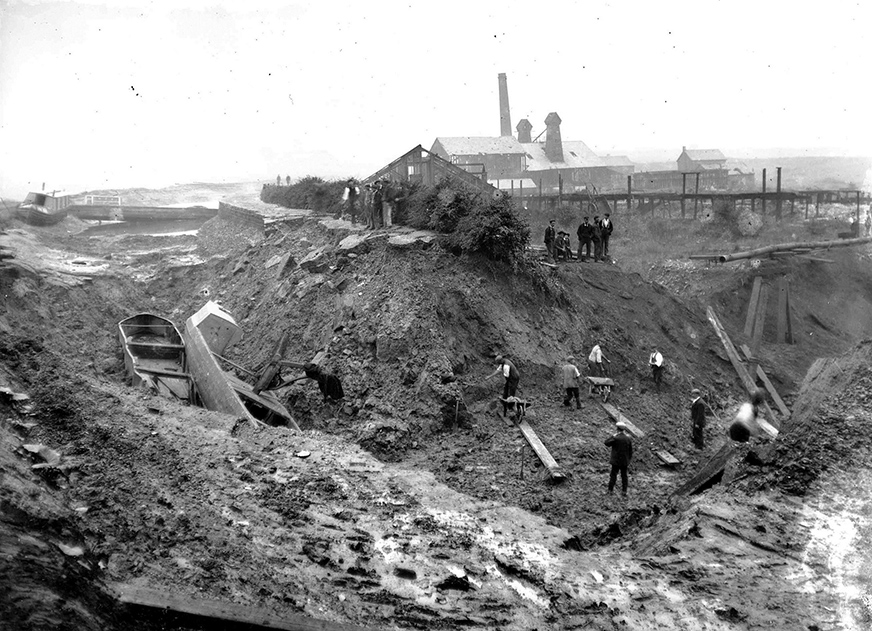
Of course all that underground disturbance lead to some catastrophic above ground disturbances as well. In 1907 there was a major collapse. CRT and Peel Holdings take note, it took a whole 2 weeks to repair and get boats moving again.

Let’s go to Lymm

“…Shall we hang around at Anderton or shall we nip up to Lymm for a few days?” Bit of a no brainer really. The canal is relatively quiet, probably due to the Bridgewater Breach blocking navigation so unless you’re happy to wind and retrace your steps, what’s the point of travelling this way…. because in spring it’s alive with new growth and full of potential.

Especially in the sunshine

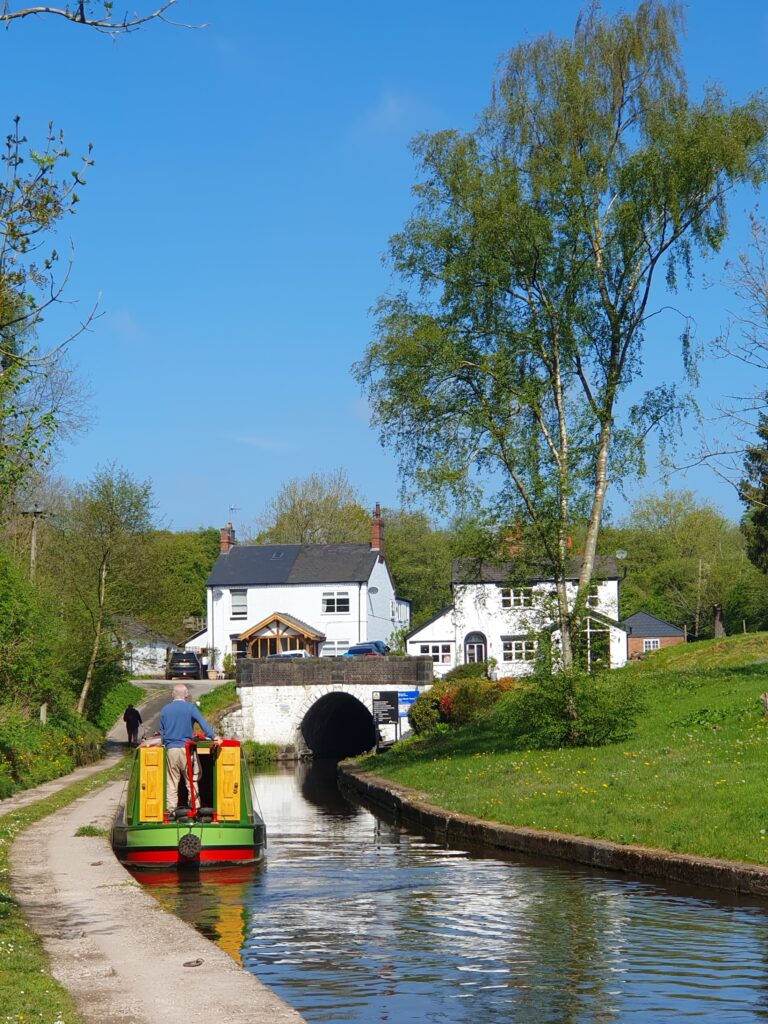
Entering Preston Brook tunnel

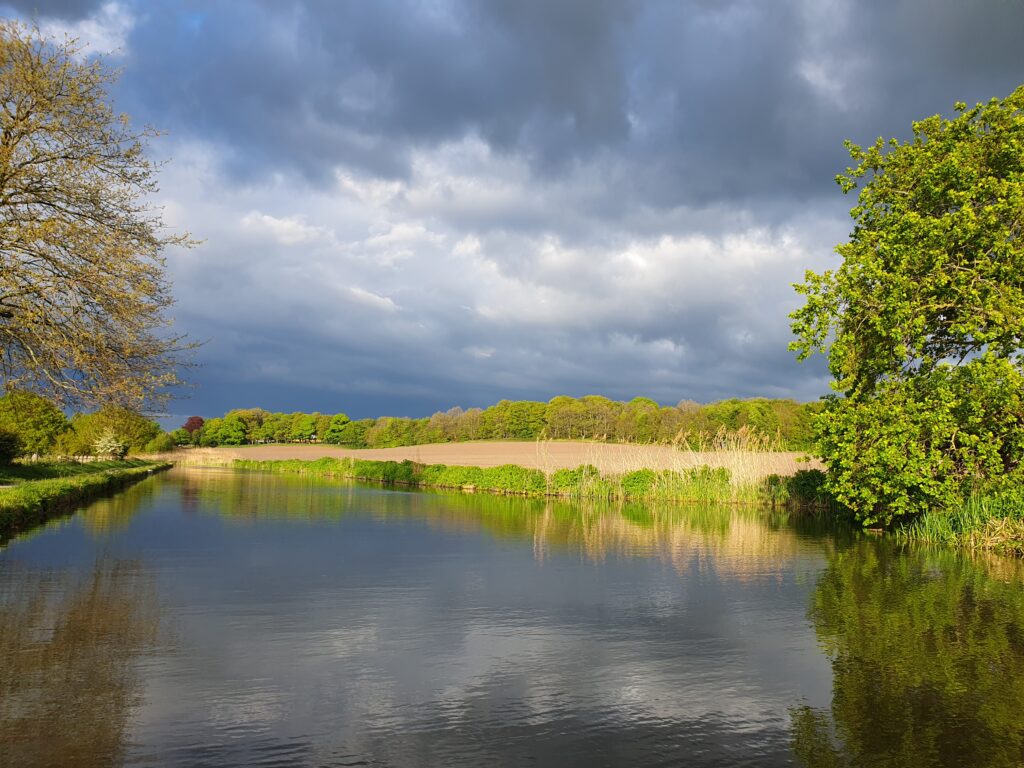
Even the storm clouds lend sense of anticipation

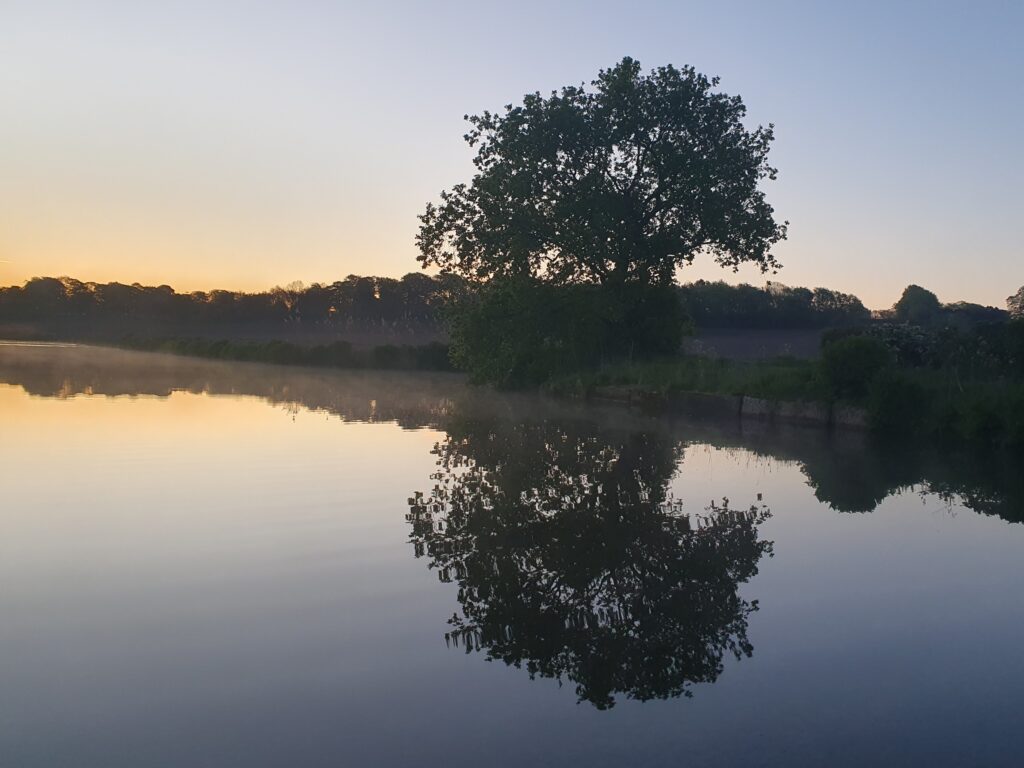
Although I wont deny I wasn’t relieved to see a clear sunrise

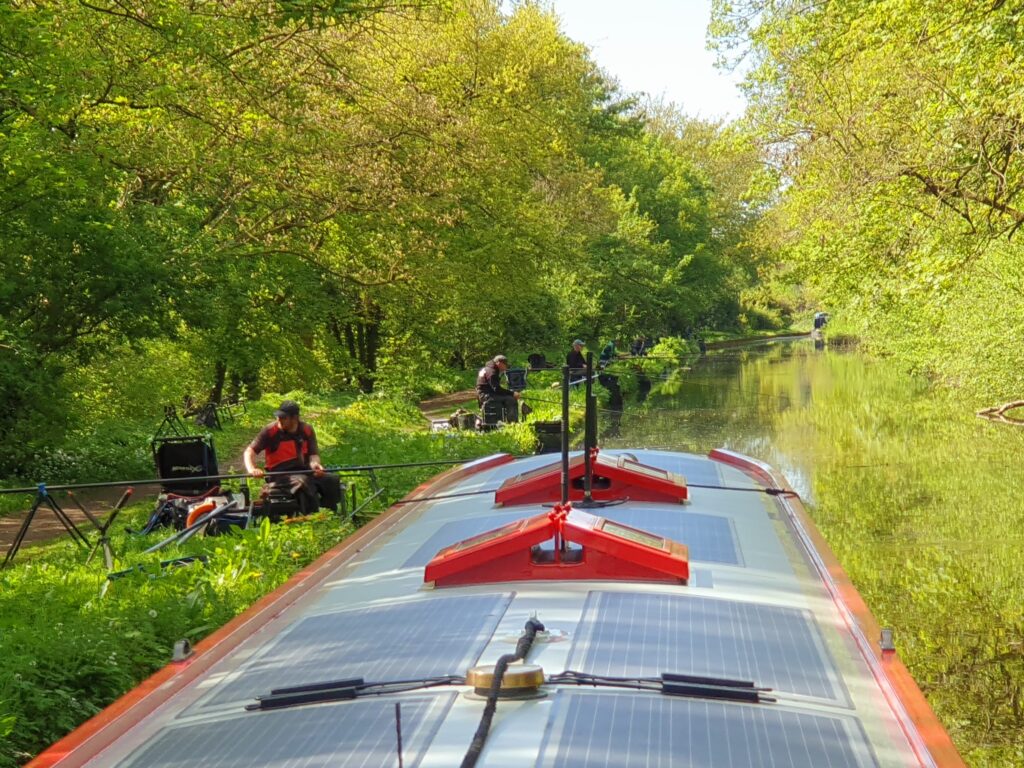
We ran the gauntlet of a fishing competition. Sorry guys

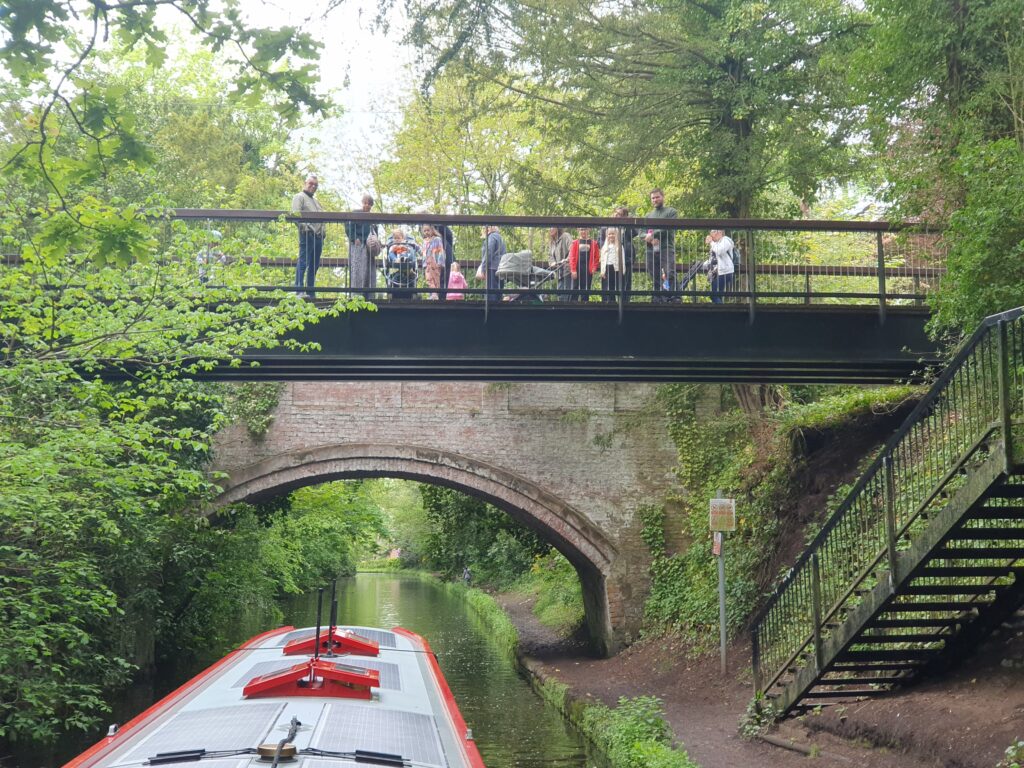
We waved and tooted our horn for the kiddies crossing the bridge

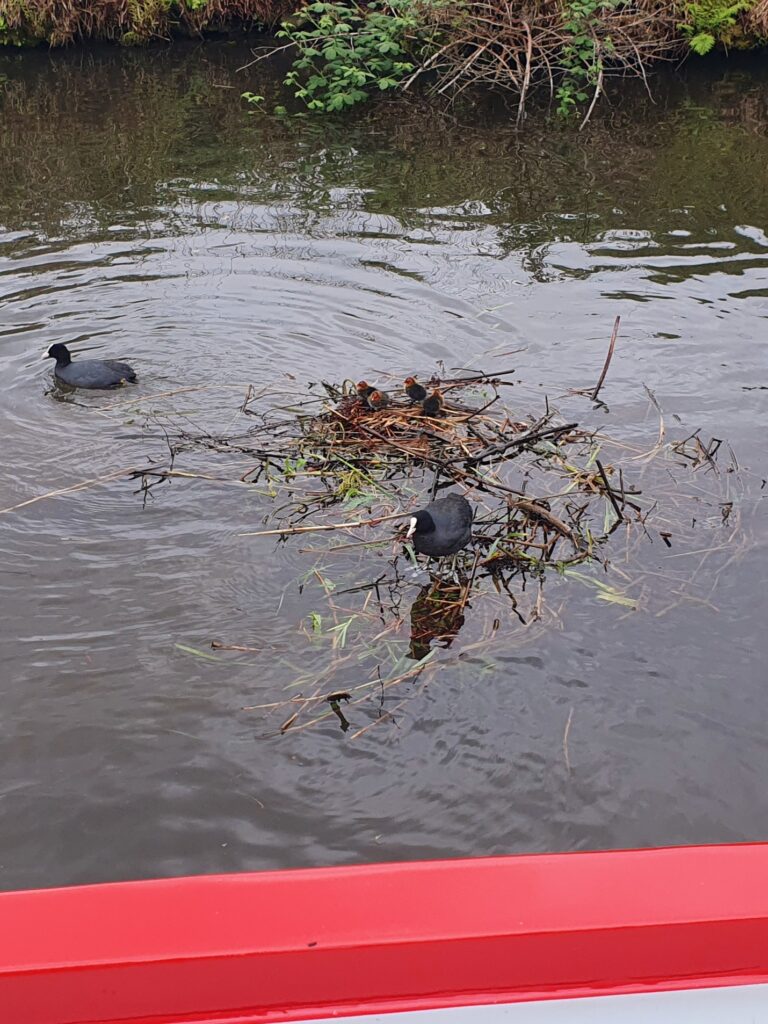
And we discovered narrowboats arent the only floating home, although im not sure a floating nest is the safest abode for your chicks

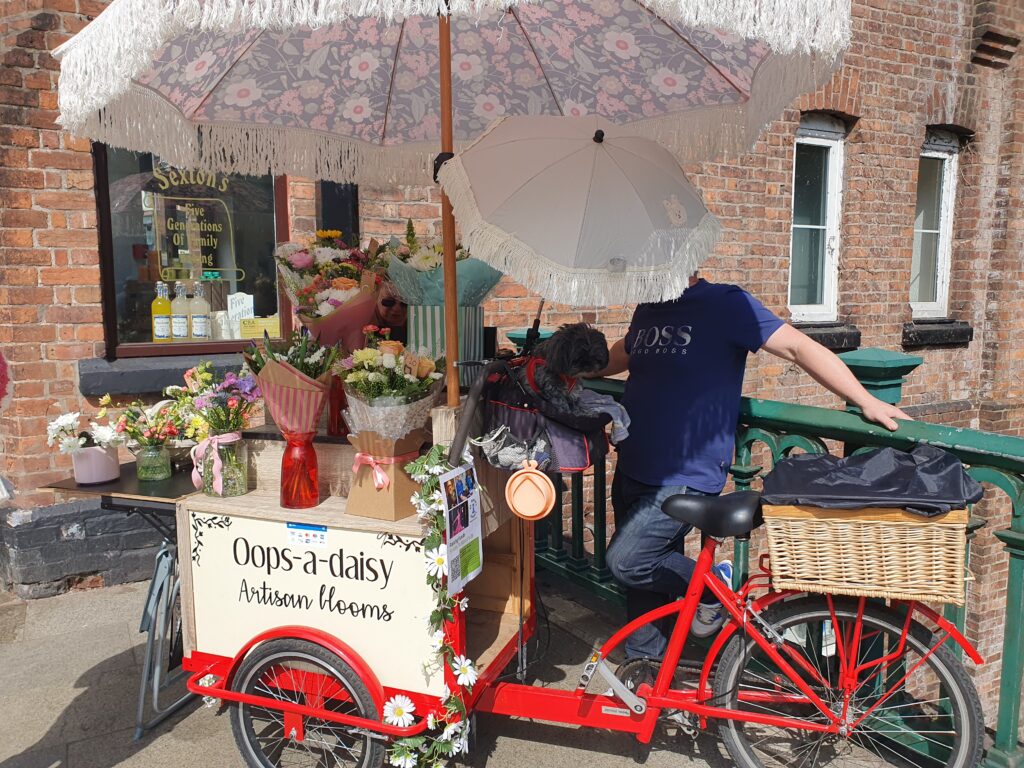
And when it comes to transporting your animals and your business, this mobile florist had set up her stall in Lymm, her pet pooch even had its own sunshade

Lymm ticks all the boxes for us to declare it a holiday destination

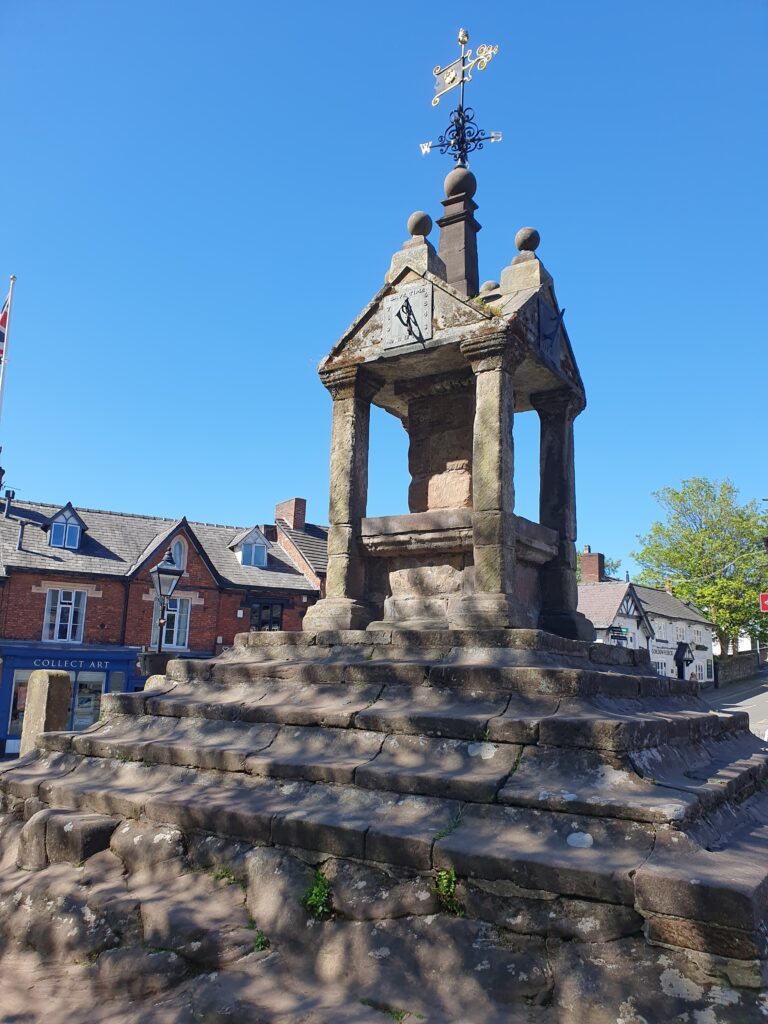
Centred around the 17th century stone cross, the village itself was a hive of activity. Originally agriculture was the predominant occupation, but a Slitting Mill also produced iron nails for the wider community. The arrival of the canal in the 1750’s again increased the prosperity of the growing town. And during the industrial revolution trade became focused on cloth, with the production of fustian, a fabric similar to corduroy. I’ve written about Lymm in several previous posts if you want to know more.

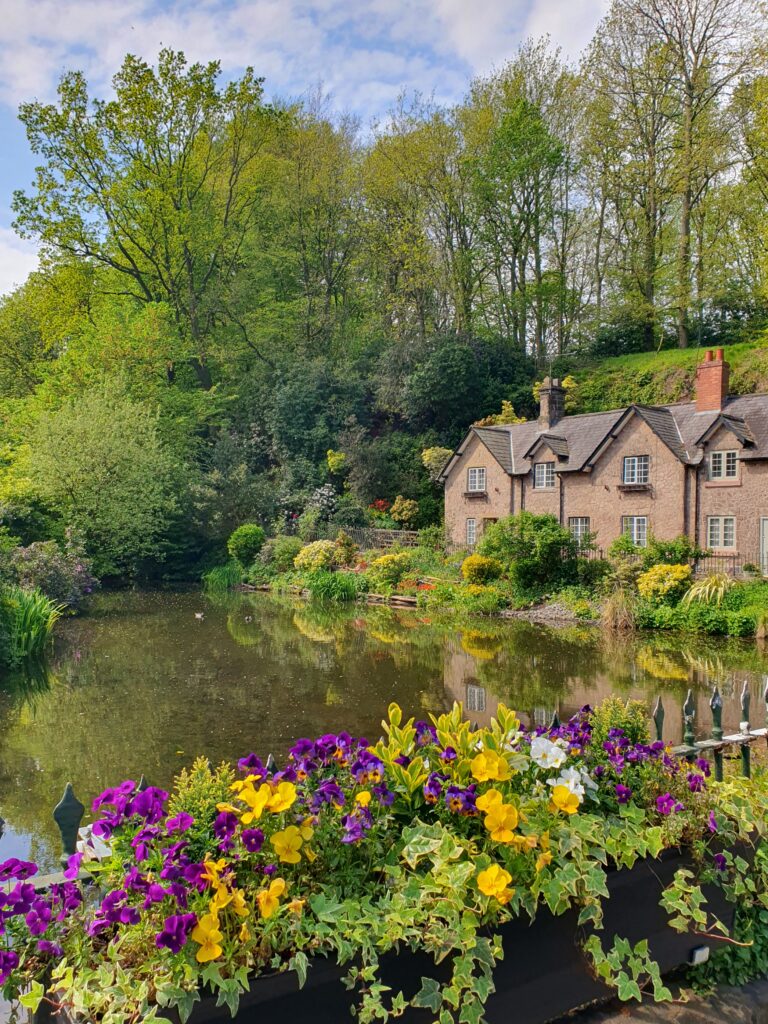
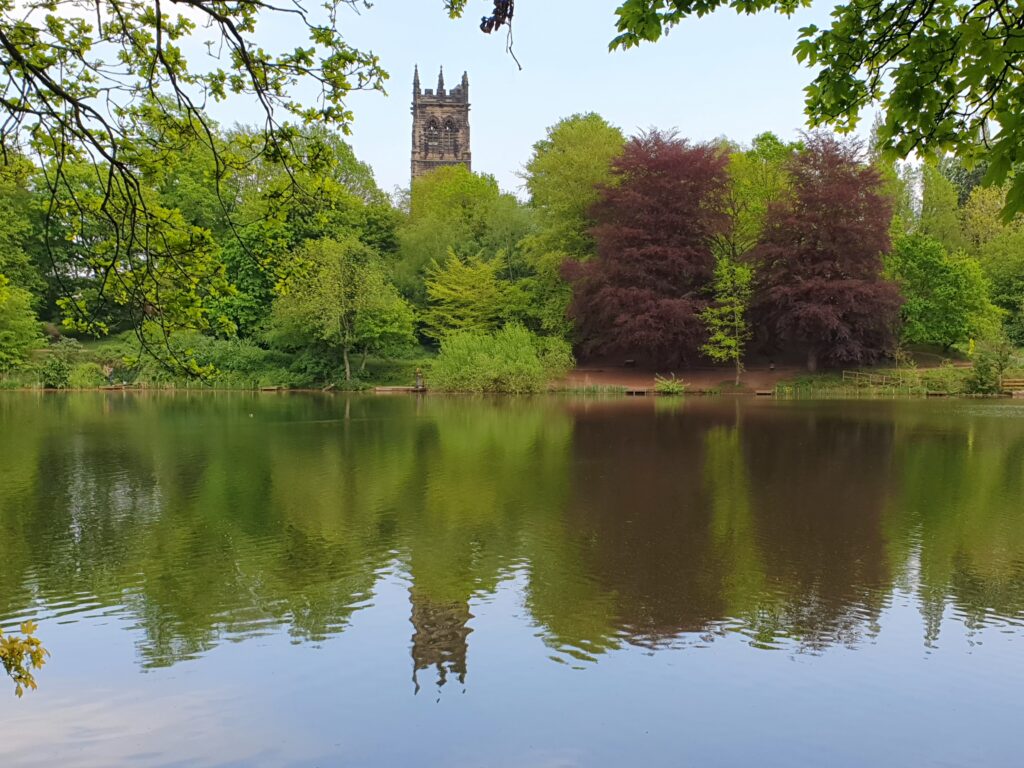
But like us the Victorians recognised its charms and escaped here to stroll through the leafy woodland around the dam

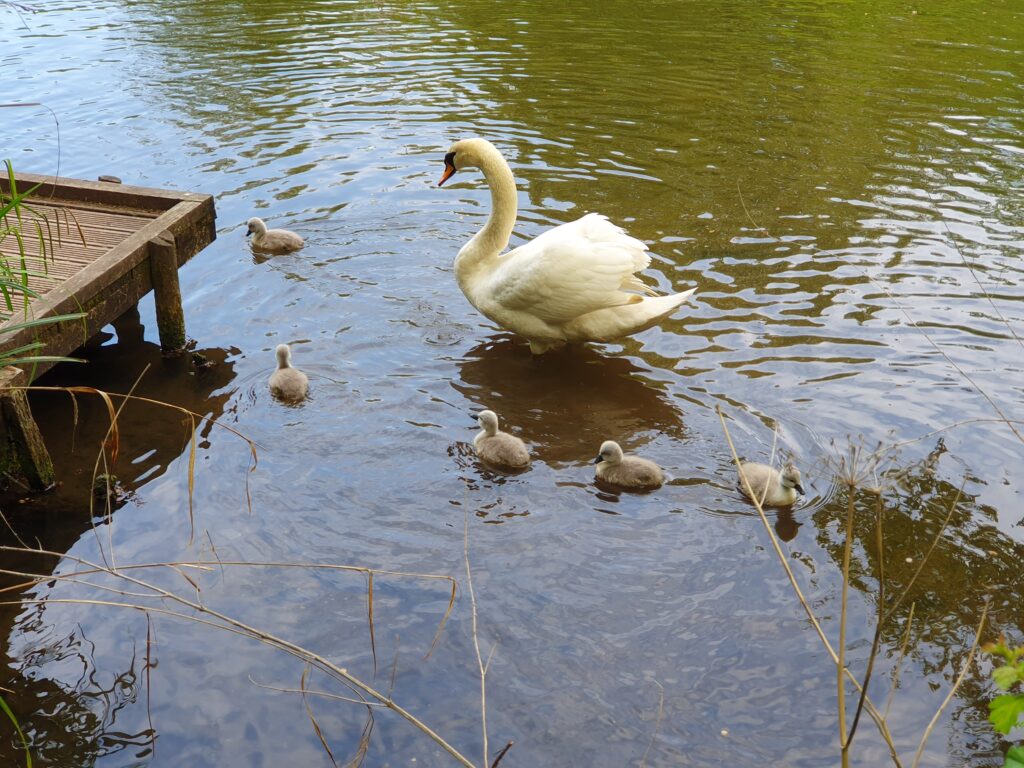
While we were walking around Lymm dam, we saw our first cygnets of the year.

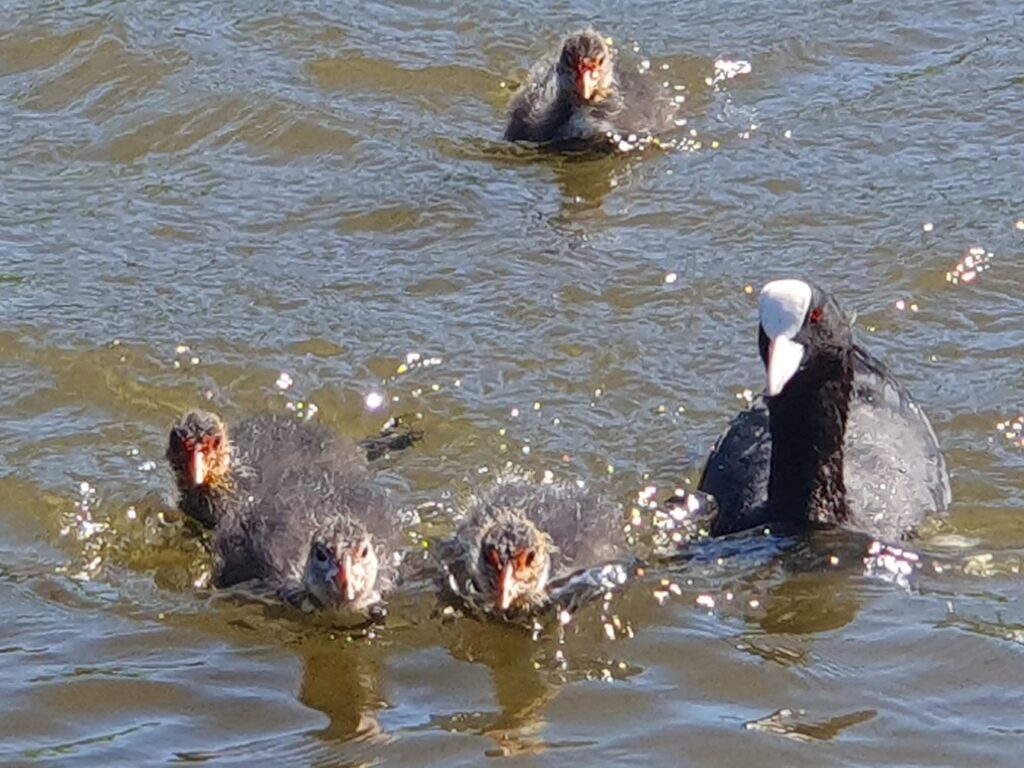
And coots on the canal

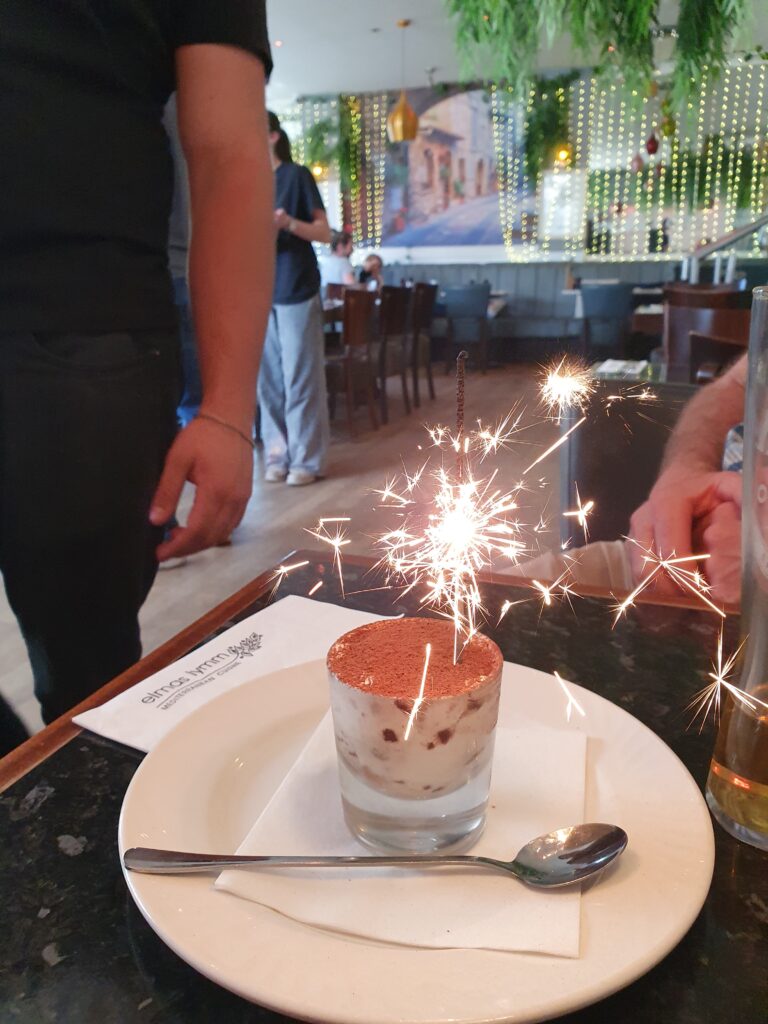
And of course as we were in holiday mood, we got to dine out. Someone was celebrating her birthday and the waiter got to hear about it, so my dessert arrived in style. There are several nice restaurants in Lymm, this time we chose Elmas, who make the nicest Tiramisu I’ve had in a while

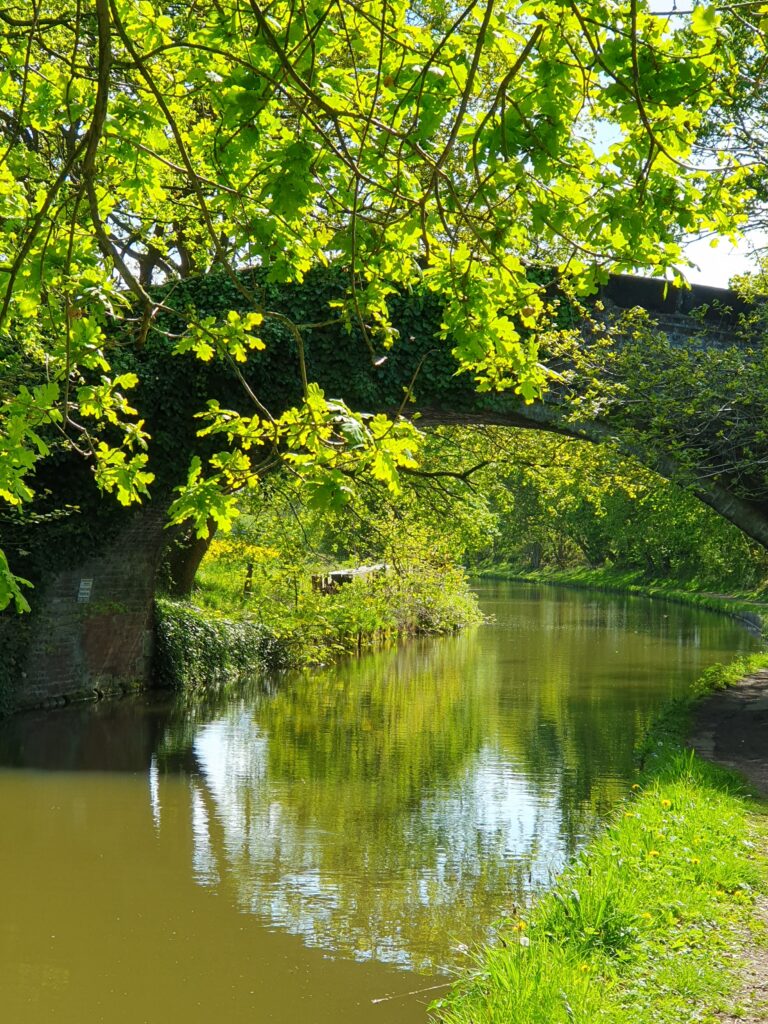
But alas, we had to get back to the Paintshed so we couldnt linger longer at Lymm, back through more lovely leafy bridges

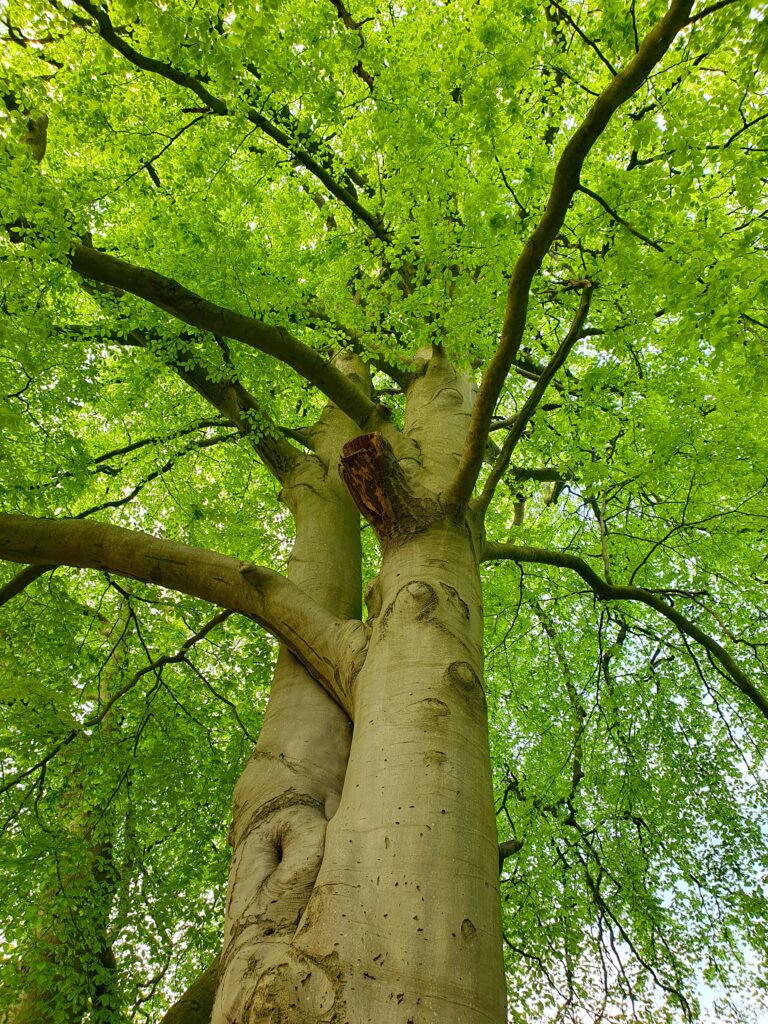
Under magnificent trees,

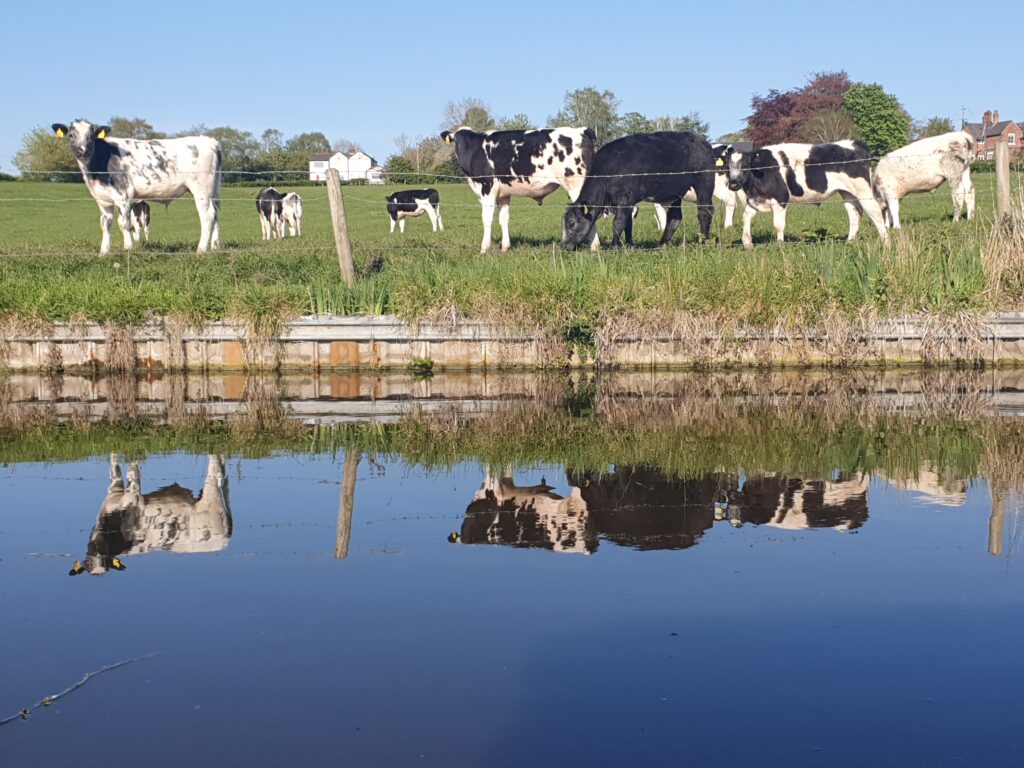
And past curious cows

back for one last mooring on this particularly pretty stretch of the Trent and Mersey Canal, before we get our necessary jobs done.

This week’s cruising has been a real pleasure.

Wonderful Wild Flowers

Wonderful wild flowers

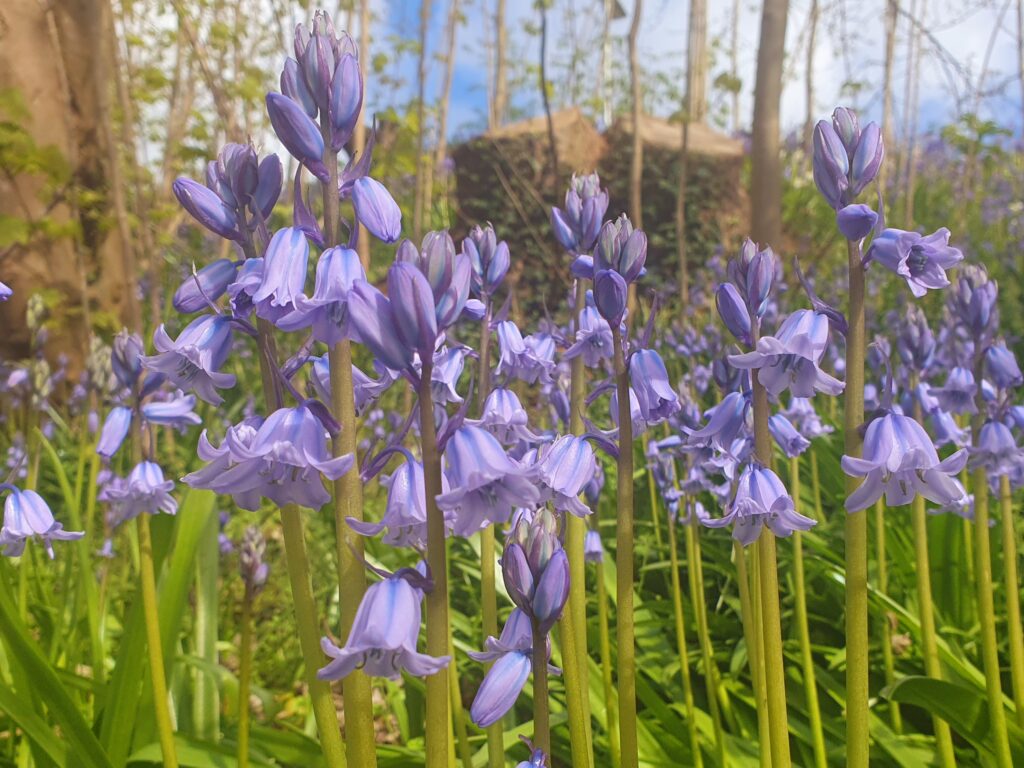
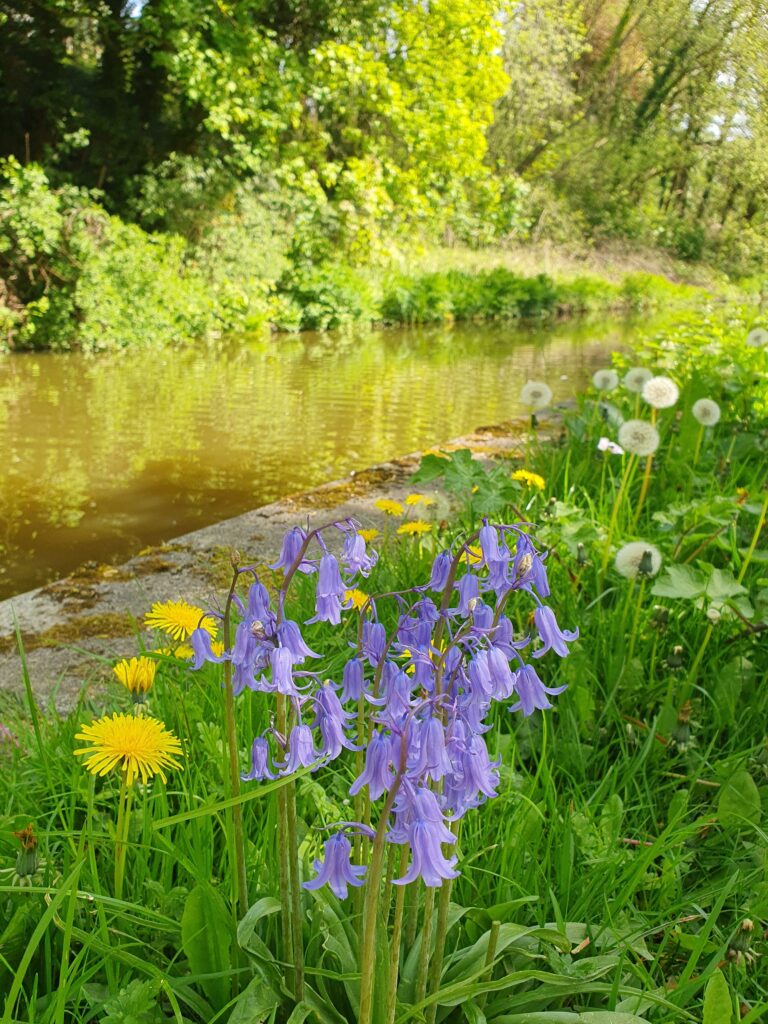
Could this possibly be the best time of the year to cruise? I think so, but ask me again in the summer or autumn. And why? Because wild flowers are at their best in late spring, and Bluebells are simply the best.

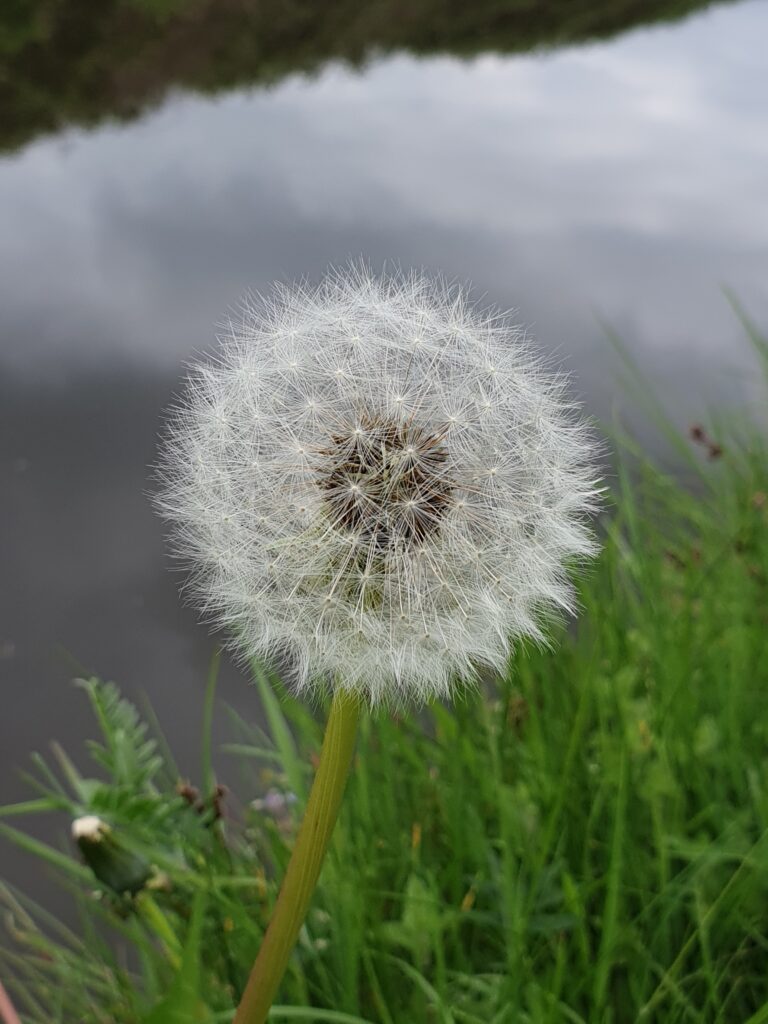
but just look up close at a dandelion, it’s surely a Chelsea gold medal

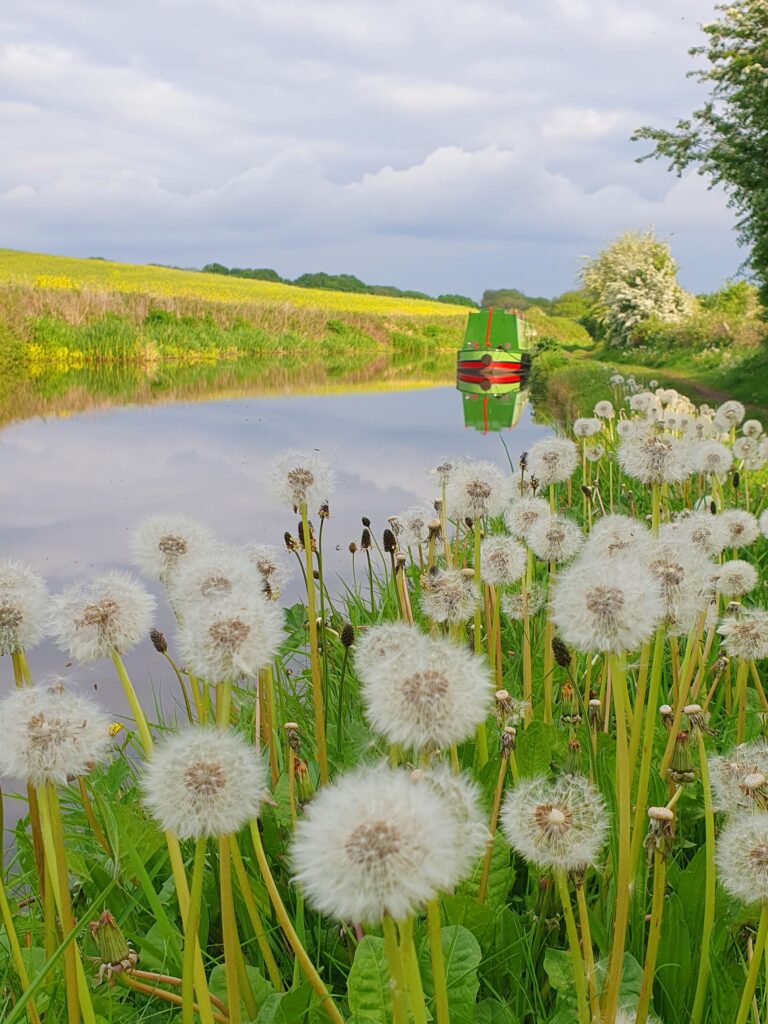
Even when they have gone to seed

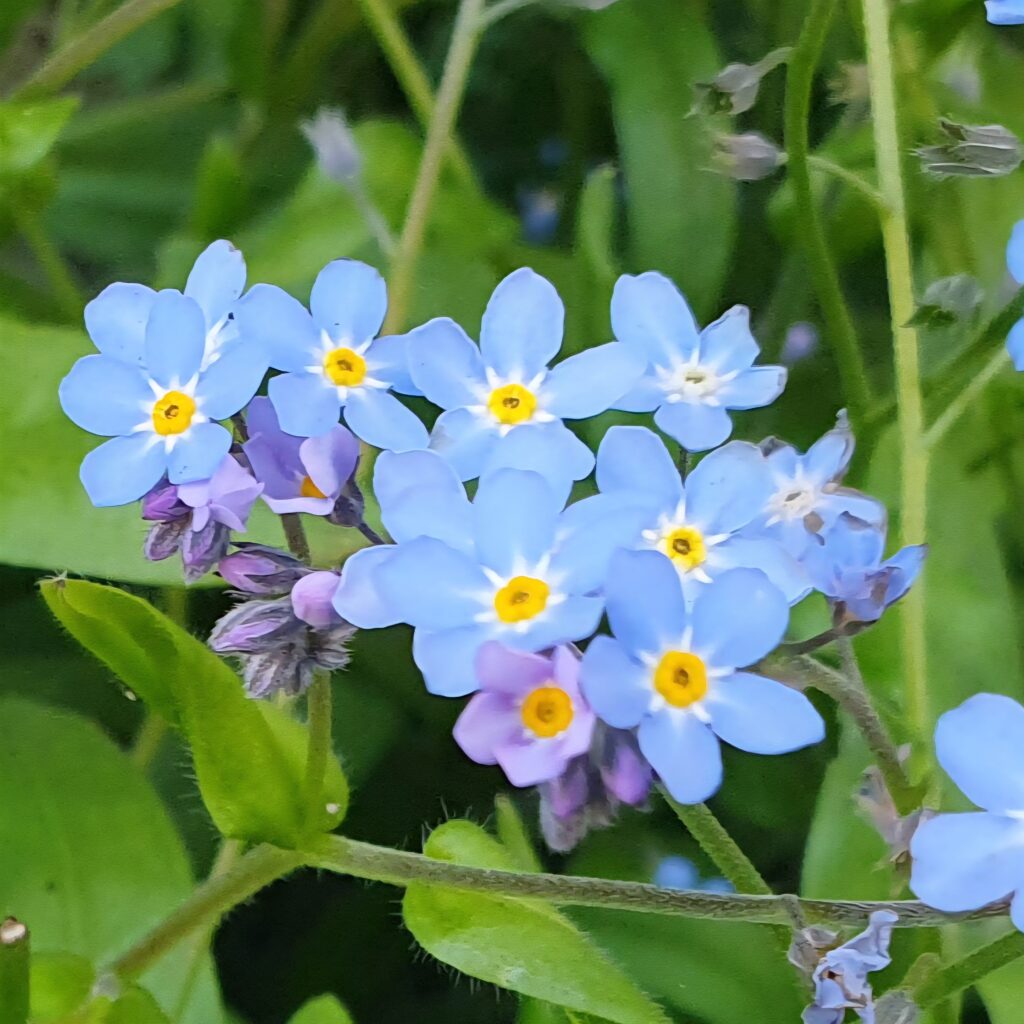
And you can’t forget the forget me knots

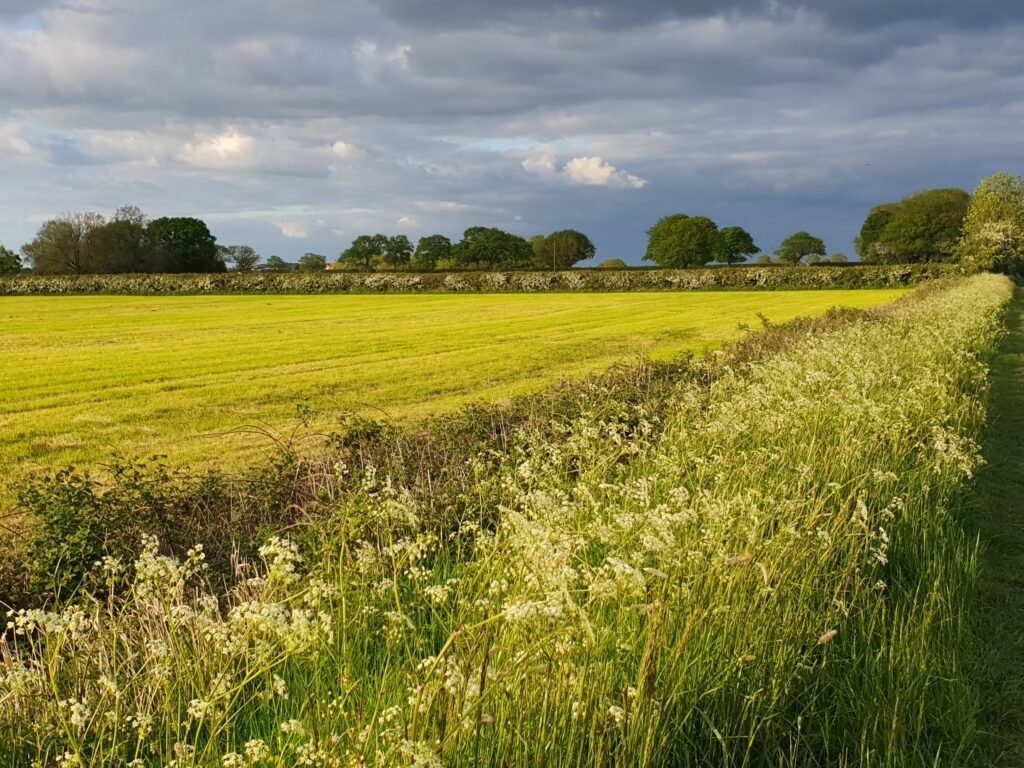
Or the loveliest natural landscaping along the towpath when the flowers  come together with a bit of sunshine.

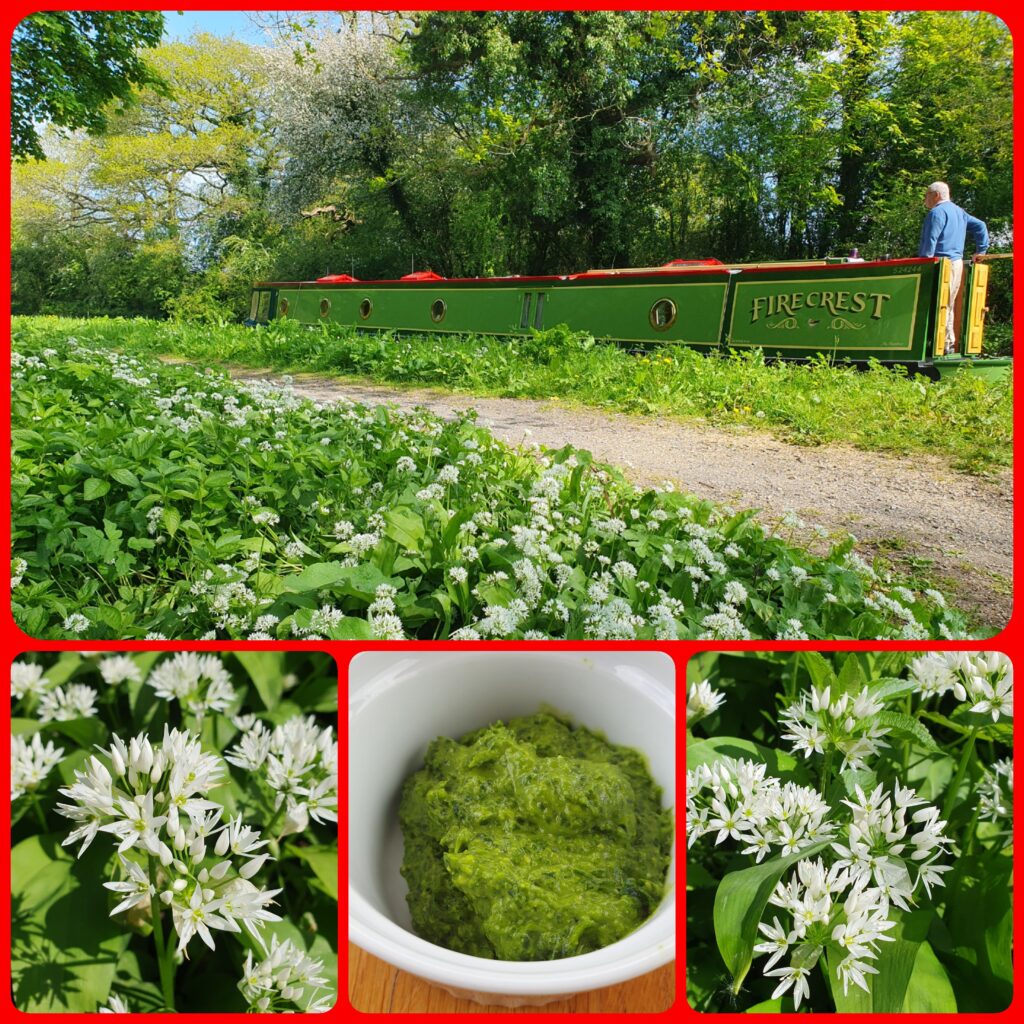
Sometimes the fresh spring smell outbeats any commercial laundry “enhancement”, but sometimes its more suited to the kitchen when you cruise through swathes of wild garlic. Of course I picked some to make wild garlic pesto, which was delicious with some fresh pasta.

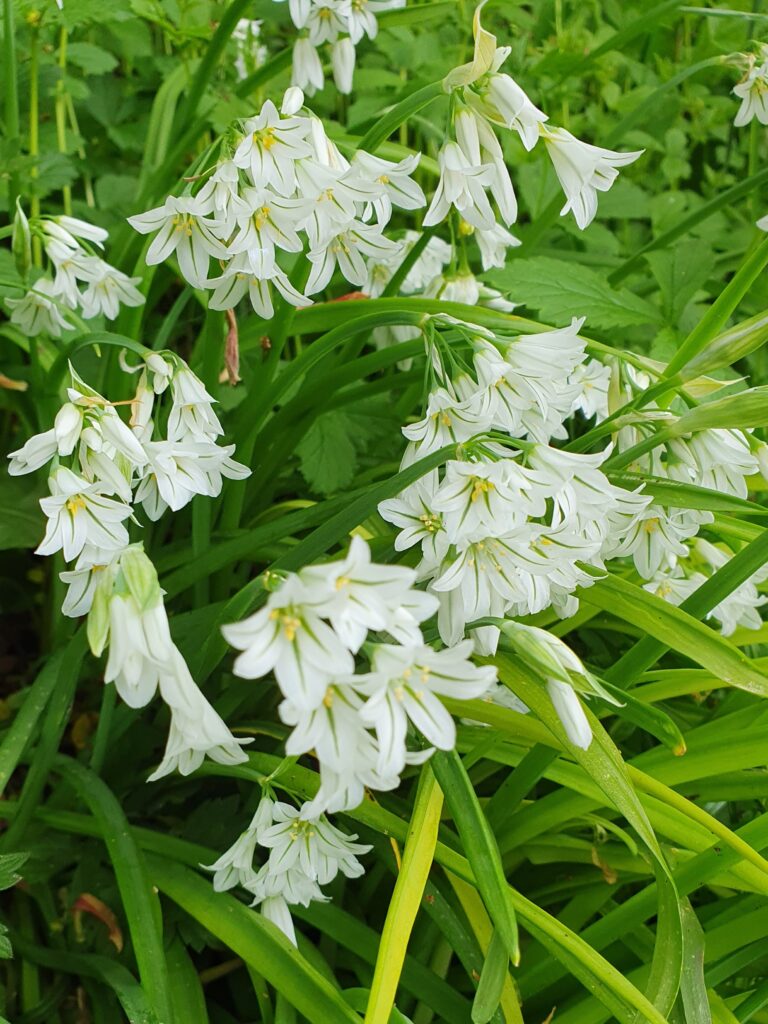
I even came across a cultivated garlic, which didn’t smell until you rubbed the leaves

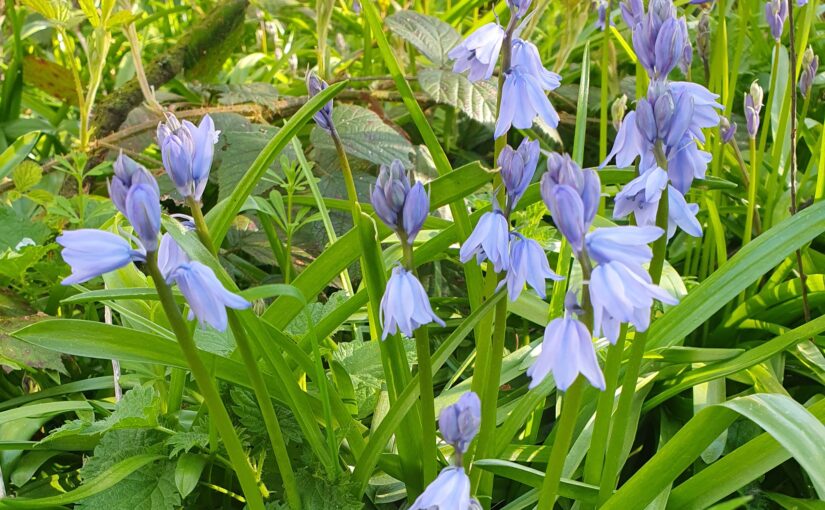
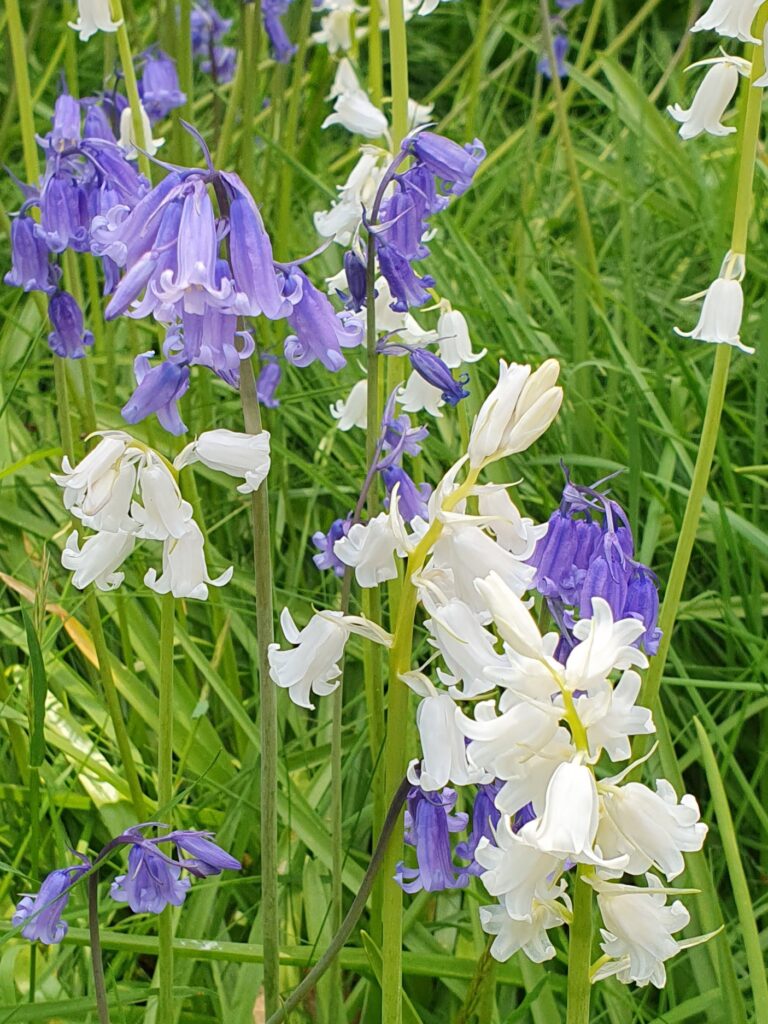
Not all bluebells are blue,

Not sure how you snuck in there

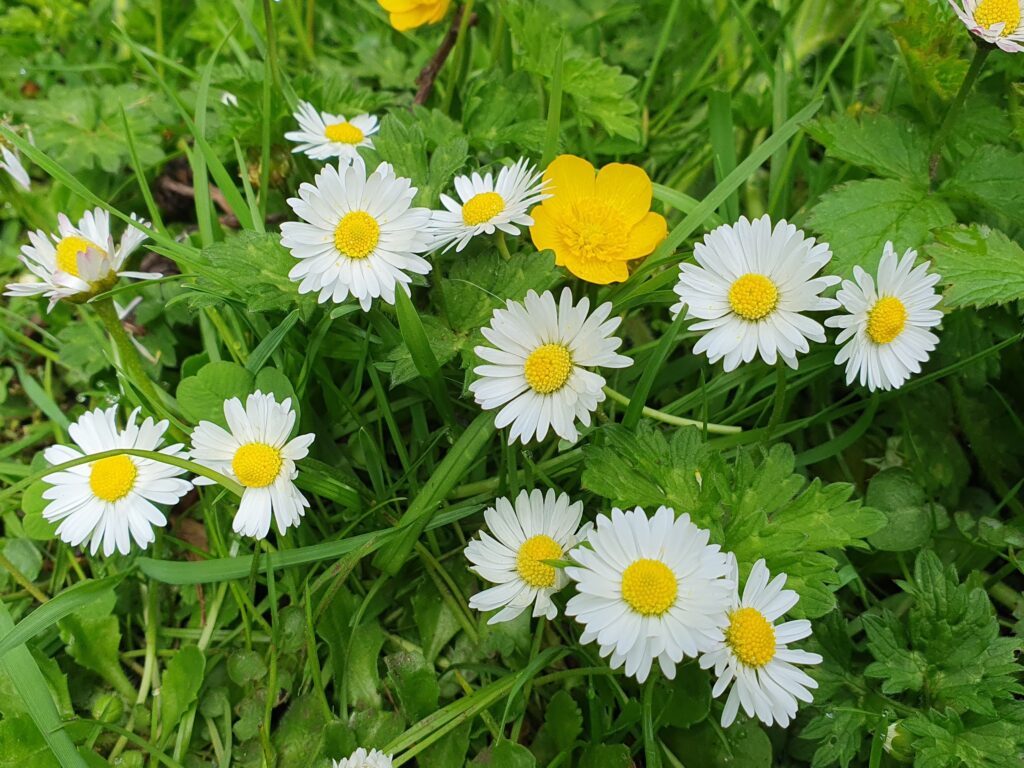
Daisy daisy give me your answer, do.

Another cultivar that was growing alongside the towpath

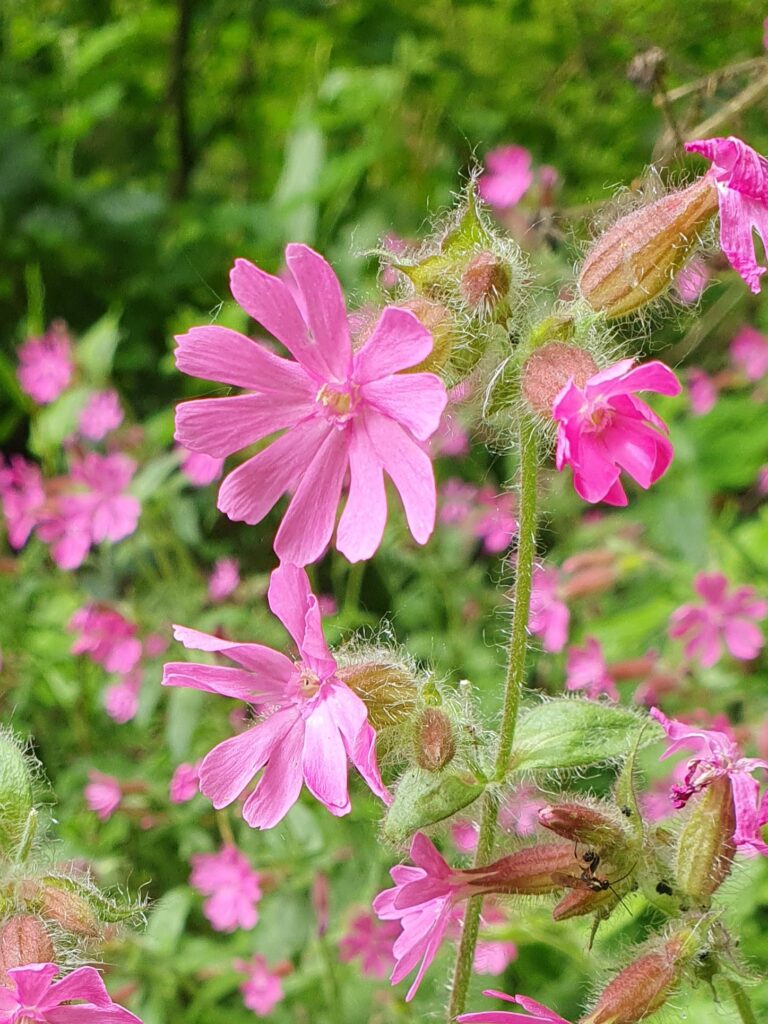
And I believe this very pink flower is red campion

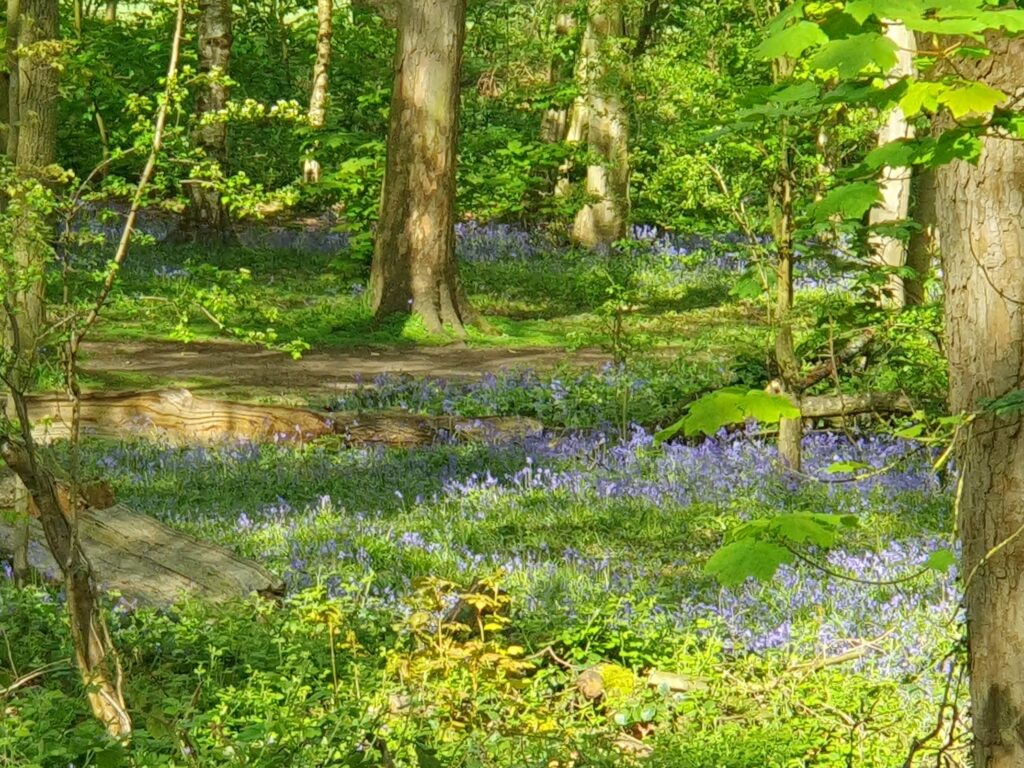
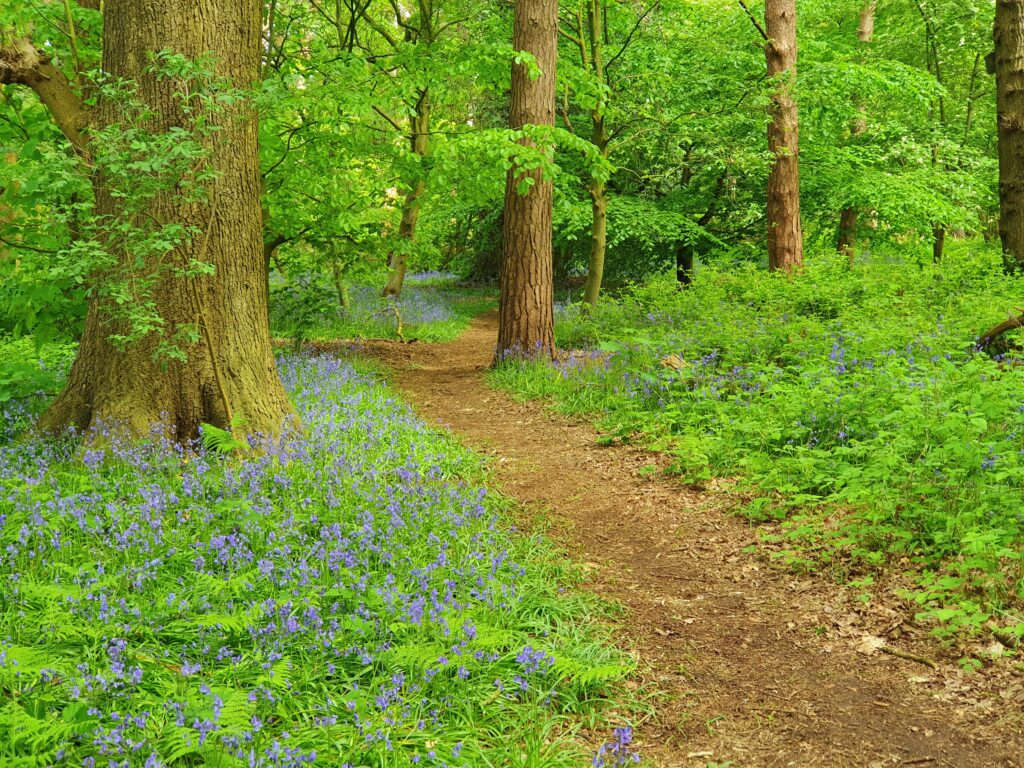
One thing I love about the late spring flowers, is the quantity that they grow in. As we cruised past Marbury woods, (just before you get to Anderton) you get a tantalising glimpse of a blue carpet.

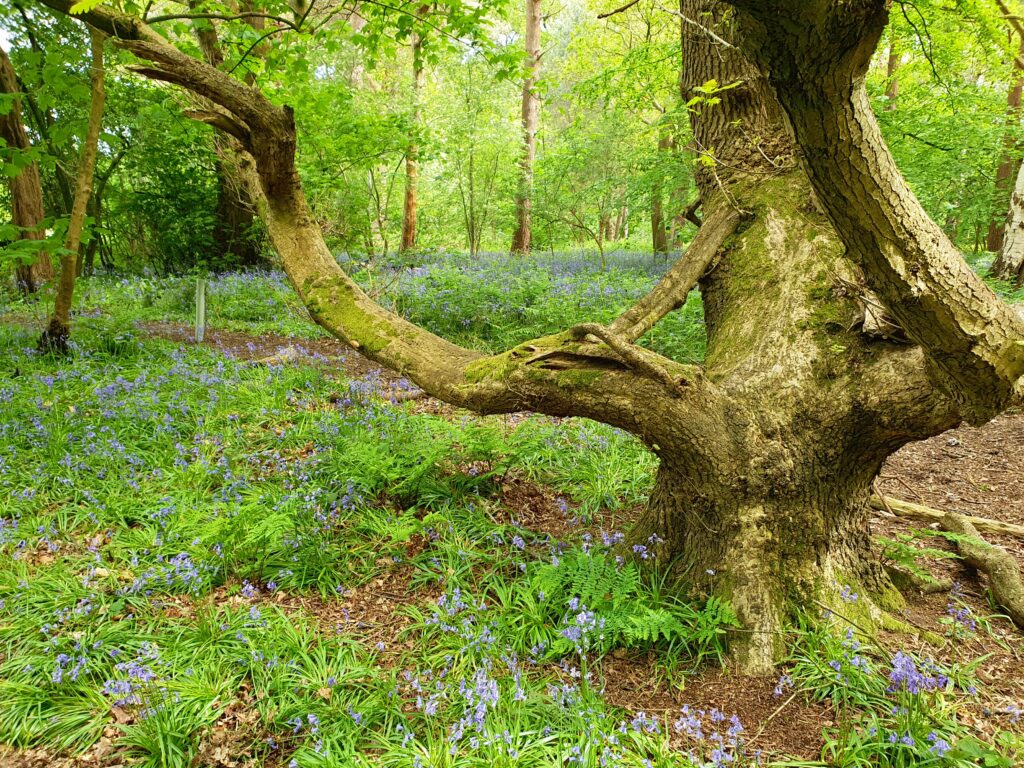
So while Eric was filling up at the water point, I walked back and strolled through the woods. My photos just don’t do the bluebells  justice.

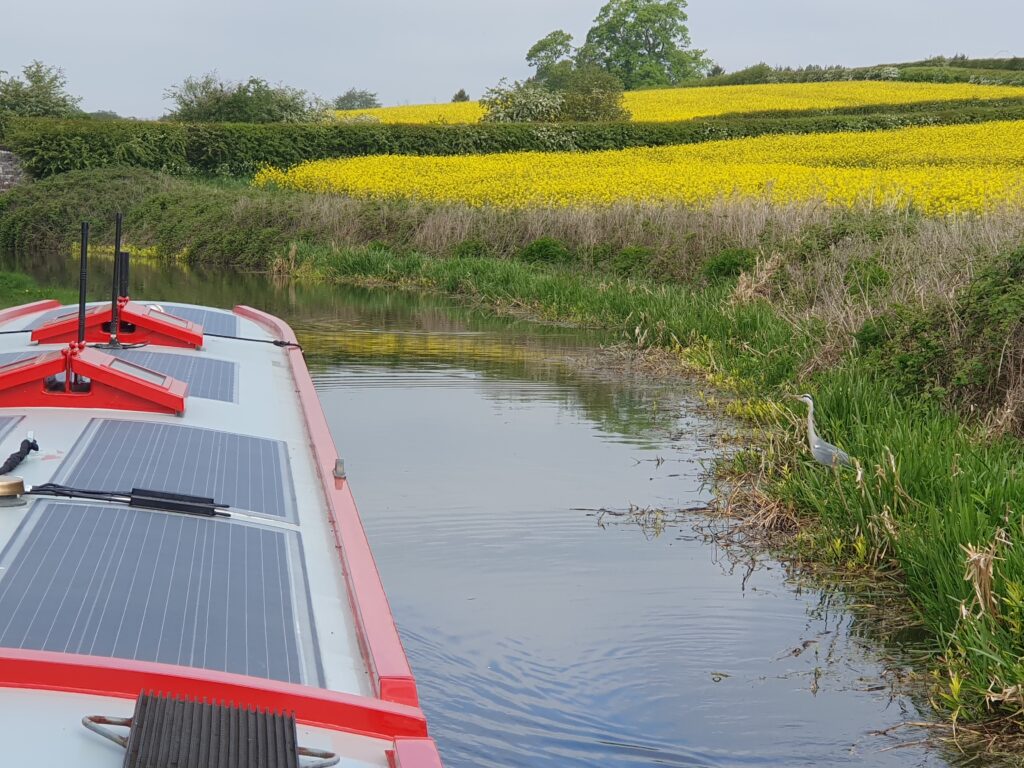
But you dont always have to get off the boat to see fields of gold, even if this isn’t a wild flower meadow

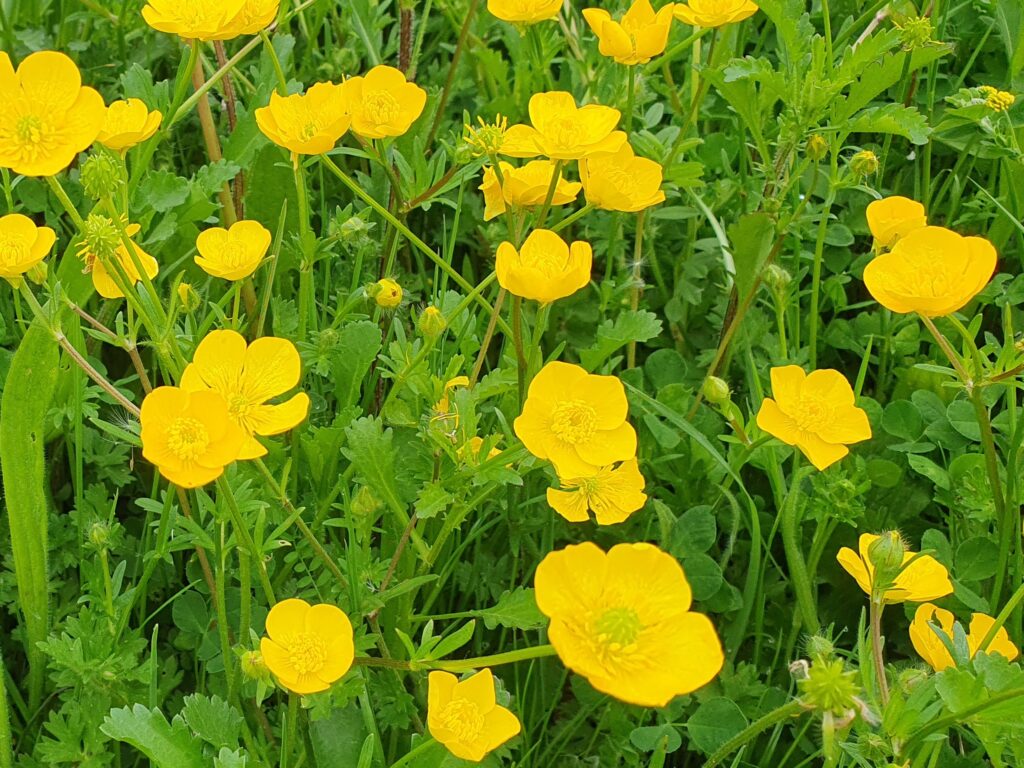
I saw the buttercup meadows at the Anderton nature park

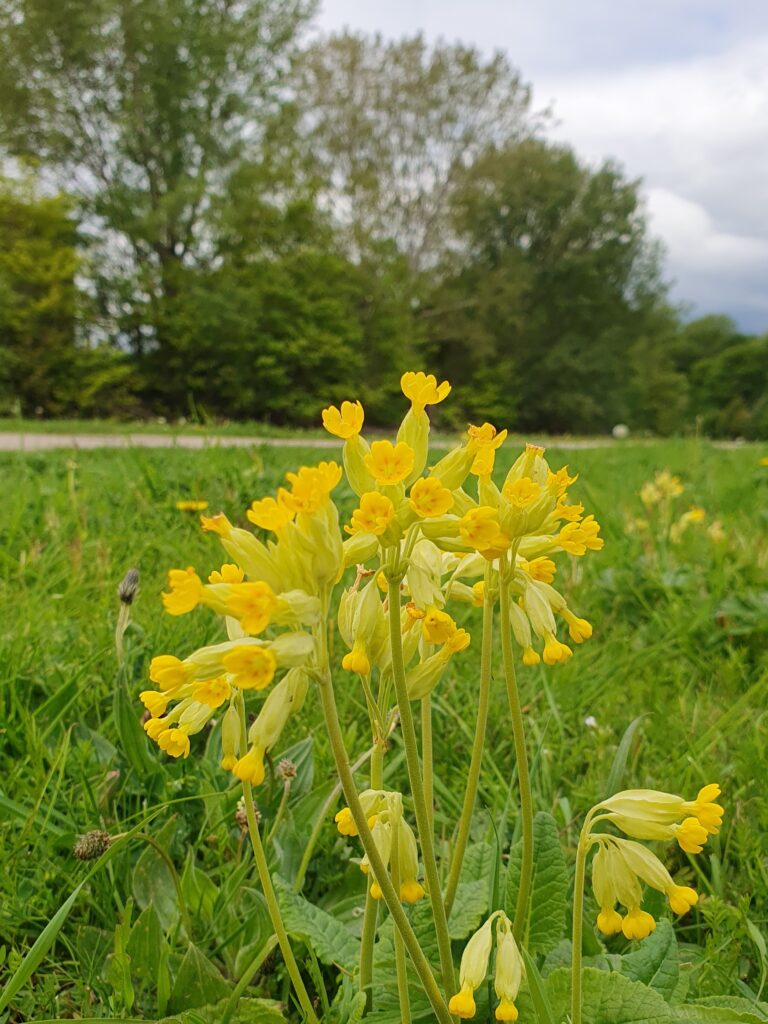
And the cowslips en masse

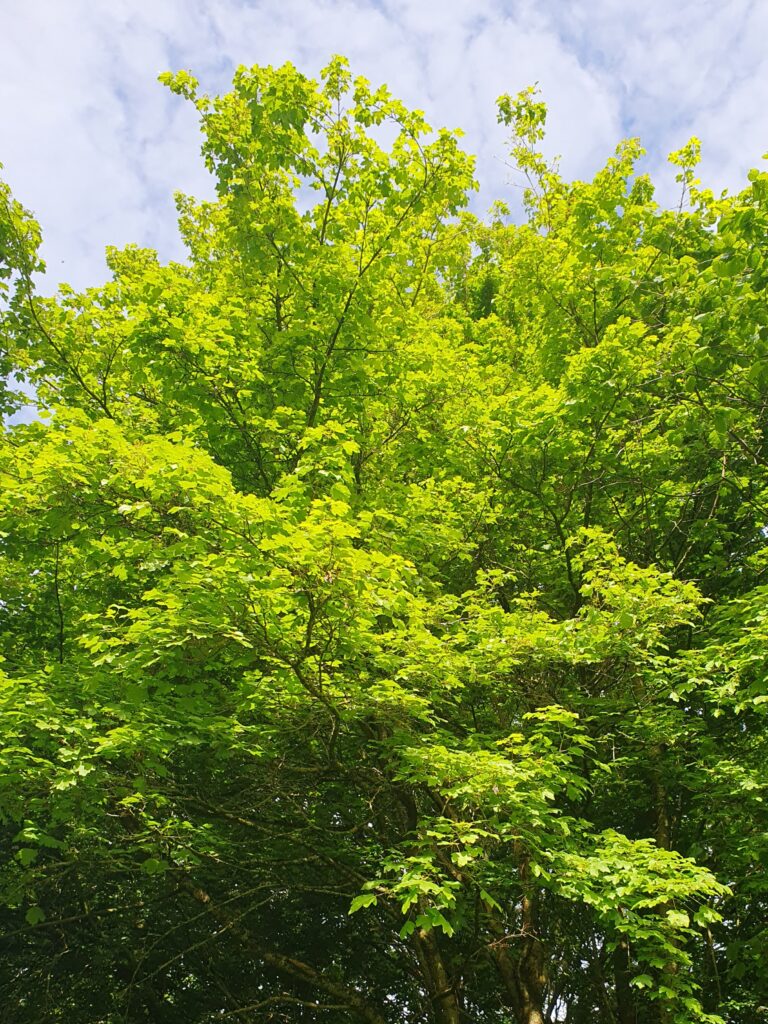
And what would be spring without the lovely lime green leaves on the oak trees

And the Hawthorn blossom that runs from white to pink

Of course I’ve barely scratched the surface with the just how many flowers we’ve seen. What some people call weeds, I count as blessings from heaven. And while its easy to marvel at the big magnificent things around us, there is so much beauty and wonder in the little all around us.