The Many Mills of the Macc

Even though we are now heading south at a vast rate of knots, okay roughly 2 miles an hour, we still look up at the Mills with a sense of wonder. Goyt Mill in Hawk Green, Marple is the youngest of the three that stand out for me. Built originally in 1905 by the Goyt Spinning company to produce cotton fabric was a major source of employment in Marple until 1960. Nowadays it predominantly houses antique warehouses, fun to wander around reminiscing about all the junk you threw away when clearing great aunt maud’s house. There is a fascinating memoire in the Marple website worth browsing if you scroll down.
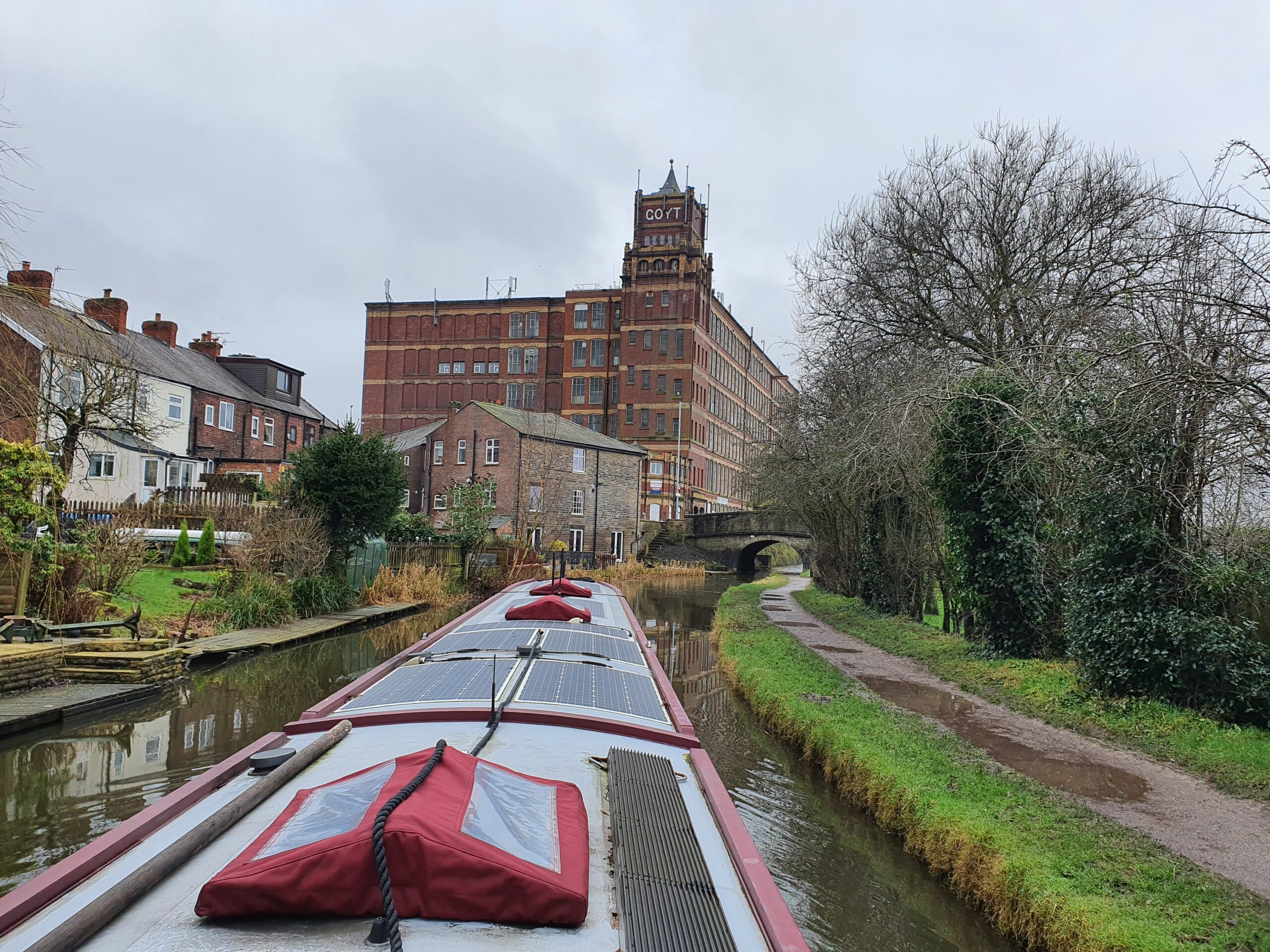
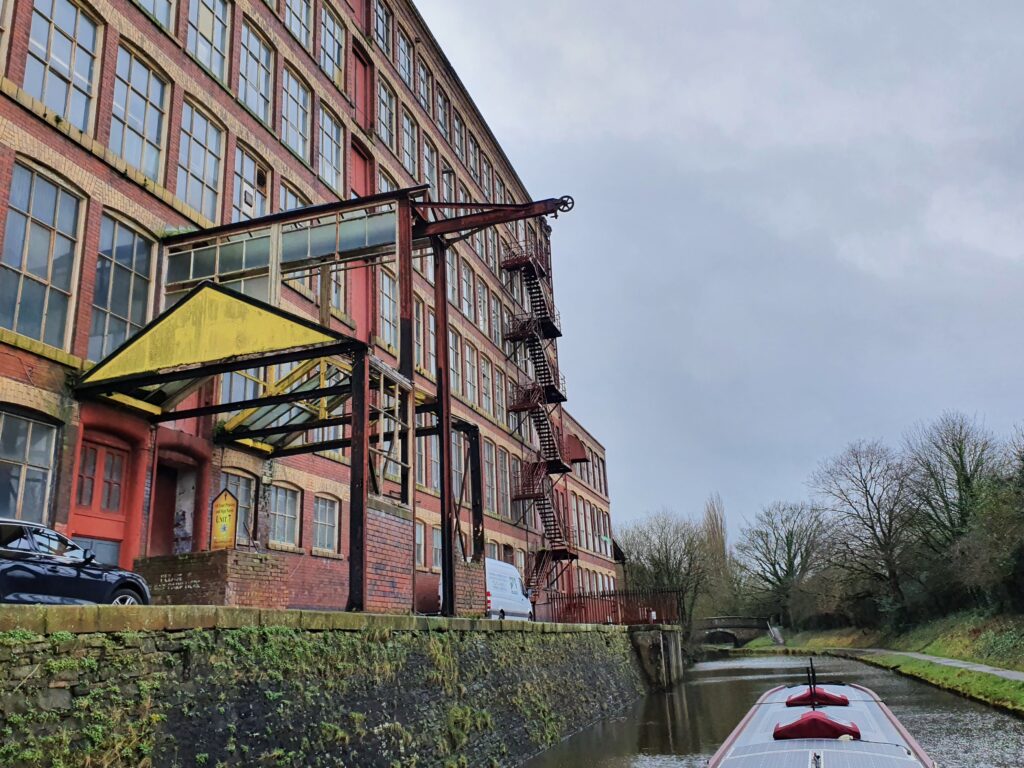
Approaching Goyt Mill
Can you imagine loading and unloading your wares here?

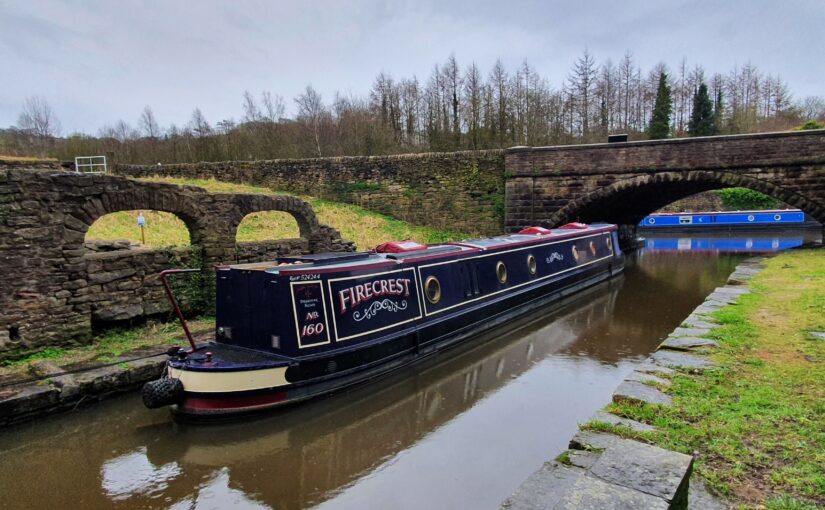
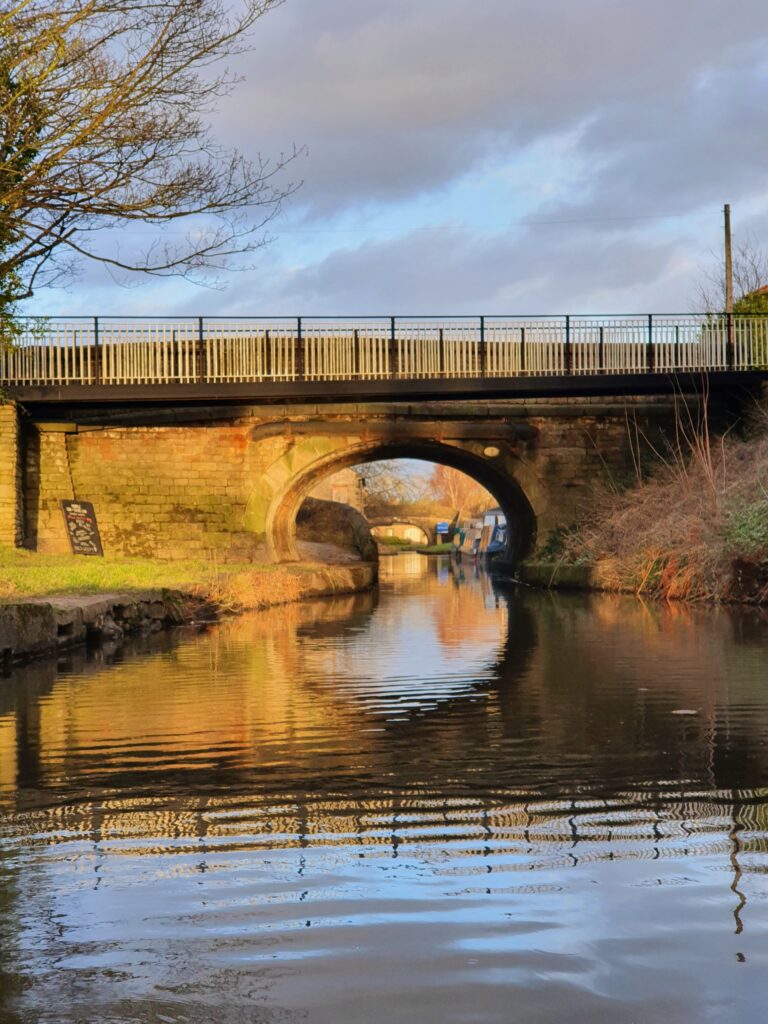
Once through Marple we were back to enjoying some rural tranquility
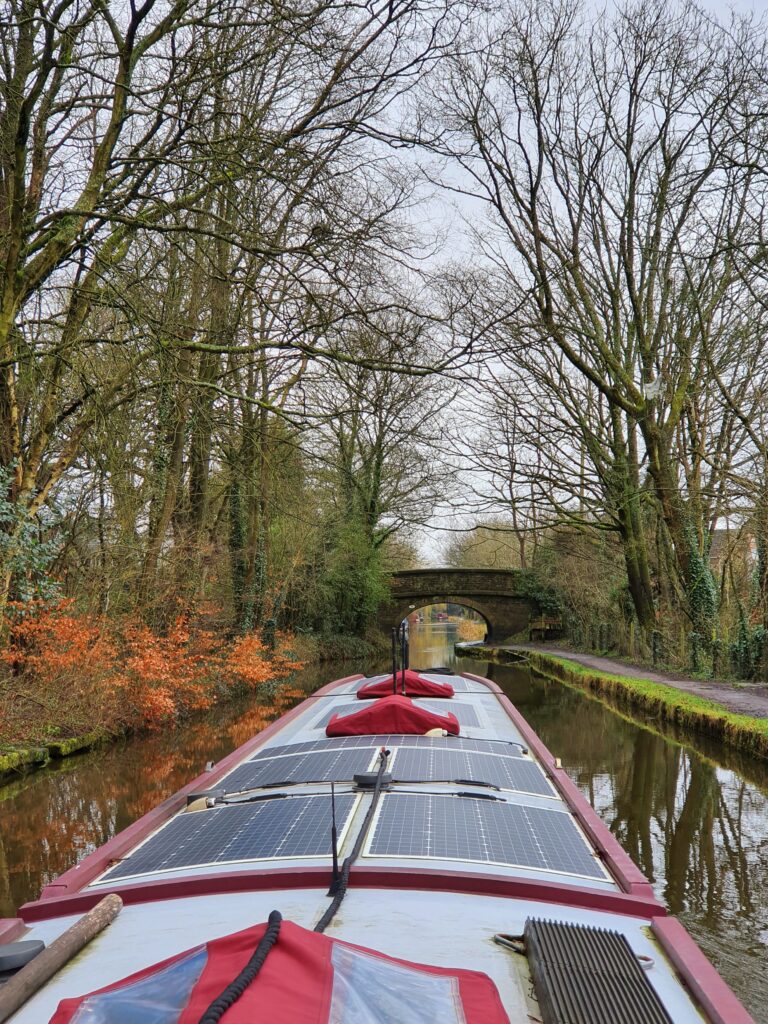
We wondered if that sunny day we had last week was summer and we’re already experiencing Autumn.

Before stopping for fuel at Baileys

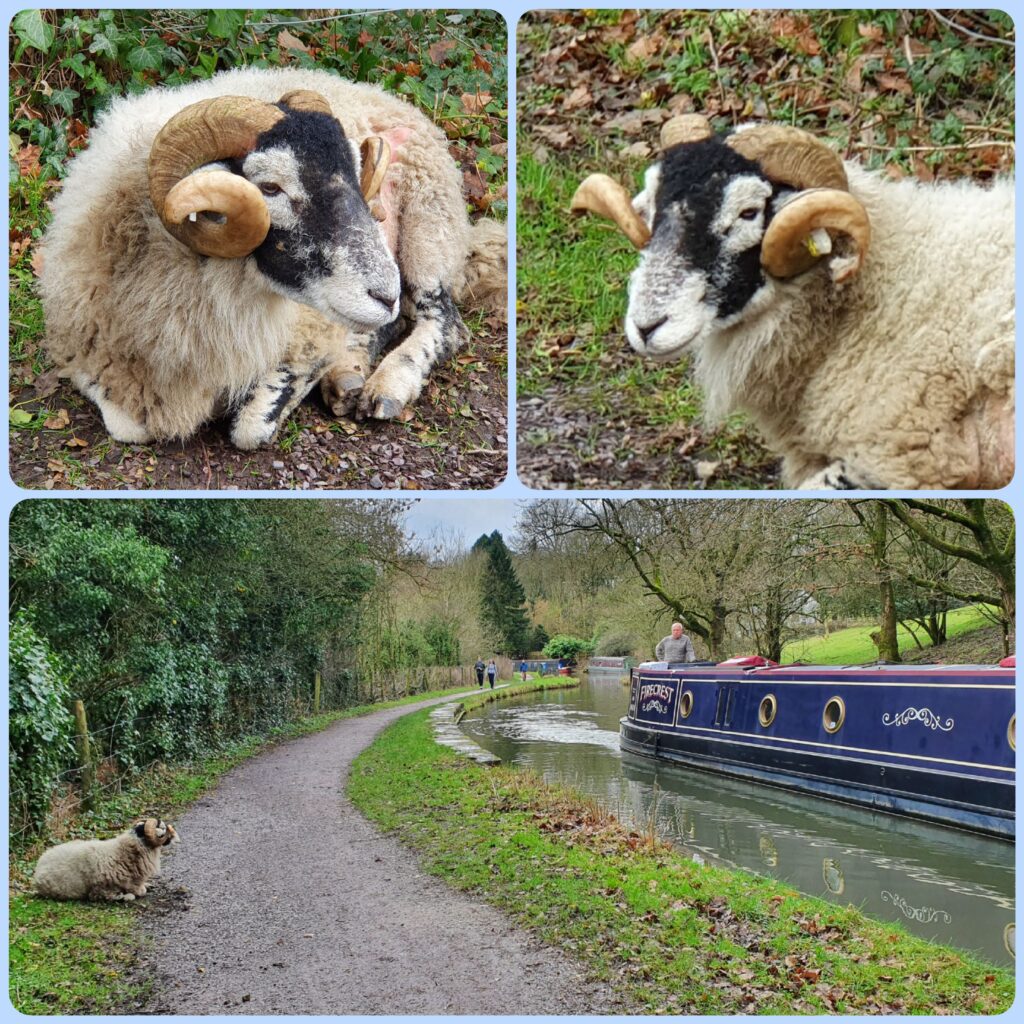
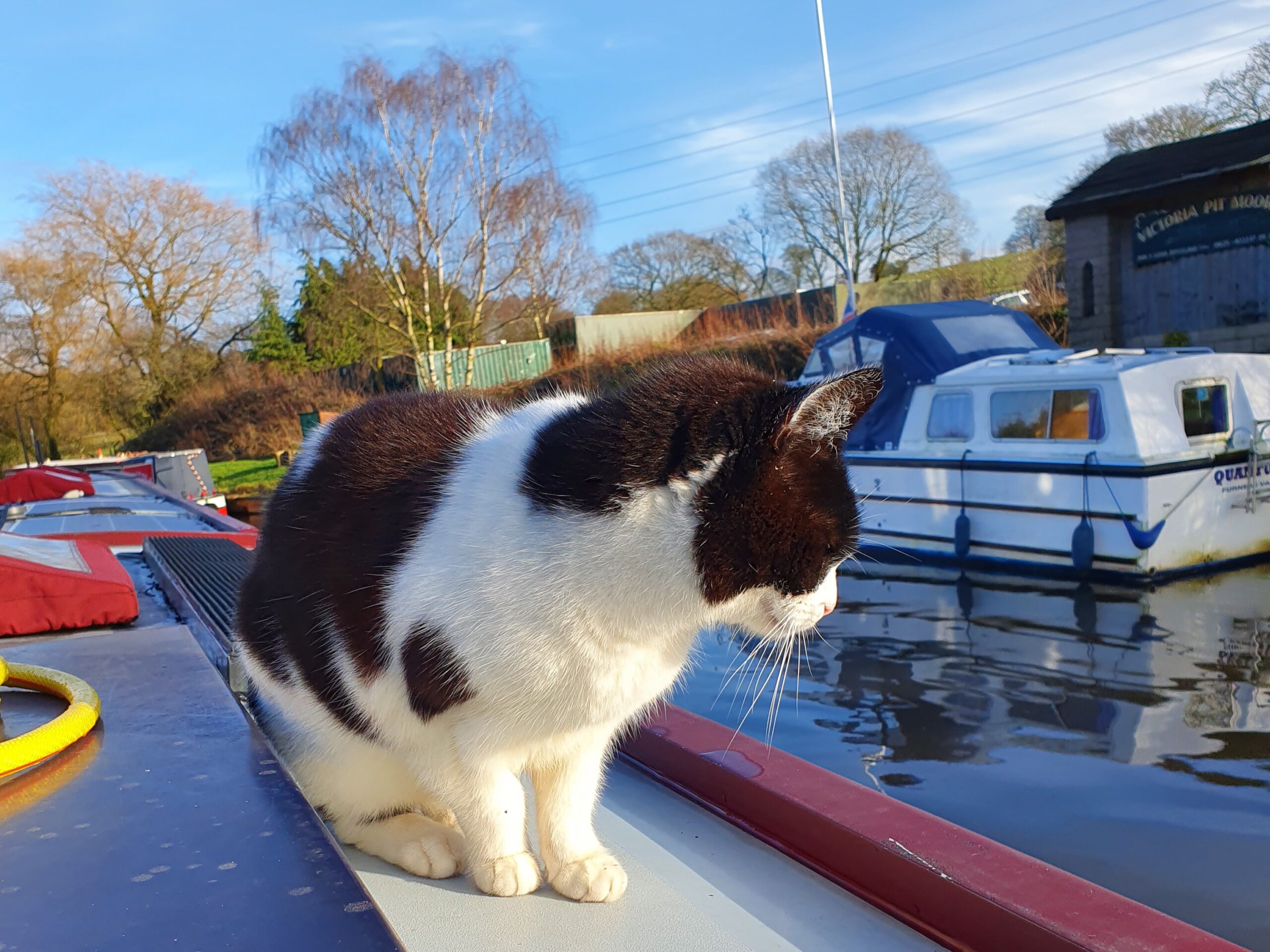
Where we picked up a hitchhiker again, -remember the cat that came to say hello last month, we also popped in to say hello to James and Donna and the team at Braidbar.
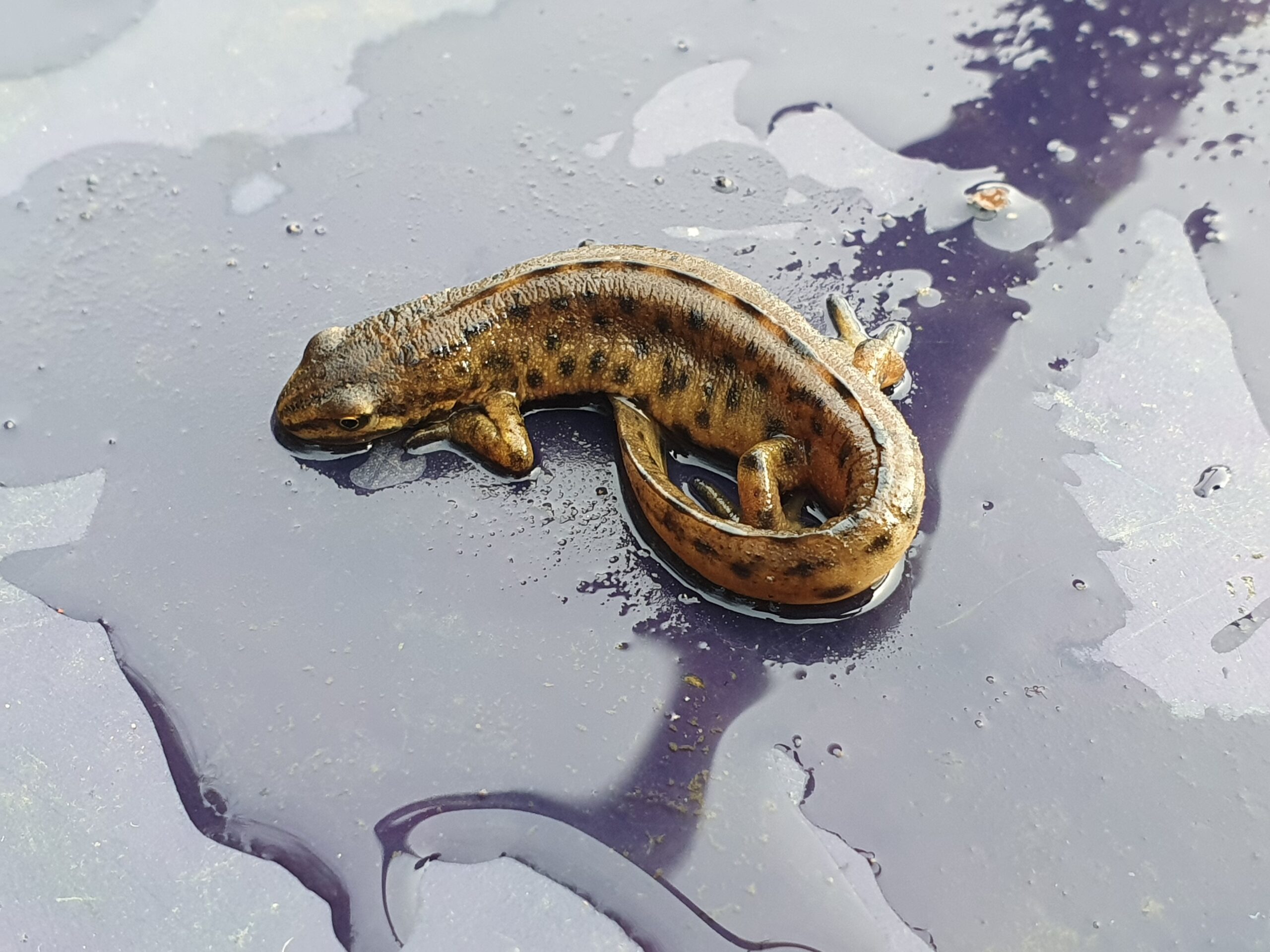
Not sure this little newt was quite ready to emerge from hibernation, we pulled him up on our tyre fender, so I carefully returned him back into the bank.

Then on to the oldest surviving Mill on this route at Bollington,
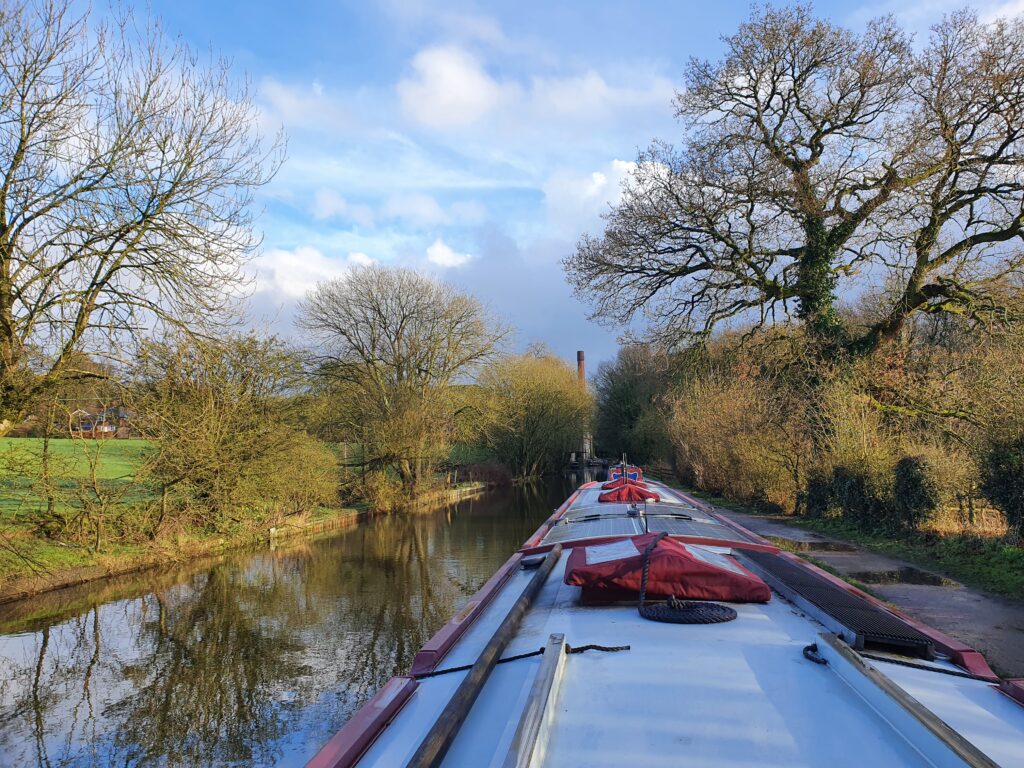
Approaching Bollington and Clarence mill


Clarence Mill was built in 1834 and specialised in spinning sea island cotton, which, for those unfamiliar with the intricacies of cotton, is an extremely fine long stapled cotton variety used for making lace and muslin. It is infact supposed to be the rarest form of cotton and can make a luxurious (expensive) silk like fabric.
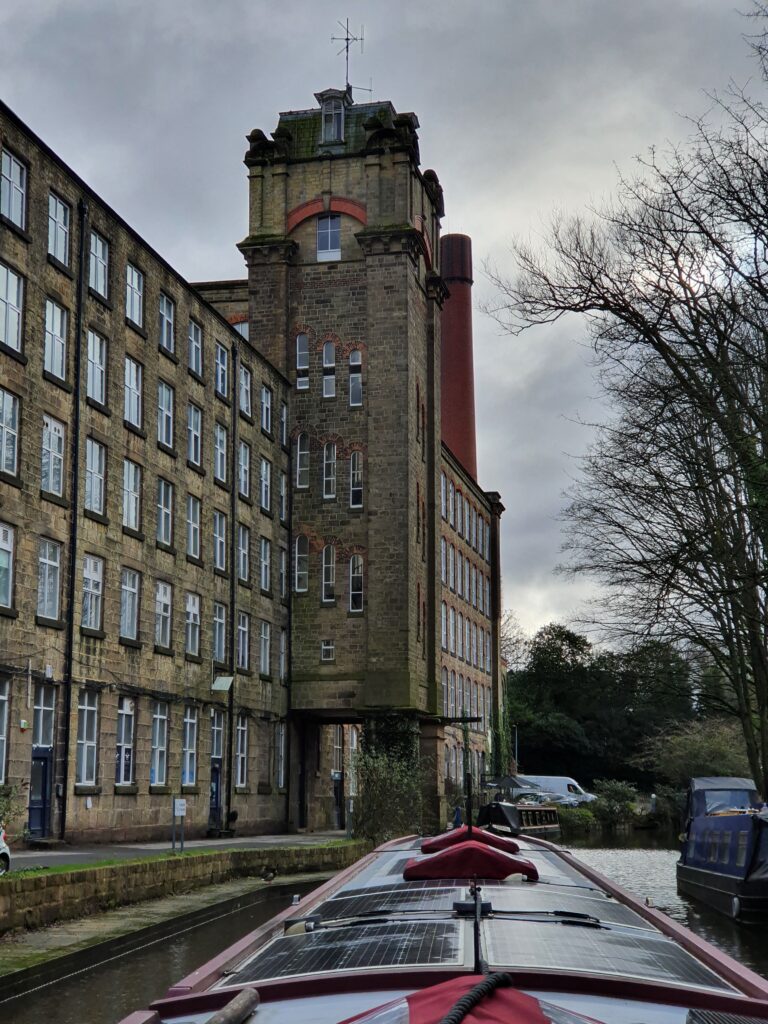

I missed the photo of the next Mill on our route south, the Adelphi Mill on the southern side of Bollington because I was in the galley cooking bacon butties. Aldelphi Mill began spinning cotton, it progressed to throwing silk, and finally spun man made fibres for Courtaulds until 1970s. Nowadays it houses offices for the nearby pharmaceutical company, Astrazennica
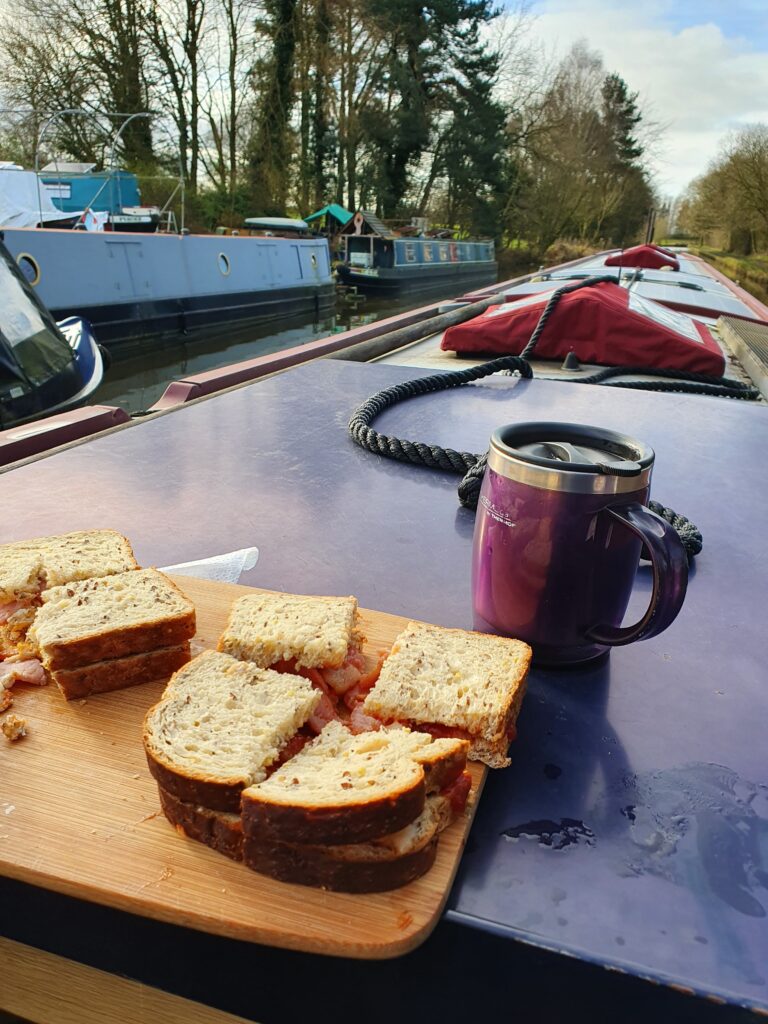
Which leads us nicely onto my third Mill, the Hovis Mill in Macclesfield itself.
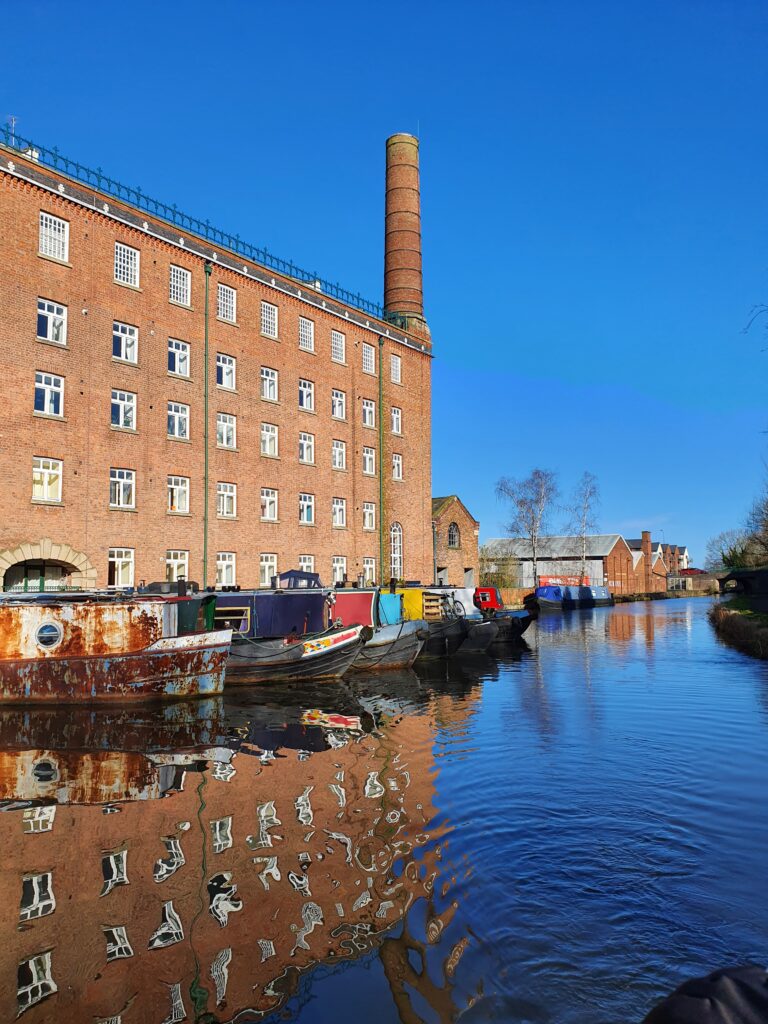
The Old Hovis Mill

This is where grain was ground to make flour. The technique used produced a distinctive flavour and any baker using this flour is able to call the bread a Hovis loaf. Milling only took place here from 1898 to 1904 because demand grew and the company moved to bigger premises at Trafford Park, Manchester. They did however keep the building. It was renamed the Publicity Works, where they made the paper wrappers to wrap the bread in. Nowadays it’s a rather nice place to live. One interesting feature is the iron ballustrade along the eaves that survived being removed and smelted down during the second world war efforts. I don’t think I’d have liked climbing up there to remove it.
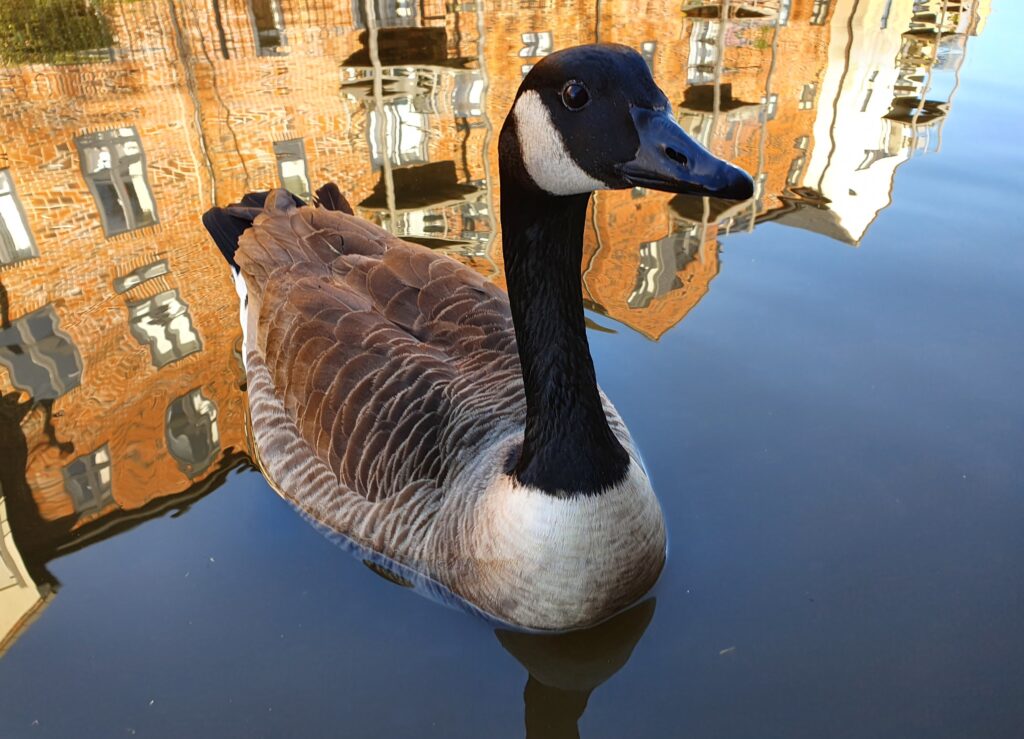
There were of course other mills, and industries along the canal and rivers that dominate this area, Macclesfield was known particularly for silk production, Bollington had a thriving hand made button industry, there was coal mining and sheep farming, to name but a few which helped make it a prosperous place to live.
The Macclesfield canal society website if you want something to talk about.
South by NorthWest

With the culvert fully repaired we finally got the go ahead to travel south, and we’re facing the right direction

Leaving the middle arm at Bugsworth

But of course to get off the Peak Forest Canal back onto the Macc, we had to travel north. Confused? Yes, perhaps this is what happens when  you hang around too long.

And this canal really gets its grip on you

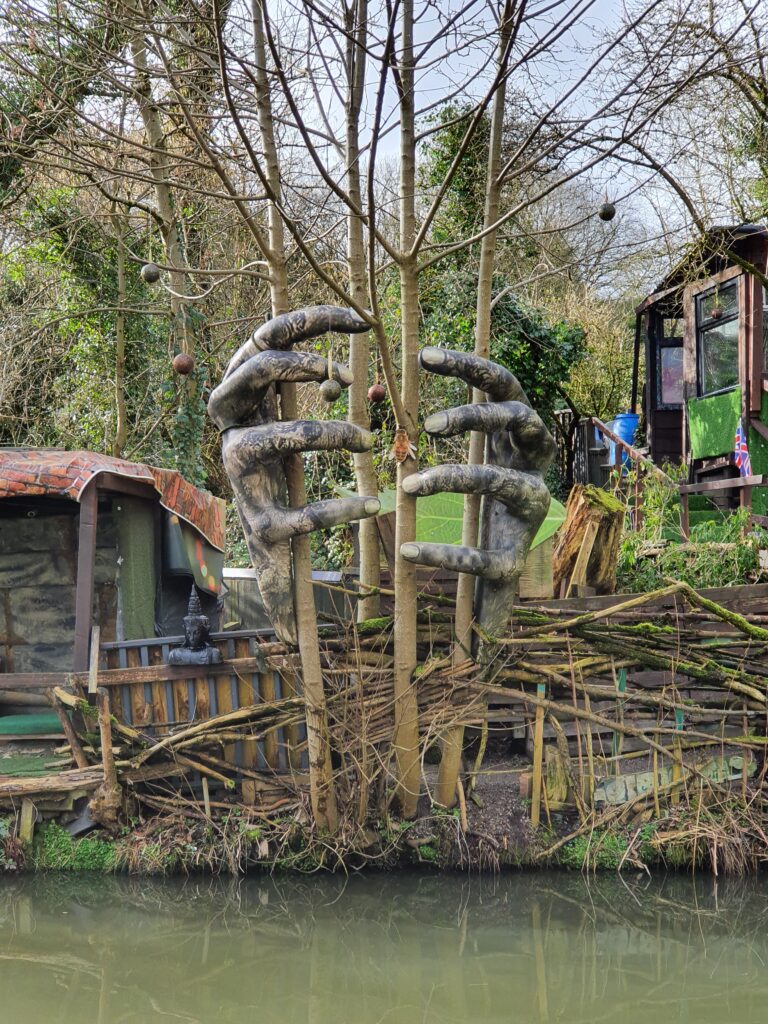
Is this art? Or does someone just have too much time on their hands?

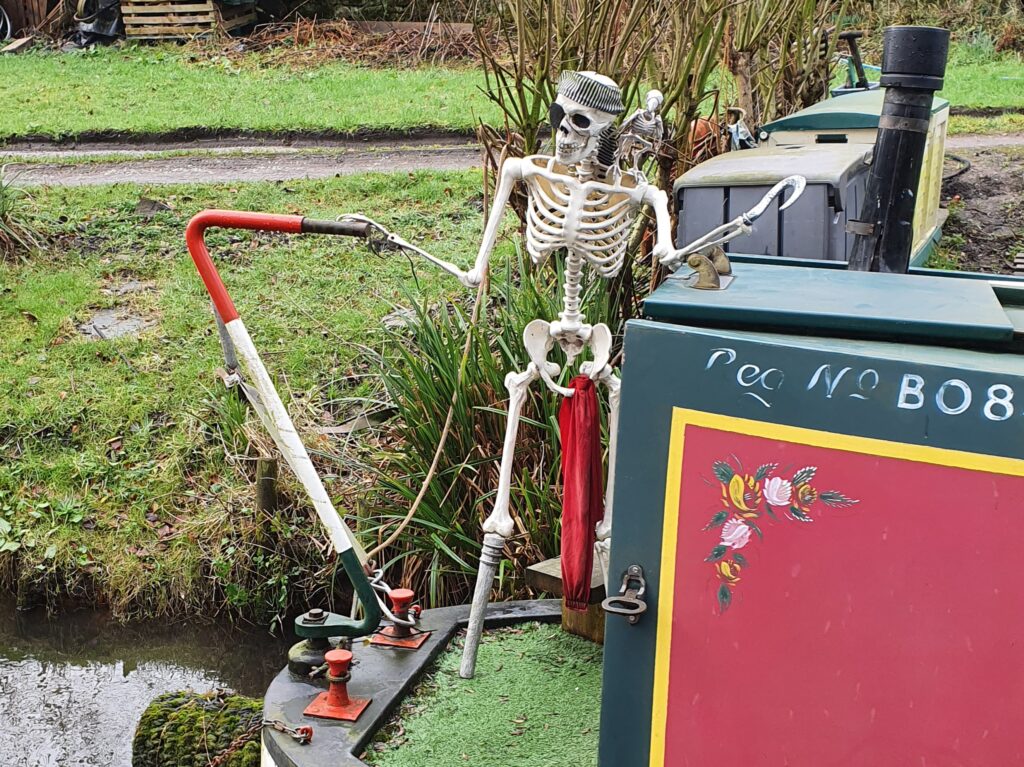
There’s definitely some odd characters on this canal

But we were happy to finally be cruising with a purpose, and it was mild enough not to need our thick coats on. No more sitting around, watching the world go by

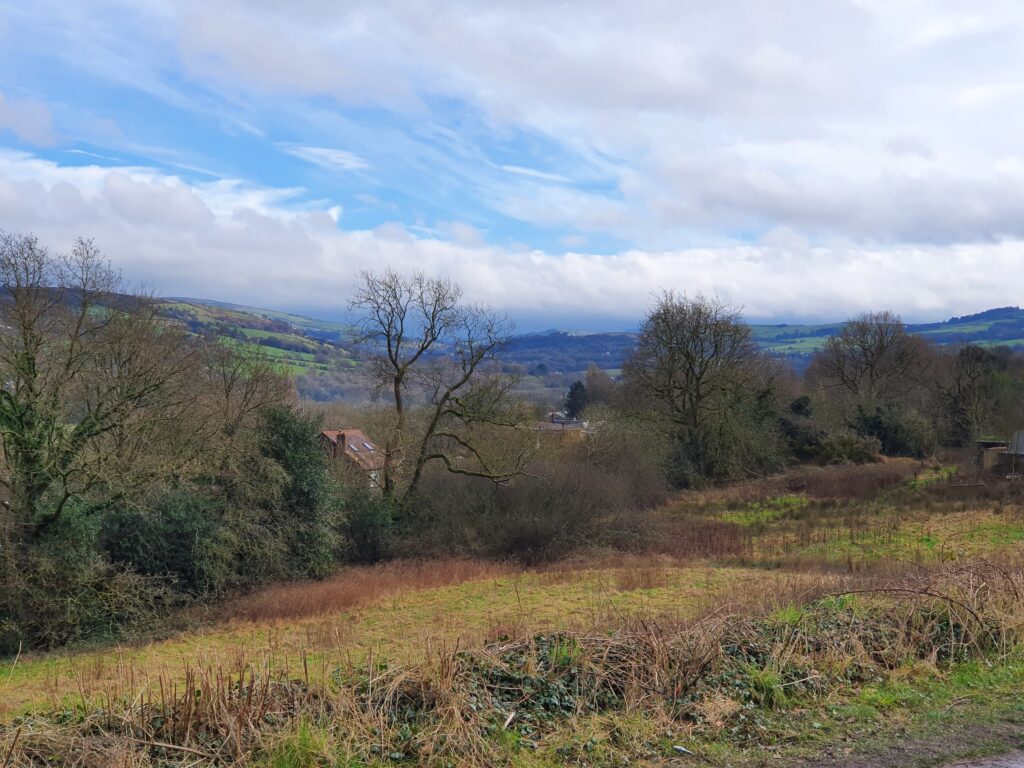
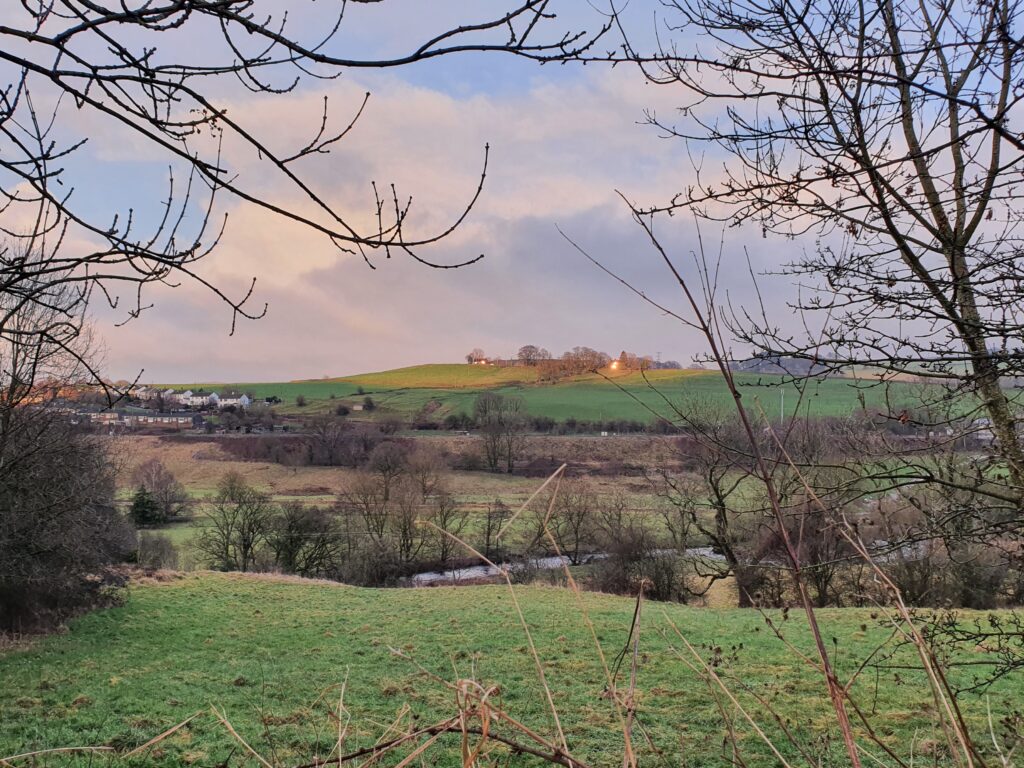
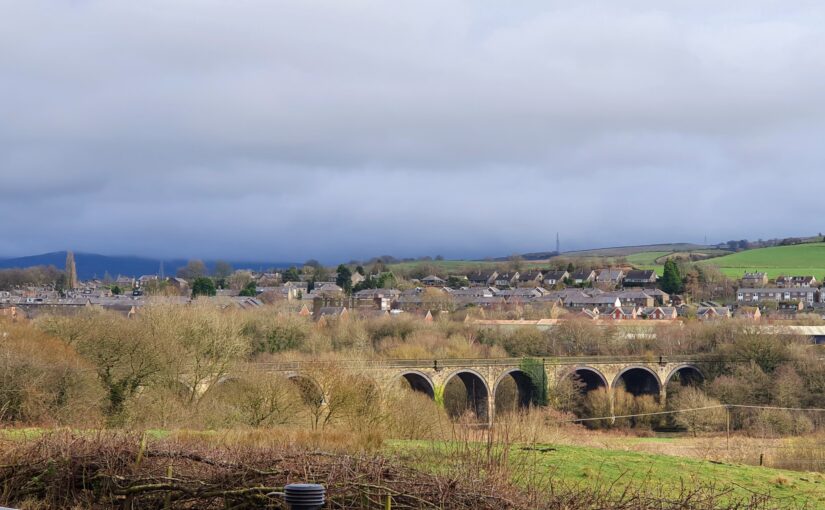
Just enjoying the views

Looking back towards High Peak

And at last turning south back onto the Macc

Enjoying some old Infrastructure

There’s something very special about narrowboating in this area, we love seeing the industrial heritage of the our country. Bugsworth Basin is a prime example of how the canals were a significant structure for the communities they served. It’s now listed as a Scheduled Ancient Monument and the  Bugsworth Heritage Trust oversees the area making it an interesting and informative place to visit.

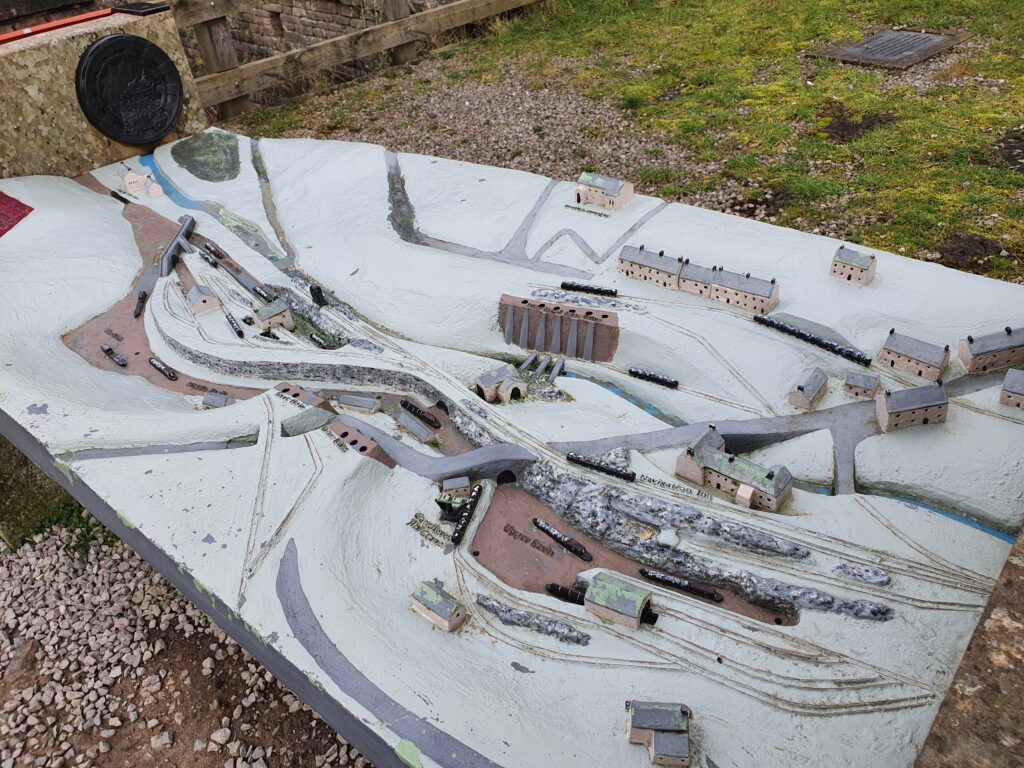
Model of the basin back in its heyday


The Peak Forest Canal was completed in 1804 to transport limestone and gritstone from the Derbyshire quarries down to the Ashton Canal where it was probably went on to help build Manchester.

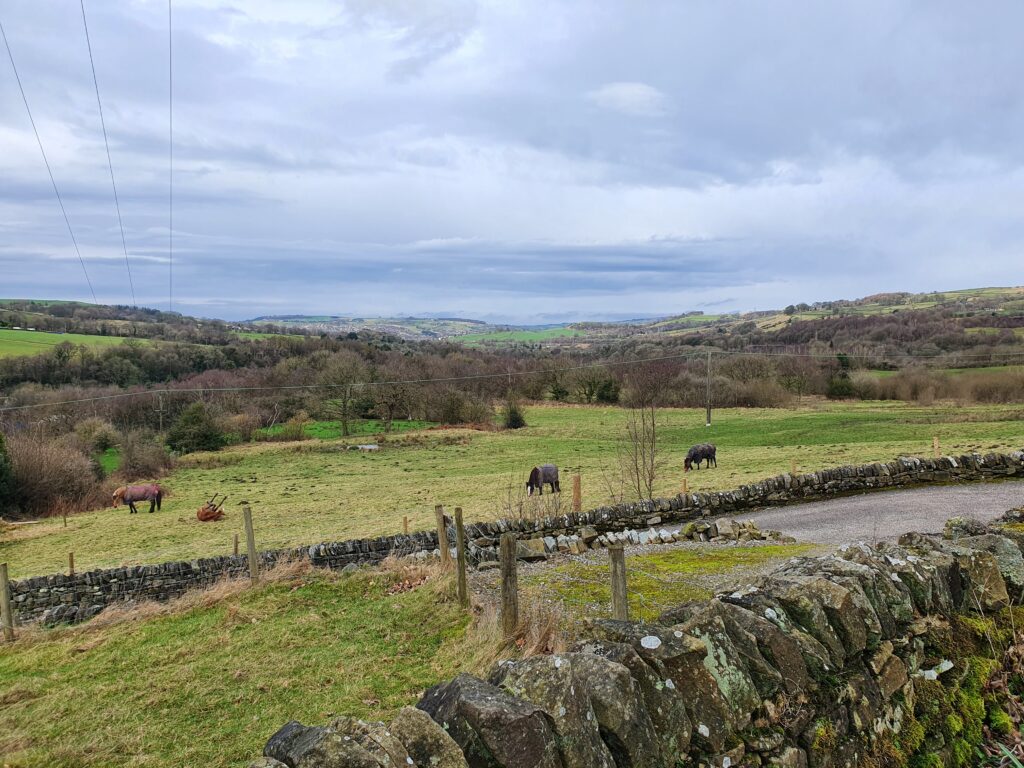
Looking towards Manchester, about 15 miles west of Bugsworth

It was hoped that the canal would go further into the peak district but alas building the necessary locks wasn’t economically viable. A terminus was created at Bugsworth which, when it was built, it was Britains largest inland port. (Aparently, Eric and I can’t agree what defines an “inland” port) Equally impressive was the 14 miles of gravity and horse powered Tramway system that was built to bring the stone down from the quarries.  You can still walk the tramway, but it was too wet and muddy for us this week. Not only was the basin  a storage and transhipment port, it was the hub of a thriving village where the lime was processed in huge kilns.


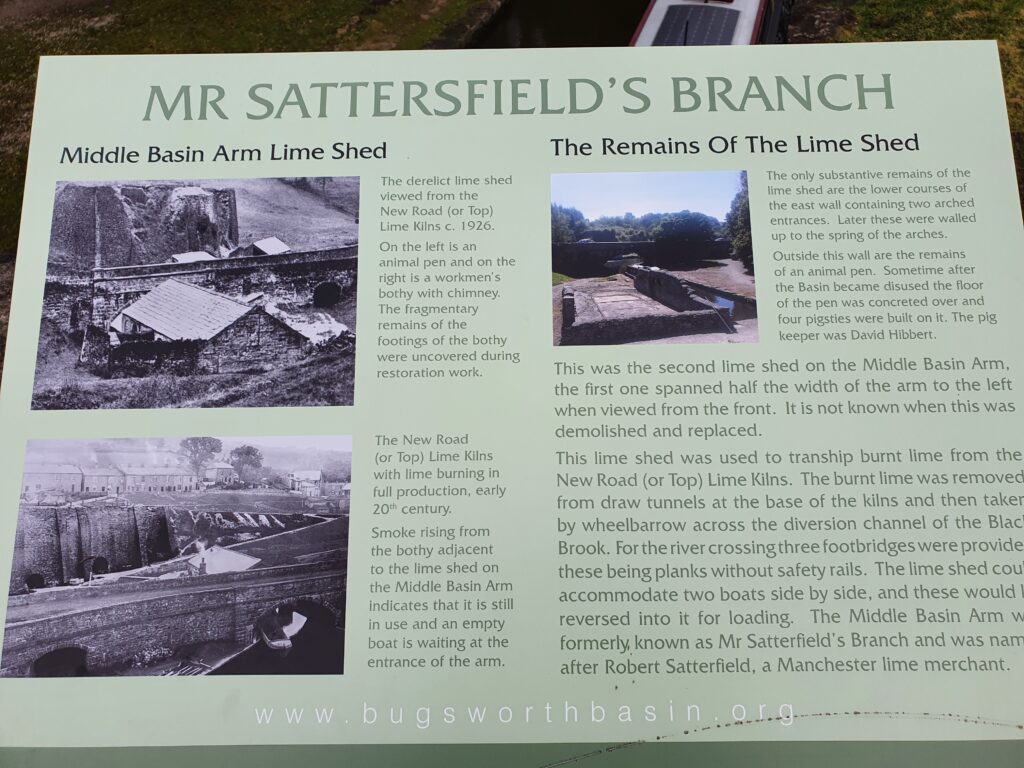
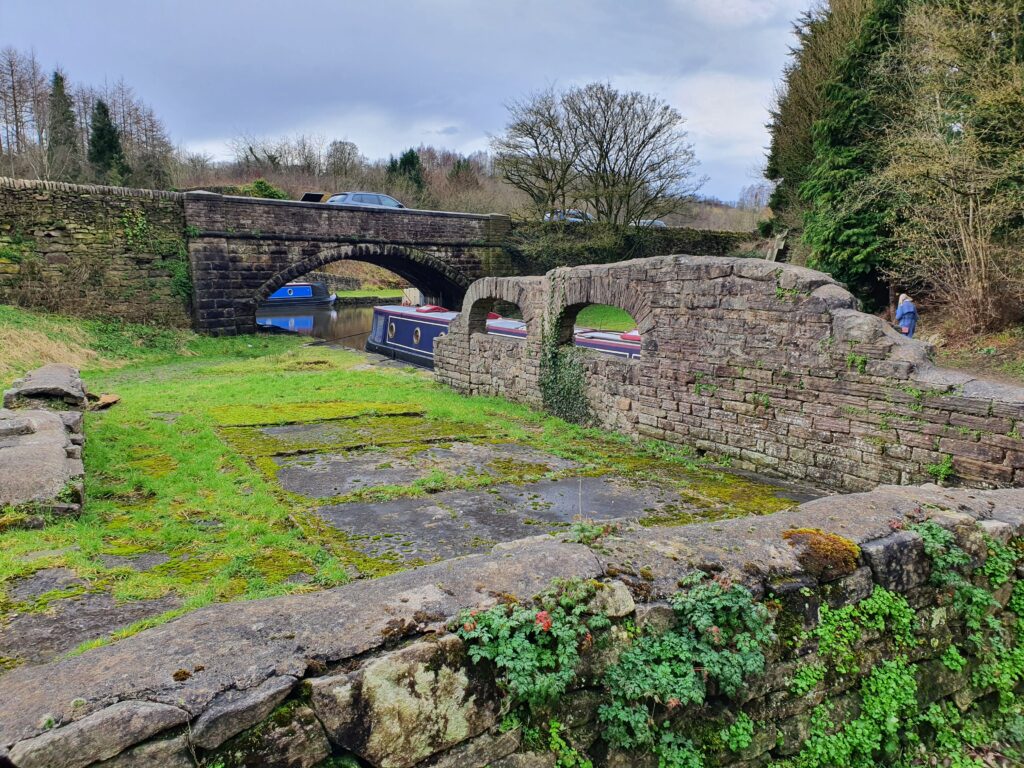
The Middle arm is considered the prime mooring spot, and although it was originally all under cover, the stone sheds have long since been dismantled and repurposed and all that’s left is the short arm, a bit of wall with 2 arches and a base of concrete- where an enterprising local build a pigsty. The working life of Bugsworth Basin remained until the 1920s,

Our favourite moorings spot, Mr Sattersfield branch,

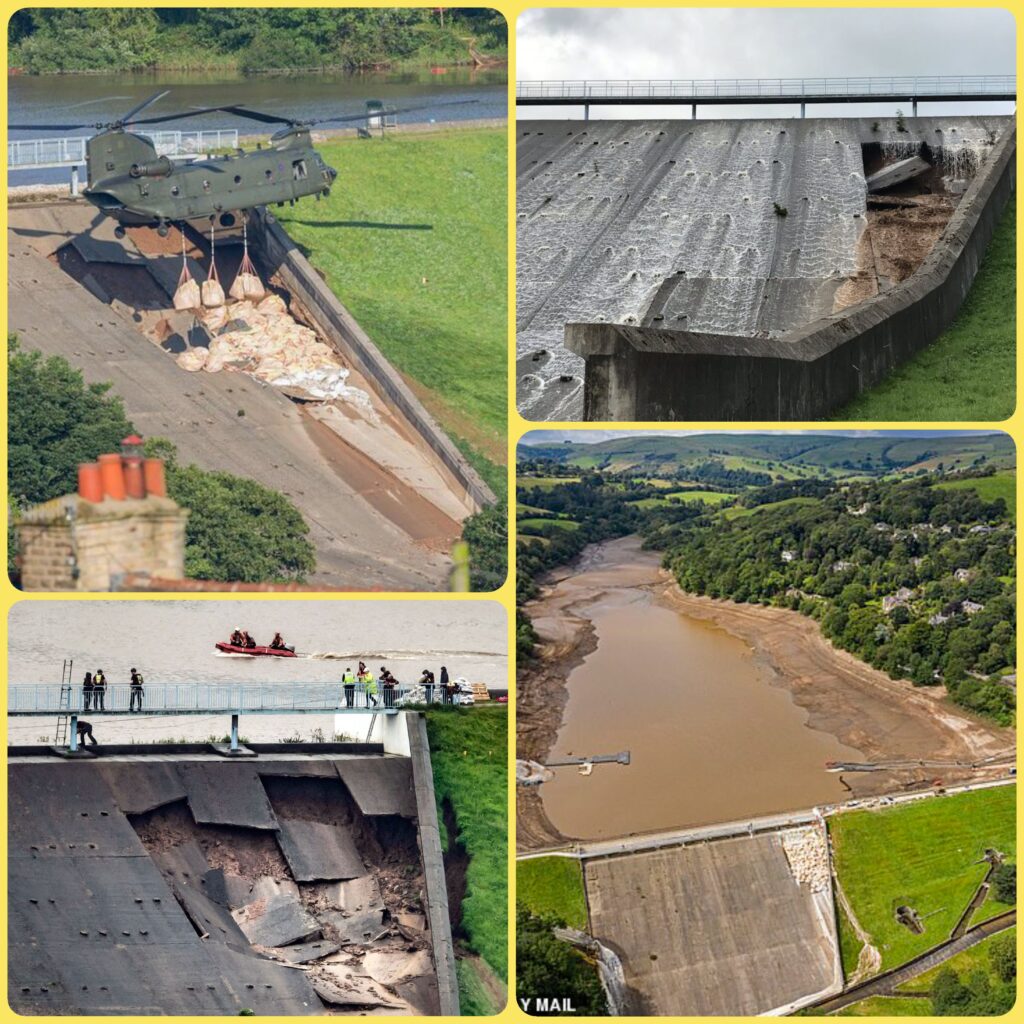
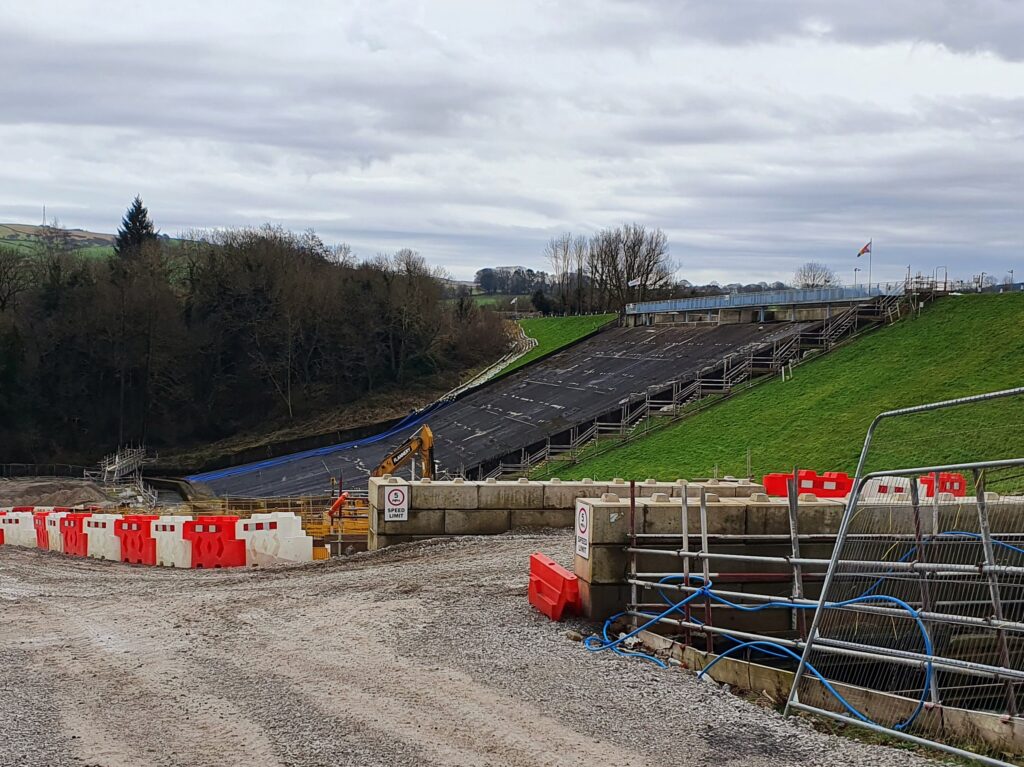
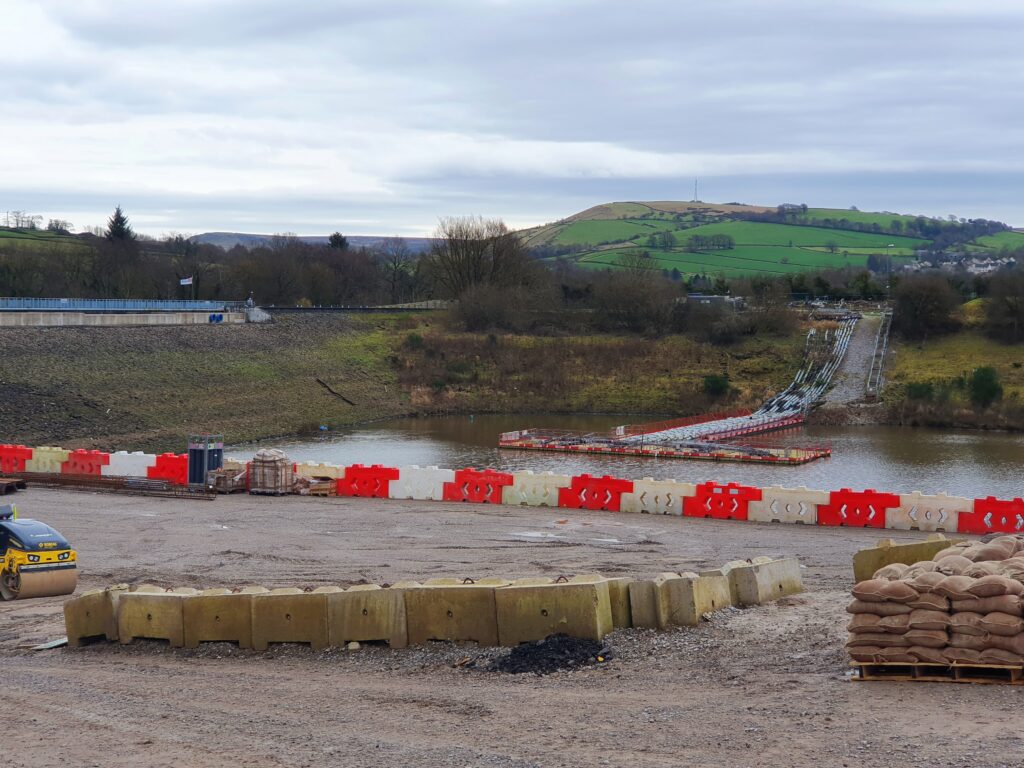
Nowadays it’s not trade that keeps the canals viable, but as with all waterways, natural or man-made, they need a constant supply of water. And whilst we might be getting a generous contribution from the heavens this week, direct rainfall isn’t sufficient without careful management.  You’ll usually find a reservoir near the head of most canals with pumping stations along the route.  Combes reservoir in the High Peaks was built to feed the Peak Forest canal, but it wasn’t sufficient and in 1838 the Victorians completed Toddbrook reservoir at Whaley Bridge.  As with most reservoirs, Toddbrook suffered its fair share of leaks over the years but in August 2019, after a particularly wet summer, part of the modern concrete slipway collapsed. It was feared the whole structure would give way with catastrophic consequences. 1500 residents of Whaley Bridge, Furness Vale and New Mills were evacuated whilst Chinook helicopters dropped 400 tones of aggregate to help prevent a disaster. CRT has been working on the repair ever since, with some interesting modernisation, shown here.

(Images swiped from Internet search)

The project is supposed to be completed this year, so we took a walk up to see what was going on. Most of the dam is still fenced off from the general public so we weren’t able to get up close, but we chatted to a few of workmen and peer through the site gates.  They aren’t so  convinced the work will be finished this year. Neither are we.


There’s plenty of information online about the dam but I found this short little case study interesting.


Thankfully the effect of the of our current structural failure – the culvert collapse which had closed navigation on the Macclesfield has been repaired and reopened. We’re pointing in the right direction and ready to start cruising.

Mooching the Macc and Peak


The past 2 months have been somewhat frustrating. Having the culvert collapse somewhere around Scholar’s Green just a few days before we about to cruise past, somewhat put a halt to our plans. Instead of spending the New Year in Stone, we were stuck on the Macc and our first cruise of 2024 was made heading north not south as planned.

Heading out of Bollington, past Clarence Mill,

New Year’s day 2024, going north past Clarence Mill


Stopping for fuel at Baileys trading post,

And we got more than we’d bargained for

And whilst Eric tried to stiffle his cat allergy sneezes, our new friend tried to work out how to get off Firecrest to return to their own ship

think you should get off port side

Not knowing how long the breach was going to take to repair we settled down to await the delivery of more updates from CRT


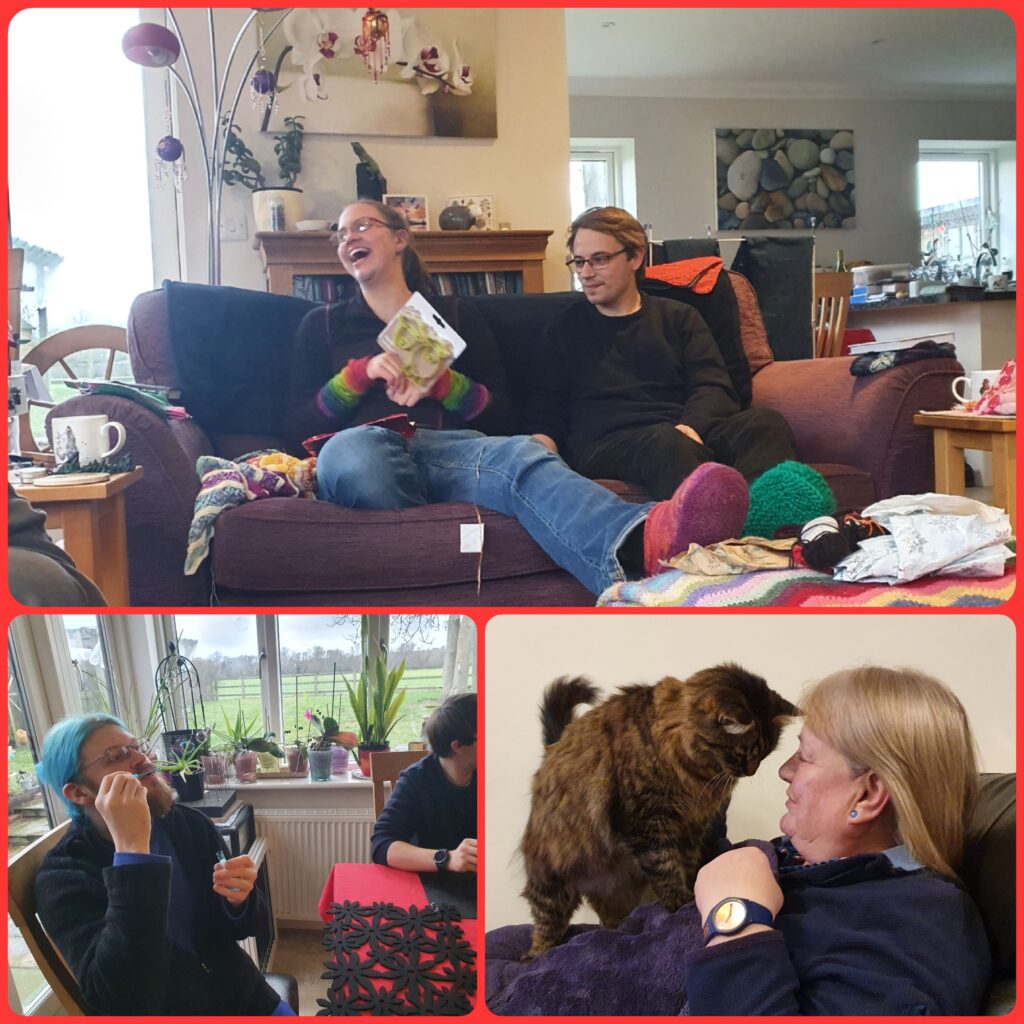
Hearing that the next update wouldn’t be until end of January, we packed up and went home to see the family for a belated Christmas

family time

We had to cut short our visit home because the forecast changed drastically and temperatures plummeted, 

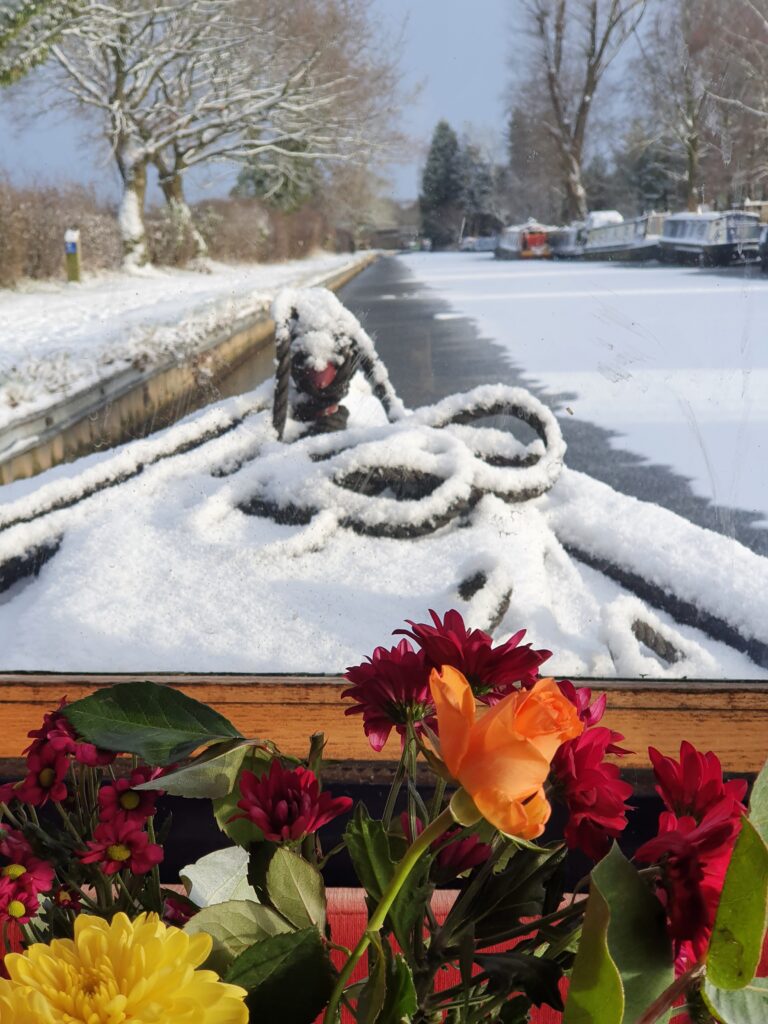
And the next day the snow arrived

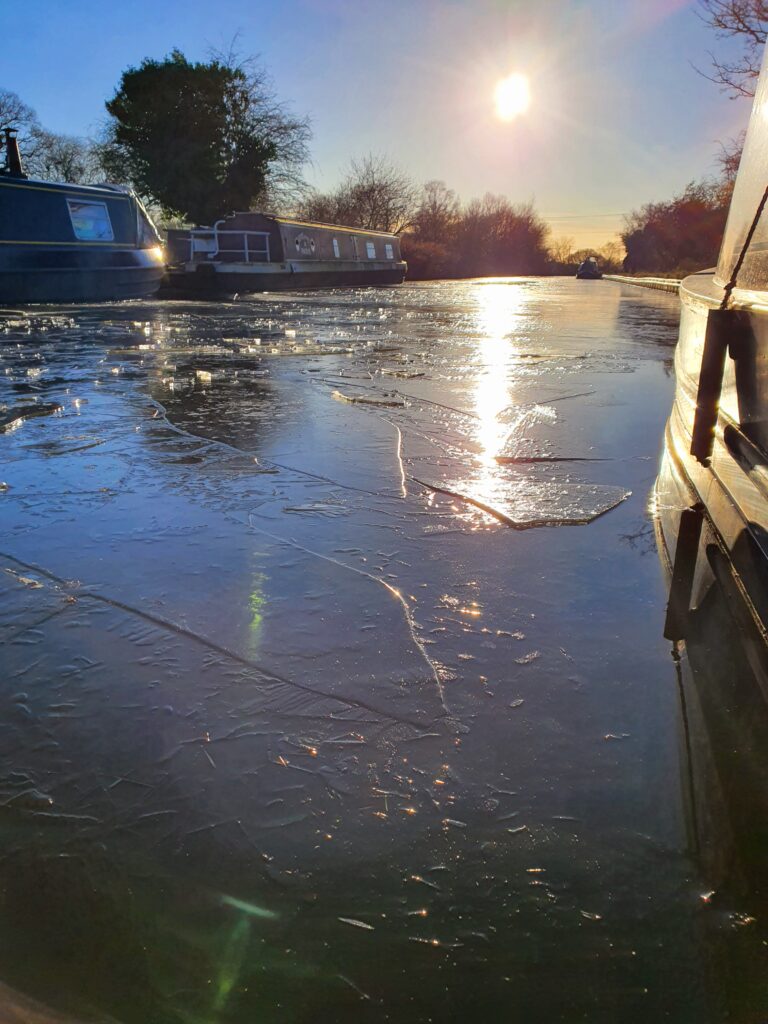
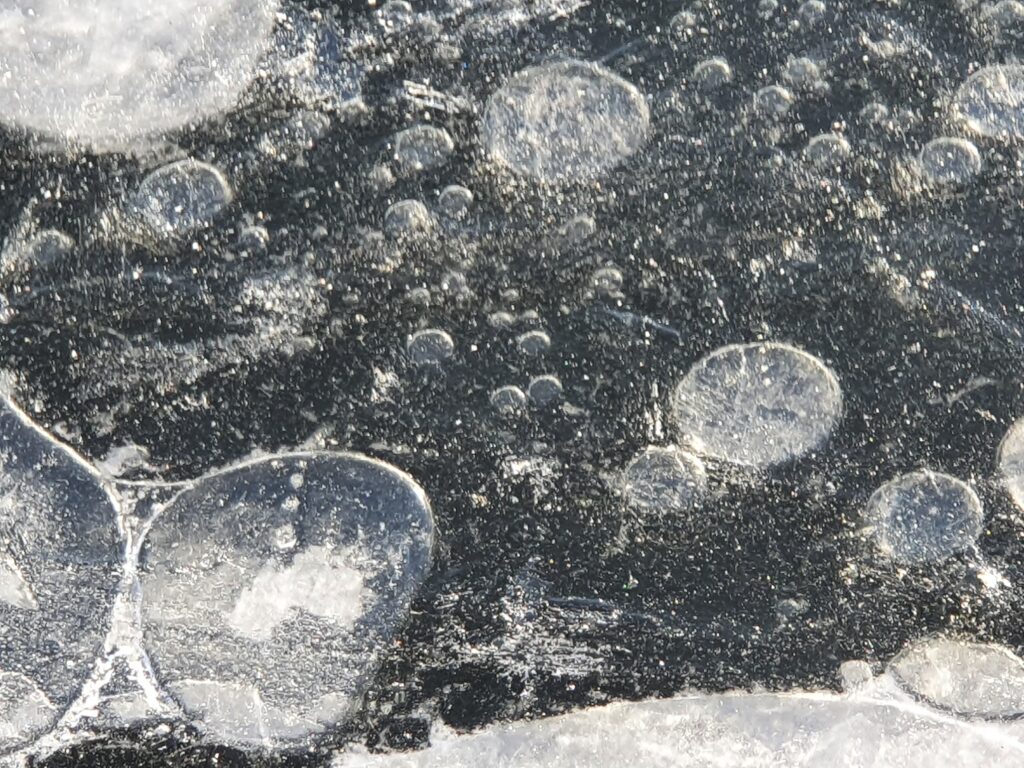
One of the good things about a big freeze, is that Ice makes for some fascinating patterns

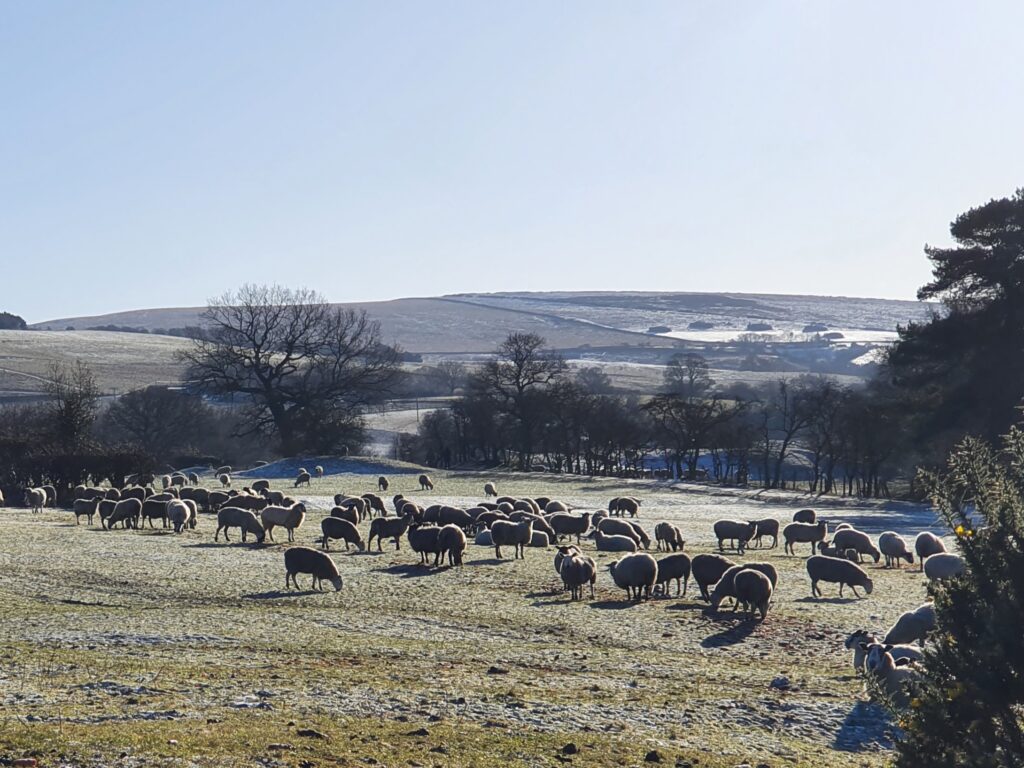
And the ground is solid so going for walks is a treat, not a muddy quagmire.

Heading up to Lyme Park

We thawed out eventually and made it up to Marple

Looking towards the junction onto the Peak Forest

We were getting quite annoyed now, updates from CRT telling us what they were doing to fix the breach, but nothing about how long they  expected the work to take. Should we turn around here or go onto the Peak forest Canal. We emailed CRT and got quite an apologetic reply acknowledging their oversight in not giving a predicted completion – it should be done by END of March… oh my goodness, that would be over 3 months to fill the hole. At least we could pace our meanderings, Whaley Bridge, here we come.

Looking back towards New Mills from Furness Vale

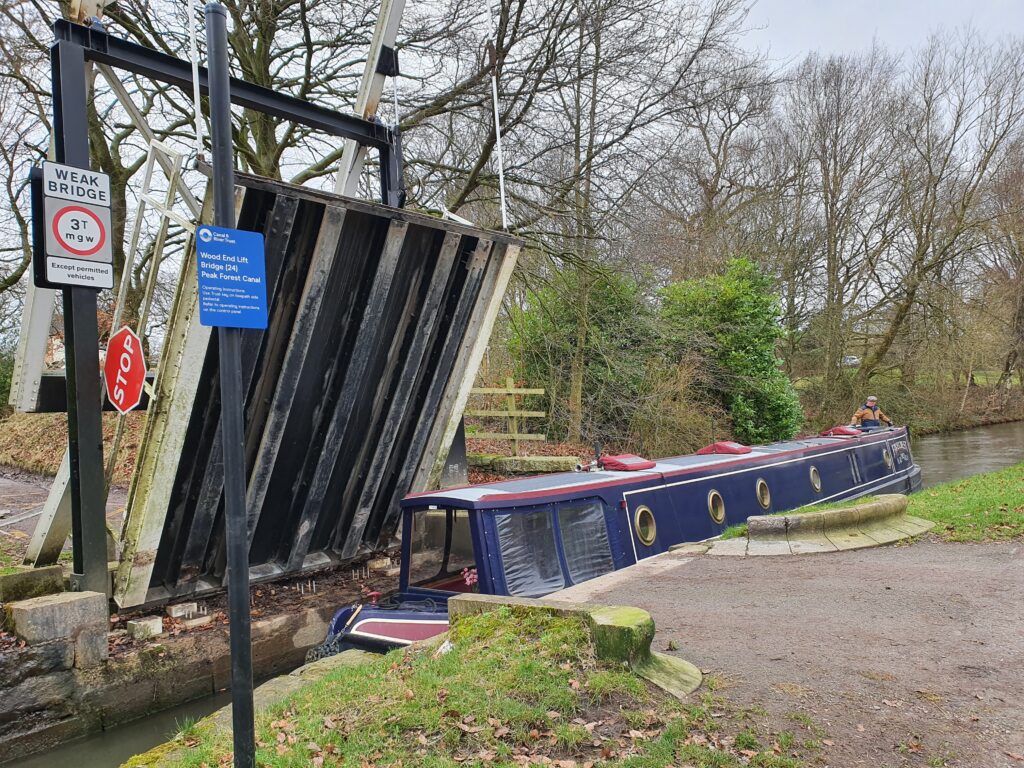
Through the lifts bridges

Wood End lift bridge

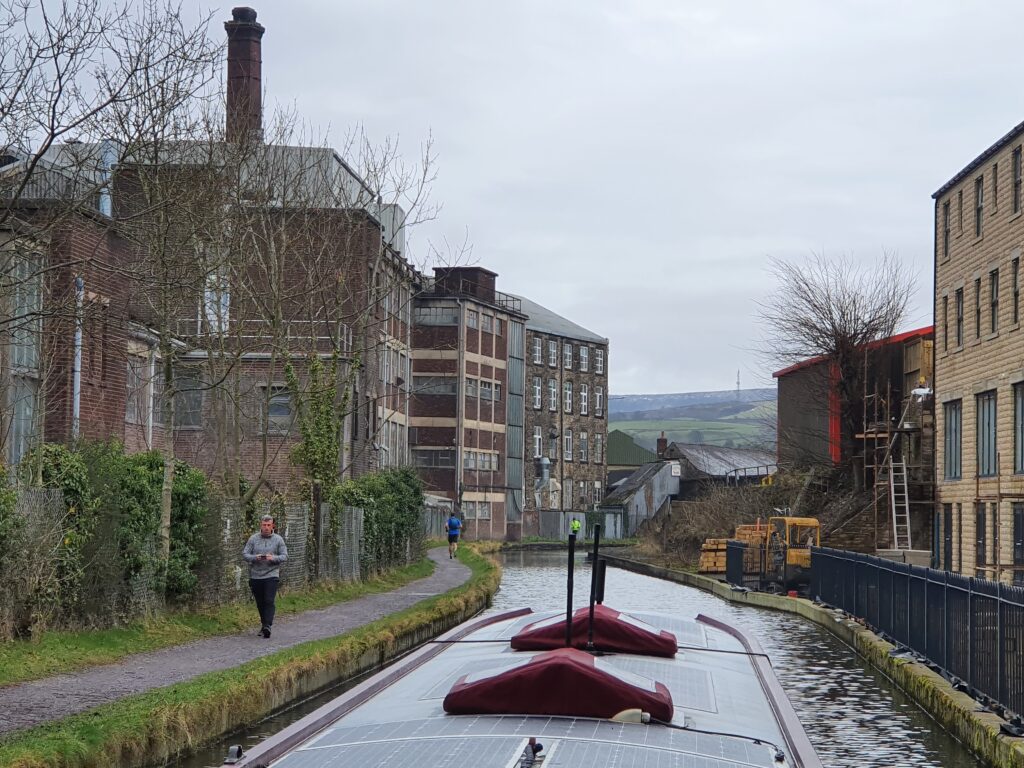
Past the swizzles factory,

mmmmm parma violets and love hearts

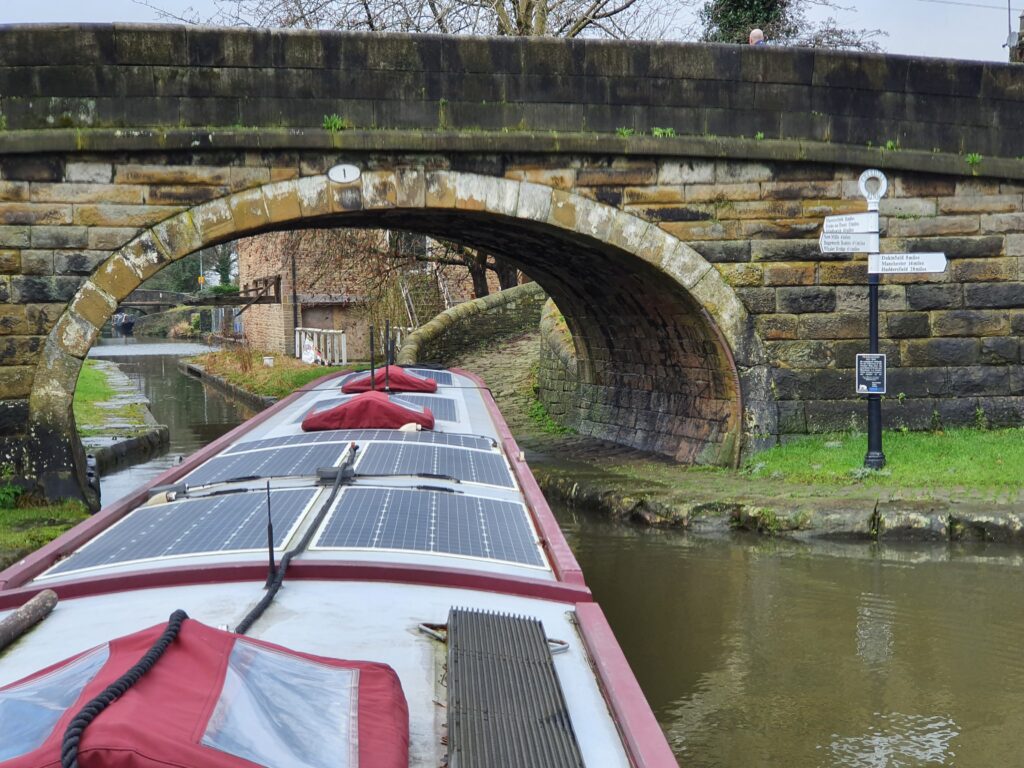
We walked from Furness Vale back into New Mills, admiring the amazing skill of the people who built the bridges

and finally we cruised into Bugsworth Basin

One of our favourite destinations, Bugsworth Basin.